Warehouse pest solutions in Auckland are critical for maintaining the integrity, safety, and operational efficiency of any storage facility. Effective pest management involves understanding local pest threats, implementing proactive prevention, and deploying targeted control strategies to safeguard goods, comply with regulations, and protect your business reputation.
Pest Risks in Warehouses
Warehouses, by their very nature, present attractive environments for a multitude of pests. Their vast spaces, often containing accessible food sources, water, and harborage, coupled with constant movement of goods, create ideal conditions for infestations. In Auckland’s unique climate, specific pests pose significant threats that can compromise inventory, damage infrastructure, and incur substantial financial losses.
Common Pests in Auckland Warehouses
Understanding the specific pests prevalent in the Auckland region is the first step towards effective control. Each type of pest brings its own challenges and requires tailored strategies.
- Rodents (Rats, Mice): Rodents are a major concern. They gnaw through wiring, packaging, and even structural elements, contaminating products with their droppings and urine. Species like the Norway rat and Ship rat are common in urban and port areas, including Auckland.
- Insects: A wide array of insects can thrive in warehouse settings.
- Cockroaches & Ants: These general scavengers are attracted to food spills and moisture, spreading bacteria and contaminating surfaces. German and American cockroaches are common in Auckland.
- Stored Product Pests (SPPs): Beetles (e.g., Confused Flour Beetle, Sawtoothed Grain Beetle) and Moths (e.g., Indianmeal Moth) can devastate stored grains, flours, dried fruits, and other non-perishable food items, often entering facilities within infested goods.
- Flies: Attracted to decaying matter and moisture, flies can transmit pathogens and are a nuisance, particularly in food-handling warehouses.
- Birds: Pigeons and sparrows often nest in the high rafters of warehouses, leaving droppings that can contaminate goods, damage equipment, and pose health risks.
Impact of Pests on Warehouse Operations
The consequences of a pest infestation extend far beyond simple annoyance. They can critically undermine a warehouse’s profitability and reputation.
- Product Contamination & Damage: This is arguably the most direct impact. Pests can chew through packaging, spoil food items, render pharmaceuticals unusable, and damage textiles or electronics, leading to significant inventory write-offs.
- Reputational Harm & Financial Losses: An infestation can severely tarnish a company’s image, leading to lost clients, negative reviews, and reduced market share. The costs associated with product recalls, disposal of damaged goods, and emergency pest control services can be crippling.
- Health & Safety Concerns: Many pests carry and transmit diseases (e.g., salmonella, hantavirus). Their presence creates an unsanitary environment, posing health risks to employees and customers. Bites or stings from certain insects also present hazards.
- Regulatory Compliance Issues: Industries like food storage, pharmaceuticals, and logistics operate under strict health and safety regulations. A pest infestation can result in fines, legal action, closure orders, and loss of operating licenses, particularly in New Zealand where food safety standards are high. The Ministry for Primary Industries (MPI) sets clear guidelines for food businesses, including storage facilities, which must be adhered to.
Customized Pest Management Plans for Auckland Warehouses
Off-the-shelf pest control solutions rarely provide the comprehensive protection required for large, complex warehouse environments. A truly effective strategy must be bespoke, designed to address the unique layout, vulnerabilities, and operational specifics of each facility in Auckland.
The Importance of a Tailored Approach
Every warehouse is different. Factors such as the type of goods stored (food, raw materials, electronics), the building’s age and construction, surrounding environment, traffic flow, and existing sanitation practices all influence pest activity. A customized plan considers these variables, ensuring resources are allocated efficiently and treatments are precisely targeted, leading to more sustainable and effective results than generic treatments.
Integrated Pest Management (IPM) Principles
Integrated Pest Management (IPM) is a holistic and sustainable approach that prioritizes long-term pest prevention and control with minimal environmental impact. It combines multiple strategies rather than relying solely on chemical applications.
- Inspection & Assessment: A thorough initial inspection identifies existing pest problems, potential entry points, harborage areas, and environmental conditions conducive to pests. This includes examining receiving areas, storage zones, offices, and exterior perimeters.
- Identification & Monitoring: Accurate identification of pest species is crucial for selecting the most effective control methods. Continuous monitoring using traps and regular site visits helps track pest activity, evaluate the effectiveness of interventions, and detect new threats early.
- Sanitation & Exclusion: These are foundational IPM elements. Sanitation involves rigorous cleaning schedules to eliminate food sources, water, and debris. Exclusion focuses on physically preventing pests from entering, such as sealing cracks, repairing doors, and installing screens.
- Treatment & Control: When necessary, targeted treatments are applied. This may include chemical baits, traps, insect growth regulators, or precisely applied residual insecticides, chosen for their efficacy against specific pests and minimal disruption to operations. Non-chemical methods like heat or cold treatments might also be employed.
- Documentation & Review: Maintaining detailed records of pest activity, treatment applications, and recommendations is vital. Regular reviews of the plan ensure its continued effectiveness and allow for adjustments based on changing conditions or new challenges.
Developing Your Bespoke Plan
Developing a bespoke plan for your Auckland warehouse involves collaboration between your facility management and a professional pest control provider. It typically includes: an initial risk assessment, identification of critical control points, selection of appropriate IPM tactics, establishment of a regular service schedule, and ongoing communication and reporting.
Protecting Stored Goods from Pests
The ultimate goal of warehouse pest solutions is to protect your inventory from damage and contamination. Achieving this requires a combination of proactive measures and vigilant monitoring, especially for sensitive goods.
Preventative Measures for Inventory Protection
Proactive strategies are far more cost-effective than reactive treatments after an infestation has taken hold.
- Proper Storage Practices:
- Palletisation: Storing goods on pallets, off the floor, reduces access for crawling pests and facilitates cleaning and inspection.
- First-In-First-Out (FIFO): Implementing a strict FIFO system ensures older stock is moved first, preventing products from sitting stagnant and becoming attractive breeding grounds for pests.
- Clear Aisles & Spacing: Maintaining clear aisles and adequate space between stacks and walls improves airflow, reduces hidden harborage, and allows for easier inspection and treatment.
- Regular Cleaning Protocols: Implement a rigorous cleaning schedule for all areas, including under pallets, around machinery, and in receiving bays. Promptly clean up spills and crumbs.
- Climate Control & Humidity Management: Many pests thrive in specific temperature and humidity ranges. Controlling these factors can make a warehouse less hospitable. High humidity can attract moisture-loving pests and promote mould growth, which itself can be a food source.
Special Considerations for Food-Grade Warehouses
Food-grade warehouses face heightened scrutiny and stricter regulations due to the direct impact on public health. Pest control in these environments requires specialized knowledge and meticulous execution. This includes using food-safe products, implementing comprehensive audit trails, and adhering to HACCP principles. All pest control activities must align with New Zealand’s food safety standards, as overseen by the MPI.
Non-Chemical Pest Control Methods
While chemicals have their place, non-chemical methods are often preferred, especially in areas with sensitive goods or where environmental impact is a concern.
- Physical Barriers: Gaps, cracks, and openings are sealed to prevent entry. Bird netting, door sweeps, and air curtains are effective physical barriers.
- Trapping: Various types of traps (sticky traps, snap traps, live traps) are used for monitoring and capturing pests, particularly rodents and flying insects.
- Heat or Cold Treatments: For specific infestations in isolated areas or goods, extreme temperatures can effectively eradicate pests without chemical residue.
- Insect Light Traps (ILTs): These devices are excellent for monitoring and reducing populations of flying insects in sensitive areas.
Perimeter & Interior Pest Control Strategies
A robust warehouse pest solution combines outer defenses with inner vigilance. Protecting an Auckland warehouse effectively requires a multi-layered approach that addresses potential entry points and internal vulnerabilities simultaneously.
Exterior Defense: The First Line
The perimeter of your warehouse acts as the first line of defense. Strengthening this barrier is crucial to preventing pests from ever gaining entry.
- Sealing Entry Points: Regularly inspect and seal all cracks, crevices, holes, and gaps in walls, foundations, doors, and windows. Pay close attention to utility penetrations.
- Vegetation Management: Keep vegetation trimmed and away from the building’s foundation. Overgrown shrubs, trees, and weeds provide harborage and pathways for pests.
- Waste Management: Ensure dumpsters are clean, have tight-fitting lids, and are located far from the building. Regular waste removal is essential to eliminate food sources.
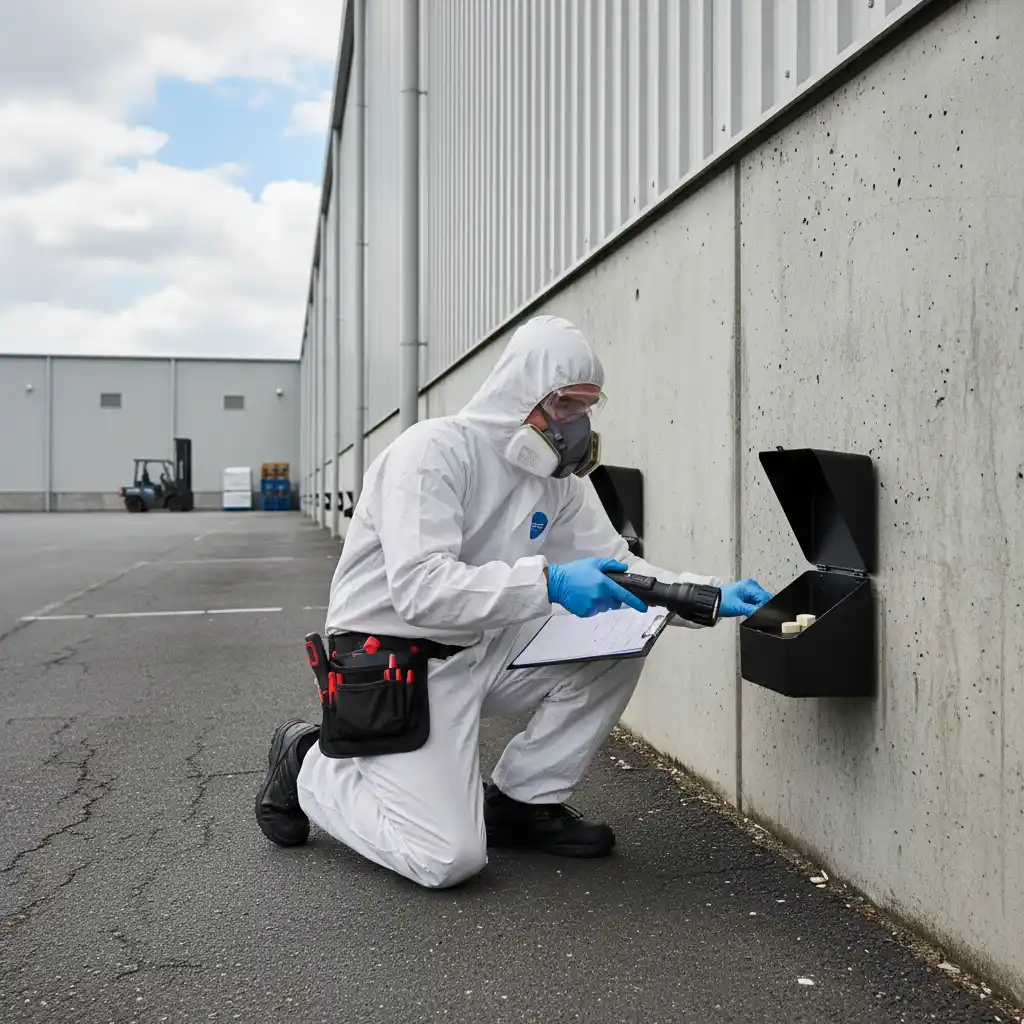
- Strategic Bait Stations & Traps: Place tamper-resistant bait stations and traps strategically around the exterior perimeter to intercept pests before they enter. These should be regularly inspected and maintained by a professional.
Interior Control: Maintaining a Pest-Free Environment
Even with strong exterior defenses, pests can sometimes find their way in. Interior control focuses on swift detection, targeted elimination, and ongoing prevention within the warehouse itself.
- Monitoring Devices: Deploy sticky traps, pheromone traps, and other monitoring devices in key areas to detect pest activity early. This allows for prompt intervention before an infestation escalates.
- Targeted Treatments: When pest activity is detected, apply targeted treatments directly to harborage areas or pathways, minimizing the need for widespread chemical applications. This might involve crack and crevice treatments, baiting, or specific fogging in empty areas.
- Employee Training & Awareness: Educate all warehouse staff on basic pest identification, the importance of sanitation, and how to report pest sightings. Employees are often the first to notice signs of a problem.
- Post-Treatment Protocols: After any treatment, establish protocols for cleaning, continued monitoring, and identifying any new vulnerabilities to prevent recurrence.
Choosing the Right Warehouse Pest Control Partner in Auckland
Selecting the right pest control provider for your Auckland warehouse is a critical business decision. It’s not just about eliminating pests; it’s about partnering with experts who understand your operational needs, regulatory environment, and commitment to safety and quality.
Expertise and Experience
Look for a company with proven experience specifically in commercial and industrial pest control, particularly with warehouses. They should have a deep understanding of common Auckland pests, IPM principles, and the specific challenges of large-scale facilities. Inquire about their track record, client testimonials, and case studies relevant to your industry. A reputable provider will also be a member of industry bodies like the Pest Management Association of New Zealand (PMANZ).
Compliance and Certification
Ensure your chosen partner adheres to all relevant New Zealand regulations and industry best practices. This includes certifications for safe chemical handling, environmental compliance, and adherence to health and safety standards. For food-grade warehouses, they must be conversant with MPI requirements and be able to provide documentation that satisfies audits.
Customer Support and Reporting
Effective pest management is an ongoing process that requires clear communication. The provider should offer detailed reporting on inspections, treatments, pest activity, and recommendations. Look for a company that provides excellent customer service, responsive support, and transparent communication throughout the entire service agreement. Regular review meetings are also beneficial to ensure the plan remains aligned with your operational needs.
By investing in professional, customized warehouse pest solutions, Auckland businesses can protect their assets, maintain their reputation, and ensure a safe, compliant, and efficient storage environment for the long term. Proactive pest management is not merely an expense; it is a vital investment in your business’s enduring success and operational resilience.
Conclusion
Effective warehouse pest solutions in Auckland are indispensable for the operational integrity and financial health of any storage facility. By understanding the specific pest risks, implementing customized Integrated Pest Management (IPM) plans, vigilantly protecting stored goods, and establishing robust perimeter and interior control strategies, businesses can create a resilient defense against infestations. Partnering with a knowledgeable and reputable pest control provider who understands the unique demands of Auckland’s commercial landscape is paramount. This proactive and strategic approach ensures compliance, safeguards valuable inventory, protects your brand reputation, and maintains a safe and efficient environment for your employees and clients, solidifying your business’s success in the competitive market.
People Also Ask
What are the most common pests found in Auckland warehouses?
In Auckland, warehouses commonly face issues with rodents (Norway rats, Ship rats, mice), various insects including cockroaches (German, American), ants, stored product pests (e.g., Indianmeal moths, flour beetles), and sometimes birds like pigeons and sparrows. Each requires specific strategies for effective control.
Why is Integrated Pest Management (IPM) important for warehouses?
IPM is crucial for warehouses because it offers a sustainable, long-term solution by combining multiple strategies: inspection, monitoring, sanitation, exclusion, and targeted treatments. It minimizes reliance on chemicals, reduces environmental impact, and provides more comprehensive and lasting pest control tailored to the specific needs of a large facility.
How do I protect stored food products from pests in my Auckland warehouse?
To protect stored food products, implement strict sanitation, store goods on pallets off the floor, use a First-In-First-Out (FIFO) inventory system, seal all cracks and entry points, control climate and humidity, and use specific food-grade pest monitoring and control methods. Regular professional inspections are also vital.
What regulations apply to pest control in Auckland warehouses, especially for food products?
Warehouses, particularly those storing food products, must comply with regulations set by the Ministry for Primary Industries (MPI) in New Zealand. These regulations cover food safety, hygiene, and pest management protocols. A professional pest control provider should be knowledgeable about these requirements and ensure compliance through their services and documentation.
Can pests cause structural damage to my Auckland warehouse?
Yes, pests can cause significant structural damage. Rodents, for instance, frequently gnaw through electrical wiring, wooden structures, and insulation, posing fire risks and compromising the building’s integrity. Termites, while less common in general Auckland warehouses, can also be a threat if present. Birds can damage roofing and guttering with their nests and corrosive droppings.
How often should a warehouse in Auckland have professional pest control services?
The frequency of professional pest control services depends on factors like the type of goods stored, the warehouse’s location, previous pest history, and industry regulations. Typically, quarterly visits are a minimum for general warehouses, with monthly or even more frequent inspections recommended for food-grade or high-risk facilities to maintain continuous protection and compliance.