Wasp nest removal in Auckland residential properties is a critical service aimed at safely eradicating wasp infestations from homes and gardens. This process involves identifying the species and location of the nest, applying targeted treatments, and ensuring the safety of residents and pets. Professional intervention is highly recommended due to the aggressive nature of wasps and potential allergic reactions to their stings.
Dangers of Wasp Nests in Auckland Residential Properties
Wasp nests pose significant threats to the safety and comfort of residents in Auckland’s residential areas. While wasps are a natural part of the ecosystem, their presence in close proximity to homes can lead to dangerous encounters. Understanding these risks is the first step towards seeking professional removal.
Identifying Common Wasp Species in Auckland
Auckland is primarily affected by two aggressive invasive species: the German Wasp (Vespula germanica) and the Common Wasp (Vespula vulgaris). These wasps build large, elaborate nests, often in concealed locations, and are known for their territorial behaviour. German wasps typically construct nests underground, in wall cavities, or in dense vegetation, while Common wasps prefer similar sites but can also be found in tree hollows. Identifying the species is crucial as it informs the most effective removal strategy. Both species are highly social, with colonies numbering in the thousands during peak season, making a single nest a significant hazard.
Health Risks Associated with Wasp Stings
The primary danger posed by wasps is their sting. Unlike bees, wasps can sting multiple times without dying, and their stings are intensely painful. For most individuals, a single sting results in localised pain, swelling, redness, and itching. However, for those with allergies, wasp stings can trigger severe anaphylactic reactions, which are life-threatening medical emergencies. Symptoms of anaphylaxis include difficulty breathing, swelling of the face or throat, dizziness, and a rapid drop in blood pressure. Even for non-allergic individuals, multiple stings from an agitated nest can cause a toxic reaction, leading to fever, headache, and muscle cramps. Children and pets are particularly vulnerable due to their smaller body mass and increased likelihood of disturbing a nest unknowingly. For more information on wasp characteristics, refer to Wikipedia’s detailed entry on wasps.
Property and Environmental Impact
While wasps are not typically known for causing structural damage to homes in the same way termites might, their nests can be problematic. Nests built within wall cavities, eaves, or attics can be difficult to access and, if left untreated, can grow to considerable sizes, causing minor aesthetic damage or becoming a persistent nuisance. Furthermore, large wasp populations can disrupt garden activities, make outdoor dining unbearable, and pose a threat to beneficial insects and native bird species, as wasps are opportunistic predators. Their presence significantly diminishes the enjoyment and safety of residential outdoor spaces.
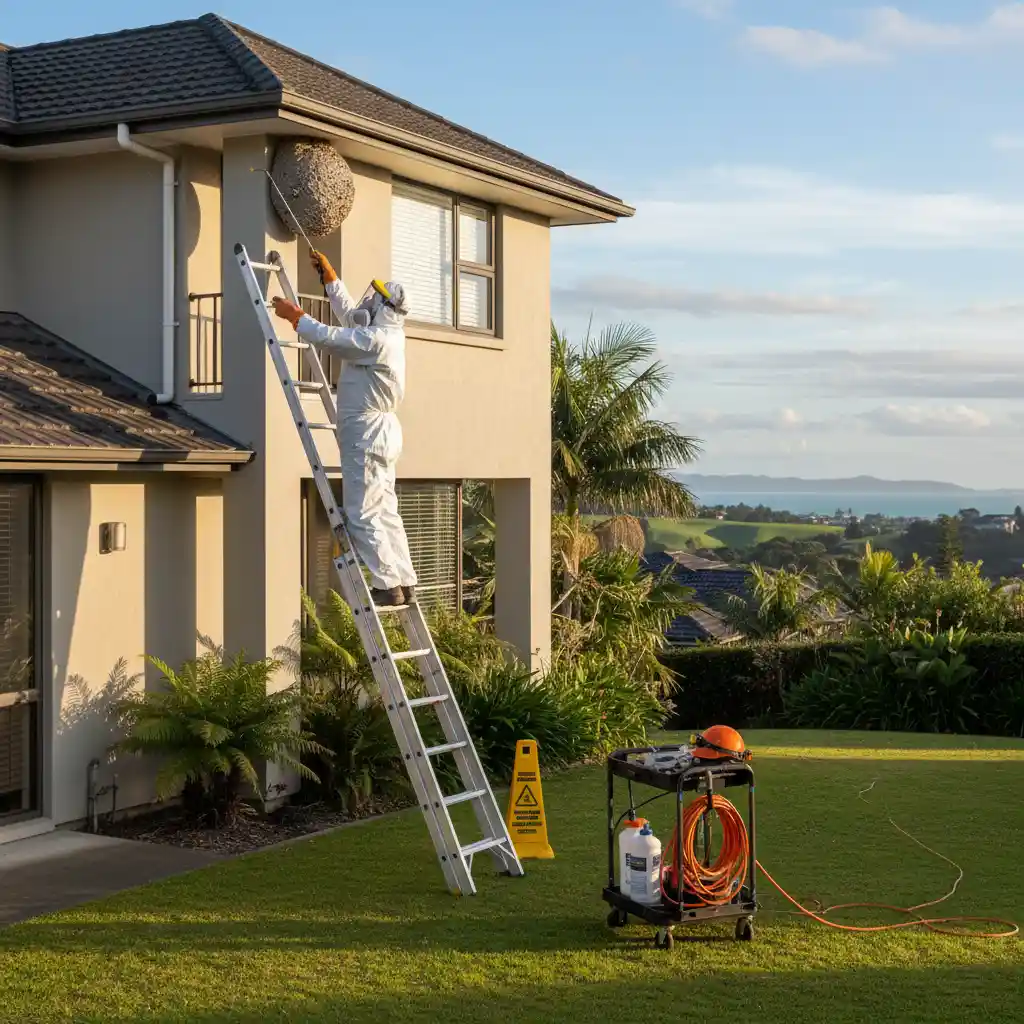
Professional Wasp Nest Removal Techniques for Auckland Homes
Attempting to remove a wasp nest without proper training and equipment is extremely dangerous. Professional pest control services offer the expertise and tools necessary to safely and effectively eliminate wasp infestations from residential properties in Auckland. Their methods are designed to protect residents, pets, and the environment while ensuring complete eradication.
Why Professional Intervention is Crucial
Professionals are trained to handle aggressive insect behaviour and possess the necessary protective gear, such as full-body suits, gloves, and face shields, to prevent stings. They also have access to specialised, highly effective insecticides and application equipment that are not available to the general public. More importantly, they understand wasp biology and nesting habits, allowing them to locate even hidden nests and implement targeted treatments that achieve complete colony eradication. Their expertise minimises risks, ensures effectiveness, and provides peace of mind for homeowners.
The Assessment Process
Before any treatment begins, a thorough assessment is conducted. This involves identifying the wasp species, locating the primary nest (which can often be hidden in wall cavities, roof voids, or underground), and evaluating the extent of the infestation. Technicians observe wasp flight paths, look for entry and exit points, and consider potential risks to residents, pets, and surrounding areas. This initial assessment is critical for developing a customised and safe removal plan tailored to the specific situation of your Auckland residential property.
Advanced Treatment Methods
Professional wasp nest removal in Auckland typically involves several proven techniques:
- Insecticidal Dusts: These are highly effective for nests located in inaccessible areas like wall cavities or roof spaces. The dust is applied directly into the nest entrance. Wasps carry the dust throughout the nest, contaminating and eliminating the entire colony.
- Liquid Insecticides/Sprays: For exposed nests or those in accessible locations, targeted liquid sprays can be used. These treatments quickly incapacitate and kill wasps on contact, making rapid removal possible.
- Physical Nest Removal: Once the wasps have been neutralised, the physical removal of the nest may be undertaken, particularly for smaller, exposed nests or when the nest is causing an obstruction. This prevents future infestations at the same site, although structural repairs might be needed if the nest was in a cavity.
- Baiting Systems: In some cases, especially for persistent large infestations or where direct nest access is difficult, bait stations laced with slow-acting insecticides can be deployed. For further insights into effective pest control strategies, including those for wasps, reliable resources like the NZ Ministry for Primary Industries (MPI) pest management guide can offer valuable context.
All methods are chosen based on safety, efficacy, and environmental considerations.
Safety Protocols and Post-Treatment Advice
Professional pest controllers adhere to strict safety protocols, ensuring the treatment area is secured and that residents and pets are kept away during and immediately after the procedure. They provide clear instructions on post-treatment care, such as when it’s safe to re-enter the treated area and any ventilation requirements. They also offer advice on how to monitor for any residual activity and what to do if a new nest is suspected. Follow-up visits may be scheduled to ensure complete eradication and to address any lingering concerns, providing comprehensive protection for your Auckland home.
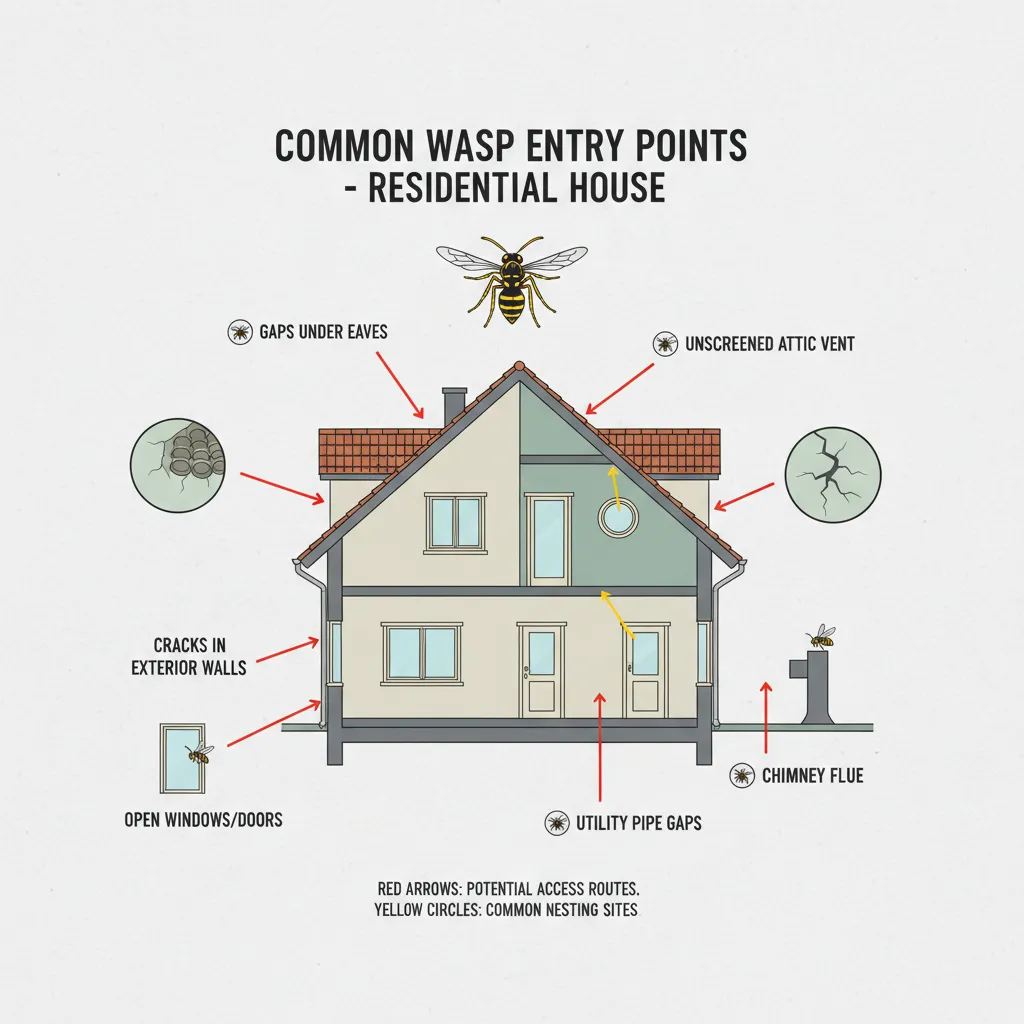
Preventing Wasp Nest Reoccurrence in Auckland Residences
After successful wasp nest removal, implementing preventative measures is crucial to reduce the likelihood of future infestations. While it’s impossible to completely wasp-proof a property, these strategies significantly deter new colonies from establishing themselves in or around your Auckland home.
Sealing Entry Points
Wasps are opportunistic builders, often seeking sheltered, enclosed spaces for their nests. Inspect your home thoroughly for any potential entry points. This includes sealing cracks and crevices in foundations, walls, and around window and door frames. Repair any damaged fly screens, install mesh over vents, and ensure eaves and soffits are intact. Even small gaps can serve as an invitation for a queen wasp looking for a suitable nesting site in spring. Proactive sealing is one of the most effective physical barriers against reoccurrence.
Garden Maintenance and Food Source Control
Your garden can inadvertently attract wasps by providing both shelter and food. Keep vegetation well-trimmed and remove any fallen, overripe fruit from trees, as this is a prime food source for wasps. Ensure outdoor bins are securely sealed, especially those containing food waste, and clean up any spills promptly. If you have pet food bowls outdoors, bring them inside after feeding times. Reducing accessible food and water sources makes your property less appealing for wasps searching for sustenance.
Regular Property Inspections
Early detection is key to preventing a small wasp problem from escalating into a major infestation. Conduct regular inspections of your property, particularly during spring and early summer when queen wasps are scouting for new nesting sites. Pay close attention to common nesting areas such as eaves, roof voids, sheds, under decks, and thick hedges. Look for signs of wasp activity, such as a steady stream of wasps entering or leaving a specific point. Addressing a small, newly forming nest is far easier and safer than tackling a large, established colony.
Long-Term Strategies
Consider integrating long-term strategies into your pest management plan. This could involve placing commercial wasp traps in strategic locations around your property, especially during peak wasp season (late summer to autumn). While traps help reduce populations, they are not a substitute for professional nest removal. For persistent problems or properties in high-risk areas, consulting with a professional pest control service for annual inspections and preventative treatments can provide an ongoing layer of protection, keeping your Auckland residence wasp-free throughout the seasons.
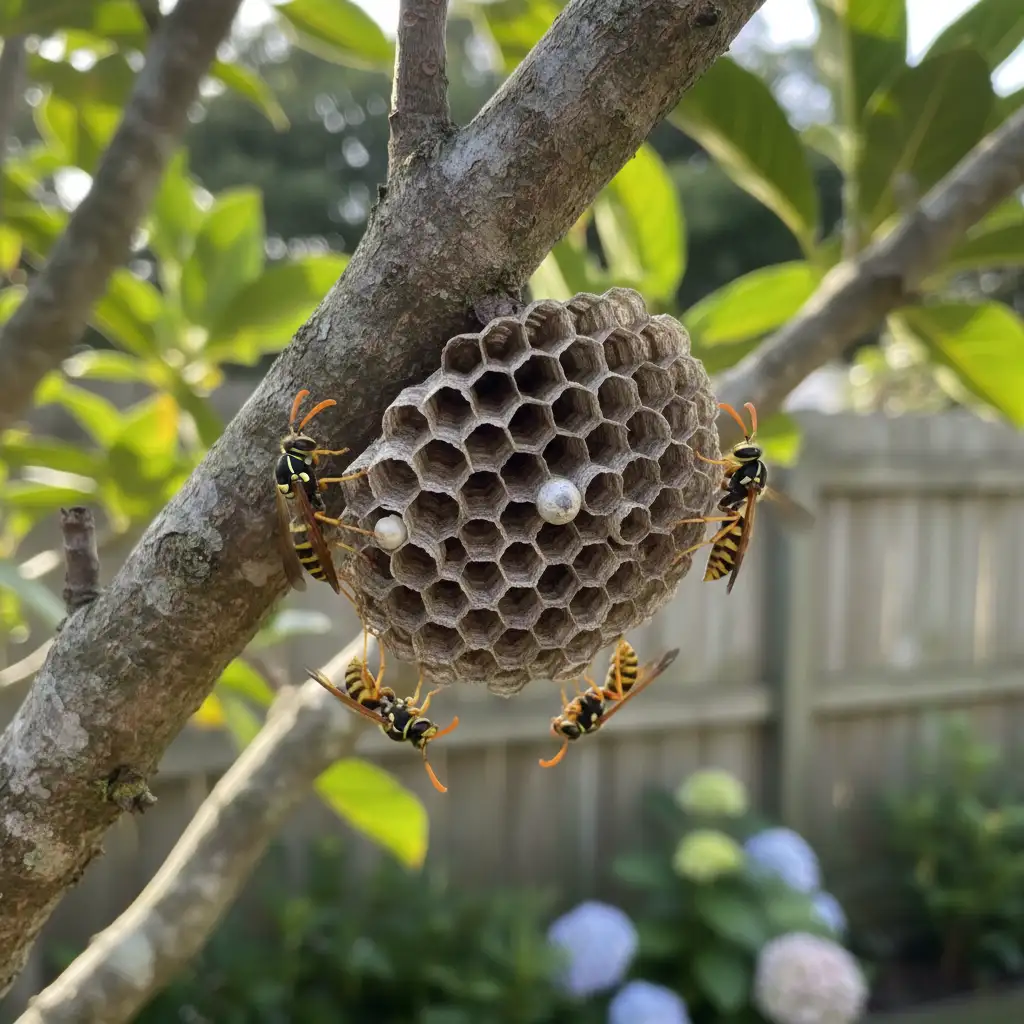
Emergency Wasp Control Services in Auckland
In certain situations, a wasp infestation can escalate rapidly, posing an immediate and severe threat to safety. When this occurs, emergency wasp control services in Auckland become essential, providing rapid response and effective solutions to mitigate immediate dangers.
When to Seek Immediate Professional Help
You should contact emergency wasp control professionals if you encounter highly aggressive wasps, witness a swarm, or if a nest is located in a high-traffic area such as near a doorway, children’s play area, or an elderly person’s residence. Any situation where there’s an immediate risk of multiple stings or an allergic reaction warrants urgent attention. Do not attempt to deal with an aggressive swarm yourself, as this can provoke the wasps further and lead to serious injury.
What Constitutes a Wasp Emergency
A wasp emergency typically involves nests that are directly interfering with daily life or presenting a clear and present danger. This includes nests found inside the home, in a child’s bedroom, or within areas where vulnerable individuals (e.g., infants, elderly, those with severe allergies) frequently spend time. If wasps are exhibiting unusually aggressive behaviour without provocation, or if multiple stings have occurred from an unknown source, these are also strong indicators for emergency service. The goal is to neutralise the threat quickly and safely, restoring peace of mind to residents.
The Importance of Rapid Response
Rapid response from professional pest control is vital in emergency wasp situations. The longer an aggressive nest or swarm is left untreated, the higher the risk of serious injury or distress. Emergency services are equipped to respond quickly, often within hours, bringing the necessary expertise and equipment to address the situation immediately. Their swift action can prevent further stings, contain the infestation, and provide a quick resolution to what can be a very distressing problem for homeowners.
Safety Precautions While Awaiting Help
While awaiting emergency professional help, it’s critical to take immediate safety precautions. The most important rule is to maintain a safe distance from the nest or swarm. Do not try to spray the wasps with household products or attempt to block their entrance, as this will only agitate them. Keep all windows and doors leading into your home securely closed. Alert family members, neighbours, and especially children and pets, to stay clear of the affected area. If someone has been stung and shows signs of an allergic reaction, seek immediate medical attention by calling emergency services (e.g., 111 in New Zealand) even if professional pest control is on its way. Your safety is paramount.
People Also Ask About Wasp Nest Removal Auckland Residential
What is the cost of professional wasp nest removal in Auckland?
The cost of professional wasp nest removal in Auckland typically varies depending on the nest’s size, location, and accessibility. Factors like height, the need for specialised equipment, and the urgency of the service can influence the final price. It’s always best to get a specific quote after a professional assessment.
Can I remove a wasp nest myself?
Attempting to remove a wasp nest yourself is highly discouraged due to the significant risks involved. Wasps can be very aggressive, and multiple stings can lead to severe pain, allergic reactions, or even life-threatening anaphylaxis. Professionals have the necessary protective gear, expertise, and specialised treatments for safe and effective removal.
When is the best time of year for wasp nest removal in Auckland?
The best time for wasp nest removal is typically in spring or early summer when nests are smaller and populations are less established. However, nests can be removed at any time they are discovered. Later in summer and autumn, nests are at their largest and wasps are most aggressive, making professional intervention even more critical.
How do professionals locate hidden wasp nests?
Professionals locate hidden wasp nests by observing wasp flight paths, looking for a consistent stream of wasps entering and exiting a specific point on the property, such as a gap in a wall, an eave, or a hole in the ground. They use their knowledge of wasp behaviour and nesting preferences to pinpoint the exact location.
Are the chemicals used for wasp removal safe for pets and children?
Professional pest control technicians use insecticides carefully and strategically, ensuring minimal risk to pets and children. They will provide clear instructions on how long to keep pets and children away from the treated area, usually until the treatment has dried or settled. Safety is always a top priority for reputable pest control services.
How long does it take to remove a wasp nest?
The actual treatment and removal of a wasp nest by a professional usually takes between 30 minutes to an hour, depending on its size and location. However, the effects of the treatment, leading to the complete elimination of the colony, can take several hours to a day or two. Technicians will advise on expected timelines.