Borer injection treatment is a specialized timber preservation method where pressurized insecticide is forced directly into flight holes and galleries. This technique targets deep-seated larvae within structural wood, providing a curative solution that surface sprays cannot achieve, effectively halting active infestations and preventing further structural degradation.
What is Borer Injection Treatment?
In the realm of structural pest control, specifically within the Auckland market where heritage homes often feature native timbers, standard pest control methods frequently fall short. Borer injection treatment represents the gold standard for eradicating deep-seated wood-boring beetle infestations. Unlike surface spraying, which relies on the adult beetle emerging from the wood to contact the chemical, injection treatment takes the fight directly to the larvae (woodworm) responsible for the destruction.
This method involves the targeted application of specialized insecticides and preservatives directly into the “flight holes”—the exit tunnels created by adult beetles—or through purpose-drilled ports in the timber. By utilizing pressure, the chemical is forced deep into the labyrinth of galleries (tunnels) carved out by the larvae. This saturates the internal structure of the wood, killing existing larvae and rendering the timber inedible for future generations.

For homeowners in Auckland, where the preservation of Rimu, Matai, and Totara floorboards and framing is paramount, understanding the mechanics of injection is the first step in protecting your greatest asset. It is not merely a pest control service; it is a structural preservation strategy.
When is Injection Treatment Necessary?
Not every borer infestation requires invasive injection therapy. Surface sprays are often sufficient for mild infestations of the Common House Borer (Anobium punctatum) on unpainted, porous timbers. However, there are specific scenarios where borer injection treatment is the only viable option to ensure the integrity of the building.
1. Painted or Varnished Timbers
Surface sprays cannot penetrate paint, varnish, or heavy stains. If your floorboards are polished or your architraves are painted, a misting treatment will sit on the surface and do absolutely nothing to the larvae eating the wood inside. In these cases, injection into the flight holes is the only way to introduce the insecticide into the timber matrix without stripping the entire finish off the wood.
2. Hardwood Infestations
New Zealand native heartwoods are incredibly dense. While they are naturally resistant, once infested, they are difficult to treat because liquids do not soak into them easily. Injection uses pressure to overcome the density of the wood, forcing the fluid into the areas where the timber has already been compromised (the tunnels), ensuring deep penetration.
3. The Two-Tooth Longhorn Borer
The Two-Tooth Longhorn Borer (Ambeodontus tristis) is a significant threat in Auckland. Unlike the Common House Borer, the Two-Tooth larva can tunnel for years before emerging, causing massive structural failure. They leave larger oval holes and their galleries are extensive. Because they bore deep into the heart of structural framing, surface treatments are entirely ineffective. Injection is mandatory to halt the lifecycle of this aggressive species.
4. Severe Structural Compromise
When a piece of timber—such as a floor joist or a bearer—shows signs of heavy infestation (sponginess, crumbling, or a high density of flight holes), immediate and deep chemical penetration is required to save the wood. If the infestation is active and severe, waiting for a surface spray to work over the course of the beetle’s lifecycle (which can take 3-5 years) is a risk to the building’s stability.
The Process of Injecting Insecticide into Flight Holes
The efficacy of borer injection treatment lies in its meticulous application. It is a labor-intensive process that requires patience, precision, and the correct chemical formulations. Here is the standard operating procedure for a high-quality injection service.
Step 1: Assessment and Identification
Before a single drop of chemical is used, a technician must identify the species of borer and the extent of the damage. This involves probing the wood to test its density and mapping out the areas of active infestation versus historic damage. Fresh flight holes (often with light-colored interiors or accompanying frass/dust) are the primary targets.
Step 2: Preparation
The area is prepped to ensure safety. This includes covering surrounding furniture and flooring to prevent chemical staining. In some cases, if the timber is painted, the technician may need to lightly sand specific entry points or drill small pilot holes if existing flight holes are blocked by layers of old paint.
Step 3: The Injection Phase
Using a specialized syringe or a pressurized aerosol system with a fine capillary nozzle, the technician inserts the tip into the flight hole. The insecticide is injected until “refusal”—the point at which the gallery is full and the fluid begins to backflow. Scion Research, a Crown research institute in New Zealand, notes that penetrating the deep galleries is essential for efficacy against native timber borers.
The chemical used is typically a formulation containing Permethrin or Cypermethrin, often carried in a solvent that aids deep penetration and rapid drying. The solvent helps the active ingredient wick further into the wood grain surrounding the tunnel.
Step 4: Capillary Action and Saturation
Once injected, the fluid doesn’t just sit in the tunnel. It soaks into the surrounding wood fibers through capillary action. Any larva eating through the wood in that vicinity will ingest the toxin. Furthermore, the solvent vaporizes within the tunnels, creating a fumigation effect that can kill larvae even if the liquid doesn’t directly touch them.
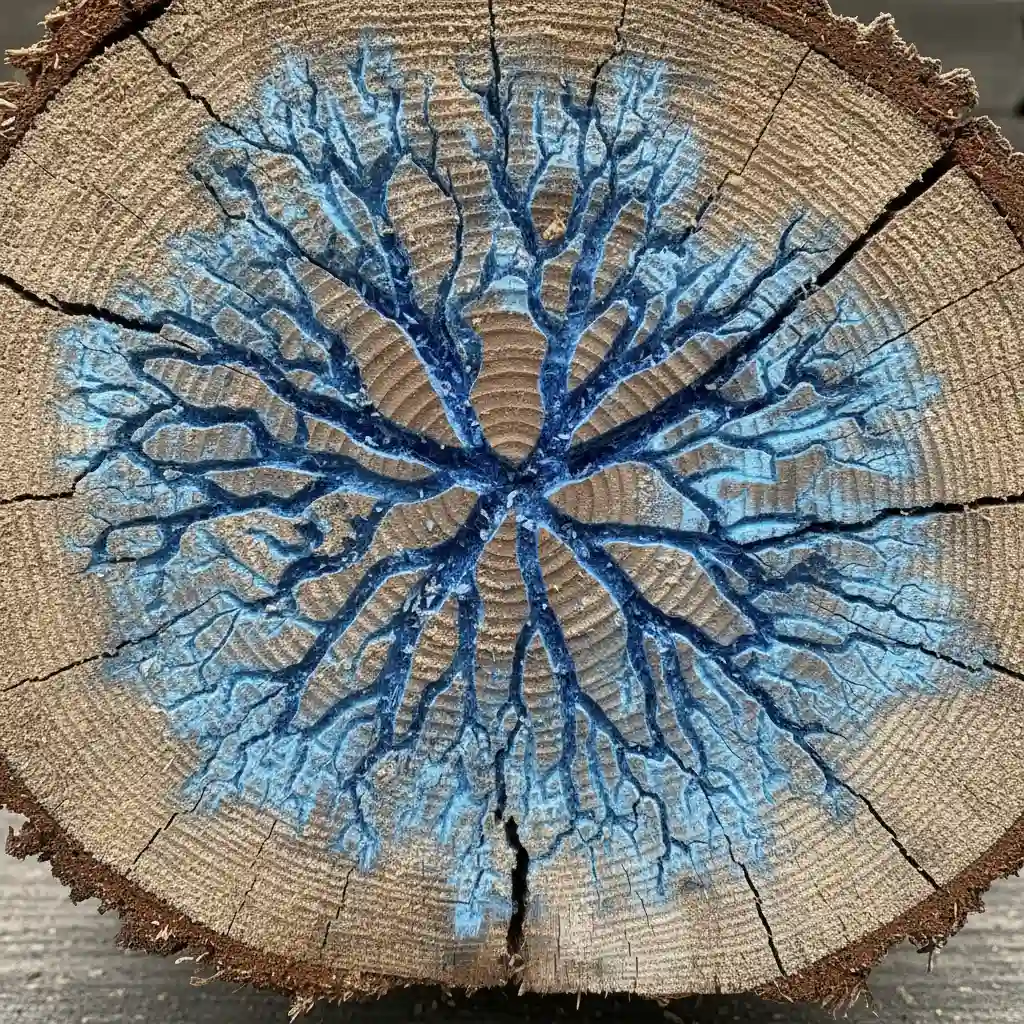
Saving Structural Timber from Replacement
The primary value proposition of borer injection treatment is economic. Replacing structural timber in an existing home is an incredibly expensive and disruptive undertaking. It often involves lifting floors, removing wall linings, and propping up the roof structure.
The Cost-Benefit Analysis:
- Replacement: To replace a borer-riddled bearer or joist, you might spend thousands of dollars on labor, materials, and re-finishing. If the timber is part of a heritage feature, finding a match is difficult and costly.
- Injection Treatment: Injection treatment costs a fraction of replacement. By arresting the decay and killing the larvae, the remaining structural integrity of the timber is preserved.
It is important to note that injection stops the active destruction. It does not reverse damage that has already occurred. However, timber has a high safety factor; a beam can often lose 20-30% of its mass and still perform its structural function, provided the infestation is completely halted. Injection provides the certainty that the damage stops today.
Auckland’s Specific Borer Threats
Auckland’s humid climate and high concentration of older wooden housing stock create a paradise for wood-boring beetles. Understanding the enemy is crucial for effective treatment.
Common House Borer (Anobium punctatum)
This is the most frequent culprit. It attacks sapwood of softwoods (like Pine) and some hardwoods. The flight holes are small (1-2mm). While surface sprays work on unsealed wood, injection is necessary for floorboards that have been polished, as the polish acts as a barrier to sprays.
Two-Tooth Longhorn Borer (Ambeodontus tristis)
This is the “silent destroyer.” It prefers heartwood and can attack Rimu and Matai. The holes are larger (3-4mm) and oval. The larvae can live inside the wood for up to 11 years before emerging. Because they reside deep in the timber, surface spraying is almost useless. Injection is the only reliable method for controlling Two-Tooth Borer in structural timbers.
Warranty on Injection Services
When investing in borer injection treatment, the warranty is your assurance of quality. Reputable Auckland pest control companies should offer a substantial warranty on injection services, typically ranging from 5 to 10 years.
This warranty is possible because the chemicals used are residual. They bind to the wood fibers and remain active for years. If a larva hatches three years from now and eats the treated wood, it dies.
What to look for in a warranty:
- Continuous Protection: The guarantee should cover re-treatment if fresh flight holes appear within the warranty period.
- Transferability: If you sell your home, a transferable warranty adds value to the property, assuring the new owners that the timber is protected.
- Certification: Ensure the company provides a certificate of treatment. This is often required by banks or insurance companies when purchasing older homes with identified borer issues.
Why Professional Application is Critical
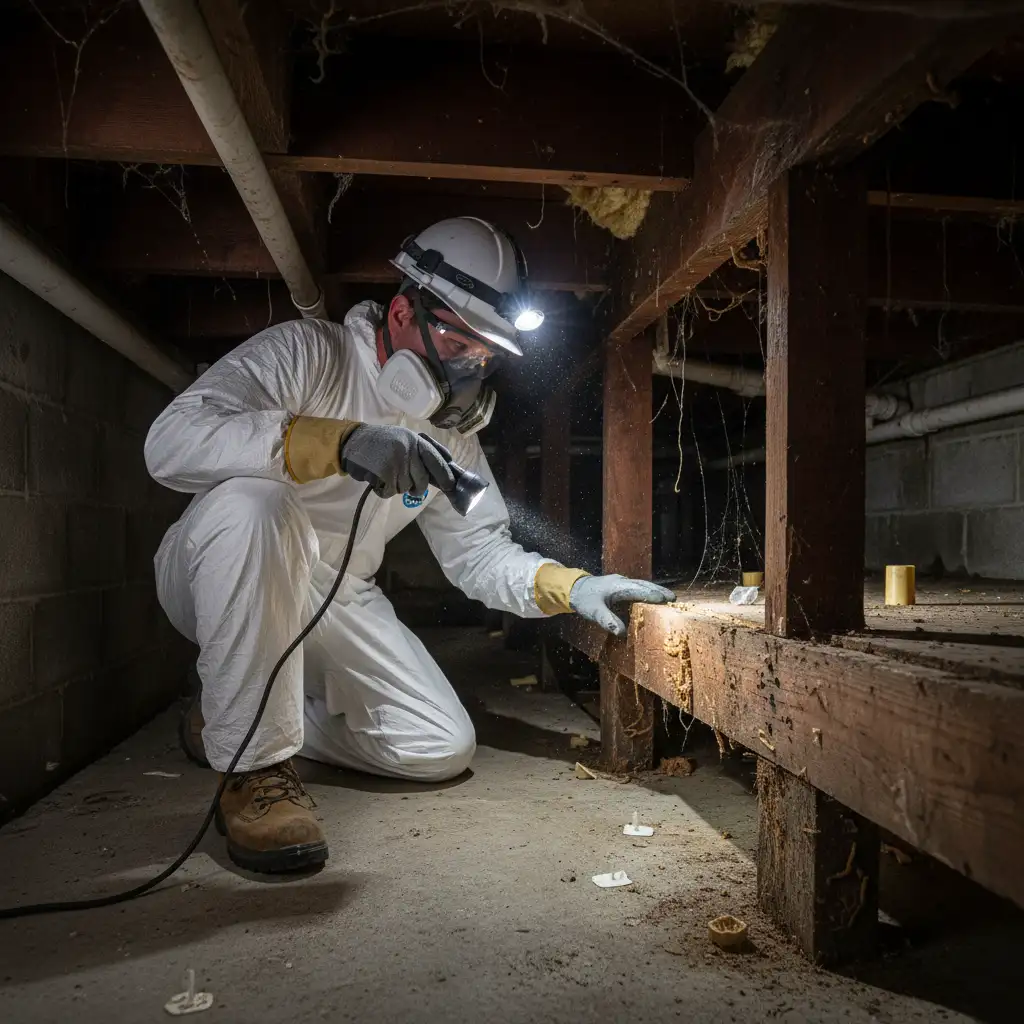
While hardware stores sell DIY borer injection fluids, professional application is strongly recommended for several reasons. First, the commercial-grade solvents used by professionals have a higher penetration rate than consumer-grade products. Second, the equipment used by professionals maintains a consistent pressure that ensures the fluid reaches the deepest parts of the galleries without damaging the surface wood.
Furthermore, handling these chemicals requires adherence to safety protocols. The Environmental Protection Authority (EPA) regulates the use of pesticides in New Zealand, and professional technicians are trained to apply these substances in a way that is safe for the occupants and pets of the home. Professionals also have the expertise to distinguish between active infestations and historic flight holes, ensuring that time and money are not wasted treating inactive areas.
People Also Ask (FAQs)
How long does borer injection treatment last?
Borer injection treatments are highly durable. Because the insecticide is injected deep into the wood and protected from UV light and weathering, the residual protection typically lasts for at least 10 years, often longer depending on the environmental conditions within the home.
Can I stay in my house during borer injection treatment?
Generally, you will need to vacate the specific area being treated during the application and for a few hours afterward to allow the solvents to evaporate and the area to ventilate. However, unlike gas fumigation, you usually do not need to leave the property overnight.
Does borer injection kill the eggs?
Injection treatment primarily targets the larvae and adult beetles. While it may not penetrate every single egg laid in cracks, the residual chemical remains in the wood. When the larvae hatch and begin to bore into the wood, they ingest the toxin and die immediately.
Is injection treatment more expensive than spraying?
Yes, injection treatment is more labor-intensive and time-consuming than surface spraying, making it more expensive. However, it is a targeted curative treatment for severe or inaccessible infestations where spraying would be ineffective, offering a higher long-term value.
How do I know if the borer is active?
Signs of active borer include fresh, light-colored flight holes (exit holes) appearing in the timber, and the presence of ‘frass’ (fine, dust-like powder) beneath the holes. If the holes are dark and clogged with paint or grime, they are likely historic and inactive.
Does borer injection smell?
There is usually a chemical solvent smell immediately following the treatment. This odor dissipates as the solvent evaporates. Professional-grade fluids are formulated to minimize lingering odors, and proper ventilation accelerates this process.