When addressing rodent infestations in New Zealand households with furry companions, the term “pet safe rat poison NZ” often leads to confusion. True “pet safe” rat poison is a misnomer; all rodenticides carry a degree of risk. Pet-safe rodent control, therefore, focuses on responsible application, exclusion, and alternative methods to protect pets while effectively managing pests.
Understanding the Risks of Traditional Rodenticides
Rodent infestations pose significant health and structural risks to homes and businesses across New Zealand. While eradicating these pests is crucial, the methods employed, particularly the use of rodenticides, introduce a serious hazard to pets. Traditional rat and mouse poisons are designed to be highly palatable to rodents, but this palatability also makes them attractive to curious cats and dogs, leading to accidental ingestion and potentially fatal consequences.
The most common active ingredients in rodenticides available in New Zealand include anticoagulants (e.g., brodifacoum, bromadiolone, diphacinone), bromethalin, and cholecalciferol. Each acts differently, but all are highly toxic to non-target animals, including pets. Anticoagulants prevent blood clotting, leading to internal bleeding. Bromethalin causes brain swelling, while cholecalciferol elevates calcium levels, leading to organ damage. Understanding these mechanisms highlights why direct ingestion by pets (primary poisoning) is incredibly dangerous.
Primary and Secondary Poisoning Explained
Beyond direct ingestion, a critical concern, particularly for predators and scavengers like cats and dogs, is secondary poisoning. This occurs when a pet preys on or scavenges a rodent that has consumed rodenticide. Even if the rodent itself hasn’t died yet, the poison is already active within its system. When a pet ingests this poisoned rodent, they absorb the toxins, often in concentrations high enough to cause severe illness or death. This risk is amplified because a single poisoned rodent can carry enough toxin to affect a pet, and pets may consume multiple such prey.
For instance, an animal that ingests an anticoagulant rodenticide might appear fine for several days as the poison slowly takes effect. A pet that consumes this rodent during the latent period could still be severely affected. This delayed action makes it challenging to link symptoms back to a specific incident, complicating diagnosis and treatment. In New Zealand’s varied environments, from urban Auckland backyards to rural properties, pets frequently encounter rodents, making secondary poisoning a pervasive threat that pet owners must actively mitigate.
Symptoms of rodenticide poisoning in pets vary depending on the type of poison, but common signs include lethargy, weakness, bruising, nosebleeds, internal bleeding (indicated by pale gums), difficulty breathing, seizures, tremors, and loss of appetite. Immediate veterinary attention is paramount for any suspected poisoning.
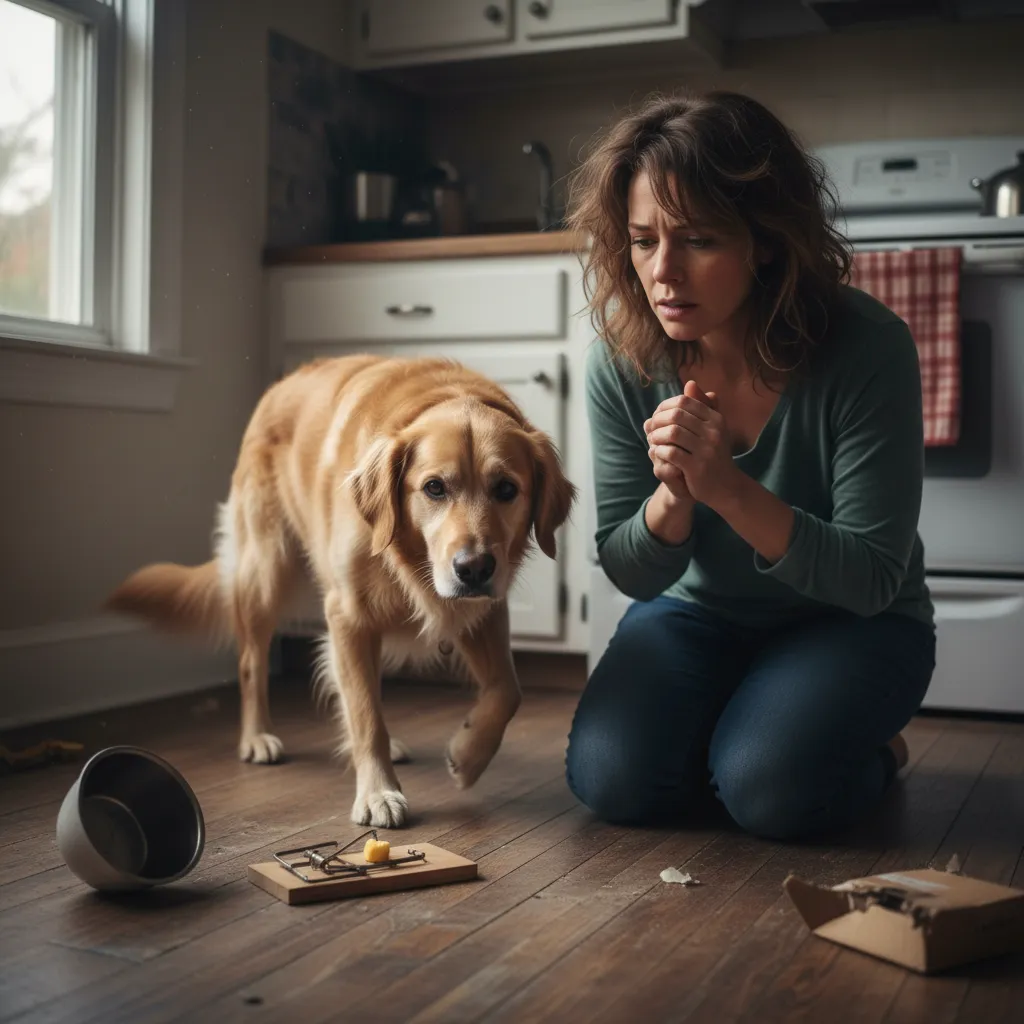
Navigating “Pet Safe Rat Poison” in NZ
The term “pet safe rat poison” can be misleading. In reality, no rodenticide is entirely harmless to pets. Instead, the focus in New Zealand is on “pet-responsible” or “pet-deterrent” rodent control. This means choosing products and application methods that minimise the risk of exposure to non-target animals, rather than relying on an inherently safe chemical. NZ regulations, such as those governed by the Environmental Protection Authority (EPA), oversee the registration and use of pesticides, including rodenticides, to ensure they are used responsibly and with appropriate precautions.
When considering products, it’s essential to understand that some active ingredients might be marketed as ‘less toxic’ than others. For example, some non-anticoagulant rodenticides might have a lower acute toxicity, but they are by no means risk-free. Furthermore, the bait formulation itself can be a hazard. Grains, seeds, or sweet attractants can make bait irresistible to pets. Always read product labels thoroughly, paying close attention to active ingredients, warning labels, and instructions for safe use and disposal. Reputable suppliers in New Zealand will provide comprehensive information on their products’ risks and safe handling.
Using Lockable Bait Stations Effectively
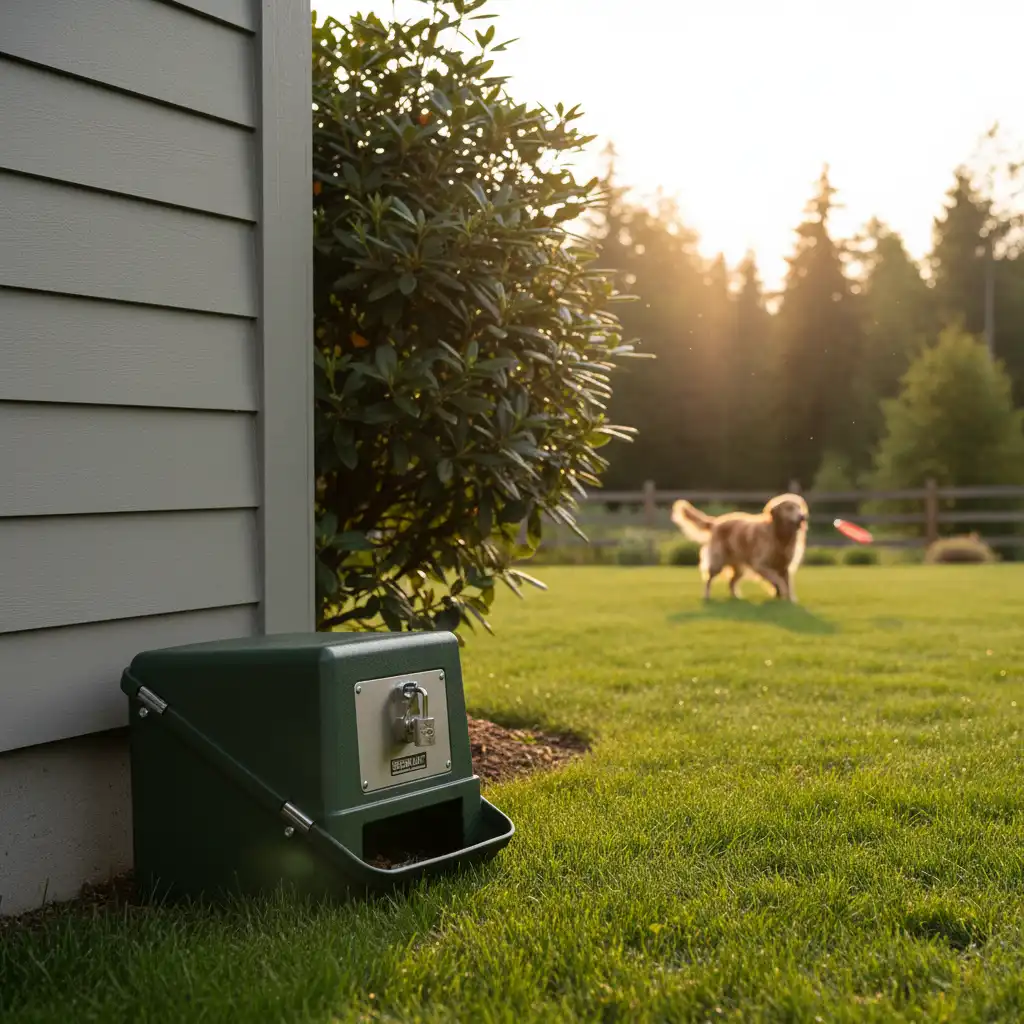
One of the most effective strategies for enhancing pet safety when using rodenticides is the employment of lockable bait stations. These stations are specifically designed to restrict access to bait by pets and children while allowing rodents to enter and consume the poison. In New Zealand, a wide range of robust, tamper-resistant bait stations are available, constructed from durable plastics or metals, making them difficult for pets to open or chew through.
Proper placement is critical. Bait stations should be positioned in areas where rodent activity is evident but are inaccessible to pets. This includes hidden spots like behind appliances, inside crawl spaces, under decks, or secured to fences away from pet roaming areas. The stations should be anchored to prevent pets from moving or overturning them. Regular monitoring of bait stations is also essential to ensure they remain intact, functional, and that bait is replenished as needed, or removed once the infestation is under control. This systematic approach significantly reduces the chance of accidental pet exposure while providing an effective means of rodent eradication. For rural properties, larger bait stations may be required for stoats and ferrets as well as rats and mice.
Exploring Non-Toxic and Alternative Rodent Control Methods
For ultimate pet safety, especially in high-risk environments or for owners who prefer to avoid chemical agents altogether, non-toxic and alternative rodent control methods are paramount. These strategies focus on prevention, physical removal, and exclusion, effectively eliminating rodents without introducing any risk of chemical poisoning to pets.
Non-Toxic Trapping Alternatives
Trapping offers a direct and often humane alternative to poisons. There are several types of traps available in New Zealand:
- Snap Traps: Traditional snap traps are highly effective. To ensure pet safety, they must be placed inside secure, pet-proof bait stations or in areas completely inaccessible to pets, such as attics, false ceilings, or behind heavy furniture. Always check traps regularly and dispose of captured rodents promptly and hygienically.
- Live Traps (Cage Traps): These traps capture rodents alive, allowing for their release away from your property. While humane, they require careful handling of the live animal and release far enough away to prevent their return. Always wear gloves and consider local regulations regarding the release of pests.
- Electronic Traps: These devices deliver a high-voltage shock to kill rodents quickly and humanely. Many electronic traps are designed with safety features that prevent access to the electrodes by pets and children, making them a safer alternative when used as directed. They are also easy to clean and reuse.
- Glue Traps: While effective, glue traps are often considered inhumane due to the suffering they cause. They also pose a direct entanglement risk to curious pets, who can get stuck themselves. For these reasons, many pest control experts and pet owners discourage their use, and they are restricted in some areas.
Regardless of the trap type, strategic placement in high-traffic rodent areas, away from pet access, is key to success and safety.
Exclusion and Sanitation: The Best Long-Term Solution
The most enduring and genuinely pet-safe method of rodent control is prevention through exclusion and sanitation. By denying rodents entry to your home and removing their food and water sources, you can drastically reduce the likelihood of an infestation without any need for toxic chemicals.
- Sealing Entry Points: Rodents can squeeze through incredibly small gaps. Inspect your property thoroughly for cracks in foundations, gaps around pipes, unsealed vents, damaged screens, and ill-fitting doors or windows. Seal these with rodent-proof materials like steel wool, hardware cloth, cement, or metal flashing. Pay particular attention to utility entry points.
- Food Source Removal: Store all human and pet food in airtight, rodent-proof containers. Clean up food spills immediately. Keep pet food bowls clean and don’t leave pet food out overnight. Secure rubbish bins with tight-fitting lids and empty them frequently. Compost bins should also be rodent-proofed.
- Water Source Elimination: Fix leaky taps and pipes, and ensure there’s no standing water around your property. Even small puddles can be a water source for rodents.
- Clutter Reduction: Clear away clutter both inside and outside your home. Piles of firewood, overgrown vegetation, and stacked boxes provide ideal harborage for rodents. Maintaining a tidy environment reduces attractive nesting sites.
Implementing these comprehensive exclusion and sanitation practices creates an inhospitable environment for rodents, making your home a less appealing target and eliminating the need for hazardous baits.
Emergency Protocol: What to Do If a Pet Eats Bait
Despite best efforts to implement pet-safe rodent control, accidents can happen. If you suspect or know that your pet has ingested rodent bait, immediate and decisive action is critical. Time is often of the essence, especially with fast-acting poisons.
First and foremost, do not panic. Your calm response will help you think clearly. The absolute first step is to contact your veterinarian or an emergency veterinary clinic in Auckland immediately. Do not wait for symptoms to appear, as some poisons have a delayed effect. Provide as much information as possible: the type of bait ingested (if known), the active ingredient, the approximate amount consumed, and your pet’s weight and any observed symptoms. If possible, bring the original bait packaging with you to the vet. This packaging contains crucial information about the poison’s active ingredients and antidote, which will guide the veterinarian’s treatment plan.
Unless specifically instructed by a veterinarian, do not attempt to induce vomiting. In some cases, inducing vomiting can do more harm than good, especially if the pet has ingested a caustic substance or if they are already showing neurological symptoms. Follow your vet’s advice precisely. They may instruct you to bring your pet in for emergency treatment, which could include inducing vomiting under controlled conditions, administering activated charcoal to absorb toxins, or providing specific antidotes (e.g., Vitamin K1 for anticoagulant rodenticides) and supportive care.
Even if your pet appears well after ingestion, a veterinary check-up is still highly recommended. Some poisons, particularly anticoagulants, can take days to manifest symptoms, and early intervention significantly improves the prognosis. Being prepared with contact numbers for your vet and an after-hours emergency clinic is a vital part of responsible pet ownership, especially when dealing with potential household hazards like rodenticides. For more information on pet poisoning, resources like the ASPCA Animal Poison Control Center (while US-based, offers general advice) or your local New Zealand veterinary association website can provide valuable guidance.
Professional Pest Control: The Ultimate Pet-Safe Solution
For many homeowners and businesses in Auckland, the most effective and truly pet-safe approach to rodent control is enlisting the help of professional pest control services. Experienced pest control technicians possess the knowledge, tools, and expertise to manage rodent infestations safely and efficiently, significantly reducing risks to pets and other non-target animals.
Professionals employ an Integrated Pest Management (IPM) approach. This holistic strategy prioritises inspection, identification, exclusion, and non-chemical methods before resorting to chemical treatments. When rodenticides are deemed necessary, professionals are trained in their responsible and strategic application. They understand the nuances of different bait types, the importance of secure bait stations, and optimal placement to target rodents while keeping them inaccessible to pets, children, and wildlife. They will often use commercial-grade, tamper-proof bait stations that are much more robust than those available to the public, further enhancing safety.
Furthermore, professional pest control services offer ongoing monitoring and follow-up, ensuring the effectiveness of their treatments and adapting strategies as needed. They can also provide expert advice on preventative measures, such as identifying and sealing potential entry points around your property, which is a cornerstone of long-term rodent control. Engaging a reputable pest control company like those operating in Auckland provides peace of mind, knowing that your rodent problem is being handled by experts who prioritise the safety of your pets and family while delivering lasting results. Their adherence to EPA New Zealand guidelines ensures compliant and responsible practices.
Conclusion
Achieving effective rodent control while safeguarding our cherished pets requires a thoughtful, multi-faceted approach. The notion of “pet safe rat poison” is misleading, underscoring the critical need for vigilance and responsible methods. By understanding the risks of primary and secondary poisoning, meticulously utilising secure bait stations, and embracing non-toxic alternatives like traps, exclusion, and sanitation, pet owners in New Zealand can create a healthier, safer environment. In cases of suspected ingestion, immediate veterinary intervention is non-negotiable. Ultimately, partnering with professional pest control experts offers the most comprehensive and secure solution, ensuring both pest eradication and the complete protection of our beloved companions.
People Also Ask
What is the safest rat poison for pets in NZ?
No rat poison is entirely safe for pets. “Pet safe” in NZ refers to methods and products designed to reduce risk through secure bait stations and careful placement, or by using non-toxic alternatives like traps and exclusion methods.
How do I get rid of rats without harming my cat or dog in Auckland?
Focus on exclusion (sealing entry points), sanitation (removing food/water sources), and pet-safe trapping methods like snap traps within secure bait stations, electronic traps, or live traps. Professional pest control offers the most comprehensive pet-safe solutions.
What are the signs of rat bait poisoning in dogs or cats?
Symptoms vary by poison but can include lethargy, weakness, pale gums, internal bleeding (nosebleeds, blood in urine/faeces), bruising, difficulty breathing, seizures, tremors, and loss of appetite. Seek veterinary care immediately if you suspect poisoning.
Are there any natural rodent repellents that are safe for pets?
While some natural repellents like peppermint oil are often cited, their effectiveness against established rodent infestations is generally unproven and unreliable. For genuine pet safety, focus on physical barriers (exclusion) and trapping rather than relying on unverified natural deterrents.
What should I do if my pet eats rat poison in New Zealand?
Immediately contact your veterinarian or an emergency vet clinic. Do not induce vomiting unless specifically instructed. Bring the bait packaging with you if possible. Time is critical for effective treatment.
Can professional pest control be truly pet-safe in Auckland?
Yes, professional pest control services in Auckland can be truly pet-safe. They use an Integrated Pest Management (IPM) approach, prioritise non-chemical methods, and, if poisons are necessary, use tamper-proof bait stations and strategic placement inaccessible to pets, complying with NZ regulations.