What is a White Tail Spider in Auckland?
A white tail spider in Auckland is a venomous, wandering spider characterized by its dark grey or black body and a distinct white spot at the tip of its abdomen. They are common household pests in New Zealand that hunt other spiders and can deliver a painful bite.
Origins and Habitat of the White Tail Spider
The white tail spider is not originally native to New Zealand, having been accidentally introduced from Australia in the late 19th century. Since their arrival, they have successfully established themselves across the country, particularly thriving in the temperate and humid climate of Auckland. These arachnids belong to the Lamponidae family, with two primary species found in New Zealand: Lampona cylindrata and Lampona murina. Both species share similar physical traits and behavioral patterns, making them indistinguishable to the untrained eye.
Unlike many other common household spiders, white tails do not spin webs to catch their prey. Instead, they are active, nocturnal hunters that wander in search of food during the night. Their primary diet consists entirely of other spiders, with the common grey house spider being one of their favorite meals. Because of this specific diet, white tail spiders are naturally drawn to areas where other spiders have already established their webs.
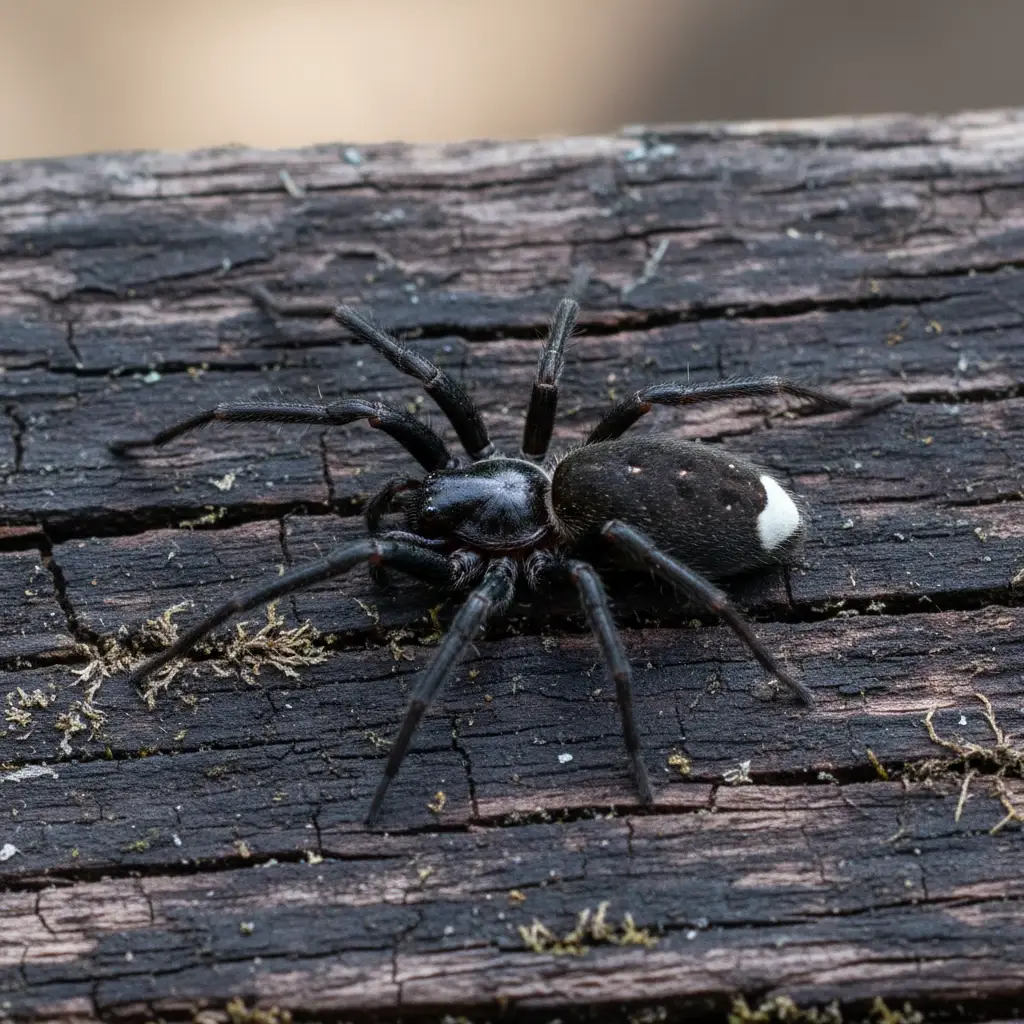
In their natural outdoor environment, these spiders are typically found hiding beneath the loose bark of trees, under rocks, or within deep layers of leaf litter. However, the urban environment of Auckland provides them with an abundance of artificial habitats that perfectly mimic their natural preferences. As the weather cools down during autumn, or during periods of heavy rain, they frequently migrate indoors to seek shelter and warmth. Once inside, they prefer dark, undisturbed areas that provide adequate cover during daylight hours.
White tail spiders frequently hide in piles of clothing left on the floor, between bed sheets, inside shoes, and behind curtains. Always shake out clothing and footwear before putting them on to avoid accidental bites.
Understanding their habitat preferences is crucial for effective pest management in your home. Because they are transient hunters, you will rarely find a white tail spider in the exact same spot two days in a row. They constantly roam through wall voids, roof cavities, and sub-floor areas looking for their next meal. This wandering nature is exactly why they so often come into accidental contact with humans, leading to unexpected bites.
How to Identify a White Tail Spider?
Accurate identification is the first step in managing any potential pest threat in your home. A white tail spider is relatively easy to distinguish from other common New Zealand arachnids once you know what specific features to look for. Adult white tails typically measure between 12 to 18 millimeters in body length, with females generally being slightly larger and more robust than the males. Including their leg span, they can appear quite intimidating, often reaching the size of a fifty-cent coin.
The most distinctive feature, and the source of their common name, is the prominent, pale-white or cream-colored spot located at the very tip of their abdomen. The overall body shape is uniquely elongated and cylindrical, often described as resembling a cigar. Their body coloration ranges from dark grey to a deep, reddish-black, and they possess a slightly glossy or leathery appearance on their cephalothorax (the front section of the body).
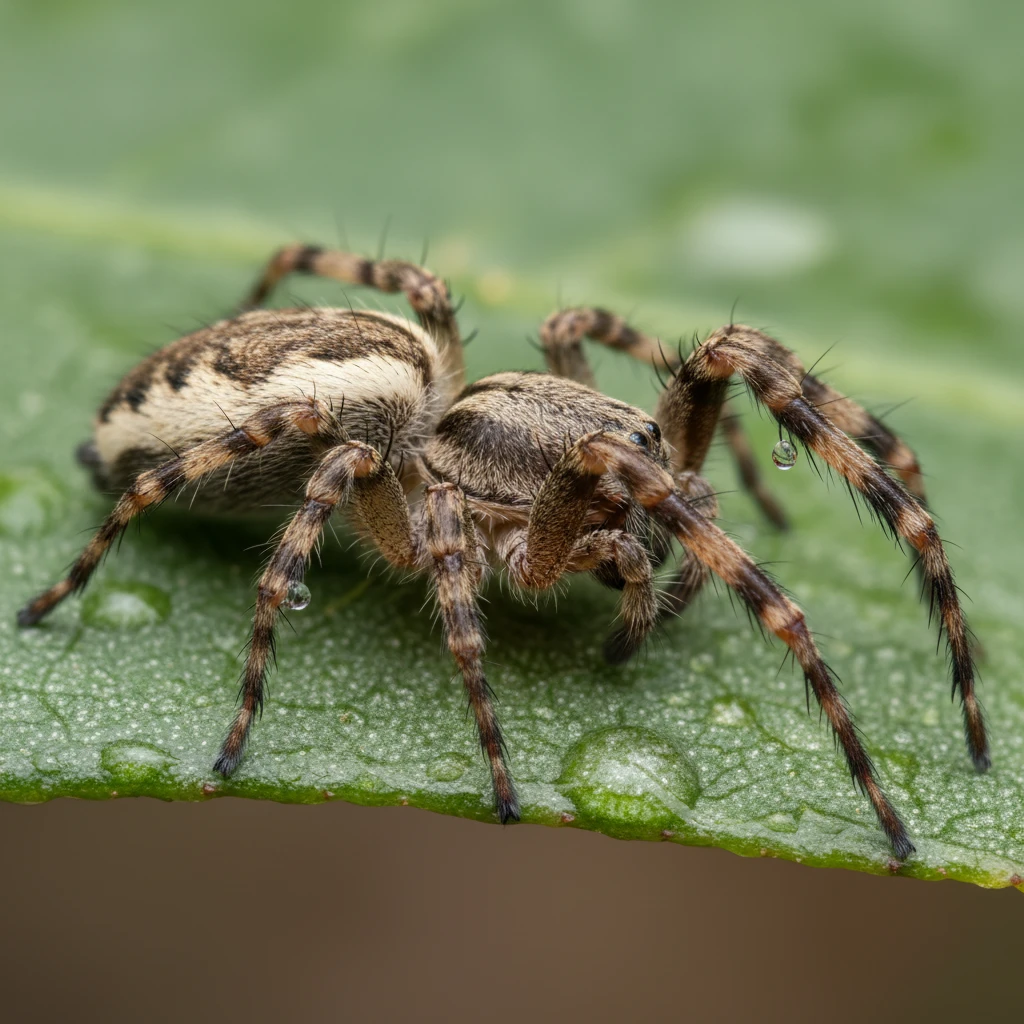
Juvenile white tail spiders look slightly different from fully mature adults, which can sometimes cause confusion. Young spiders often have striped or banded legs, and they may display two pairs of faint white spots along their abdomen in addition to the prominent white tip. As the spider matures and molts, these extra spots and leg bands gradually fade away, leaving the solid dark body and single white tip characteristic of the adult.
- Body Shape: Distinctly elongated and cylindrical, resembling a cigar.
- Coloration: Dark grey, brownish, or black with a slightly glossy front section.
- Defining Mark: A clear white or cream patch at the very end of the abdomen.
- Legs: Stout and relatively short compared to their body length, pointing forward and backward.
It is common for homeowners in Auckland to mistake other species for the white tail spider. The black house spider and the vagrant spider are frequently misidentified due to their dark coloration and similar size. However, neither of these species possesses the signature white tip on the abdomen. Proper identification ensures you can take the appropriate precautions and apply the correct pest control measures.
| Feature | White Tail Spider | Black House Spider | Daddy Long Legs |
|---|---|---|---|
| Web Building | No (Wandering Hunter) | Yes (Messy, funnel-like webs) | Yes (Thin, tangled webs) |
| Body Shape | Elongated, cigar-shaped | Chunky, robust | Small body, extremely long legs |
| Distinct Markings | White spot on abdomen tip | Mottled grey/black patterns | None |
What are the Symptoms of a White Tail Spider Bite?
A white tail spider bite typically presents with immediate, sharp pain similar to a bee sting, followed by localized swelling, redness, and an itchy sensation around the puncture site. While the bite is certainly uncomfortable and can cause distress, it is rarely considered a severe medical emergency for a healthy adult. Most bites occur defensively when the spider is accidentally trapped against the skin, such as when putting on clothes or rolling over in bed.
For decades, a pervasive myth has circulated throughout New Zealand and Australia claiming that white tail spider venom causes necrotic arachnidism—a condition where the flesh surrounding the bite rots and dies. Extensive medical research and toxicological studies have thoroughly debunked this myth. The venom of a white tail spider simply does not contain the necessary compounds to cause tissue necrosis or flesh-eating ulcers.

When severe skin ulcerations do occur following a suspected spider bite, they are almost always the result of a secondary bacterial infection, rather than the venom itself. If the bite site is scratched with dirty fingernails, bacteria can easily enter the open wound. This is why proper first aid and wound hygiene are the most critical steps to take immediately after being bitten by any spider.
Seek immediate medical attention if the bite site becomes increasingly red, hot to the touch, or begins to ooze pus. Additionally, call emergency services if the victim experiences difficulty breathing, facial swelling, or dizziness, as these are signs of a severe allergic reaction.
If you or a family member are bitten by a white tail spider, the first aid response should be prompt and straightforward. First, try to safely capture or photograph the spider if possible, as this will help medical professionals confirm the species if complications arise. Next, wash the bitten area thoroughly with mild soap and warm water to remove any surface bacteria and reduce the risk of secondary infection.
- Apply an ice pack wrapped in a clean cloth directly to the bite site to reduce swelling and numb the pain.
- Elevate the bitten limb if possible to further minimize localized swelling.
- Take over-the-counter pain relief medication, such as paracetamol or ibuprofen, to manage discomfort.
- Use antihistamine creams or tablets to alleviate severe itching and prevent the urge to scratch.
Most symptoms will naturally resolve within a few days to a week without any long-term effects. However, it is important to monitor the bite site daily. Keep the area clean, dry, and covered with a sterile bandage if necessary. If the pain persists beyond a few days or the redness expands significantly, a visit to a healthcare provider or a local Auckland medical center is highly recommended.
When to Call Pest Control for Spiders in Auckland?
You should call pest control for spiders in Auckland when you notice a recurring presence of white tail spiders inside your home, or if you have a high population of web-building spiders that serve as their primary food source. Because white tails are wandering hunters, spotting multiple individuals indicates a larger underlying pest ecosystem that requires professional management to safely eradicate.
While seeing a single white tail spider might just be an isolated incident of a wanderer finding its way indoors, frequent sightings suggest they have found a reliable food source within your walls. Professional pest control technicians in Auckland are trained to look beyond the immediate spider sighting. They will conduct a comprehensive inspection of your property to identify the webs of grey house spiders and daddy long legs, which are attracting the white tails in the first place.

DIY spider control methods, such as standard aerosol bug sprays, are often ineffective against white tail spiders. Because they do not build webs, they do not spend time sitting in one place where a localized spray might linger. Furthermore, they are highly mobile and can easily retreat deep into inaccessible wall cavities or sub-floors when disturbed. Professional exterminators utilize specialized residual insecticides that are strategically applied to the specific pathways and entry points these spiders use.
White tail spiders love hiding in dark, undisturbed clutter. Regularly clear away piles of clothing from bedroom floors, organize storage cupboards, and remove excess cardboard boxes from your garage to eliminate their preferred nesting grounds.
A comprehensive professional spider treatment typically involves treating both the interior and exterior of the property. Technicians will apply residual surface sprays to skirting boards, window frames, and doorways inside the home. Externally, they will target the eaves, gutters, weep holes, and the base of the foundation. They may also use insecticidal dusts in the roof void and sub-floor areas, ensuring that the spiders’ hidden breeding grounds are fully neutralized.
Beyond chemical treatments, your pest control expert will provide valuable advice on environmental modifications to make your home less inviting to arachnids. This integrated pest management approach ensures long-term results rather than just a temporary fix. By addressing the root cause of the infestation—usually an abundance of prey insects and accessible entry points—you can keep your Auckland home spider-free year-round.
Take action this weekend by installing weather stripping around exterior doors and repairing any torn window screens. Seal cracks in your foundation and ensure that vents are covered with fine mesh to physically block spiders from entering.
Frequently Asked Questions
Verified Sources & References
-
Ministry of Health NZ – Spider Bites
The official New Zealand government health portal providing accurate, medically reviewed information on spider bites, including debunking the necrosis myth surrounding white tail spiders.
-
Manaaki Whenua Landcare Research – White-tailed spider
A highly authoritative New Zealand Crown Research Institute offering detailed scientific data on the biology, habitat, and behavioral traits of the white tail spider.
-
Te Papa Tongarewa – Spiders of New Zealand
New Zealand’s national museum provides comprehensive and educational resources regarding the identification and history of arachnids introduced to the country.

