Imagine walking into your pristine North Shore office on a Monday morning, ready to close a major deal, only to find a trail of ants marching across the boardroom table. It is a scenario that plays out more often than business owners care to admit, especially in Auckland’s coastal and humid climate. Pests are not just a nuisance; they are a direct threat to your company’s reputation, employee morale, and bottom line.
In fact, workplace studies indicate that 67% of employees report a significant drop in job satisfaction when forced to work in a pest-infested environment. For commercial property managers and business owners across the North Shore, proactive pest control is no longer optional. It has become a critical component of standard facility maintenance and risk management.
From the bustling corporate hubs of Takapuna to the industrial parks of Albany and Rosedale, office buildings present unique challenges for pest management. With shared kitchens, multiple entry points, and constant foot traffic, offices are virtually magnets for unwanted intruders. Effective management requires a targeted, professional approach.
Professional Office Pest Control Services
When dealing with a commercial space, DIY pest control solutions simply do not cut it. Over-the-counter sprays might offer a temporary fix, but they fail to address the root cause of the infestation. Professional office pest control services provide a systematic approach to identifying, treating, and preventing pest activity.
Experts understand the specific behavioral patterns of pests common to the North Shore area. They utilize commercial-grade products and advanced baiting systems that are far more effective than consumer alternatives. Furthermore, professionals ensure that all treatments comply strictly with local health and safety regulations.
Implement quarterly pest control audits to catch early signs of infestations before they disrupt your business operations.
Maintaining a Healthy Work Environment
The health and safety of your staff should always be the top priority for any facility manager. Pests like rodents and cockroaches are notorious carriers of harmful pathogens, including Salmonella and E. coli. When these pests infiltrate breakrooms or air conditioning vents, they compromise the entire office’s hygiene.
Under WorkSafe New Zealand guidelines, employers have a legal obligation to provide a safe and healthy work environment. Ignoring a pest problem can lead to severe health consequences, including asthma flare-ups and allergic reactions triggered by pest droppings. Professional pest control eliminates these biological hazards efficiently and safely.
By investing in regular pest management, you actively protect your workforce from illness. This proactive approach reduces sick days and demonstrates to your team that their well-being is highly valued. Ultimately, a clean, pest-free office is the foundation of a productive and energetic workday.
Minimizing Employee Disruption
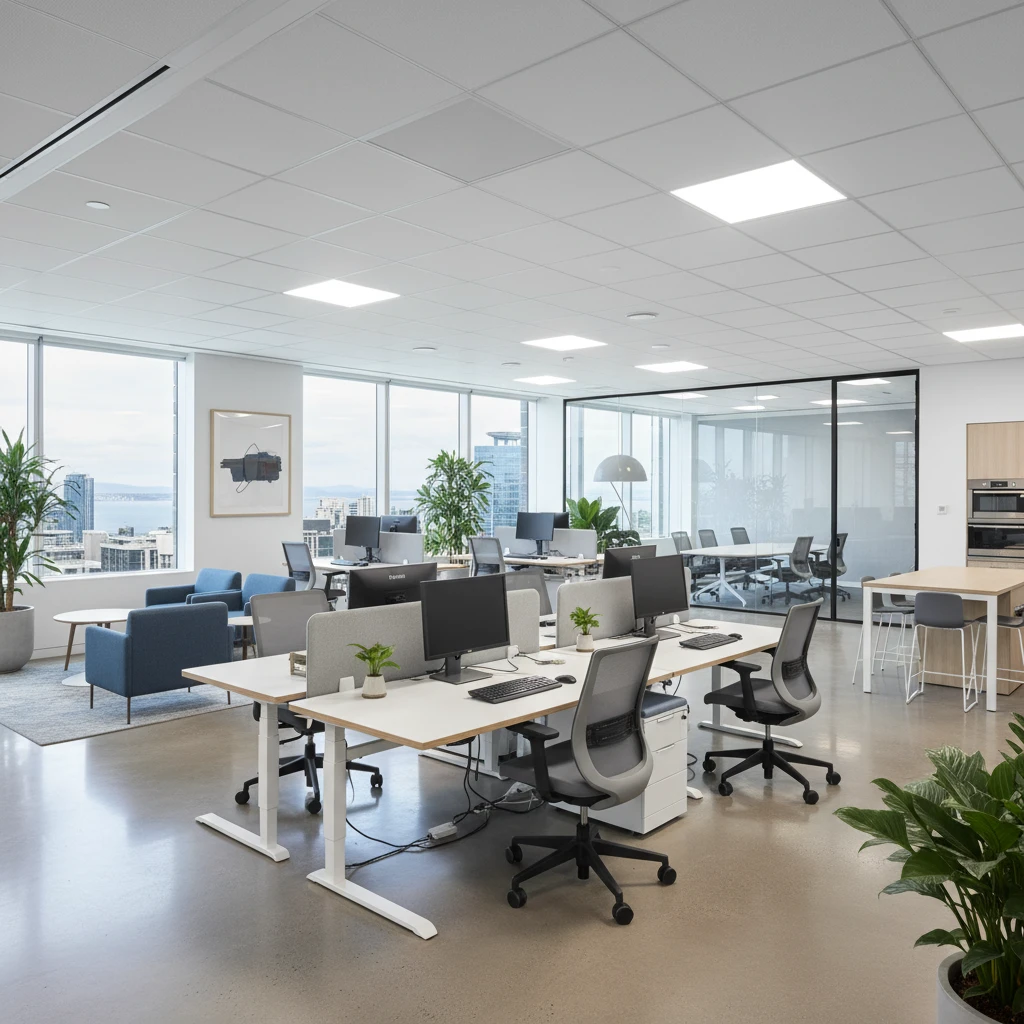
Nothing derails a productive afternoon quite like a rat darting across the office floor or a cockroach emerging from a keyboard. The psychological impact of pests in the workplace is profound, leading to distraction, anxiety, and a breakdown in focus. Employees cannot perform at their best if they are constantly worried about creepy crawlies.
Professional pest control minimizes this disruption through discreet and highly targeted treatments. Technicians can identify harborage areas without needing to tear apart office furniture or displace workers. The goal is to eradicate the problem invisibly, allowing your business operations to continue smoothly.
Furthermore, professional exterminators use low-odor and non-toxic treatments whenever possible. This means your staff will not be subjected to harsh chemical smells that often accompany DIY pest sprays. The result is a seamless eradication process that keeps your team focused on their actual jobs.
Target Pests in Office Buildings
Office buildings offer the perfect trifecta for pests: reliable food, water, and shelter. Unlike residential homes, commercial buildings have complex structures like drop ceilings, elevator shafts, and expansive HVAC systems. These architectural features provide endless hiding spots and superhighways for pests to travel between floors.
Pests rarely stay in one place. They frequently use plumbing chases and utility risers to migrate from a ground-floor cafeteria to top-floor executive suites.
On the North Shore, specific pests are more prevalent due to the surrounding coastal environment and lush native bush. Understanding what you are up against is the first step in effective pest management. Let us look at the most common culprits that invade commercial spaces.
Ants in Breakrooms
Ants are arguably the most persistent and frustrating pests found in office environments. They are relentlessly drawn to the sugary spills, discarded wrappers, and microwave splatters commonly found in staff breakrooms. Even a single drop of spilled coffee can attract a scouting ant, which then leaves a pheromone trail for thousands of others.
Once a colony establishes a route into your office, they can be incredibly difficult to eliminate. They often nest inside wall voids or beneath the foundation, making surface sprays entirely ineffective. Professional treatments involve using slow-acting baits that worker ants carry back to the nest, effectively destroying the colony from the inside out.

To support these treatments, staff must be educated on proper sanitation. Wiping down counters, sealing food in airtight containers, and emptying the rubbish bins daily are essential preventative measures. Combining professional baiting with strict hygiene protocols is the only way to keep breakrooms ant-free.
Spiders and Silverfish
While ants dominate the kitchen, spiders and silverfish prefer the quiet, undisturbed areas of your office. Storage closets, archives, and basement parking garages are prime real estate for these pests. Silverfish, in particular, feed on the starches found in paper, book bindings, and cardboard boxes.
If your business relies on physical document storage, a silverfish infestation can cause irreversible damage to critical legal and financial records.
Spiders build unsightly webs in corners and around window frames, giving your office an unkempt and unprofessional appearance. While most native New Zealand spiders are harmless, their presence is still unsettling to staff and visiting clients. Routine professional inspections can identify and eliminate these quiet invaders before they multiply.
Technicians will apply targeted residual treatments to baseboards and storage areas to combat these pests. Keeping archive rooms well-ventilated and reducing cardboard clutter will also naturally deter silverfish and spiders. Switching to plastic storage bins is a highly recommended long-term solution.
Integrated Pest Management (IPM) for Offices
Modern commercial pest control has evolved far beyond simply spraying chemicals on baseboards. Today, the gold standard is Integrated Pest Management (IPM). IPM is a comprehensive, science-based approach that focuses on long-term prevention rather than reactive, short-term fixes.
IPM combines biological, cultural, physical, and chemical tools to minimize economic, health, and environmental risks. In a commercial office setting, this means identifying exactly why pests are entering the building in the first place. Technicians will look for structural vulnerabilities, such as gaps under doors or unsealed pipe penetrations.
By addressing these root causes, IPM drastically reduces the need for widespread pesticide application. This is particularly important in office environments where indoor air quality is a major concern. Studies have demonstrated that implementing IPM in commercial buildings can reduce indoor rodent activity by a staggering 75%.
| Feature | Integrated Pest Management (IPM) | Traditional Pest Control |
|---|---|---|
| Primary Focus | Long-term prevention and root cause analysis | Short-term eradication of visible pests |
| Chemical Usage | Minimal, targeted application of low-toxicity baits | Heavy, routine application of broad-spectrum sprays |
| Environmental Impact | Very low, highly sustainable and eco-friendly | High, potential risks to indoor air quality |
| Long-Term Cost | Highly cost-effective due to reduced recurrence | Expensive due to constant need for re-treatment |
The IPM process is highly structured and requires a collaborative effort between the pest control provider and facility management. It typically follows a strict, multi-step cycle designed to outsmart pests at every turn. Here is how a professional IPM program is executed in an office setting:
- Comprehensive Inspection: Technicians thoroughly examine the premises, focusing on hidden areas like drop ceilings, utility rooms, and behind kitchen appliances.
- Accurate Pest Identification: Determining the exact species of ant, rodent, or cockroach is critical, as different species require entirely different baiting and trapping strategies.
- Structural Exclusion: Sealing entry points such as cracks in the foundation, gaps around window frames, and poorly sealed plumbing penetrations to physically block pests.
- Sanitation Recommendations: Partnering with your commercial cleaning staff to eliminate food and water sources that sustain pest populations.
- Targeted Treatment: Applying low-toxicity baits, gels, and traps strictly to areas where pests harbor, minimizing chemical exposure to office workers.
- Ongoing Monitoring: Installing discreet monitoring stations to track pest activity over time, allowing for swift adjustments to the strategy before a new infestation takes hold.
By placing monitoring stations in high-risk areas, technicians can detect pest activity long before it becomes a full-blown infestation. This proactive stance is what makes IPM the most cost-effective strategy for North Shore businesses. It protects both your assets and your people.
Flexible Scheduling Options
One of the primary concerns business owners have about pest control is the potential disruption to their daily operations. Closing down an office for a day to allow for extermination services results in massive losses in productivity. Fortunately, top-tier pest control providers understand the intense demands of the corporate world.

Professional pest control companies on the North Shore offer highly flexible scheduling options. Services can be arranged for after-hours, weekends, or early mornings before your staff arrives. This ensures that the treatment process is completely invisible to your employees and clients.
Schedule comprehensive pest treatments for Friday evenings. This allows ample time for any targeted sprays to dry completely before staff return on Monday morning.
By the time your team returns to work, the treatments have dried, and the office is perfectly safe and pest-free. This level of discretion is vital for maintaining a professional image. You get the peace of mind knowing your building is protected without sacrificing a single hour of business operations.
Get a Free Office Pest Assessment
Do not wait for a minor pest sighting to turn into a major operational crisis. Early intervention is the absolute key to protecting your commercial property, your employees, and your brand reputation. If you suspect pest activity in your North Shore office, it is time to take decisive action.
Reputable pest control experts offer comprehensive, obligation-free site assessments. During this assessment, a qualified technician will evaluate your property, identify potential risk factors, and outline a customized Integrated Pest Management plan. They will provide a transparent breakdown of costs and recommended treatment schedules.

Take the first step toward a healthier, more productive workspace today. Contact a local North Shore commercial pest control specialist to book your free assessment. Safeguard your business environment and ensure your office remains a place of focus, not a haven for pests.
People Also Ask
Verified Sources & References
-
Environmental Protection Agency (EPA) – Integrated Pest Management
The EPA provides foundational guidelines and statistical backing for the efficacy of Integrated Pest Management (IPM) in commercial and public buildings.
-
WorkSafe New Zealand
New Zealand’s primary workplace health and safety regulator, outlining the legal responsibilities of employers to maintain safe, hygienic, and pest-free environments.
-
National Pest Management Association (NPMA)
A highly credible global authority that compiles industry statistics and sets professional standards for commercial pest management practices.

