Pest control Manukau rats refers to the specialized eradication and management services designed to combat severe rodent infestations across South Auckland’s diverse residential and industrial sectors. To effectively control rat populations in suburbs like Papatoetoe and Wiri, professional exterminators employ Integrated Pest Management (IPM), a systematic approach that combines thorough site inspections, strategic baiting, and physical exclusion methods to ensure long-term protection.
The Unique Rodent Challenges in Manukau
Manukau is the beating heart of South Auckland, characterized by a unique geographical and infrastructural layout that unfortunately creates an ideal breeding ground for pests. Unlike other parts of the Auckland region, Manukau presents a hybrid environment where dense residential suburbs sit side-by-side with massive industrial estates, logistics hubs, and food processing plants.
The convergence of these zones means that rodent populations have ample access to shelter, water, and food sources. The heavy industrial presence in areas like Wiri and East Tamaki provides vast warehousing spaces where rats can nest undisturbed in pallets and racking systems. Conversely, the residential density in Manurewa and Mangere offers warmth and food waste, particularly during the colder winter months when rodents migrate indoors.
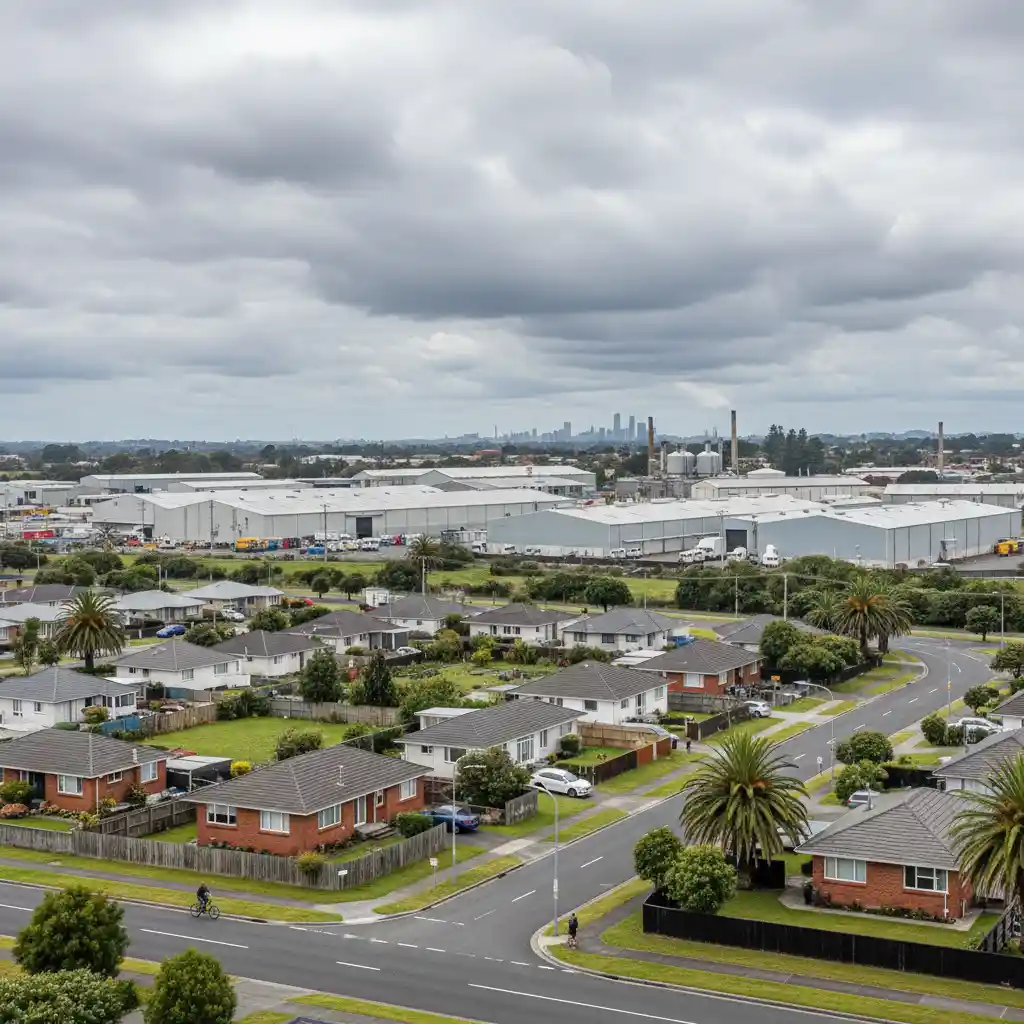
Furthermore, the extensive stormwater networks and proximity to the Manukau Harbour create natural corridors for the Norway Rat (Rattus norvegicus) to travel between properties. Understanding this local topography is essential for effective pest control Manukau rats strategies. A generic approach often fails here; the solution requires deep knowledge of how rodents navigate the specific infrastructure of South Auckland.
Identifying a Rat Infestation in South Auckland
Early detection is the single most critical factor in preventing a minor nuisance from becoming a full-blown infestation. Rats are neophobic (afraid of new things) but highly adaptable, meaning they are experts at staying hidden until their numbers swell.
Visual Indicators
The most obvious sign is the presence of droppings. Rat droppings are typically 12mm to 18mm long with blunt ends (Norway rat) or pointed ends (Roof rat). You may find these behind appliances, in the attic, or near food sources. In dusty areas of a garage or warehouse, you might also see tail drags or footprints.
Auditory Signs
In the quiet of the night, scratching, scurrying, or gnawing sounds coming from the ceiling voids or wall cavities are telltale signs of Roof Rats (Rattus rattus). These agile climbers prefer high spaces, making the classic single-story bungalows of Papatoetoe prime targets for attic infestations.
Physical Damage
Rats possess incisors that never stop growing, compelling them to gnaw continuously to file them down. This results in chewed electrical wiring (a major fire hazard), damaged insulation, and gnaw marks on wooden structural beams. If you notice unexplained holes in skirting boards or food packaging that has been torn open, immediate action is required.
Residential Rodent Control: Papatoetoe, Manurewa, and Beyond
Homeowners in South Auckland face distinct challenges depending on their specific suburb and housing type. Effective residential pest control requires a tailored approach that prioritizes safety for families and pets while ensuring lethal efficiency against rodents.
Tailored Strategies for Suburbs
In older suburbs like Papatoetoe and Otara, many homes are built on piles with accessible sub-floors. These dark, damp areas are perfect nesting grounds for Norway rats. Treatment here often involves securing the sub-floor perimeter and placing tamper-resistant bait stations in the crawl space.
In Manurewa and Mangere, where density is higher, rodents often traverse fences and power lines to move from house to house. Here, the focus shifts to “Roof Rat” strategies, which include baiting ceiling cavities and trimming back vegetation that touches the roofline. Community spread is common; treating one house often requires a perimeter defense to stop neighbors’ pests from migrating to your property.
Pet-Safe Solutions
A primary concern for families is the safety of cats, dogs, and children. Professional pest control providers in Manukau utilize lockable, tamper-proof bait stations that prevent non-target access. Additionally, modern rodenticides are formulated to be highly palatable to rats but contain bittering agents that discourage consumption by humans or pets.
Commercial Rodent Plans for Warehouses and Industry
Manukau is a logistics powerhouse. For businesses operating in Wiri, East Tamaki, and the Airport Oaks precinct, a zero-tolerance policy for rodents is not just a preference—it is a regulatory requirement. A single sighting can lead to failed audits, contaminated stock, and severe reputational damage.
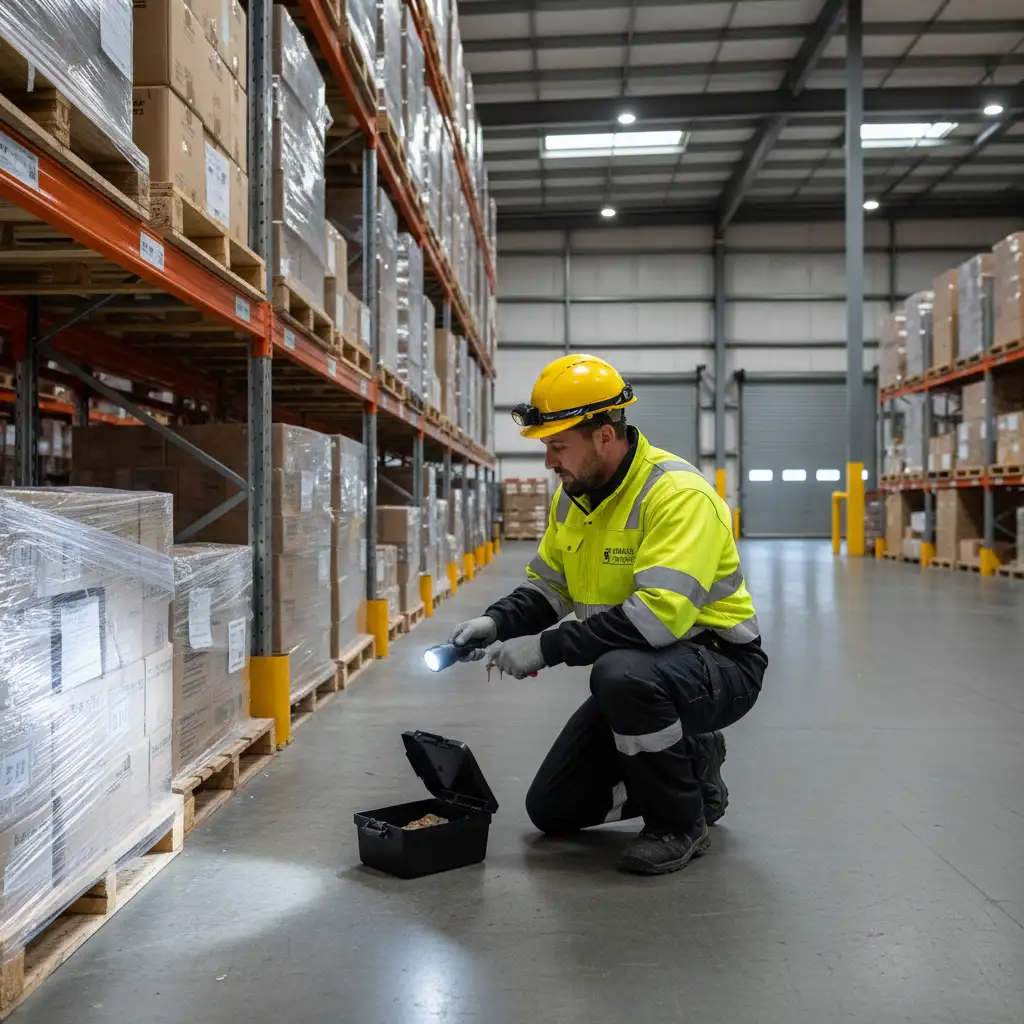
Audit Compliance (HACCP and MPI)
- Detailed Site Mapping: Numbered bait stations marked on a site plan.
- Trend Analysis: Digital reporting that tracks activity levels over time to identify hotspots.
- Non-Toxic Monitoring: Using sensor-based traps or non-toxic baits in sensitive areas to detect activity without introducing chemicals near products.
External Perimeter Defense
The best way to handle a commercial infestation is to stop it at the boundary. Industrial estates in Manukau are often surrounded by open fields or waterways. A robust commercial plan establishes a “defense ring” of heavy-duty bait stations along the property fence line, intercepting migrating rats before they reach the building envelope.
The Health Risks of Rodents in New Zealand
While often viewed as a nuisance, rats pose a genuine biological threat. In the context of New Zealand, and specifically the humid, dense environment of Auckland, rodents are vectors for several serious diseases.
According to the New Zealand Ministry of Health, rodents are significant carriers of Leptospirosis. This bacterial infection can be transmitted to humans through contact with soil or water contaminated by rat urine—a common occurrence in floods or damp backyards in South Auckland. Symptoms can range from flu-like illness to severe kidney or liver failure.
Furthermore, rats carry Salmonella and Campylobacter, which can contaminate food preparation surfaces in homes and commercial kitchens. The accumulation of droppings can also trigger allergic reactions and asthma attacks, particularly in children living in older, less ventilated homes.
Emergency Rat Removal and Rapid Response
There are scenarios where a standard scheduled visit is insufficient. Finding a live rat in a bedroom, a kitchen, or a customer-facing area of a business constitutes an emergency. Emergency pest control Manukau rats services differ from standard maintenance in their intensity and immediacy.
Emergency protocols usually involve:
- Immediate Dispatch: Technicians are deployed within hours, not days.
- Knockdown Treatments: The use of fast-acting rodenticides or snap-traps to secure an immediate kill, rather than slow-acting anticoagulants.
- Root Cause Analysis: While the immediate threat is neutralized, the technician must instantly identify how the intruder entered to prevent a second occurrence the same night.
Integrated Pest Management (IPM) Strategies
Leading pest control firms in Auckland do not simply rely on poison. They utilize Integrated Pest Management (IPM). IPM is an ecosystem-based strategy that focuses on long-term prevention of pests or their damage through a combination of techniques.
Step 1: Inspection and Identification
Not all rats are the same. Norway rats are burrowers that live in the ground, while Roof rats are climbers. Misidentifying the species leads to ineffective trap placement. IPM begins with a forensic-style inspection of the property to determine the species and population size.
Step 2: Sanitation and Habitat Alteration
Rats need three things: food, water, and shelter. IPM involves consulting with the property owner to remove these attractants. This might involve securing rubbish bins, clearing overgrown weeds in the garden, or fixing leaking taps that provide a water source.
Step 3: Chemical and Physical Controls
This involves the strategic application of rodenticides in safe, enclosed stations, alongside mechanical traps. The goal is to reduce the population quickly while minimizing environmental impact. For more on safe chemical usage, the Environmental Protection Authority (EPA) provides guidelines on approved substances in New Zealand.
Prevention: Rodent Proofing Your Property
The only way to ensure a rat-free future is through exclusion, often called “rodent proofing.” Once the active population has been eliminated, the entry points must be sealed.
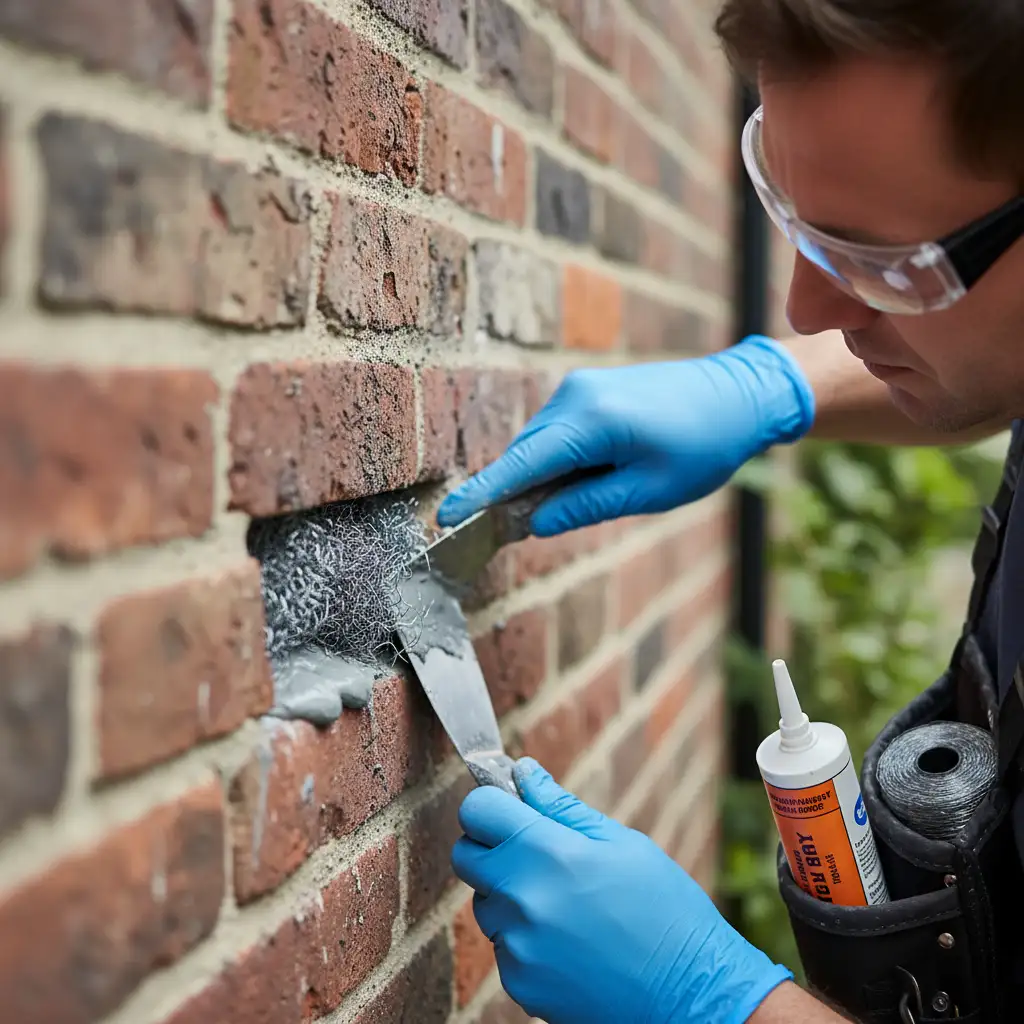
Common Entry Points in Manukau Homes
- Pipe Penetrations: Gaps around plumbing pipes under the sink or behind the dishwasher are highways for rats.
- Roof Eaves: Gaps between the fascia and the roof cladding allow Roof Rats to enter the ceiling.
- Garage Door Seals: If you can slide a pencil under your garage door, a mouse can get in. If you can slide a pen, a rat can enter.
Professional proofing involves using materials that rats cannot chew through, such as galvanized steel mesh, concrete, and heavy-gauge flashing. Expanding foam is generally insufficient, as rats can easily gnaw through it. By investing in physical proofing, residents in Manukau can break the cycle of infestation permanently.
People Also Ask
How much does pest control for rats cost in Manukau?
The cost varies based on the size of the property and the severity of the infestation. Generally, a standard residential rodent treatment in Manukau ranges between $180 and $350 NZD. Commercial contracts are quoted based on square footage and frequency of service.
How quickly can professional pest control get rid of rats?
While traps can catch rats immediately, a full eradication using baiting strategies typically takes 3 to 4 weeks. This allows time for the rodents to feed on the bait and for the entire colony to be affected.
Are the chemicals used safe for my pets and children?
Yes, professional exterminators use tamper-resistant bait stations that prevent pets and children from accessing the poison. Additionally, the baits contain bittering agents to deter accidental ingestion by non-target species.
Do you service commercial warehouses in Wiri and East Tamaki?
Yes, commercial pest control is a primary service in industrial hubs like Wiri. These services are often tailored for audit compliance (HACCP/MPI) and involve documentation and trend analysis.
What is the difference between Norway Rats and Roof Rats?
Norway Rats are larger, burrow in the ground, and are poor climbers. Roof Rats are smaller, sleeker, excellent climbers, and prefer nesting in attics, trees, and ceiling voids. Identification is crucial for effective treatment.
Why are rats such a big problem in South Auckland?
South Auckland combines dense residential housing with large industrial areas and significant waterways. This mix provides abundant food, shelter, and travel corridors, allowing rodent populations to thrive year-round.