Rat control in West Auckland is an essential service addressing a pervasive urban challenge. It involves comprehensive strategies, from thorough inspections to advanced treatment methods, tailored to the unique environmental factors of the region, including rapid urbanisation and specific rodent behaviours, ensuring the safety and hygiene of homes and businesses.
Understanding Rat Control in West Auckland’s Unique Environment
West Auckland, with its diverse landscape ranging from bustling urban centres like New Lynn and Henderson to more residential and semi-rural fringes, presents a unique set of challenges for effective rodent control. Rats, adaptable and resourceful creatures, thrive in environments that offer food, shelter, and water. Understanding their behaviour and the local environmental factors is the first step towards successful eradication and prevention.
The Growing Challenge of Rat Problems in West Auckland Suburbs
Suburbs across West Auckland, including Henderson, Massey, Glen Eden, Te Atatu Peninsula, and Ranui, are increasingly reporting issues with rat infestations. These problems are often exacerbated by factors intrinsic to urban living. Residential areas, with their gardens, waste disposal habits, and older housing stock, provide ample opportunities for rats to establish colonies. Food scraps, pet food left outdoors, compost bins, and even overflowing rubbish bins become irresistible food sources. Once established, rats can quickly multiply, turning a minor sighting into a significant infestation within weeks. Property owners often first notice droppings, gnaw marks on food packaging or structures, or scratching noises in walls and ceilings, particularly at night. These signs indicate an urgent need for professional intervention.
How Urban Development and Construction Impact Rodent Movement
West Auckland is experiencing significant growth and urban development, with new housing estates, commercial buildings, and infrastructure projects constantly underway. While beneficial for the region’s economy, this development inadvertently disrupts existing rodent habitats. As land is cleared and old structures are demolished, rat populations are displaced, forcing them to seek new shelters and food sources. This often leads to an influx of rodents into nearby residential and commercial properties that were previously unaffected. Construction sites themselves can become temporary havens, offering food scraps and undisturbed areas. This phenomenon necessitates a proactive approach to rat control, anticipating and mitigating these displacement effects before they escalate into widespread infestations. It’s crucial for residents near development zones to be particularly vigilant and consider preventative measures.
Common Rat Species in West Auckland and Their Habits
In West Auckland, two primary rat species are typically encountered: the Norway rat (Rattus norvegicus) and the Roof rat (Rattus rattus). Each has distinct habits that influence control strategies. The Norway rat, also known as the brown rat or sewer rat, is larger, prefers to live at ground level, and often burrows in soil, under foundations, or in drains. They are powerful swimmers and are commonly found in basements, sewers, and ground-floor areas. The Roof rat, or black rat, is smaller, agile, and an excellent climber. They prefer to nest in elevated areas such as attics, trees, wall voids, and overhead utility lines. Identifying the species is critical for effective control, as their preferred habitats and behaviours dictate the most appropriate trapping and baiting methods. Understanding their dietary preferences, breeding cycles, and nocturnal activity patterns further refines the strategic approach to eradication.
Health Risks and Property Damage Posed by Rodents
The presence of rats poses significant health risks and can cause extensive property damage. Rats are vectors for numerous diseases, including leptospirosis, salmonellosis, hantavirus, and rat-bite fever, which can be transmitted through their urine, faeces, bites, or by contaminating food and surfaces. Their droppings and urine can also trigger allergies and asthma attacks, particularly in susceptible individuals. Beyond health concerns, rats cause considerable structural damage. They constantly gnaw to keep their incisors trimmed, chewing through electrical wires (a fire hazard), PVC pipes, wooden beams, insulation, and even concrete. This damage can compromise structural integrity, lead to costly repairs, and create entry points for other pests. This is also why Pre-Purchase Borer Inspections are important. Protecting property and public health is a primary driver for professional rat control.

The Strategic Approach to Effective Rat Control
Effective rat control is not a one-size-fits-all solution; it requires a strategic, multi-faceted approach. A professional pest control service in West Auckland will always begin with a thorough assessment to understand the specific nature of the infestation before implementing targeted strategies for eradication and long-term prevention.
Comprehensive Inspection and Assessment
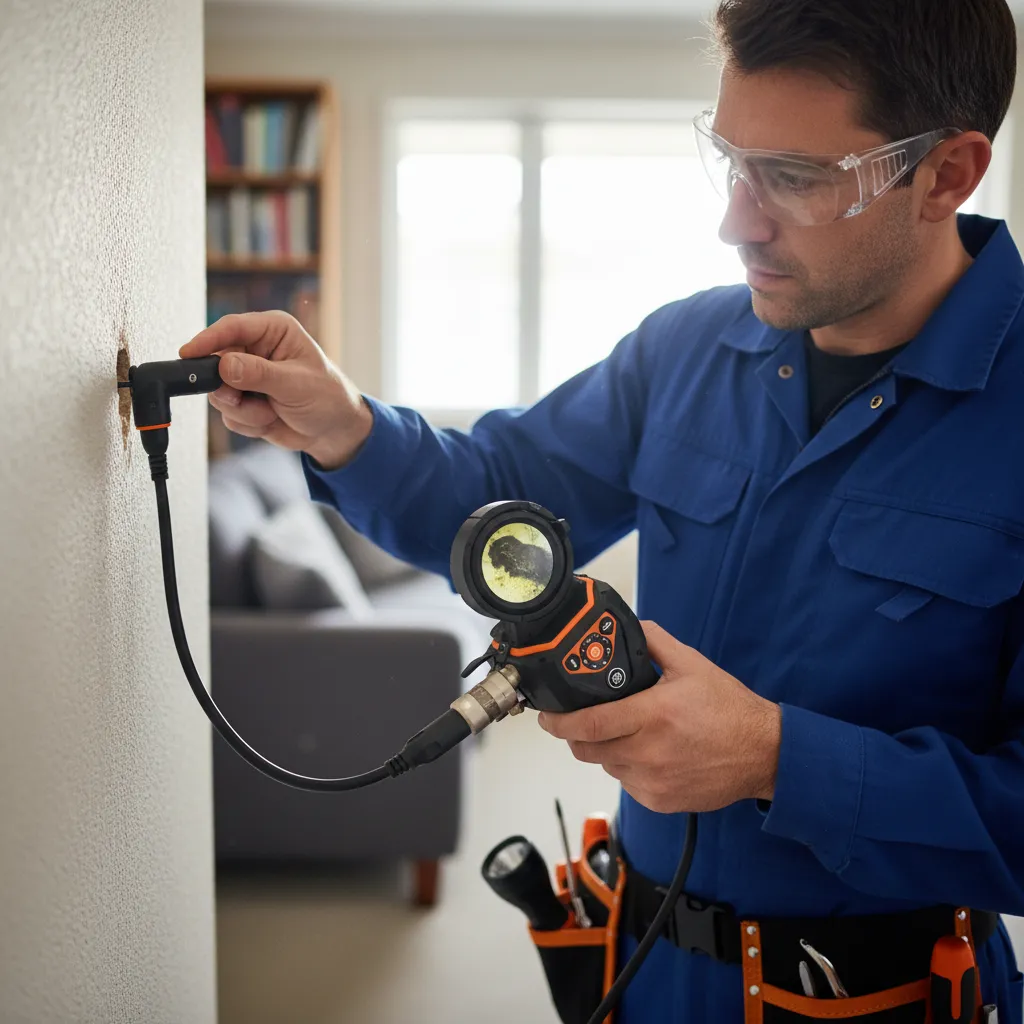
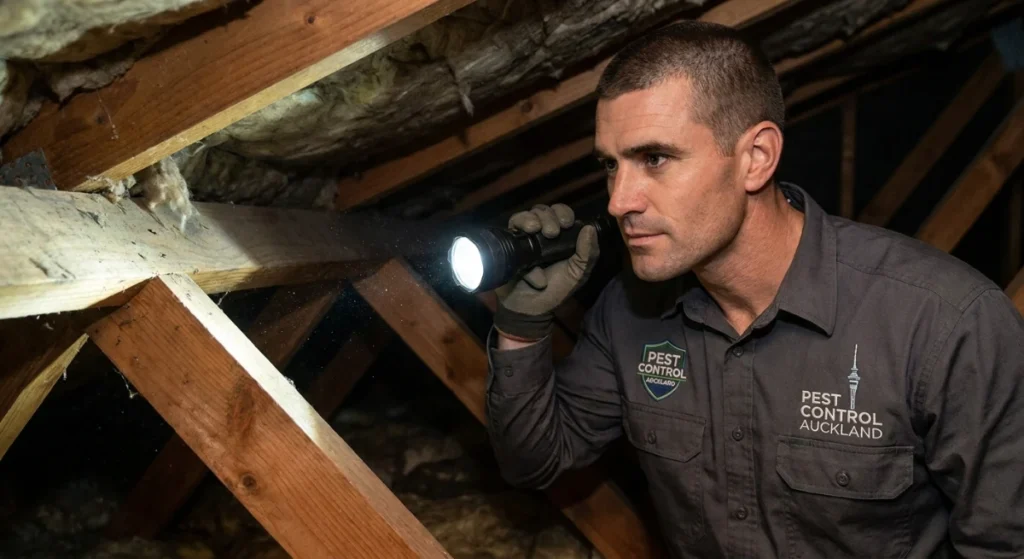
The cornerstone of effective rat control is a detailed, site-specific inspection. Our expert technicians meticulously examine your property, both interior and exterior, to identify signs of rat activity such as droppings, gnaw marks, rub marks along walls, burrows, and active nests. We focus on common entry points like cracks in foundations, gaps around utility lines, damaged vents, and open drains. Understanding the extent of the infestation, the species involved, and their primary entry and exit points allows us to tailor a precise and effective treatment plan. This initial assessment is crucial for developing a strategy that addresses the root cause of the problem, rather than merely treating the symptoms.
Integrated Pest Management (IPM) for Long-Term Solutions
Our approach to rat control is rooted in Integrated Pest Management (IPM) principles. IPM is an environmentally sensitive, common-sense approach to pest management that focuses on long-term prevention. It combines biological, cultural, physical, and chemical tools in a way that minimises economic, health, and environmental risks. For rats, this means not just setting traps or baits, but also advising on sanitation improvements, structural repairs (exclusion), and ongoing monitoring. This holistic method ensures that once rats are removed, the environment is less conducive to future infestations, providing a sustainable solution. This aligns with modern pest control practices advocated by organisations like the U.S. Environmental Protection Agency, emphasising prevention and minimal impact.
Safe and Humane Trapping Methods
Where appropriate, trapping is a highly effective method for rat control, particularly in sensitive environments like kitchens, children’s play areas, or businesses where bait use might be restricted. We utilise a range of modern, humane trapping devices designed for efficiency and safety. These can include snap traps, multi-catch traps, and live traps, chosen based on the situation and client preference. Trapping offers immediate results and allows for the safe removal of deceased rodents, eliminating the risk of odour or decomposition within inaccessible areas. Our technicians are skilled in strategic trap placement to maximise catch rates while ensuring safety for residents and pets.
Advanced Baiting Techniques and Safety Protocols
For more widespread or persistent infestations, targeted baiting can be a highly efficient solution. We employ advanced rodenticides, carefully selected for their effectiveness and safety profile, always contained within tamper-resistant bait stations. These stations are strategically placed in areas frequented by rats but inaccessible to children, pets, and non-target wildlife. Our trained technicians adhere to strict safety protocols, ensuring responsible use and minimising any potential risks. We regularly monitor bait consumption and replenish stations as needed, ensuring continuous pressure on the rat population until the infestation is fully controlled. Post-treatment, we also advise on retrieving any deceased rodents if they are accessible, to prevent secondary issues.
Exclusion and Proofing: Preventing Future Infestations
Exclusion, or rodent proofing, is a critical long-term strategy that complements active eradication. This involves identifying and sealing all potential entry points into your property. This can include repairing cracks in foundations, sealing gaps around pipes and wires, installing rodent-proof covers over vents, and ensuring doors and windows seal tightly. Our experts can provide detailed recommendations or even perform minor exclusion work to make your property less attractive and accessible to rats. By physically blocking their access, we create a barrier that prevents future infestations, saving you time, money, and stress in the long run. This preventative measure is often the most important step in achieving truly lasting rat control.
Why Choose Local, Fast, and Reliable Rat Control in West Auckland?
When facing a rat infestation, speed and local knowledge are paramount. Choosing a local West Auckland pest control service offers significant advantages over larger, more generalised companies, ensuring a more effective and responsive solution to your rodent problems.

The Benefits of Local Expertise in West Auckland’s Specific Conditions
A local West Auckland pest control provider possesses invaluable knowledge about the region’s specific environmental factors, common pest behaviours, and the unique challenges posed by urban development in areas like Henderson and New Lynn. We understand the local ecosystem, including the types of rats prevalent, their seasonal patterns, and the common entry points associated with West Auckland’s building styles. This intimate familiarity allows us to diagnose problems more accurately and implement highly targeted solutions that are proven to work effectively in our community. We’re not just applying generic treatments; we’re providing solutions finely tuned to your local conditions.
Rapid Response for Urgent Rat Infestations
Rat infestations can escalate quickly, posing immediate health risks and potential property damage. A local service can offer a rapid response, often providing same-day or next-day appointments to address urgent situations. Our proximity means less travel time and greater flexibility in scheduling, ensuring that your rat problem is dealt with promptly and efficiently. This quick action can significantly reduce the severity of an infestation and prevent it from spreading further, protecting your family, pets, and property from prolonged exposure to rodents and their associated hazards.
Tailored Solutions for Residential and Commercial Properties
Whether you’re a homeowner in Massey dealing with rats in the attic or a business owner in New Lynn facing a rodent issue in your commercial kitchen, our local experts provide tailored solutions. We understand that residential properties have different considerations (e.g., pet safety, children) than commercial establishments (e.g., regulatory compliance, operational disruption). Our services are customised to meet the specific needs and challenges of each client, ensuring effective rat control with minimal disruption. We work with you to develop a plan that is safe, effective, and fits your specific circumstances, offering discreet and professional service for all property types.
Beyond Rats: Combined Pest Control Packages for a Pest-Free West Auckland
While rat control is often a priority, a truly pest-free environment requires a broader perspective. Many homeowners and businesses in West Auckland find value in combined pest control packages that address multiple pest concerns simultaneously, offering a more comprehensive and cost-effective approach to pest management.
Addressing Other Common Pests (e.g., mice, cockroaches, ants)
Rats are often not the only pests to contend with. West Auckland properties frequently experience issues with other common invaders, including mice, cockroaches, ants, spiders, and even wasps or fleas. Mice, like rats, can cause damage and carry diseases, often preferring to inhabit wall voids and small inaccessible spaces. Cockroaches are notorious for spreading bacteria and triggering allergies. Ants can contaminate food and become a nuisance. Our combined pest packages are designed to identify and treat these concurrent pest problems, offering a holistic solution that targets all prevalent pests in your home or business. This integrated approach ensures thorough protection and peace of mind.
The Value of Bundled Pest Management Services
Opting for a bundled pest management service provides significant value. Instead of dealing with separate treatments for each pest issue as it arises, a comprehensive package offers a proactive and preventative approach. This often translates to cost savings compared to individual services, as well as greater convenience with fewer appointments and a single point of contact. Furthermore, by addressing multiple pests, you achieve a more consistently pest-free environment, reducing the overall stress and health risks associated with infestations. It’s an investment in the long-term hygiene and safety of your property, ensuring a comfortable living or working space.
Seasonal Pest Control Strategies
Pest activity often fluctuates with the seasons. For example, rodents and cockroaches might seek warmth indoors during colder months, while ants and spiders become more active in spring and summer. A combined pest control package can incorporate seasonal strategies, with treatments timed to target pests during their peak activity periods. This proactive scheduling helps to prevent infestations before they take hold, offering year-round protection. Our experts understand West Auckland’s climate and pest cycles, enabling us to implement a preventative maintenance plan that keeps your property shielded from a wide array of pests throughout the year, ensuring sustained effectiveness.
DIY vs. Professional Rat Control: When to Call the Experts
Many people initially try DIY methods when they suspect a rat problem. While some basic measures can be taken, understanding the limitations of DIY and the clear advantages of professional rat control is crucial for effective and lasting results.
Limitations of Home Remedies
Common DIY rat control methods often involve store-bought traps or baits, and various home remedies like peppermint oil or ultrasonic repellents. While these might offer temporary relief for a very minor infestation, they rarely provide a comprehensive or long-term solution. Rats are intelligent and quickly learn to avoid traps or baits if they are improperly placed or if the rodenticide isn’t potent enough. Furthermore, home remedies often only repel rats from one area, pushing them to another part of your property rather than eradicating the population. Without identifying and sealing all entry points, and without a deep understanding of rat behaviour, DIY efforts are usually a temporary fix that allows the infestation to grow, making professional intervention even more challenging later on. For serious infestations, professional help is almost always necessary to achieve full eradication.
The Safety and Effectiveness of Professional Services
Professional rat control services offer unparalleled safety and effectiveness. Trained technicians have access to industry-grade products and advanced techniques that are not available to the public. They are skilled in identifying the exact species of rat, locating hidden nests, and strategically deploying the most appropriate traps and baits in a safe manner, minimising risk to children, pets, and non-target wildlife. Moreover, professionals understand the importance of integrated pest management, combining eradication with exclusion and preventative measures to ensure a long-term solution. They can also safely and properly dispose of deceased rodents and contaminated materials. For peace of mind, guaranteed results, and the protection of your property and health, engaging a professional West Auckland rat control service is the most reliable choice. For more details on safe pest control practices, resources like the World Health Organization offer valuable insights into effective strategies.
Addressing a rat infestation in West Auckland requires diligence, expertise, and a tailored approach. By understanding the local environmental factors, employing strategic control methods, and choosing a local, responsive professional service, you can effectively protect your property and ensure a healthy, pest-free environment. Don’t let rats compromise your peace of mind; act swiftly and wisely for lasting results.
People Also Ask
How much does rat control cost in West Auckland?
The cost of rat control in West Auckland varies depending on the severity of the infestation, the size of the property, and the chosen treatment methods. A basic inspection and initial treatment might range from $150-$300, but comprehensive plans with multiple visits or extensive proofing can be higher. It’s best to get a customised quote after a professional assessment.
How long does it take to get rid of rats completely?
Completely eradicating rats typically takes 2-4 weeks, though severe infestations might require more time. The initial phase focuses on reducing the active population, followed by monitoring and preventative measures. Consistent follow-up and exclusion work are crucial for long-term success.
Are the rat control methods safe for pets and children?
Professional rat control services prioritise safety. We use tamper-resistant bait stations that keep rodenticides inaccessible to children and pets. Traps are strategically placed in secure locations. Our technicians will discuss all safety protocols and any necessary precautions during the initial assessment to ensure the well-being of your family and pets.
What are the signs of a rat infestation in my West Auckland home?
Common signs of a rat infestation include droppings (small, dark pellets), gnaw marks on food packaging, wires, or structures, scratching noises in walls or ceilings (especially at night), rub marks along skirting boards, and a musky odour. Sightings of live or dead rats are also clear indicators.
Can rats get into my roof space in West Auckland?
Yes, roof rats (Rattus rattus) are excellent climbers and commonly access roof spaces via trees, utility lines, gaps under eaves, and damaged fascias. Even Norway rats, typically ground dwellers, can climb if motivated. Roof spaces provide warmth, shelter, and nesting sites, making them a frequent target for rat infestations.
What can I do to prevent rats from returning after treatment?
To prevent rats from returning, focus on exclusion and sanitation. Seal all cracks and gaps in your home’s foundation, walls, and roof, especially around pipes and wires. Keep your property clean, store food in airtight containers, regularly empty bins, and keep gardens tidy by removing overgrown vegetation and food sources like fallen fruit. Professional proofing advice is also highly recommended.