Signs of cockroaches NZ homeowners should look for include small, pepper-like droppings in cupboards, smear marks on surfaces, discarded egg cases (oothecae), and a distinct, lingering musty odour. Additionally, spotting live insects during the day often indicates a severe infestation that requires immediate professional intervention.
Discovering a cockroach in your home is a distressing experience for any Auckland resident. These resilient pests are not only unsightly but also pose significant health risks and can damage property. While New Zealand’s temperate climate—particularly the humidity in Auckland—provides an ideal breeding ground for various cockroach species, early detection is your best defence against a full-blown infestation. By recognizing the subtle indicators of their presence, you can take swift action to protect your home and family.
1. Identifying Common NZ Cockroach Species
Before diving into the signs of infestation, it is crucial to understand which species are prevalent in New Zealand. Not all cockroaches behave the same way, and identifying the specific type can help determine the severity of the problem and the appropriate treatment method.
In New Zealand, the two most concerning species for homeowners are the German Cockroach and the American Cockroach, though the native Gisborne Cockroach is also frequently encountered.
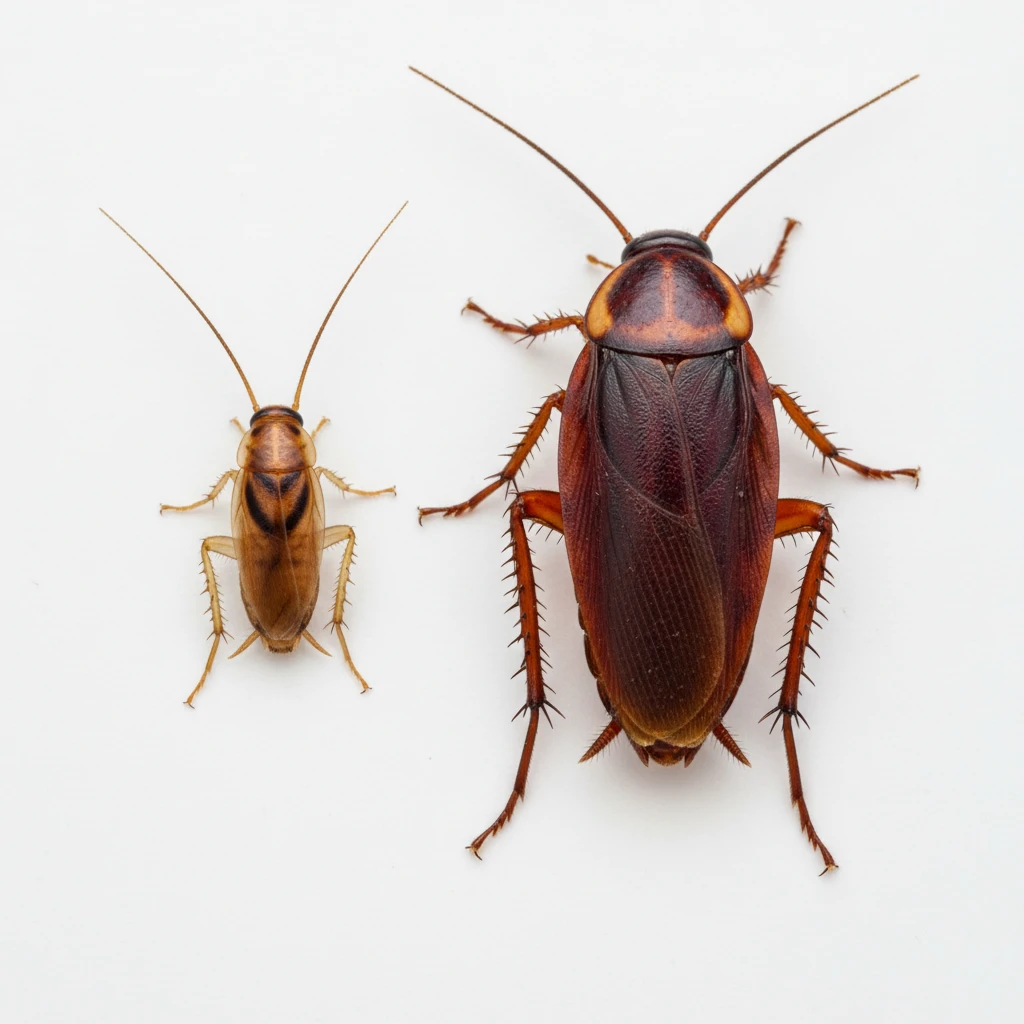
The German Cockroach (Blattella germanica)
These are the most common and troublesome indoor pests in New Zealand. Small (12–15mm) and light brown with two dark stripes on their thorax, they prefer warm, humid environments like kitchens and hot water cupboards. They breed rapidly, meaning a sighting of one often implies hundreds more hiding nearby.
The American Cockroach (Periplaneta americana)
Significantly larger (up to 40mm) and reddish-brown, these pests prefer dark, damp areas such as basements, drains, and sub-floors. They are less common in modern kitchens but can invade through plumbing and wall voids.
The Gisborne Cockroach (Drymaplaneta semivitta)
Often mistaken for a major pest, the Gisborne cockroach is an introduced species from Australia that prefers outdoors (wood chips and bark). However, they frequently wander indoors during extreme weather. While less unhygienic than German cockroaches, their presence can still be alarming.
2. Droppings and Smear Marks: The Silent Evidence
One of the most definitive signs of cockroaches NZ residents will encounter is their excrement. Cockroaches are indiscriminate eaters and, consequently, produce a significant amount of waste. Identifying these droppings is often the first step in confirming an infestation.
Identifying Cockroach Droppings
- Small Roaches (German): Their droppings resemble ground black pepper or coffee grounds. You will typically find these scattered in cabinet corners, drawer junctions, and along the tops of doors.
- Large Roaches (American/Gisborne): Their droppings are solid, cylindrical, and blunt-ended, often resembling mouse droppings but with ridges running along the sides.
Smear Marks
In areas with high humidity, such as Auckland laundries or bathroom vanities, cockroach droppings may liquefy. This results in dark, irregular smear marks on walls, skirting boards, and horizontal surfaces. These marks often look like dark ink stains and are notoriously difficult to clean without heavy-duty disinfectants.
3. Egg Cases (Oothecae): Signs of Breeding
If you find egg cases, known as oothecae, you are likely dealing with an established breeding population rather than a solitary intruder. The presence of these casings is a critical warning sign that the infestation is growing.
A German cockroach ootheca holds between 30 and 40 eggs. The female carries this capsule until just before the eggs hatch, at which point she deposits it in a secluded crevice. American cockroaches, conversely, tend to glue their egg cases to surfaces in hidden areas.
What to look for:
- Appearance: Small, purse-shaped capsules.
- Colour: Ranging from light brown to dark reddish-brown.
- Location: Check behind fridges, inside pantry cracks, under sinks, and amidst piles of paper or cardboard.
Finding hatched (empty) casings indicates that a new generation of pests is already active in your home, necessitating immediate pest control measures.
4. The Distinctive Musty Odour
Cockroaches communicate via pheromones—chemical signals released in their droppings and from their bodies. These pheromones serve to aggregate the population, telling other roaches that a location is safe and has food.
To the human nose, this scent is unpleasant and distinctive. It is often described as:
- Musty
- Oily
- Sickly sweet
In the early stages of an infestation, you might not notice the smell. However, as the population density increases, the odour becomes overpowering and pervasive. If you walk into your kitchen or hot water cupboard and detect a lingering, oily damp smell that doesn’t dissipate with ventilation, it is a strong indicator of a significant cockroach presence hidden behind the walls or cabinetry.
5. Physical Sightings and Daytime Activity
Cockroaches are nocturnal creatures. Their survival instinct drives them to hide in dark, tight cracks during the day and forage for food at night. Therefore, the time of day you spot a cockroach tells a story about the severity of the infestation.
Nighttime Sightings
If you turn on the kitchen light at 2:00 AM and see a roach scuttling under the fridge, you have confirmed their presence. This is typical behaviour. However, do not assume it is a lone ranger; for every one you see, dozens more are likely hidden.
Daytime Sightings
Seeing cockroaches during the day is a critical red flag. This behaviour usually indicates that the hiding spots (harbourages) are so overcrowded that some members of the population are forced out into the open to find space or food. It suggests the population has reached a critical mass.

6. Shed Skins and Molting Debris
Like all arthropods, cockroaches have an exoskeleton that does not grow with them. To increase in size, they must molt (shed) their skin through several nymphal stages before reaching adulthood.
You may find these shed skins in areas where the roaches harbour. They look like translucent, cockroach-shaped shells. Finding these skins of varying sizes indicates that the cockroaches are reproducing and growing within your property. It confirms a lifecycle is taking place, rather than a transient visit from an outdoor pest.
7. Unexplained Property Damage
While cockroaches are primarily scavengers of human food waste, their appetite extends to organic materials that you might not consider “food.” In the absence of crumbs or grease, they will turn to other sources. For comprehensive protection of your property, it’s also wise to consider Pre-Purchase Borer Inspections to safeguard against other common structural pests.
Look for signs of damage on:
- Book bindings and paper: Cockroaches can digest cellulose and glue.
- Leather: They are attracted to animal proteins.
- Wallpaper: They may eat the starch-based paste behind loose wallpaper.
- Food Packaging: Check for small holes or chew marks on cardboard boxes and plastic bags in your pantry.
8. Allergy Symptoms and Health Indicators
Sometimes, the signs of cockroaches NZ residents experience are physical symptoms in their own bodies. Cockroaches are potent sources of allergens. Their saliva, droppings, and decomposing bodies contain proteins that can trigger allergic reactions and asthma attacks, particularly in children and the elderly.
If family members experience the following symptoms primarily when inside the home, it could be linked to a hidden infestation:
- Chronic coughing or wheezing.
- Skin rashes or eczema flare-ups.
- Watery eyes and sneezing.
Furthermore, cockroaches are mechanical vectors for disease. They move from sewers and decaying matter to food preparation surfaces, carrying pathogens like Salmonella, E. coli, and Staphylococcus. According to the World Health Organization, pests like cockroaches play a significant role in the mechanical transmission of intestinal diseases.
9. Common Hotspots in Auckland Homes
Understanding where to look is as important as knowing what to look for. Auckland homes, often built with timber framing and subject to high humidity, offer specific harbourage points. For other common nuisances in these residences, like spiders, explore Effective Spider Nest Removal Techniques for Auckland Properties.
The Hot Water Cupboard
The quintessential Kiwi hot water cylinder cupboard is a cockroach paradise. It is dark, warm, and often slightly humid. Inspect the corners of the shelves and the floor of this cupboard regularly.
Kitchen Appliances
The motor of a fridge generates heat, attracting cockroaches. Pulling the fridge out and inspecting the motor cavity is a key inspection tactic. Similarly, microwaves, dishwashers, and toasters (full of crumbs) are prime real estate for German cockroaches.
Plumbing Voids
Check where pipes enter walls under the kitchen sink and bathroom vanity. If these penetrations are not sealed, they act as a highway for roaches to travel between rooms or even between units in apartment complexes.

10. Frequently Asked Questions
Here are answers to common questions regarding cockroach activity in New Zealand.
What attracts cockroaches to a clean house?
Even clean homes can attract cockroaches if there is access to water, shelter, and entry points. They can hitchhike inside on boxes, groceries, or luggage. Once inside, they require very little food to survive (crumbs, pet food, or even glue) and will thrive if they find a warm, humid hiding spot.
Do cockroaches in NZ bite humans?
It is extremely rare for cockroaches to bite humans. They generally avoid contact with people. However, in cases of massive infestation where food is scarce, they have been known to nibble on fingernails or eyelashes during sleep, though this is highly uncommon in New Zealand.
How do I tell the difference between a Gisborne and a German cockroach?
The German cockroach is small (1.5cm) and has two distinct dark stripes running down its neck (pronotum). It is almost always found indoors in kitchens. The Gisborne cockroach is larger, darker, has no stripes, and usually has a white line along the side of its body. It is typically an outdoor species that wanders inside.
Are cockroaches a sign of a dirty house?
Not necessarily. While poor sanitation provides more food sources allowing populations to explode faster, cockroaches can infest any property. German cockroaches, in particular, are easily introduced via supply chains and can establish themselves in immaculate environments if they find warmth and water.
What is the best way to get rid of cockroaches permanently?
Permanent removal requires a multi-faceted approach: sanitation (removing food/water), exclusion (sealing cracks), and chemical control (baits and growth regulators). For established infestations, professional pest control is recommended to break the breeding cycle. When tackling a variety of household pests, including ants, many homeowners are seeking Eco-Friendly Ant Control solutions.
Can cockroaches cause asthma?
Yes. Cockroach allergens (found in feces, saliva, and body parts) are a leading trigger of asthma and allergic reactions, particularly in urban environments. For more information on environmental health risks, refer to resources like Health New Zealand.