Borer treatment cost NZ varies primarily by property size and infestation severity, but homeowners can generally expect to pay between $650 and $1,500+ GST for a comprehensive treatment of a standard three-bedroom home. This price typically includes residual spraying of the subfloor and roof void, which are critical areas for stopping the lifecycle of the Common House Borer.
Understanding Borer Treatment Costs in NZ
For New Zealand homeowners, particularly those living in older wooden villas and bungalows in Auckland properties, the Borer in Furniture (or Common House Borer ID) is a pervasive threat. Understanding the financial investment required to protect your asset is crucial.
In the New Zealand pest control market, pricing is rarely a flat rate. It is calculated based on the labor intensity required to access timber, the volume of chemical required, and the specific methodology needed to penetrate the wood effectively. While some companies may offer a “quick fix” price, authoritative treatment requires a meticulous application of residual insecticides that penetrate the timber to kill larvae and prevent re-infestation.
When investigating commercial quotes, you will find that costs are generally segmented into three categories: preventative surface spraying, curative injection treatments, and comprehensive fumigation (though the latter is rare for residential borer). The most common service is a residual surface spray applied to the subfloor and roof cavity, where exposed timbers are most vulnerable.
Average Costs for a Standard 3-Bedroom Home
To provide a clear baseline for budgeting, we have analyzed current market rates across Auckland and the wider New Zealand region. Please note that these figures are estimates and can fluctuate based on specific providers and seasonal demand.
For a standard, single-level, 3-bedroom home (approximately 100-120 square meters), the pricing tiers generally look like this:
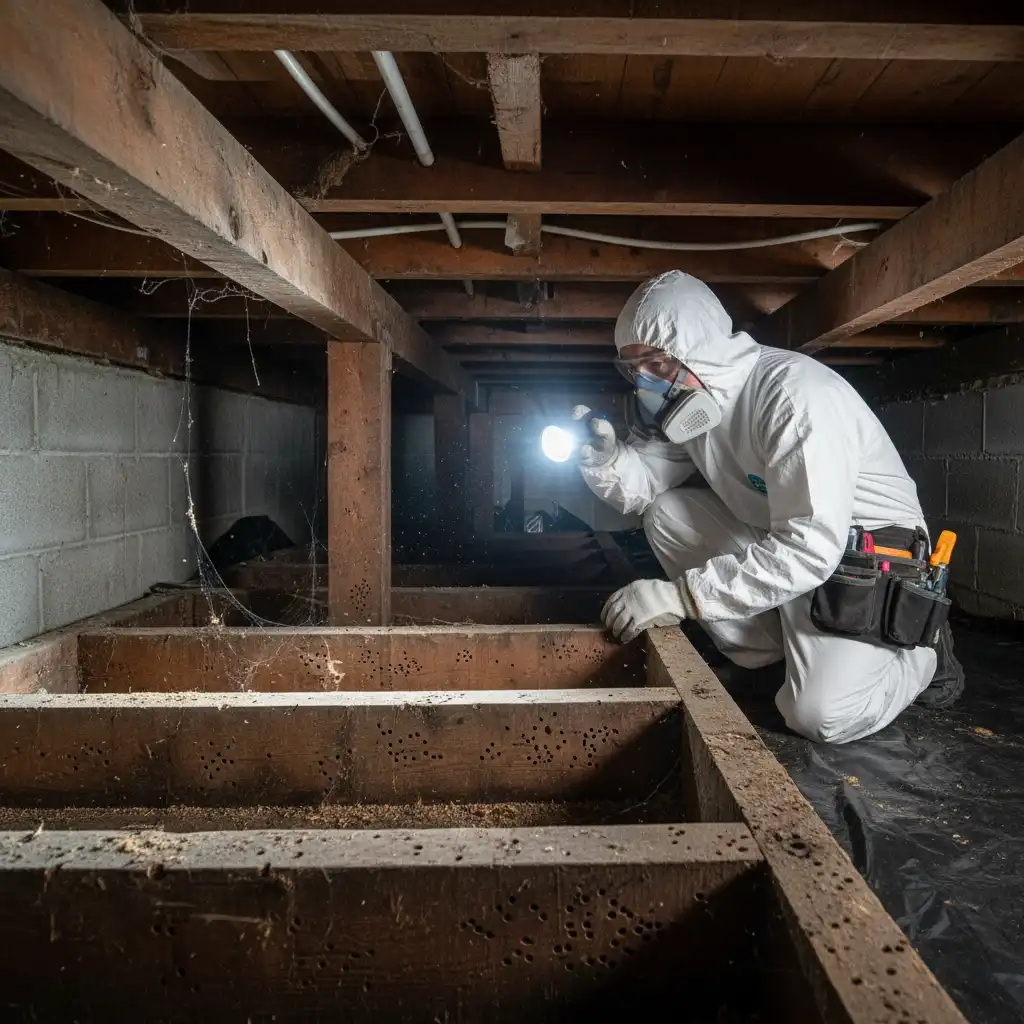
- Subfloor Treatment Only: $450 – $750 + GST. This involves a technician crawling under the house to spray all accessible piles, bearers, joists, and flooring.
- Roof Void Treatment Only: $350 – $600 + GST. This targets the rafters and ceiling joists.
- Combined Package (Subfloor + Roof Void): $800 – $1,300 + GST. Bundling these services is the most common approach and usually offers a discount compared to booking them separately.
- Full Interior & Exterior Garage Treatment: $1,200 – $1,800 + GST. This includes treating exposed internal timbers (like floorboards if carpet is lifted) and detached wooden garages.
It is important to recognize that these costs cover the application of a residual insecticide, typically a synthetic pyrethroid like Permethrin, which bonds to the wood fibers and remains active for years. This is distinct from cheap “fogging” services which may cost less ($200 – $300) but offer zero long-term protection against the larvae eating the wood from the inside.
Key Variables That Influence Pricing
Why might your quote differ from the averages listed above? Several variables can drastically alter the final borer treatment cost in NZ. Pest control companies assess the “difficulty factor” of a job before issuing a final price.
Access Restrictions
The single biggest factor in pricing is accessibility. If your subfloor has a clearance of less than 400mm, it becomes difficult and dangerous for a technician to crawl through. In such cases, the cost may increase because specialized equipment is needed, or the job takes twice as long. If the subfloor is completely inaccessible, floorboards may need to be lifted, or trapdoors cut, which incurs additional building costs.
Insulation Type
Modern underfloor insulation can complicate borer treatment. If your home has foil insulation or thick polystyrene blocks, the timber joists and flooring are covered. To treat the wood effectively, the chemical must hit the timber. Technicians may need to spray around insulation or, in severe cases, recommend removing foil insulation (which is often electrically hazardous anyway) before treatment. This labor adds to the cost.
Severity of Infestation
There is a difference between preventative treatment and treating an active, severe infestation. If the timber is crumbling or if you have the Two-Toothed Longhorn Borer (which causes significantly more damage than the Common House Borer), standard surface spraying may not suffice. You might require timber injection, where holes are drilled into the wood and fluid is injected under pressure. This is a labor-intensive process and is significantly more expensive than spraying.
Treatment Methods: Spray vs. Injection vs. Fogging
Understanding what you are paying for is essential to determining value. Not all treatments are created equal.
1. Residual Surface Spraying (The Industry Standard)
This is the service most homeowners pay for. A technician applies a liquid insecticide to bare wood. The carrier fluid (often water or an oil emulsion) soaks into the timber, carrying the active ingredient (Permethrin) with it. When the adult beetle bores its way out of the wood during flight season (November to March), it eats the treated wood and dies, breaking the breeding cycle. This is cost-effective and highly efficient for moderate infestations.
2. Timber Injection
For painted wood or severe structural damage, spraying is ineffective because the paint blocks the chemical absorption. Injection involves drilling small holes every few centimeters and forcing preservative into the wood. Due to the high labor hours, this can cost $150 – $250 per hour per technician, making it a targeted solution for specific beams rather than a whole-house approach.
3. Borer Bombs / Fogging
This is often the DIY route or the “cheap” option. It releases a mist into the air. While it might kill adult beetles flying at that exact moment, it does not penetrate the wood. The larvae inside the timber remain unaffected. As a long-term solution, this is effectively throwing money away.
The Value of a 10-Year Warranty
When evaluating borer treatment cost in NZ, the warranty is a major component of the value proposition. Reputable Auckland pest control companies will typically offer a warranty ranging from 5 to 10 years. But what does this actually cover?
A continuous protection warranty usually guarantees that if active borer is found within the warranty period (post-initial settlement time), the company will re-treat the area at no cost. Given that the lifecycle of the Common House Borer is 2-4 years, a warranty must be at least 5 years to be meaningful. A 10-year warranty provides coverage through multiple lifecycles, ensuring that any larvae that survived the initial treatment are caught when they emerge years later.
To validate these warranties, companies issue a Certificate of Treatment. This document is vital when selling a home, as building inspectors will flag borer damage. Being able to prove professional treatment can save thousands in negotiation costs during a property sale. For more on the biology and lifecycle that necessitates these long warranties, you can refer to Wikipedia’s entry on the Common Furniture Beetle.
DIY vs. Professional Treatment: A Cost Analysis
Many Kiwi homeowners consider the DIY route to save money. However, the economics often don’t stack up when effectiveness is considered.
The DIY Cost:
A generic 4-liter container of borer fluid from a hardware store costs approximately $80 – $100. To treat a standard subfloor properly, you may need 20-30 liters, totaling $400 – $600 in chemicals alone. Add to this the cost of a high-quality respirator ($80), a suit ($20), and a sprayer ($50). You are rapidly approaching the $700 mark.
The Hidden DIY Risks:
1. Health Safety: Spraying chemicals in a confined subfloor without professional extraction equipment is dangerous.
2. Application Quality: Professionals use high-pressure pumps to ensure the chemical reaches the top of the joists and bearers. Hand sprayers often lack the pressure to coat difficult-to-reach areas.
3. No Warranty: If you do it yourself and the borer returns, you have no recourse.
Comparing Quotes: What to Look For
When you request a Borer Inspection Quote Auckland, ensure you are comparing apples to apples. Use this checklist to vet providers:
- Certification: Is the technician a registered pest management technician? In NZ, handling certain volumes of chemicals requires specific certification.
- Chemical Used: Ask for the specific product name. Look for reputable brands (e.g., Protim, Boracure) rather than generic mixes.
- Volume of Application: Ask how many liters they intend to use. A quick “mist” is not enough. The wood needs to be wetted to the point of runoff to ensure absorption.
- Warranty Specifics: Does the warranty transfer to a new owner if you sell the house? (This adds value to your home).
The Hidden Costs of Ignoring Infestations
The most expensive borer treatment is the one you don’t get. Borer larvae eat the sapwood of softwoods (like Rimu and Pine), which are the structural bones of most New Zealand homes built before 1960. Left unchecked, borer can turn floor joists into dust, leading to sagging floors and structural failure.
Replacing a subfloor can cost upwards of $10,000 to $30,000 depending on the extent of the re-piling and re-joisting required. Compared to this, a $1,000 investment in professional Borer Treatment Auckland services every decade is a negligible maintenance cost. For further reading on protecting timber assets, BRANZ (Building Research Association of New Zealand) offers extensive resources on timber durability and maintenance.
People Also Ask
How long does borer treatment last?
Professional borer treatments using residual synthetic pyrethroids typically last for at least 10 years. The chemical bonds to the timber fibers, remaining active to kill emerging beetles. Most reputable companies in New Zealand offer a warranty covering this 10-year period.
Is borer treatment worth it?
Yes, borer treatment is highly cost-effective compared to the cost of structural repairs. Borer can compromise the structural integrity of floor joists and bearers. Treating a home for $1,000 is significantly cheaper than replacing subfloor timbers, which can cost tens of thousands of dollars.
Can I stay home during borer treatment?
Generally, you must vacate the premises during the treatment and for a settling period afterwards, usually 3 to 5 hours. This allows the mist to settle and the surfaces to dry. Your pest control provider will give specific safety instructions based on the chemicals used.
What time of year is best for borer treatment?
While treatment can be done year-round, the most effective time is just before or during the flight season (October to March). However, because the treatment leaves a long-lasting residue, applying it in winter is also effective as it will be ready and waiting when the beetles emerge in summer.
How do I know if the borer is active?
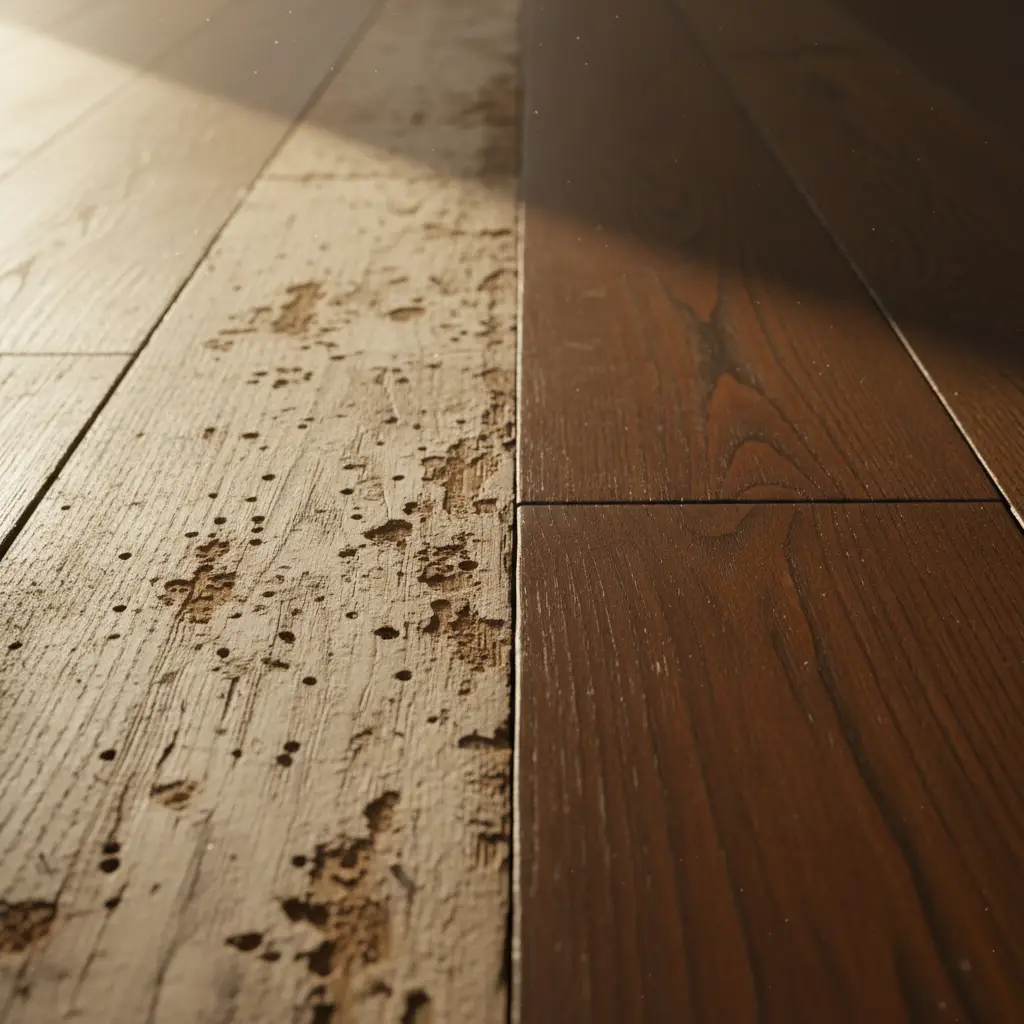
Look for fresh, clean timber dust (frass) beneath the flight holes. If the holes look light-colored inside, they are likely fresh. If you see live beetles (small brown insects) on windowsills during summer, you have an active infestation.
Does house insurance cover borer damage?
In New Zealand, most standard home insurance policies do not cover damage caused by pests, vermin, or insects, including borer. This is considered a maintenance issue, which makes proactive treatment and prevention the homeowner’s financial responsibility.


