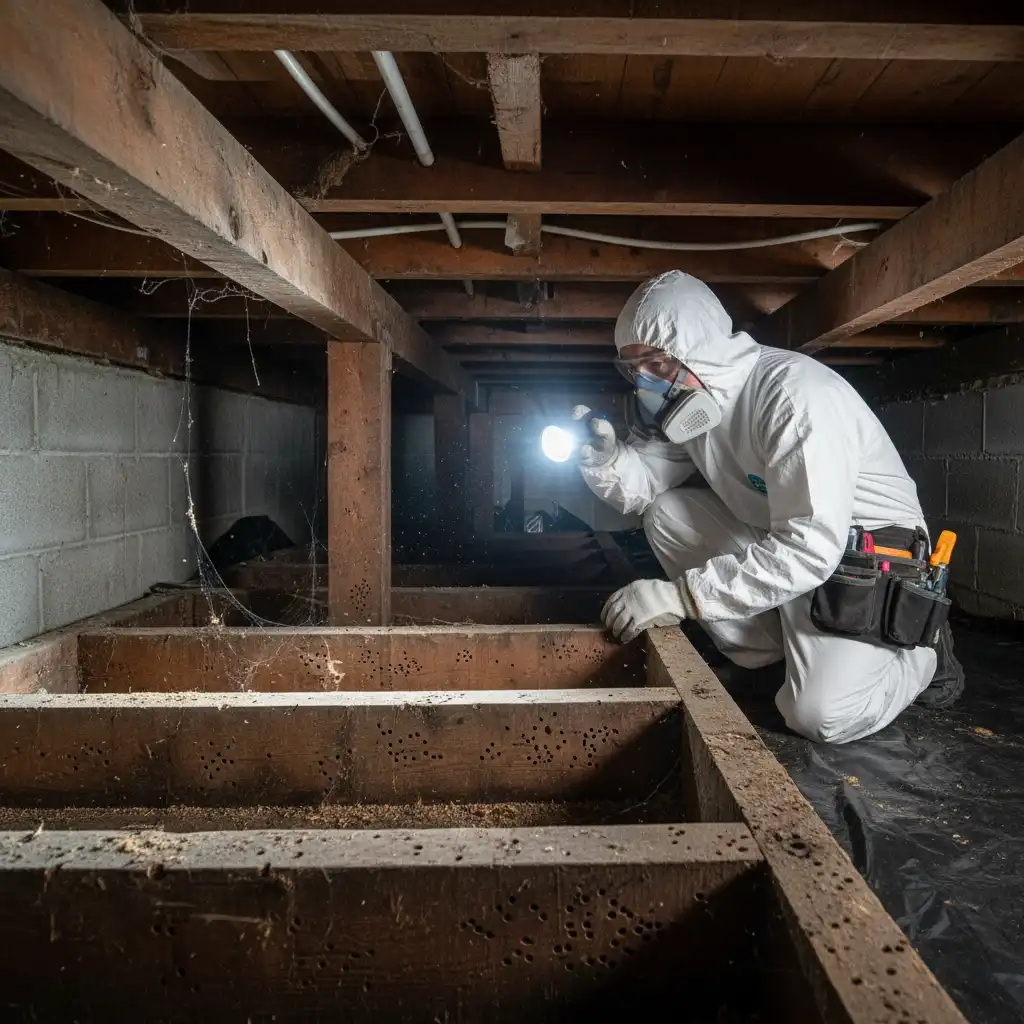
Borer Treatment Auckland for furniture requires a systematic approach beginning with immediate isolation of the infested piece to prevent cross-contamination. Effective remediation involves applying specialized boron or permethrin-based insecticides directly into flight holes, utilizing freezing techniques for delicate items, or employing professional gas fumigation to penetrate deep wood fibers and eradicate the larvae completely.
For homeowners in Auckland, the discovery of borer (woodworm) in a cherished piece of furniture can be distressing. The Common House Borer (Anobium punctatum) thrives in New Zealand’s humid climate, turning solid timber into dust from the inside out. Whether you have discovered a pile of fine dust beneath an antique chair or noticed the tell-tale exit holes in a mahogany wardrobe, immediate action is required. This guide provides a definitive look at eradicating these pests, preserving your furniture, and protecting the structural integrity of your home.
Identifying Woodworm in Furniture
The term “woodworm” is a generic description for the larval stage of wood-boring beetles. In New Zealand, the most prevalent culprit attacking furniture is the Common House Borer. Understanding the lifecycle of this pest is crucial for effective treatment.
The beetle lays its eggs in cracks, crevices, or existing flight holes in the timber. When the larvae hatch, they bore into the wood, where they can remain for 2 to 4 years eating the cellulose and weakening the structure. This long larval stage is why treatment can be difficult; the damage is happening deep below the surface, invisible to the naked eye. It is only when the larva pupates and emerges as an adult beetle—usually between October and March—that you see the visible exit holes.

Distinguishing between the Common House Borer and the Native Two-toothed Longhorn is also important, although the Longhorn generally prefers structural timber (like sub-floors) rather than dry furniture. For furniture, you are almost exclusively dealing with the Common House Borer.
Critical Signs of Active Woodworm in Antique Furniture
Not all holes indicate an active infestation. Many antiques bear the scars of a woodworm attack that happened decades ago. To determine if you need immediate woodworm treatment for furniture, look for the following signs of active life:
1. Fresh Frass (Bore Dust)
This is the most reliable indicator. Frass is the waste product produced by the larvae. If you see small piles of fine, cream-colored powder beneath a piece of furniture or inside drawers, the infestation is active. On dark wood, this light-colored dust is easily visible. If you tap the furniture and dust falls out of the holes, it is likely active.
2. Clean, Sharp Flight Holes
Fresh exit holes are round (approx. 1-2mm in diameter) and have sharp edges. The interior of the hole will look like fresh, light-colored wood. Conversely, historic holes often have dark, dirty interiors due to oxidation and wax accumulation over the years.
3. Live Beetles
During the flight season (late spring to summer in Auckland), you may find small, brown beetles (3-4mm long) near the furniture or on nearby windowsills. They are attracted to light and are often found dead on window ledges after emerging from the timber.
4. Weak or Crumbling Wood
In severe cases, the edges of floorboards, chair legs, or table corners may crumble when touched. This indicates a heavy, long-term infestation where the internal structure has been honeycombed by tunnels.
Woodworm Treatment: Chemical vs. Freezing
Once an infestation is confirmed, you must choose a treatment methodology. The choice depends on the value of the item, the finish (varnish/wax), and the severity of the attack.
Chemical Treatment
Chemical intervention is the most common method for DIY enthusiasts and pest control professionals. This involves using a fluid insecticide that penetrates the timber to kill larvae and emerging beetles.
- Surface Application: Brush or spray-on fluids are effective for unvarnished wood (like the underside of drawers or the back of a wardrobe). However, standard wood finishes (varnish, lacquer, wax) prevent these fluids from penetrating. You must strip the finish or use an alternative method for polished surfaces.
- Timber Injection Services: For finished furniture, you can use an aerosol with a nozzle injector. This allows you to inject the fluid directly into the flight holes. The fluid forces its way through the tunnels (galleries), killing larvae on contact or leaving a residue that kills them when they eat the treated wood.
Pros: Cost-effective, accessible, provides residual protection.
Cons: Can damage some finishes; fumes can be strong; difficult to reach deep larvae in thick timber.
Freezing Treatment (Thermal Control)
Freezing is an excellent non-toxic alternative, particularly for delicate antiques, upholstery, or items that cannot be subjected to liquid chemicals. However, simply placing an item in a kitchen freezer is rarely sufficient.
To be effective, the core temperature of the wood must drop rapidly to prevent the larvae from acclimatizing. The item should be wrapped in plastic (to prevent condensation damage) and placed in a commercial freezer at -20°C to -30°C for at least one week. The rapid drop in temperature prevents the larvae from producing “antifreeze” proteins, causing their cells to rupture.
Pros: 100% chemical-free; safe for upholstery and delicate inlays.
Cons: Requires access to large commercial freezers; offers no residual protection against re-infestation.
For more on the science of conservation and freezing artifacts, reliable sources like Te Papa Tongarewa or international museum conservation guidelines often detail specific thermal parameters for pest eradication.
Professional Fumigation Services
For high-value antiques, heirlooms, or severe infestations, DIY methods often fall short. Professional fumigation is the gold standard for woodworm treatment in furniture.
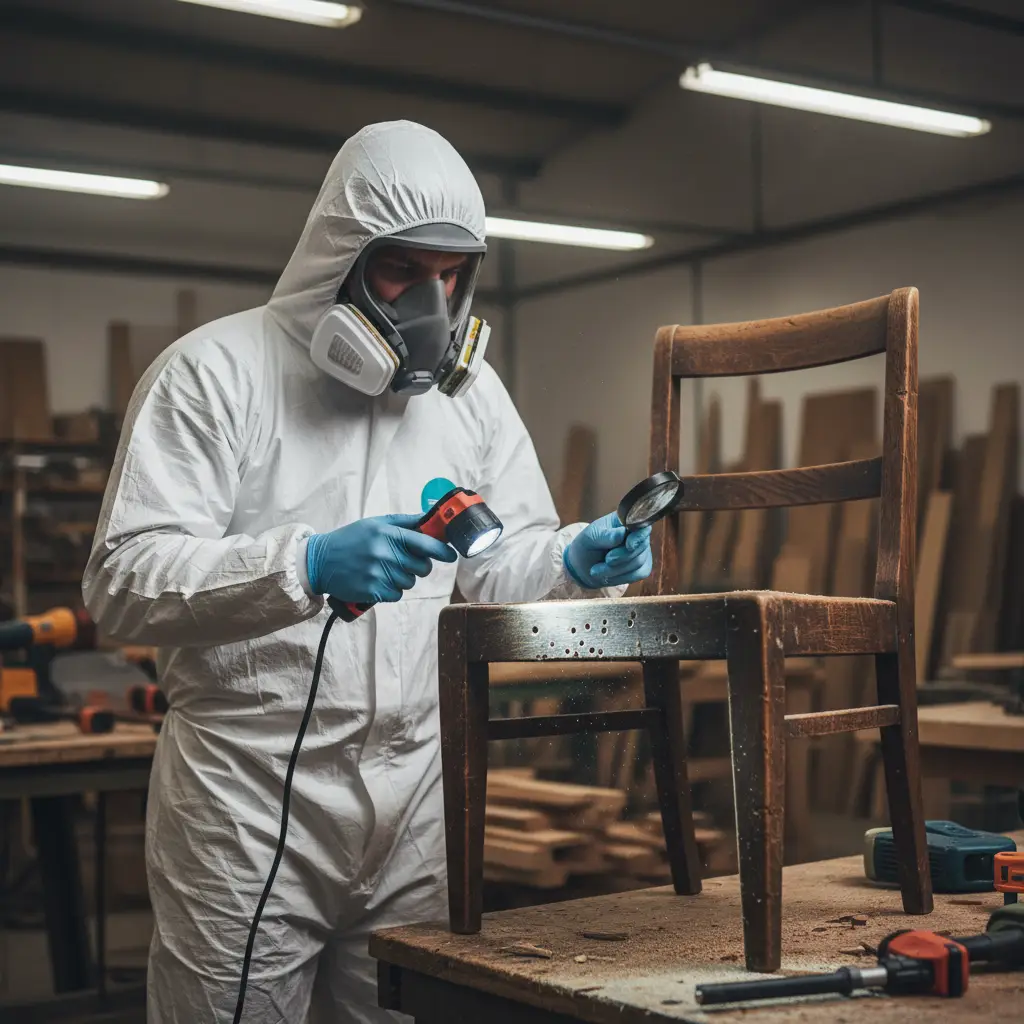
In Auckland, professional pest control companies may offer off-site fumigation. This involves transporting the furniture to a sealed chamber where it is exposed to fumigant gases. If you live in the northern suburbs, securing a specialized North Shore Borer Pest Control service is highly recommended. Unlike liquid treatments, gas penetrates every pore of the wood, reaching the deepest tunnels regardless of varnish or wax finishes.
Controlled Atmosphere Treatment (CAT)
An increasingly popular eco-friendly option is Controlled Atmosphere Treatment. This involves placing the furniture in a bubble or chamber and replacing the oxygen with nitrogen or carbon dioxide. The lack of oxygen asphyxiates the beetles and larvae. This process can take several weeks but is completely safe for the most fragile materials, including gilding and silk.
When to call a professional (including Pre-Purchase Borer Inspections):
- The item is structurally compromised.
- The item is a valuable antique with a delicate finish.
- You have multiple items infested.
- DIY attempts have failed to stop the production of frass.
Preventing Spread to Structural Timber
One of the biggest risks of ignoring borer in furniture is the potential for the infestation to spread to the structural timber of your home. In New Zealand, where many homes are framed with untreated pine or native timber, this is a significant threat. To protect your home’s structure, look for treatment plans that feature a 5 Year Warranty Borer Auckland homeowners rely on for long-term security.
Steps to Prevent Spread:
- Quarantine: Immediately move infested furniture to a garage or shed (preferably one with a concrete floor) away from the main house structure.
- Monitor Humidity: Borer thrives in timber with a moisture content above 12%. Use dehumidifiers and ensure good sub-floor ventilation to keep your home’s structural timber dry and less palatable to larvae.
- Barrier Treatments: Consider having a professional apply a residual insecticide to your skirting boards and surrounding floorboards to create a chemical barrier against wandering beetles.
For comprehensive guidelines on household pests, resources such as the EPA’s pest control section provide general safety standards regarding chemical usage in residential environments.
Restoration and Long-Term Maintenance
After the woodworm treatment is complete and the infestation is certified dead, you are left with the damage: unsightly flight holes. Restoration is not just cosmetic; it helps you monitor for future attacks.
Filling the Holes
Using a wax filler stick that matches the color of the wood is the standard method for concealing flight holes. Rub the wax stick over the holes until they are filled, then buff off the excess with a soft cloth. This serves a dual purpose: it improves the appearance of the furniture and seals the holes. If you see a new hole appear next season (one that isn’t filled with wax), you will know immediately that you have a re-infestation.
Regular Polishing
Beetles struggle to lay eggs on polished surfaces. Regular cleaning and polishing with beeswax or furniture oil make the surface slippery and harder for the beetle to deposit eggs into crevices. Avoid placing antique furniture in damp areas of the home, as moisture is the borer’s best friend.