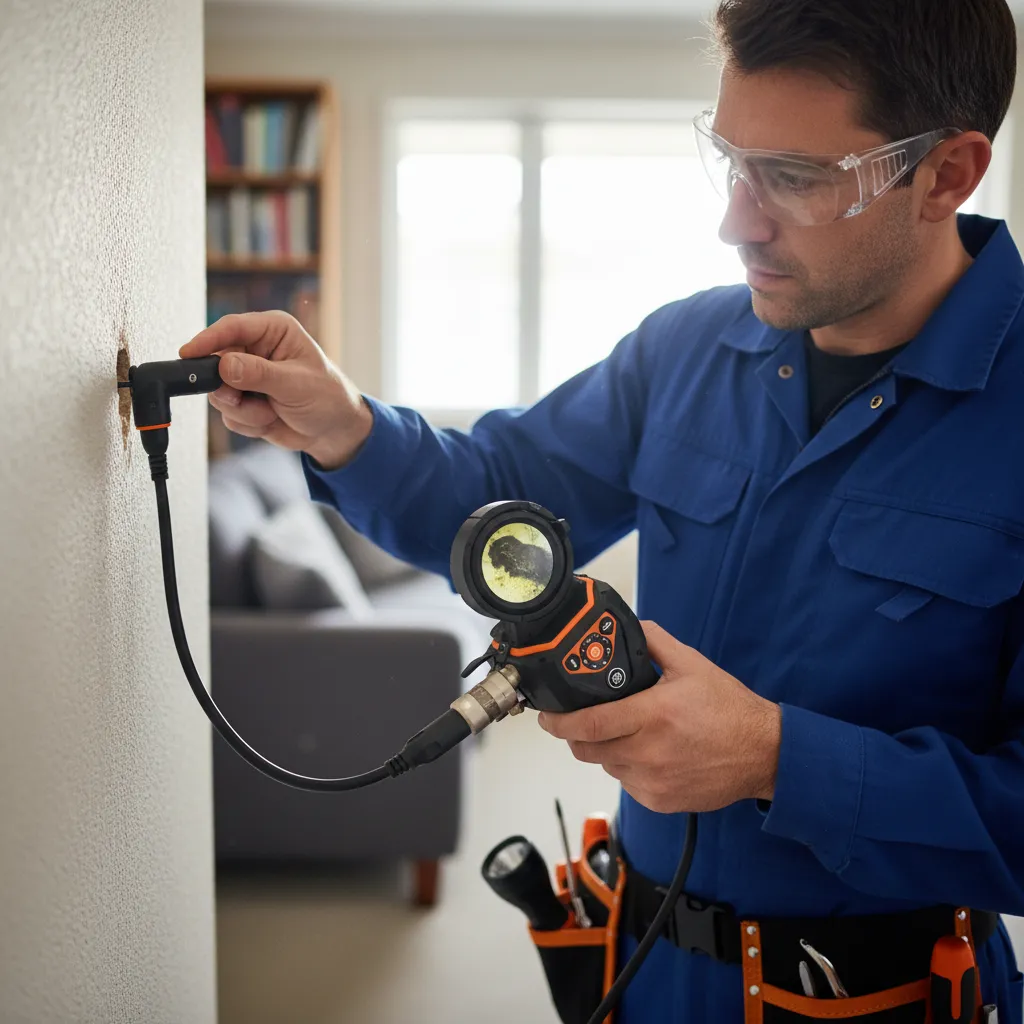
Norway rat control involves a systematic approach combining exclusion, sanitation, and population reduction. To effectively manage these pests, property owners must seal ground-level entry points and drainage breaches while deploying heavy-duty, tamper-resistant bait stations along exterior perimeters. Success relies on removing food sources like accessible compost and refuse to prevent re-infestation.
Understanding the Norway Rat (Rattus norvegicus)
In the landscape of Rodent Control Auckland, the Norway rat (Rattus norvegicus) stands out as the largest and most aggressive commensal rodent. Often referred to as the brown rat, sewer rat, or water rat, this species poses significant risks to both residential and commercial properties throughout New Zealand. Unlike their climbing cousins, the Roof Rat Extermination (Ship rats), Norway rats are terrestrial creatures that thrive at ground level, making them a formidable adversary for homeowners and business operators alike.
To implement an effective control strategy, one must first understand the biological and behavioral mechanisms that drive this pest. Norway rats are neophobic, meaning they are naturally suspicious of new objects in their environment. This behavioral trait makes trapping and baiting a challenge that requires patience and strategic placement. They are predominantly nocturnal, though in areas of high population density or when food is scarce, they may be seen during the day—a sure sign of a severe infestation.
Physical Characteristics & Identification
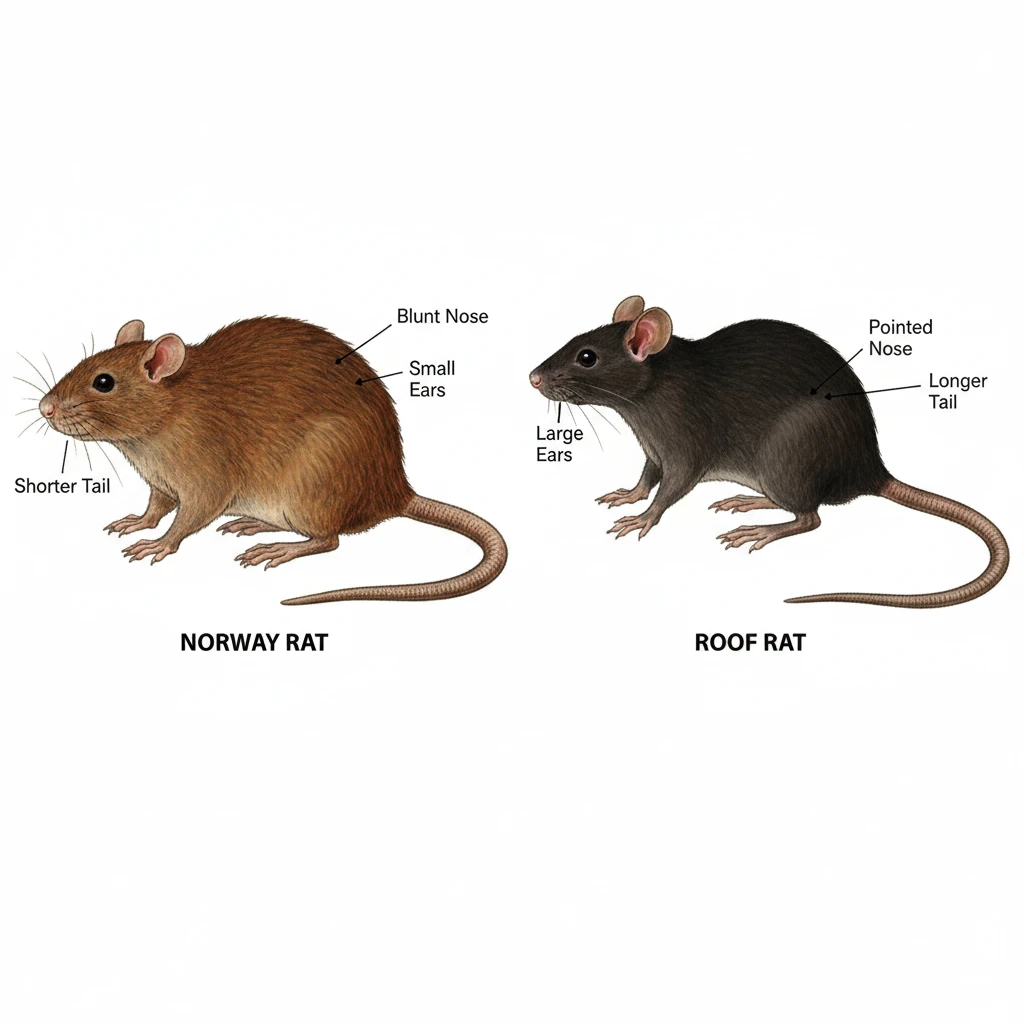
Identifying the specific species of rodent is the first critical step in management, as control methods differ significantly between species. The Norway rat is robust and stocky. An adult can weigh between 200 to 500 grams, significantly heavier than the sleeker Roof rat. Their fur is typically coarse, brown, or dark grey on the back, fading to a lighter grey or brown underneath.
Key identification features include:
- Body Shape: Heavy, thick body with a blunt nose.
- Ears: Small and covered in short hairs; they do not reach the eyes when pulled forward.
- Tail: Shorter than the combined length of the head and body. It is thick, scaly, and semi-naked.
- Droppings: Their droppings are capsule-shaped with blunt ends, usually around 20mm in length, often found in groups.
Behavior: The Water-Loving Burrower
The Norway rat is an exceptional swimmer, earning it the moniker “water rat.” In Auckland’s humid climate, with its extensive stormwater and sewage networks, these rats thrive. They are capable of treading water for days and can swim up to 800 meters. This semi-aquatic ability allows them to navigate sewer systems with ease, often emerging into homes through toilet bowls or unsealed drain pipes.
Furthermore, they are master excavators. Norway rats prefer to nest in burrows dug into the earth. These burrow systems are often extensive, featuring a main entrance and bolt-holes for emergency escapes. You will typically find these nests under building foundations, beneath woodpiles, in moist garden banks, or near compost heaps where the soil is easy to dig and structural cover is available.
Identifying Signs of Infestation in Auckland
Detecting a Norway rat infestation early can save thousands of dollars in property damage. These rodents are gnawing machines; their incisors grow continuously, compelling them to chew on hard materials to file them down. This includes water pipes, electrical cabling, and structural timber, presenting a severe fire and flood risk.
Burrows and Earth Mounds
Because Norway rats are ground-dwellers, the most obvious sign of their presence is exterior burrowing. Inspect the perimeter of your building, paying close attention to the foundations, retaining walls, and dense vegetation. A fresh burrow entrance is typically 7-10 cm in diameter and is often smooth and compacted from the rat’s body rubbing against the soil. You may also notice fresh piles of excavated dirt (kick-out soil) near the entrance. If you spot these holes, do not simply fill them in; this will only cause the rat to dig a new exit. Treatment must be applied before sealing the burrows.
Drain Access and Sewer Breaches
In urban Auckland, the drainage network is a superhighway for Norway rats. A common sign of activity is a breach in the sewer system. If you notice a foul smell coming from wall cavities or under floorboards, it may indicate a broken pipe where rats are entering and exiting, potentially necessitating professional Dead Rat Removal. Additionally, inspect gully traps and inspection points. If the grates are loose or gnawed, rats may be using them as a transit point between the sewer and your garden.
Strategic Norway Rat Control Methods
Once identification is confirmed, moving to the transactional phase of control is vital. Casual trapping is rarely sufficient for an established colony. Comprehensive Residential Rat Control involves a combination of baiting and environmental modification.

Heavy-Duty Bait Stations for Exterior Use
For Norway rats, exterior control is the primary line of defense. Because they nest outside and enter structures to forage, intercepting them at the perimeter is highly effective. This requires the use of heavy-duty, tamper-resistant bait stations. Unlike cheap cardboard or light plastic stations available at hardware stores, professional stations are designed to withstand New Zealand’s variable weather and protect non-target species (like pets and native birds) from accessing the toxin.
Placement Strategy:
- Along Runways: Rats suffer from agoraphobia (fear of open spaces) and hug vertical surfaces. Stations should be placed flux against walls or fences.
- Near Burrows: Place stations between the burrow and the suspected food source, but not directly on top of the burrow entrance, as this may trigger a neophobic reaction.
- Secured: Norway rats are strong. Stations must be anchored to the ground or a heavy paving slab to prevent the rats from dragging them away or tipping them over to shake out the bait.
Trapping: Snap Traps vs. Live Traps
While baiting is effective for population control, trapping provides immediate reduction and allows for the recovery of the carcass, preventing odor issues indoors. For Norway rats, standard mouse traps are ineffective and inhumane. You require large, aggressive snap traps (often called “T-Rex” style traps) with serrated jaws.
When using traps, pre-baiting is a technique used by experts. Place the trap with bait (peanut butter, bacon, or chocolate) but do not set the trigger. Allow the rats to feed from the trap safely for 2-3 days. Once they are comfortable interacting with the device, set the trigger. This overcomes their natural fear of new objects and results in a higher catch rate.
Environmental Management: Compost and Rubbish Areas
You cannot bait your way out of a sanitation problem. If your property provides an all-you-can-eat buffet, rats will ignore your baits and traps. Norway rats are omnivorous scavengers with a preference for high-protein and high-carbohydrate foods, making household waste a primary attractant.
Managing Compost Bins and Green Waste
Compost bins are essentially luxury hotels for Norway rats—providing warmth, shelter, and food. To manage this:
- Elevation: Do not place compost bins directly on the soil. Place them on a concrete slab or pave the area beneath them.
- Mesh Barriers: If placing on soil is unavoidable, line the bottom of the bin with 6mm galvanized wire mesh. This allows worms to enter but stops rats from burrowing up from underneath.
- Food Restrictions: Avoid putting cooked food, meat, dairy, or bones in general compost. These highly aromatic foods attract rats from great distances.
Rubbish Storage and Sanitation
Commercial refuse areas and residential wheelie bins are frequent foraging sites. Ensure that all rubbish is bagged securely before being placed in bins. Lids must be fully closed; an overfilled bin with a slightly open lid is an invitation. For effective Commercial Rodent Control in Auckland, ensure that skip bins have drainage plugs in place, as rats often enter through drainage holes to feed on sludge at the bottom of the bin.
Proofing Your Property: Drains and Foundations
Exclusion, or “rat-proofing,” is the only long-term solution to prevent re-infestation. Given the Norway rat’s burrowing and gnawing capabilities, materials used for proofing must be durable.
Proofing Drains and Sewers
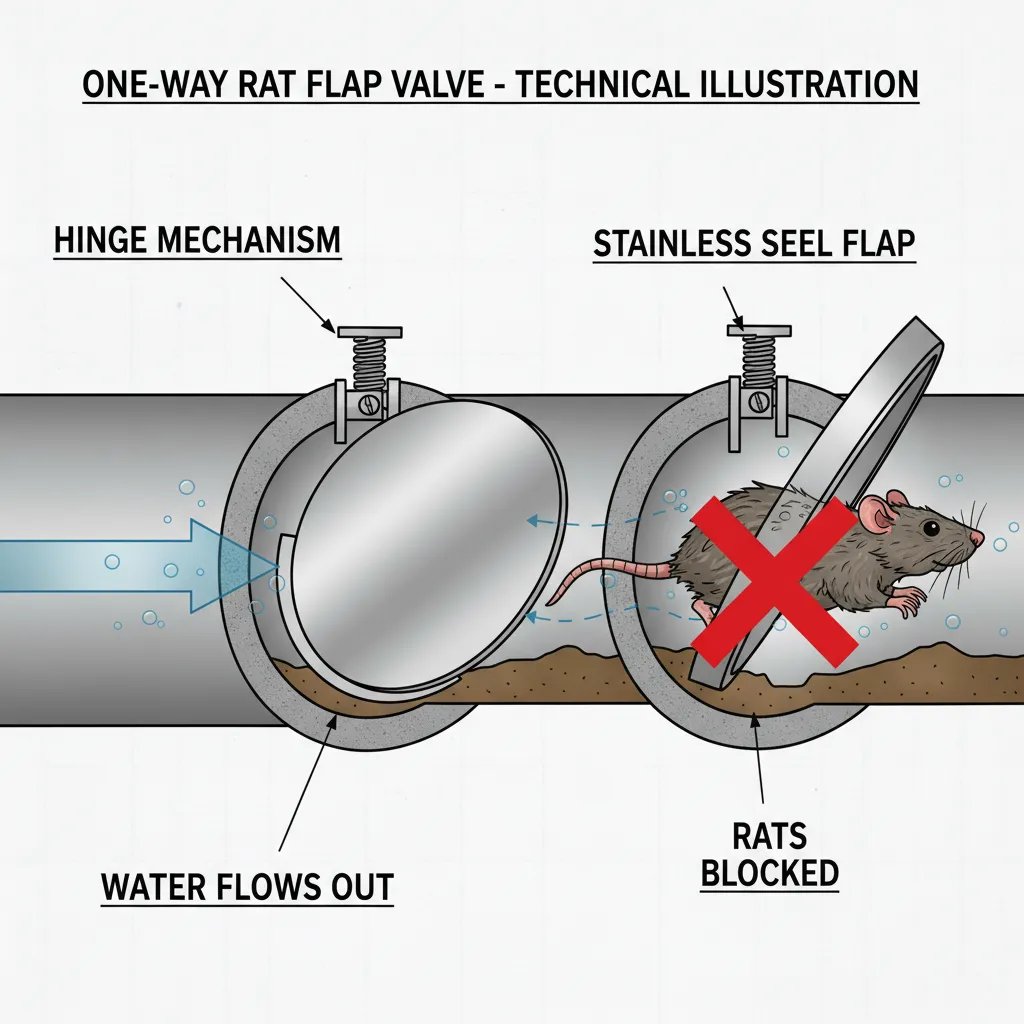
Since Norway rats often enter via the sewer, installing a non-return valve (or rat flap) in the main sewer outlet of your property is a highly effective preventative measure. These devices allow waste to flow out but feature a steel flap that prevents rats from swimming up into your pipework. This is particularly recommended for older Auckland homes with clay or earthenware pipes that may have shifted or cracked over time.
For more information on the impact of introduced predators and pest management standards, you can refer to the Department of Conservation (DOC) guide on rats, which details the ecological threat these pests pose to New Zealand.
Sealing Foundations and Vents
Inspect the base of your property for any gaps larger than 12mm. Norway rats can squeeze through incredibly small openings. Use cement or exterior-grade sealant mixed with steel wool to fill gaps around pipe penetrations. Ensure that sub-floor vents are covered with intact steel mesh. Plastic vents are easily chewed through and should be replaced with galvanized steel alternatives.
Professional vs. DIY: When to Call the Experts
While DIY methods can handle minor incursions, established Norway rat colonies often require professional Rodent Control Services. Retail-grade baits often contain lower concentrations of active ingredients, requiring rats to feed multiple times to receive a lethal dose. This increases the risk of “bait shyness,” where rats learn to avoid the food source that made them sick.
Professional Auckland pest control technicians utilize second-generation anticoagulants or cholecalciferol-based baits that are highly palatable and effective. Moreover, professionals have access to tracking powders and inspection cameras to locate nests inside wall cavities or drains. If you observe active burrows, hear scratching in the walls, or see rats during the day, the infestation has likely surpassed the capacity of standard DIY control methods.
Frequently Asked Questions
What is the most effective bait for Norway rats?
The most effective baits for Norway rats are high-quality cereal-based blocks containing anticoagulants or cholecalciferol. These rats prefer high-protein and high-carbohydrate foods. Professional-grade baits are designed to be highly palatable to compete with natural food sources. For traps, peanut butter, bacon, or chocolate are excellent attractants.
Can Norway rats swim up my toilet?
Yes, Norway rats are excellent swimmers and can hold their breath for several minutes. They can navigate sewer pipes and swim up through the water trap in a toilet bowl. Installing a non-return valve (rat blocker) in your drain pipes is the best prevention method.
How do I identify a Norway rat burrow?
Norway rat burrows are typically found outdoors along foundations, under woodpiles, or in overgrown vegetation. The entrance is usually 7-10cm in diameter, smooth from use, and often has a pile of excavated fresh soil (kick-out) nearby. They may also burrow under concrete slabs.
What is the difference between a Norway rat and a Roof rat?
Norway rats are larger, stockier, live in burrows at ground level, and have small ears and a tail shorter than their body. Roof rats (Ship rats) are smaller, sleeker, excellent climbers found in trees or attics, and have large ears and a tail longer than their body.
How quickly can a Norway rat infestation grow?
Rat populations can grow exponentially. A female Norway rat can produce 3 to 6 litters per year, with each litter containing 7 to 8 pups on average. Pups reach sexual maturity in about 3 months. Without control, a pair of rats can result in hundreds of descendants within a year.
Are Norway rats dangerous to humans and pets?
Yes, Norway rats pose significant health risks. They carry diseases suchs as Leptospirosis (Weil’s disease), Salmonella, and E. coli. They can also introduce parasites like fleas and ticks. Their gnawing habits can damage electrical wiring, creating fire hazards.