Rodent proofing your house involves a series of strategic measures to prevent rats and mice from entering and infesting your home, particularly during the colder months when they seek warmth and shelter indoors. This proactive approach focuses on identifying and sealing all potential entry points, securing vulnerable areas, and implementing ongoing preventative practices to safeguard your property effectively.
As the crisp air of autumn descends upon Auckland, a less welcome migration begins: rodents seeking refuge from the impending winter chill. While rats and mice are a year-round concern, the colder months present a particularly challenging period for homeowners. Their relentless pursuit of warmth, food, and shelter drives them indoors, transforming once-peaceful residences into potential havens for these destructive pests. Understanding how to effectively rodent proof your house isn’t just about pest control; it’s about protecting your property, ensuring hygiene, and maintaining peace of mind. This Seasonal Pest Threats in Auckland: A Comprehensive Guide will equip Auckland homeowners with the knowledge and practical steps needed to establish an impenetrable barrier against winter rodents, from proactive inspections to advanced Autumn Surge Rodent Exclusion techniques.
Understanding the Winter Rodent Influx: Why Pests Seek Shelter Indoors
Before embarking on the practicalities of rodent proofing, it’s crucial to grasp the motivations behind their seasonal migrations. Rats and mice aren’t simply looking for a new home; they are driven by innate survival instincts that intensify with the changing seasons.
The Urge for Warmth and Shelter
Like all warm-blooded creatures, rodents struggle to regulate their body temperature in cold environments. As temperatures drop in autumn and winter, the appeal of a warm, insulated home becomes irresistible. Wall cavities, attics, basements, and even forgotten boxes in garages offer ideal thermal protection, shielding them from the harsh elements. This quest for warmth is often the primary motivator for rats and mice to breach your home’s defences, turning a small crack or gap into an open invitation.
Scarcity of Outdoor Food Sources
With the onset of colder weather, natural food sources for rodents, such as seeds, fruits, and insects, become increasingly scarce. Gardens die back, crops are harvested, and natural foraging opportunities diminish significantly. This scarcity compels them to seek alternative food sources, and human dwellings are a veritable buffet. Unsealed food containers, pet food, discarded crumbs, and even accessible rubbish bins become prime targets, drawing rodents closer to and eventually inside your home.
Breeding Cycles and Population Pressure
Rodents are prolific breeders, and their populations can surge rapidly under favourable conditions. While breeding may slow slightly in colder temperatures, their need for a secure, warm place to nest and rear young remains paramount. An established rodent population in a nearby area, such as a neighbour’s overgrown yard, an abandoned building, or even local sewerage systems, can exert significant pressure, leading individual rodents to explore new territories – including your property – in search of suitable living spaces.

Comprehensive Rodent Proofing Checklist for Auckland Homes
Effective rodent proofing begins with a thorough inspection of your property. Think like a rodent: where would you find a way in? Even a small gap of 6mm for a mouse or 12mm for a rat is enough. Here’s a systematic checklist to guide your inspection.
Exterior Inspection: The First Line of Defense
Start your inspection from the ground up, paying close attention to the perimeter of your house.
- Foundation Cracks and Gaps: Examine the entire foundation for any cracks, holes, or gaps in mortar. These are easy entry points. Fill small cracks with silicone caulk and larger holes with cement or a durable patching compound mixed with steel wool for added deterrence.
- Utility Line Entry Points: Check around all pipes, wires, and cables entering your home (e.g., water, gas, electricity, internet). Often, the holes drilled for these utilities are larger than the lines themselves, leaving gaps. Seal these with appropriate sealants, expanding foam, or hardware cloth.
- Vents and Grates: Inspect all vents (laundry, dryer, attic, foundation) and grates. Ensure they are securely attached and that the mesh is intact. Replace any damaged screens with heavy-gauge wire mesh (1/4 inch or less) that rodents cannot chew through.
- Around Doors and Windows: Look for gaps where frames meet the wall. Ensure flashing is secure.
Roofline and Attic Entry Points
Rodents, particularly rats, are excellent climbers. The roofline is a common but often overlooked entry point.
- Gaps Under Eaves and Fascias: Check for any openings where the roof meets the walls. These can be small gaps created by age or poor construction. Repair damaged fascia boards and seal any gaps.
- Roof Vents and Chimneys: Ensure all roof vents are screened with sturdy mesh. Chimneys should have animal-proof caps. Even small gaps around flashing can be exploited.
- Damaged Roof Tiles or Shingles: Replace any broken, loose, or missing roof tiles or shingles that could provide access to your attic or wall voids.
- Overhanging Tree Branches: Trim back any tree branches or shrubs that are touching or close to your roof or siding. These act as natural bridges for rodents to access your home.
Doors and Windows: Common Access Points
These are perhaps the most straightforward entry points but are often neglected.
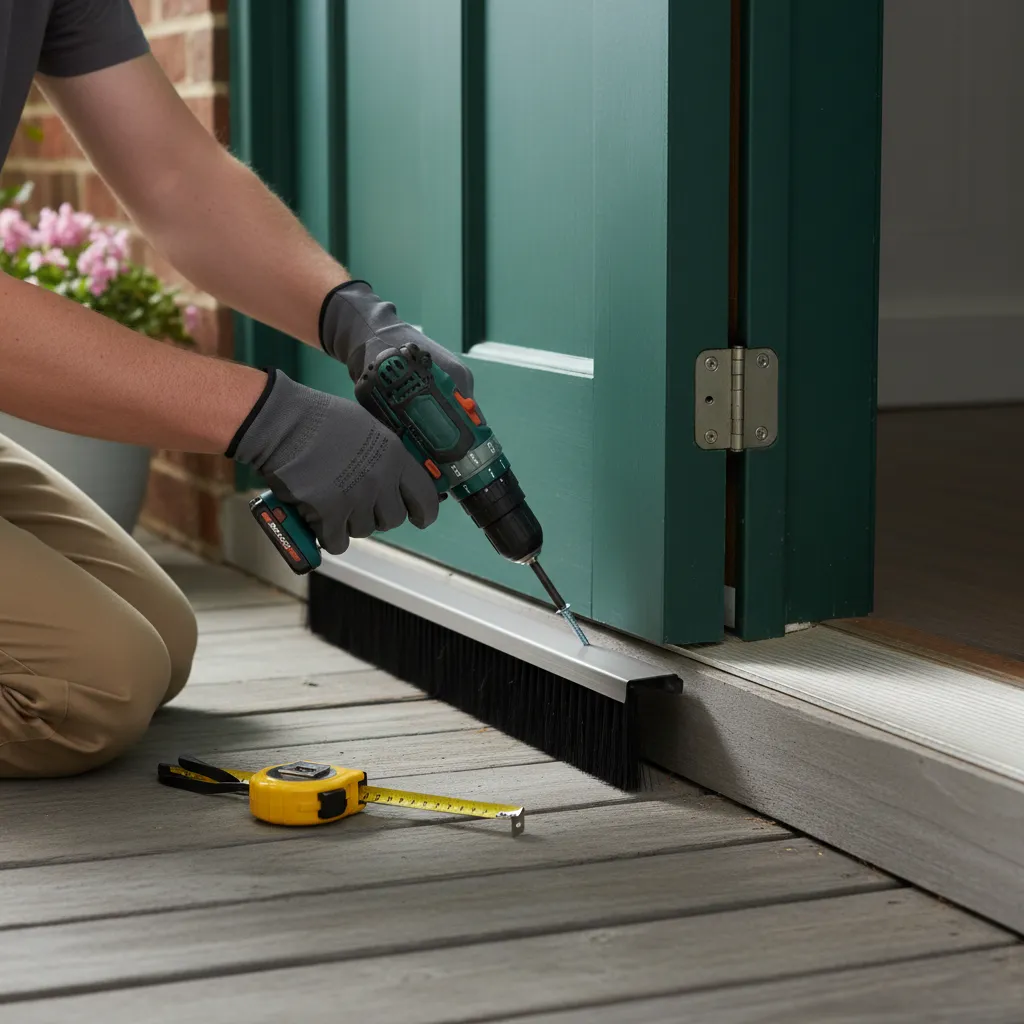
- Gaps Under Doors: A common entry point. If you can see light under your door, it’s wide enough for a mouse. Install door sweeps or weatherstripping to create a tight seal.
- Damaged Window Screens: Repair or replace any torn or damaged window screens, especially on ground-level windows.
- Ill-fitting Windows: Ensure windows close tightly and that any gaps around the frames are sealed.
Garage and Sheds: Often Overlooked Vulnerabilities
Garages and sheds are often used for storage and can become initial staging grounds for rodents before they venture into the main house.
- Garage Door Seals: Inspect the rubber seal along the bottom of your garage door. Replace any worn, cracked, or chewed seals. Ensure the door closes tightly against the ground and side frames.
- Gaps Around Utility Lines: Just like the main house, check utility penetrations in garages and sheds.
- Storage and Clutter: Reduce clutter in these areas, as it provides harborage for rodents. Store items in sealed plastic containers.
Essential DIY Rodent Proofing Techniques: Sealing and Securing
Once you’ve identified potential entry points, the next step is to seal them effectively. This requires the right materials and techniques to ensure a lasting barrier.
Installing Bristle Strips and Door Sweeps
These simple additions are highly effective for sealing gaps around doors.
- Door Sweeps: These are installed on the bottom of exterior doors. They come in various materials (rubber, brush, vinyl) and are designed to close the gap between the door and the threshold. Choose a durable option that creates a firm seal.
- Bristle Strips/Weatherstripping: Apply weatherstripping around the sides and top of door frames, as well as window frames. This material compresses to fill small gaps, preventing both pests and drafts. Ensure it’s self-adhesive and rated for outdoor use.
Utilizing Wire Mesh and Sealants
For more robust sealing of larger gaps and holes, specific materials are essential.
- Stainless Steel Mesh or Hardware Cloth: This is a rodent-proof material. Use 1/4 inch (6mm) hardware cloth for ventilation openings, foundation vents, and larger gaps. Cut it to size, secure it with screws or heavy-duty staples, and ensure it extends slightly beyond the opening. Rodents cannot chew through it. For smaller holes (e.g., around pipes), coarse steel wool can be packed tightly into the void before sealing with caulk or expanding foam.
- Silicone Caulk: Ideal for sealing small cracks and gaps in foundations, around window frames, and where utility lines enter. Choose a high-quality, exterior-grade silicone caulk for durability and weather resistance.
- Expanding Foam (with caution): While expanding foam can fill large voids quickly, it’s not rodent-proof on its own. Rodents can chew through it. If using, pack steel wool or wire mesh into the hole first, then seal over it with the foam. It’s best used in conjunction with more robust materials for rodent proofing.
Trimming Vegetation and Managing Clutter
Prevention extends beyond the physical structure of your house to its immediate surroundings.
- Trim Vegetation: Keep shrubs, trees, and vines trimmed back at least 1 meter (3 feet) from your house. Overhanging branches or dense bushes provide cover and easy access routes to your roof and windows.
- Clear Clutter: Remove piles of firewood, debris, old furniture, or building materials from around your home. These offer ideal harborage and nesting sites for rodents, giving them a safe base before they attempt to enter your home.
- Secure Bins: Ensure all rubbish bins have tight-fitting lids. Consider using metal bins or securing plastic bins to prevent rodents from knocking them over or chewing through them to access food waste.
When to Call the Experts: Professional Rodent Exclusion Services in Auckland
While DIY rodent proofing is an excellent first step, there are situations where professional intervention becomes not just beneficial but necessary. For Auckland homeowners facing persistent or severe rodent issues, a professional pest control service offers expertise, advanced techniques, and long-term solutions that DIY efforts often cannot match.
The Limitations of DIY Efforts
Even with the most diligent efforts, homeowners can miss subtle entry points or misidentify the scope of an infestation. Rodents are incredibly resourceful, and their ability to squeeze through tiny gaps or scale seemingly impossible surfaces often outwits an amateur. Furthermore, tackling an established infestation with DIY methods can be frustrating and ineffective, potentially allowing the problem to worsen.
Comprehensive Inspections and Advanced Techniques
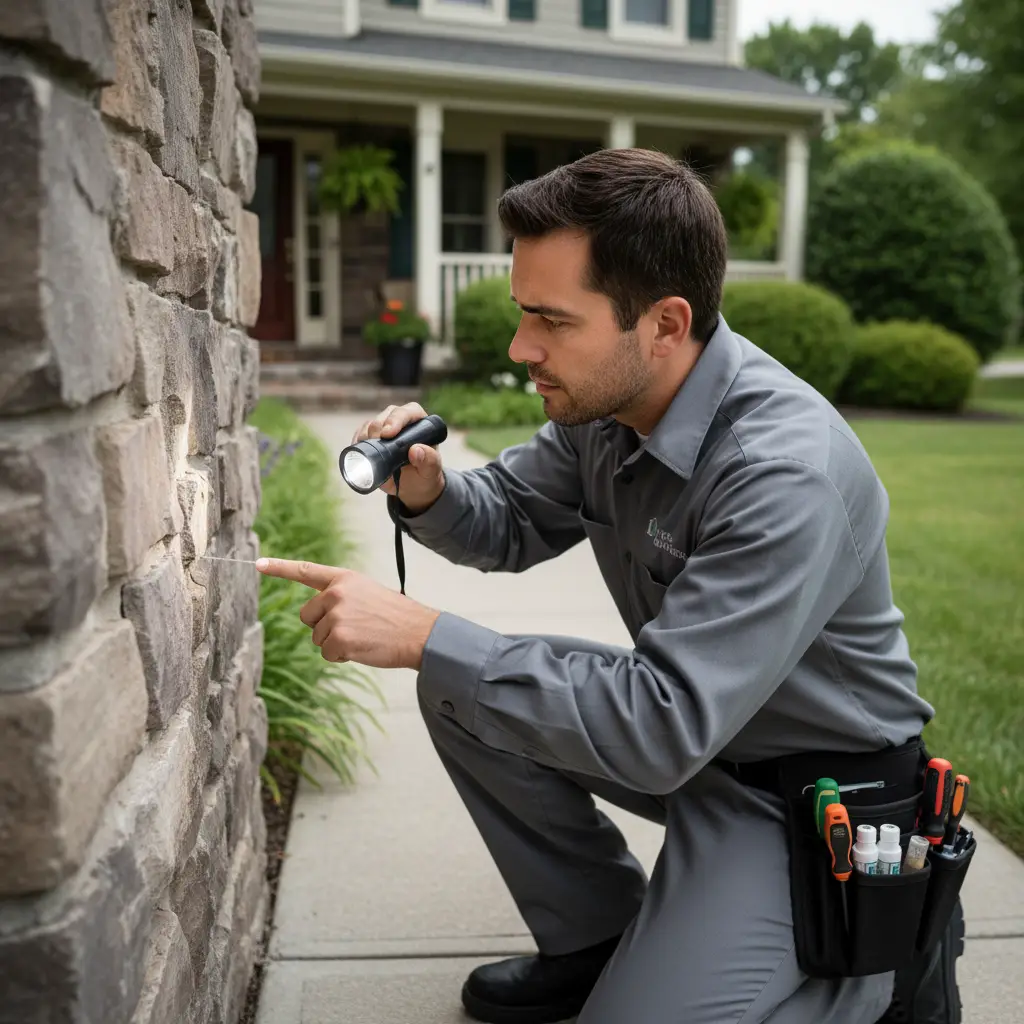
Professional pest control technicians, like those at professional pest control companies, possess specialized knowledge of rodent behaviour and common entry points specific to Auckland’s climate and building types. They conduct thorough, systematic inspections, often using tools like thermal cameras or endoscopes, to identify hidden access points in walls, attics, and subfloors that are invisible to the untrained eye. They can also differentiate between species of rodents, which is crucial for tailoring the most effective exclusion and control strategies.
Long-Term Solutions and Warranty
A professional service doesn’t just address the immediate problem; it focuses on long-term prevention. This includes not only sealing entry points but also advising on environmental modifications and sanitation practices that deter future infestations. Many reputable companies offer warranties on their exclusion work, providing peace of mind that your home will remain rodent-free. This commitment to lasting solutions provides significant value beyond a temporary fix.
The Role of Integrated Pest Management (IPM)
Modern pest control employs an Integrated Pest Management (IPM) approach. This holistic strategy combines exclusion, sanitation, and, if necessary, targeted baiting or trapping with minimal environmental impact. Professionals are trained to implement IPM effectively, ensuring that any control methods used prioritize Pet Safe Rodent Control, keeping your family safe while being highly effective against rodents. They understand the proper placement of baits and traps, avoiding non-target species and mitigating risks. Consulting experts like the U.S. Environmental Protection Agency (EPA) for best practices in rodent control can also provide valuable insights into safe and effective strategies.
Rodent proofing your house is an ongoing commitment, not a one-time task. By understanding why rodents seek shelter indoors, conducting diligent inspections, implementing robust DIY sealing techniques, and knowing when to enlist professional help, Auckland homeowners can create a resilient barrier against these unwelcome winter guests. Proactive measures not only protect your property from damage but also safeguard the health and well-being of your family. Stay vigilant, stay proactive, and enjoy a rodent-free home this winter and beyond.
People Also Ask (PAA)