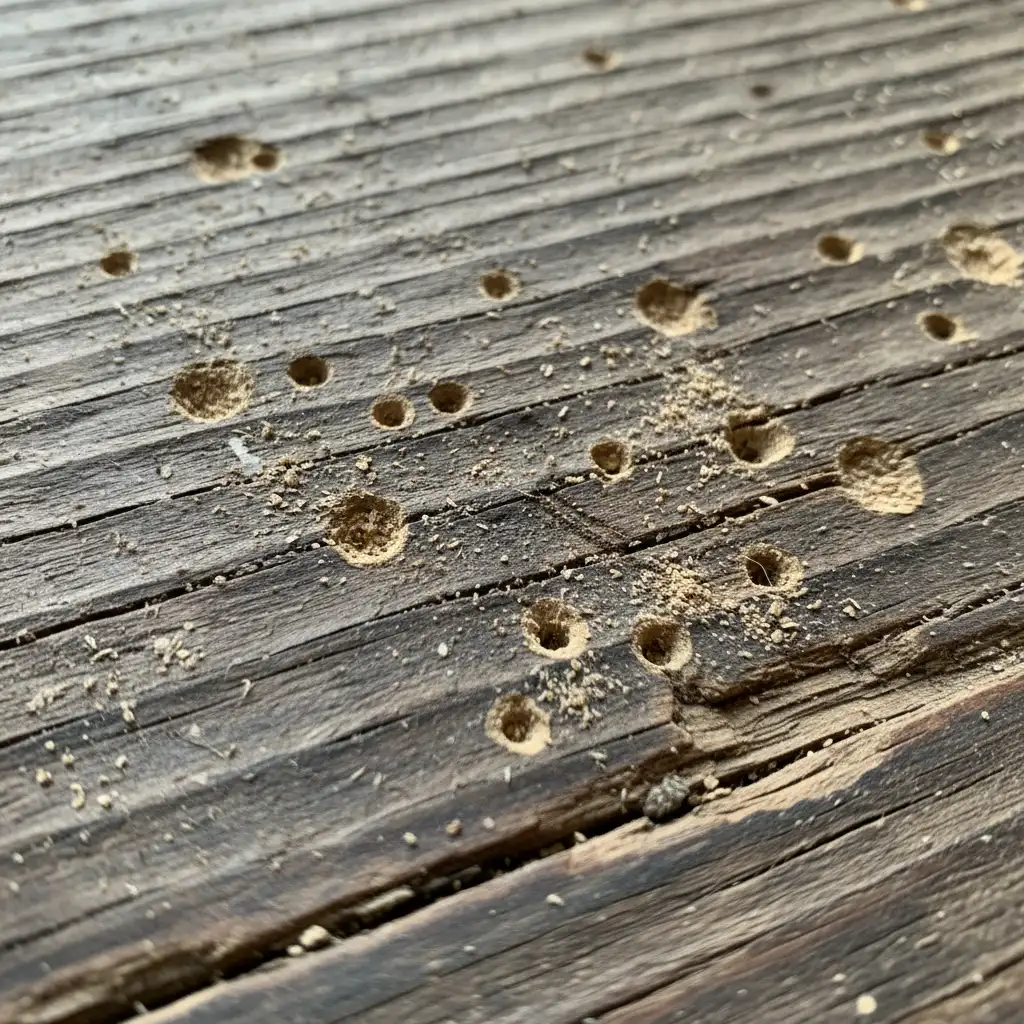
The Avondale spider (Delena cancerides) is a large, flat huntsman spider introduced to Auckland, New Zealand, from Australia in the 1920s. Despite their intimidating size and rapid movements, the Avondale spider in Auckland is generally harmless to humans, highly docile, and rarely bites unless severely provoked.
Encountering an Avondale spider can be a startling experience for many residents and visitors. With a leg span that can reach up to 20 centimeters, they are easily one of the most visually formidable arachnids found in the country. However, understanding their behavior, habitat, and history reveals a fascinating creature that plays a beneficial role in the local ecosystem by controlling other pest populations.
Whether you are dealing with a sudden arachnid visitor in your home or simply looking to learn more about local wildlife, knowing the facts about the Avondale spider in Auckland is essential. This comprehensive guide will walk you through their unique history, distinct physical characteristics, potential safety concerns, and effective pest control management strategies. By the end of this article, you will have a thorough understanding of how to identify and coexist with these gentle giants of the spider world.
History of Avondale Spiders in New Zealand
The story of the Avondale spider in Auckland begins across the Tasman Sea in Australia. Originally known as the flat huntsman spider, this species is native to various regions of the Australian continent. They made their accidental voyage to New Zealand in the early 1920s, stowing away in shipments of hardwood timber destined for the growing infrastructure of Auckland.
Upon arriving, these spiders found the climate and environment of the Avondale suburb particularly accommodating. The area was rich in wattle trees, which provided the perfect natural habitat for these bark-dwelling arachnids. Because their population initially exploded and remained highly localized within this specific western suburb of Auckland, locals quickly dubbed them the “Avondale spider.”
For decades, the spider remained a localized curiosity, largely unknown to the rest of the world. However, their status changed dramatically in 1990 when Hollywood came calling. The producers of the hit thriller movie Arachnophobia needed a large, fearsome-looking spider that was actually harmless and easy to handle for the actors. The Avondale spider fit the bill perfectly.
Over 300 Avondale spiders were exported from Auckland to California to star in the movie Arachnophobia. Their docile nature made them ideal “actors” for scenes requiring spiders to crawl over the human cast.
Following their cinematic debut, the Avondale spider gained international recognition, transforming from a suburban pest into a minor local celebrity. Despite this fame, their population in Auckland has actually seen a decline in recent years. Urban development, habitat loss, and the reduction of wattle trees in the Avondale area have all contributed to a noticeable drop in their numbers.

Identification: Spotting the Avondale Spider Auckland
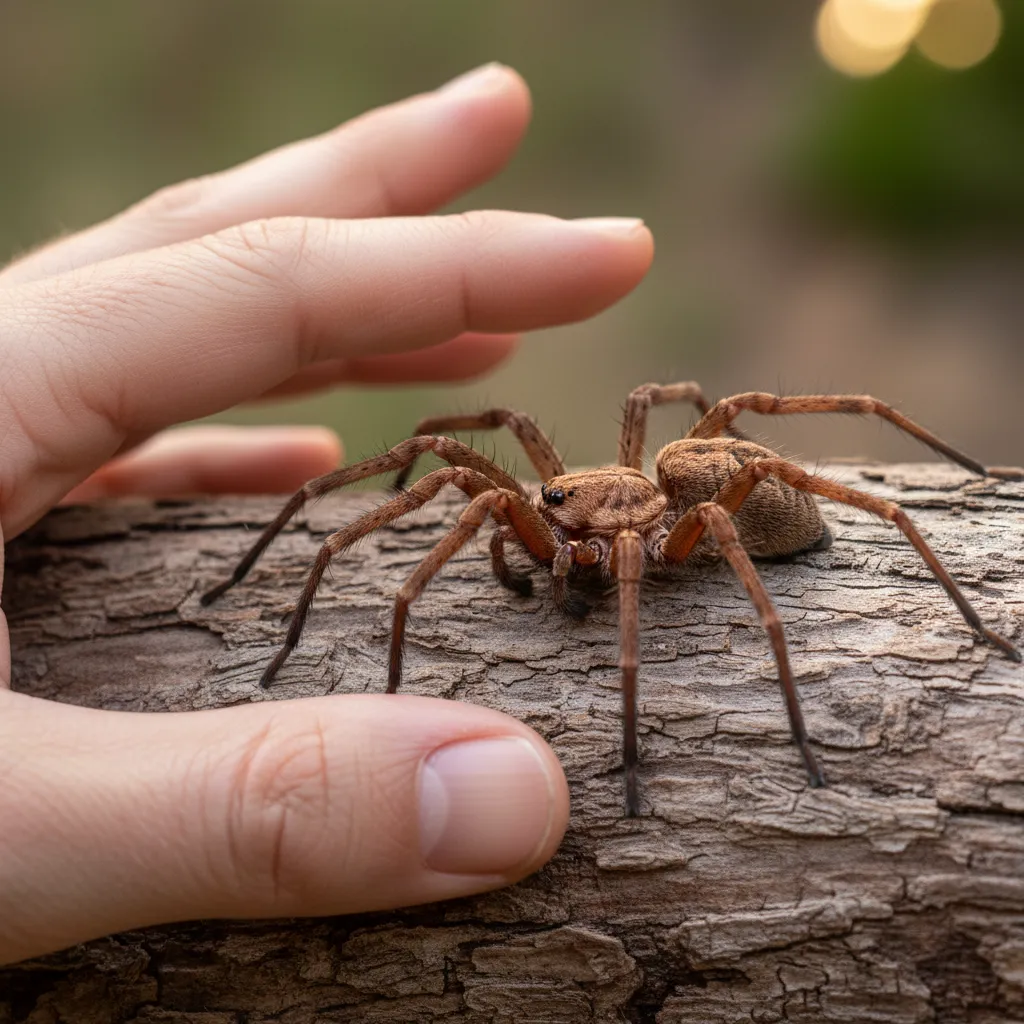
Proper identification is crucial when dealing with any pest control spider Auckland situation. The Avondale spider is a member of the huntsman family, which immediately gives clues about its physical appearance. They are exceptionally large compared to native New Zealand spiders, boasting a leg span that can easily cover an adult human’s hand.
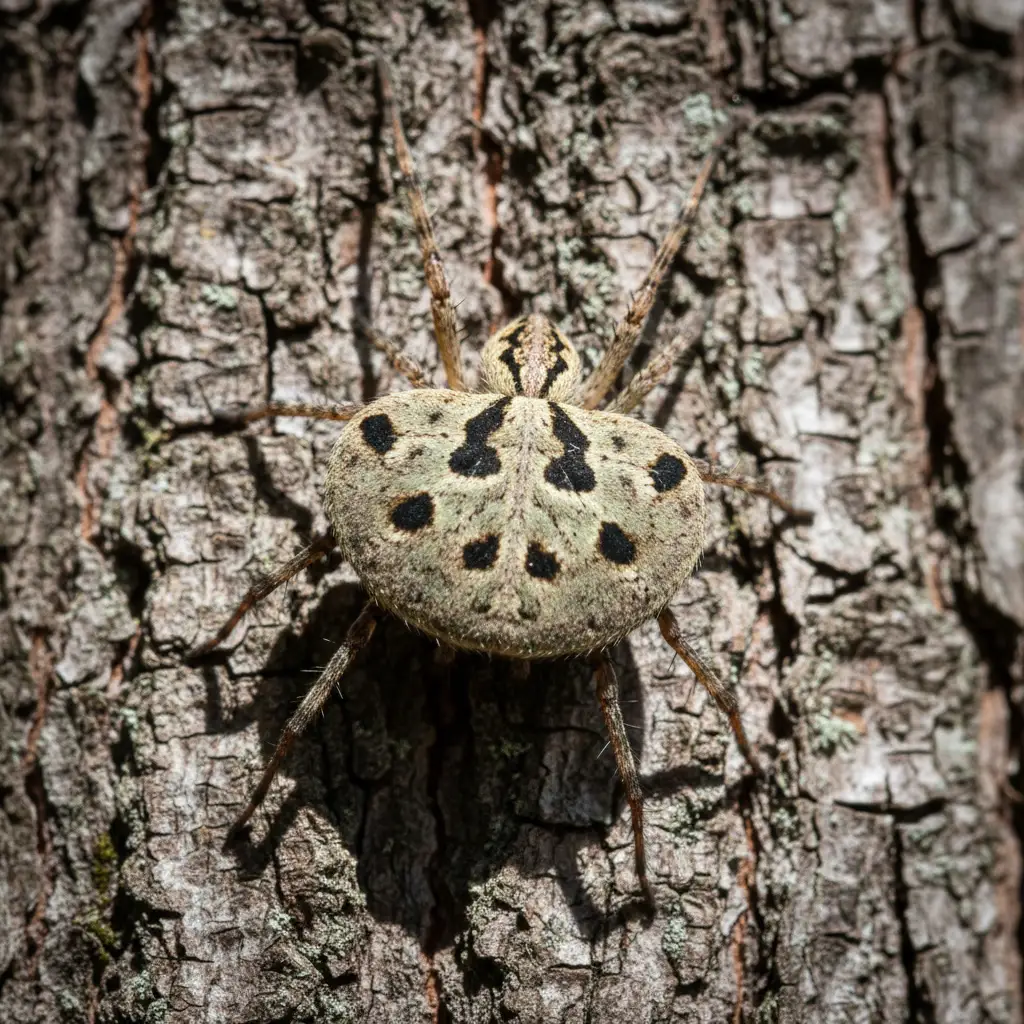
The most distinguishing feature of the Avondale spider is its remarkably flat body profile. This evolutionary adaptation allows them to squeeze into incredibly tight spaces, such as beneath the peeling bark of trees or into narrow crevices in human dwellings. Their coloration is typically a mottled light brown or grey, which serves as excellent camouflage against tree bark and wooden surfaces.
When observing an Avondale spider, you will notice their legs are jointed in a unique way that allows them to move laterally, much like a crab. This crab-like movement is a hallmark of all huntsman spiders and contributes to their somewhat unsettling appearance when they scurry across a wall. Let’s break down their key physical traits for easier identification.
- Size: Adult females can have a leg span of up to 20cm, while males are slightly smaller but have longer legs relative to their body size.
- Coloring: Earthy tones ranging from pale grey to light brown, often with darker mottled spots that aid in camouflage.
- Body Shape: Extremely flattened cephalothorax and abdomen, designed for navigating tight, narrow spaces.
- Eyes: They possess eight eyes arranged in two rows of four, providing excellent vision for hunting at night.
To ensure you are accurately identifying the Avondale spider, it helps to compare it against other common spiders found in Auckland homes. Misidentification often leads to unnecessary panic, especially when harmless spiders are confused with more problematic species like the White Tail spider.
| Spider Species | Average Leg Span | Key Distinguishing Feature | Danger Level |
|---|---|---|---|
| Avondale Spider | 15cm – 20cm | Flat body, crab-like lateral movement | Very Low |
| White Tail Spider | 3cm – 5cm | Distinct white spot on the end of the abdomen | Moderate (Painful bite) |
| Tunnel Web Spider | 4cm – 6cm | Bulky, dark black/brown body, large fangs | Low to Moderate |
Are They Dangerous? Understanding Avondale Spider Bites
The most common question regarding the Avondale spider in Auckland is whether or not they pose a danger to humans or pets. Despite their terrifying appearance and rapid bursts of speed, these spiders are overwhelmingly harmless. They are incredibly timid creatures that prefer flight over fight in almost every scenario.
Avondale spiders do not possess venom that is considered medically significant to human beings. If you were to be bitten, the primary sensation would be localized pain resulting from the mechanical puncture of their large fangs, rather than the effects of the venom itself. The pain is often compared to that of a moderate bee sting and usually subsides within a few hours.
Bites are exceedingly rare because the spider must be severely provoked, cornered, or roughly handled to resort to biting. In most cases, if an Avondale spider finds itself on a human, it will simply use the person as a bridge to get to higher ground or a darker hiding spot. They have no interest in attacking humans, as we are far too large to be considered prey.
If bitten by an Avondale spider, wash the area with soap and water, apply a cold pack to reduce swelling, and take over-the-counter pain relief if necessary. Seek medical attention only if you experience signs of an allergic reaction or if the pain persists for several days.
When it comes to household pets like cats and dogs, the Avondale spider is equally harmless. While a curious cat might get a nasty nip on the nose if it traps a spider, the venom will not cause serious harm to the animal. In fact, pets are a much larger threat to the spiders than the spiders are to them.
It is also worth noting that the Avondale spider is highly social, which is a rare trait among arachnids. They often live in large family colonies, sharing prey and cohabitating peacefully. This social nature further underscores their lack of aggression, as they are evolved to tolerate the presence of others rather than attack on sight.
Habitat: Where Do Avondale Spiders Live?
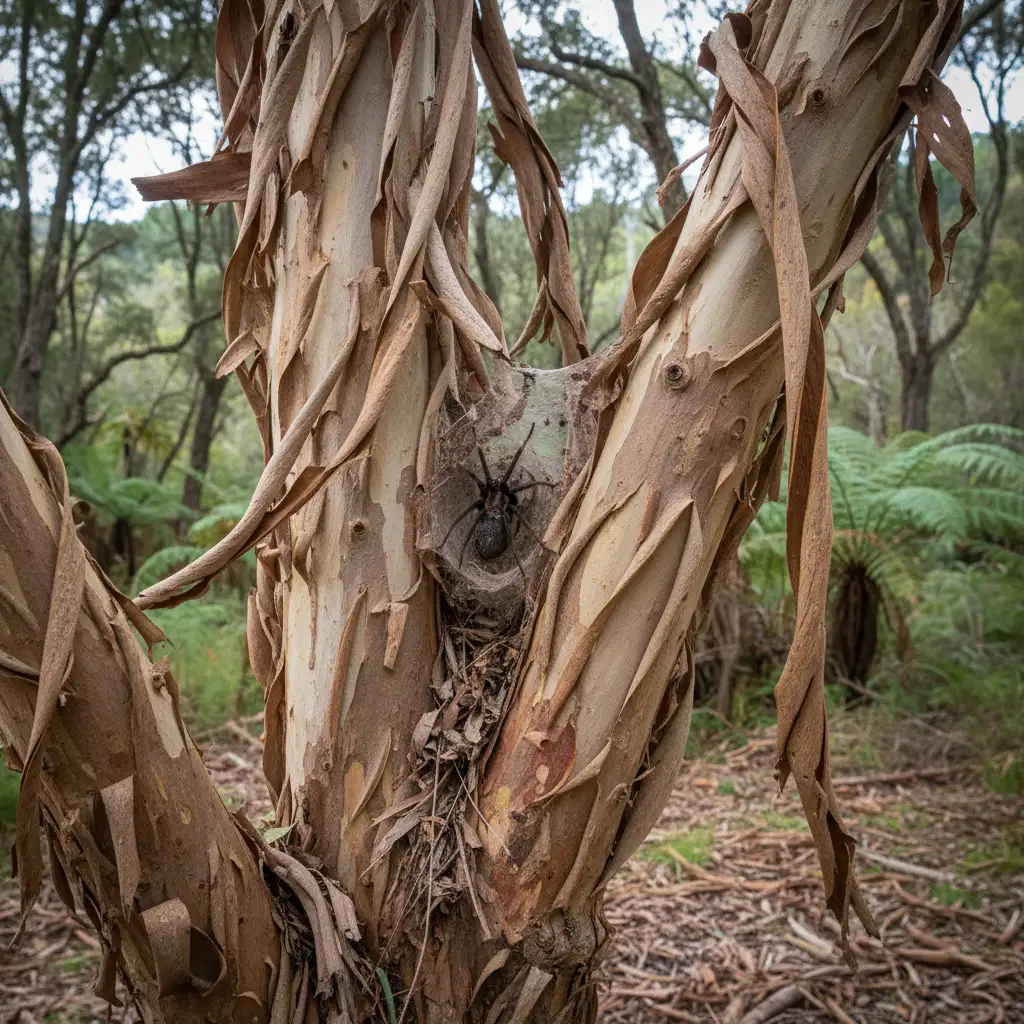
Understanding the habitat of the Avondale spider in Auckland is key to both finding them and keeping them out of your home. In their natural environment, these spiders are heavily dependent on trees with loose, peeling bark. The Australian wattle tree, which was planted extensively in the Avondale area during the early 20th century, remains their preferred home.
During the daylight hours, Avondale spiders retreat into dark, tight crevices to sleep and hide from predators like birds. Their flattened bodies allow them to slide effortlessly under the bark of dead or dying trees. They are strictly nocturnal hunters, emerging only after the sun goes down to actively forage for insects and other small invertebrates.
While they prefer the outdoors, Avondale spiders frequently wander into human dwellings, particularly during the cooler months or after heavy rainfall. When they enter a home, they instinctively seek out environments that mimic their natural habitat. This means they are most commonly found in attics, roof voids, behind large pieces of furniture, or tucked into the folds of heavy curtains.
To reduce the likelihood of Avondale spiders residing near your home, clear away piles of dead wood, remove loose bark from garden trees, and trim back branches that touch your roof or exterior walls.
The suburb of Avondale remains the epicenter for this species, but their territory has expanded slightly over the decades. Sightings are occasionally reported in neighboring western suburbs such as Blockhouse Bay, New Lynn, and Waterview. However, they have failed to establish significant populations across the wider Auckland region, largely due to a lack of suitable, continuous habitat.
Interestingly, because they do not build webs to catch prey, you will not find the telltale signs of cobwebs associated with an Avondale spider infestation. They are active hunters that rely on stealth and speed to ambush their meals. This lack of webbing makes them harder to detect until you physically spot the spider itself resting on a wall or ceiling.
Pest Control: Managing the Avondale Spider Auckland
For those searching for “pest control spider auckland” solutions, dealing with the Avondale spider requires a specific approach. Because these spiders are fundamentally beneficial to the environment by eating flies, mosquitoes, and cockroaches, outright extermination is rarely recommended. Instead, the focus should be on exclusion and management.
If you find an Avondale spider inside your home, the most humane and practical solution is to capture and release it. Place a large clear container over the spider, gently slide a piece of stiff cardboard underneath to seal the opening, and carry the spider outside to a nearby tree. Because they are slow to bite, this method is entirely safe if done calmly.
For persistent issues where multiple spiders are finding their way indoors, physical exclusion is your best defense. Avondale spiders can squeeze through incredibly narrow gaps due to their flat bodies. Inspect your home’s exterior for cracks around window frames, gaps under doors, and poorly sealed vents. Applying weather stripping and using silicone caulk can significantly reduce entry points.
1. Install tight-fitting insect screens on all windows and vents. 2. Seal cracks in the foundation and exterior walls. 3. Ensure roof tiles and eaves are properly fitted without gaps. 4. Reduce indoor clutter where spiders can hide.
Chemical pest control should be considered a last resort for Avondale spiders. Broad-spectrum insecticidal sprays applied to the exterior perimeter of the home can deter them, but these chemicals also harm beneficial insects. If you feel overwhelmed by an infestation, it is highly recommended to consult a professional Auckland pest control service.
Professional exterminators have access to targeted treatments that can create a barrier around your home without causing unnecessary environmental damage. They can also assess your property to identify the specific environmental factors—such as nearby wattle trees or woodpiles—that are attracting the spiders in the first place, offering a long-term solution rather than a temporary fix.
Frequently Asked Questions
Verified Sources & References
-
Te Papa Tongarewa – Avondale Spider
The Museum of New Zealand provides an authoritative historical and biological overview of the Avondale spider’s introduction and characteristics.
-
Manaaki Whenua Landcare Research – New Zealand Spiders
A highly credible New Zealand Crown Research Institute detailing the identification and ecological impact of various spiders in NZ, including the huntsman.
-
Wikipedia – Delena cancerides
A comprehensive global encyclopedia entry outlining the taxonomy, behavior, and pop-culture significance (Arachnophobia movie) of the flat huntsman spider.