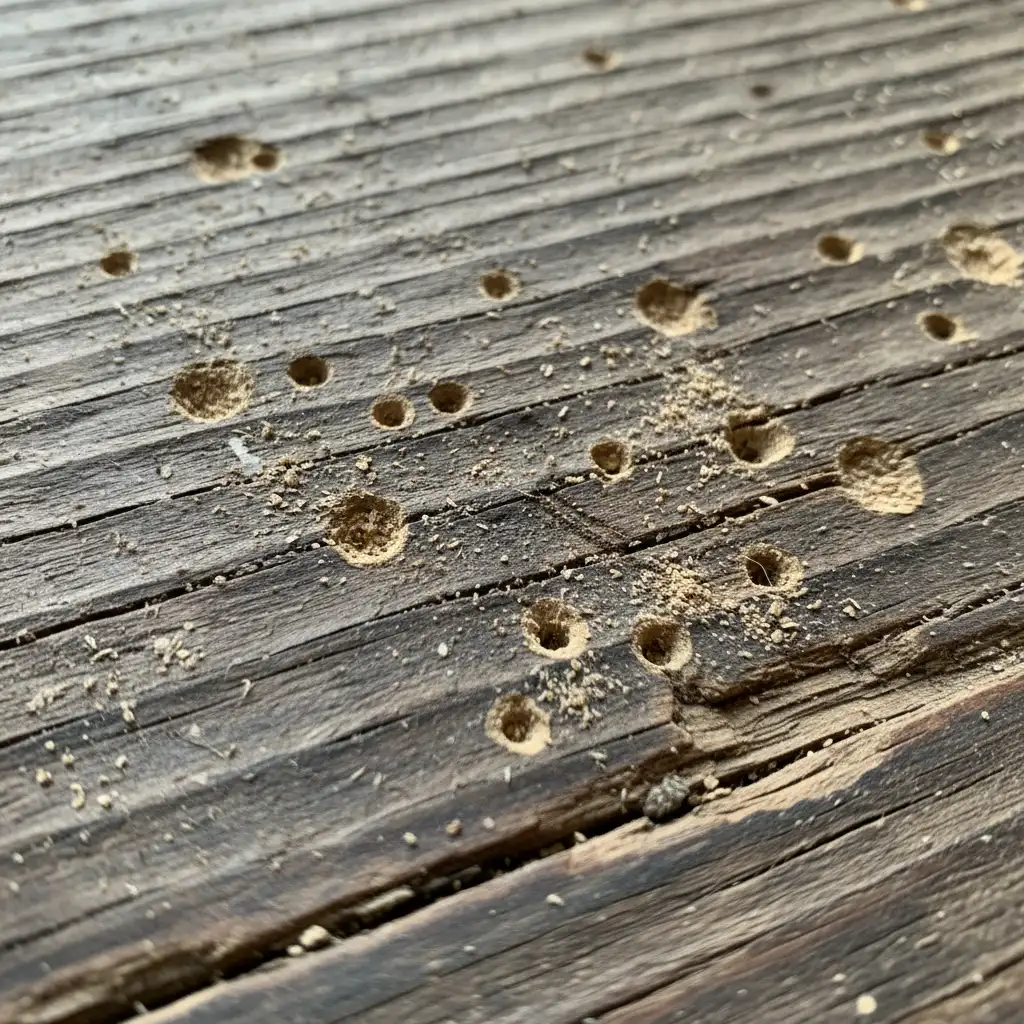
Running a bustling restaurant on Auckland’s North Shore is a high-stakes endeavour where your culinary reputation is served on every single plate.
A single sighting of a cockroach or a mouse scurrying across your dining floor can instantly destroy years of hard-earned goodwill and customer trust. In the age of viral social media reviews and strict Auckland Council regulations, maintaining a pristine environment is no longer optional. It is the absolute foundation of your hospitality business and the key to long-term survival.
Restaurant pest control requires far more than setting a few traps or spraying generic chemicals after hours. It demands a highly strategic, audit-ready approach that aligns seamlessly with New Zealand’s rigorous food safety laws. For North Shore hospitality venues, partnering with commercial pest management experts is the ultimate insurance policy against devastating closures.
By implementing proactive, scientifically backed measures, you safeguard your customers from disease. You also protect your brand’s reputation and ensure your daily operations run without costly, embarrassing interruptions.
Specialized Pest Control for Restaurants
When it comes to the hospitality sector, generic residential pest control solutions simply do not cut it. Commercial kitchens present unique and complex challenges that require specialized knowledge. They offer an abundance of food, water, and ambient warmth that pests find completely irresistible.
A specialized approach involves rigorous site inspections, targeted chemical applications, and detailed compliance documentation. This multi-layered strategy ensures your business meets New Zealand Food Safety standards. It is the only reliable way to maintain the highly coveted ‘A’ hygiene grade.
Meeting Auckland Council Food Safety Standards
Auckland Council operates a stringent food safety grading system that publicly displays the hygiene standards of your establishment. An ‘A’ grade signals excellence to your patrons, while a ‘D’ or ‘E’ rating can lead to immediate business disruption. Between September 2023 and January 2024, Auckland Council exposed 43 restaurants across the region for serious breaches.
These breaches included severe pest infestations, poor cleaning practices, and inadequate food storage. Central Auckland topped the list with 13 ‘D’ grade restaurants, followed by South Auckland with 12, and the North Shore with four.
The financial impact of failing a council audit extends far beyond lost customer trust and negative press coverage. While food safety breaches do not immediately result in direct fines, the council incurs heavy costs for mandatory reinspection visits. The average cost passed onto the business for reinspection is $1400 for ‘E’ grades and up to $771 for ‘D’ grades.
Receiving an ‘E’ grade from Auckland Council means your establishment is deemed a critical risk to public health and must close immediately. You will also be required to display the ‘E’ grading publicly for at least four weeks after reopening, which can devastate foot traffic.
Zero Tolerance for Pests in Kitchens
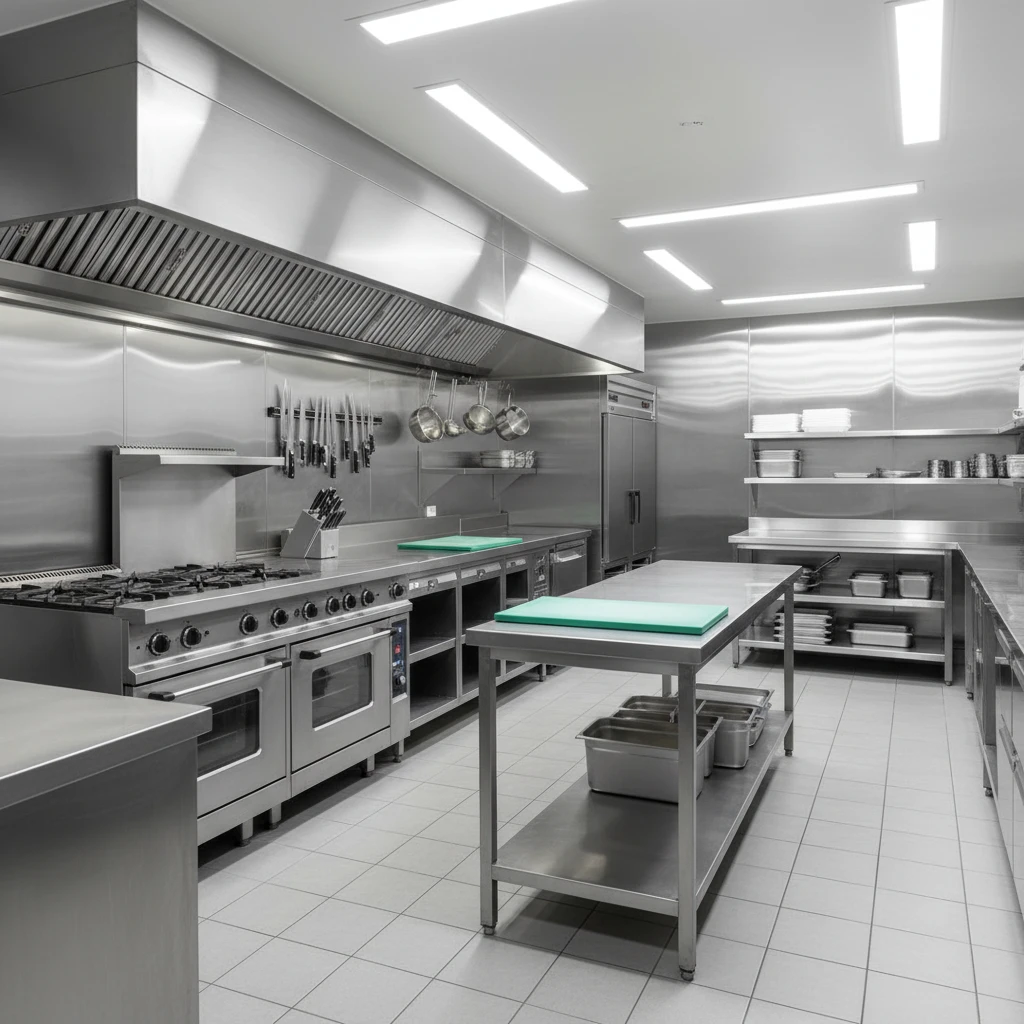
Food Safety Officers (FSOs) in Auckland are highly trained to detect even the most subtle signs of pest activity during unannounced audits. They look far beyond live insects, meticulously inspecting your premises for droppings, egg cases, and greasy smear marks. These signs are often hidden in hard-to-reach areas like motor housings, door seals, and behind stainless steel splashbacks.
If an active infestation is identified, the council has the immediate authority to issue improvement notices or close the premises entirely. Furthermore, Auckland Council design standards require commercial kitchens to be proactively built to prevent pest entry in the first place.
Floors must be properly coved at the walls to prevent the build-up of dirt and bacteria at the junctions. Fly screens must be installed on doors and windows to control insects, and walls must be sealed tightly to prevent vermin nests.
Common Restaurant Pests on the North Shore
The North Shore’s unique coastal and suburban environment creates specific, year-round pest pressures for local eateries. Understanding your enemy is the very first step in implementing an effective Integrated Pest Management (IPM) strategy. Different pests require entirely different eradication methods, making professional identification absolutely crucial.
Cockroaches and Flies
The German Cockroach is widely considered public enemy number one for Auckland restaurants. These domestic pests thrive indoors, requiring the exact warmth and moisture that commercial kitchens provide in abundance. A single female can carry an egg capsule containing up to 40 eggs, leading to explosive population growth in just weeks.
Cockroaches are not merely a visual nuisance; they are dangerous vectors for serious pathogens. They frequently spread diseases including Salmonella, E. coli, and Staphylococcus across food preparation surfaces.
Install UV fly zappers away from direct food preparation areas. Placing them directly above prep stations can cause dead insects to fall into the food, creating a severe cross-contamination hazard that auditors will instantly penalize.
Flies are another major concern, especially during the humid Auckland summer months. They breed rapidly in waste areas and easily transfer bacteria from garbage bins directly to your customers’ plates. Effective fly control requires strict sanitation protocols, proper waste management, and strategically placed insect light traps.
Rodents in Storage Areas
Mice and rats are equally devastating to a restaurant’s daily operations and long-term reputation. Because mice are small and lose body heat quickly, they naturally gravitate to the warmest areas of your restaurant. They frequently nest inside or behind dishwashers, commercial fridges, freezers, and interior electric hot water cylinders.
A rodent nest usually resembles a messy collection of shredded papers, towels, and stolen insulation. Rodents pose a massive threat to your dry goods and pantry storage areas. They can easily chew through cardboard and plastic packaging, contaminating vast quantities of expensive ingredients with their urine.
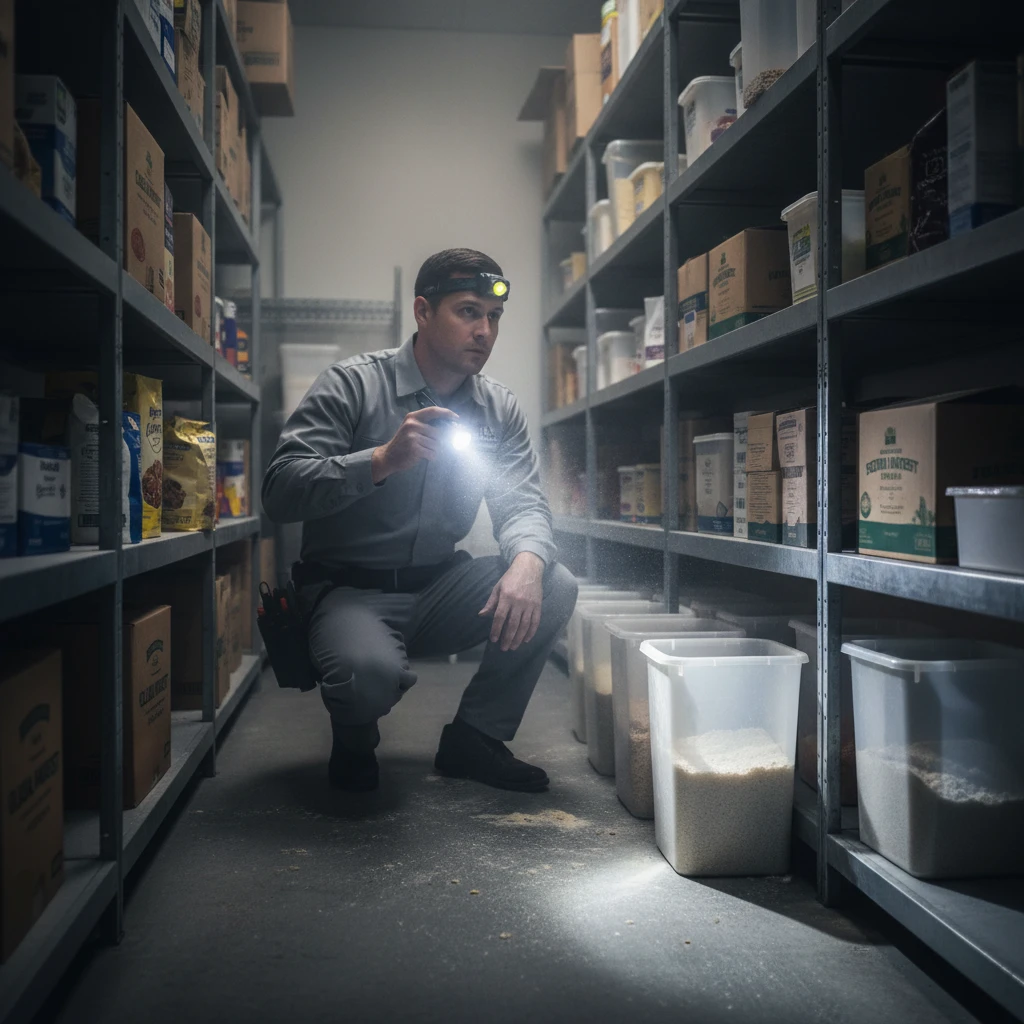
Furthermore, rodents constantly gnaw on structural materials to file down their rapidly growing teeth. This gnawing behavior often leads to damaged electrical wiring within the walls. Consequently, rodents are responsible for creating severe fire hazards within commercial hospitality premises.
Discreet and After-Hours Treatments
We understand that visible pest control activities can be highly alarming to your dining patrons. Seeing a technician in a protective suit walking through a dining room is a surefire way to kill an appetite. That is why professional restaurant pest control on the North Shore is designed to be entirely discreet.
Top-tier service providers offer highly flexible scheduling to accommodate your opening hours. They conduct their most intensive chemical treatments and trap maintenance long after your doors have closed for the night. This ensures zero disruption to your revenue-generating service periods.
Professional pest controllers use specialized, lockable bait stations and food-safe gels that are specifically approved for use in commercial food preparation areas. This meticulous approach guarantees zero risk of chemical cross-contamination with your ingredients.
Attempting to handle pest control internally using standard, store-bought products is a dangerous gamble. DIY pest control rarely satisfies Auckland Council food safety auditors, who require professional documentation of all chemical applications. Applying restricted chemicals in a commercial kitchen environment usually requires a certified Approved Handler.
| Feature | DIY Pest Control | Professional Commercial Pest Control |
|---|---|---|
| Chemical Safety | High risk of food and surface contamination | Approved, food-safe applications and targeted gels |
| Audit Compliance | No official documentation provided to council | Full logbooks, site maps, and audit-ready reports |
| Effectiveness | Treats visible symptoms and stragglers only | Eradicates the nest and addresses the root cause |
| Cost Over Time | Expensive due to repeated failures and heavy fines | Cost-effective, predictable preventative maintenance |
Ongoing Monitoring and Reporting
Achieving legal compliance with the Food Act 2014 requires meticulous documentation and ongoing vigilance. The Act requires higher-risk businesses, such as restaurants, to operate under a written and evaluated Food Control Plan (FCP). A professional pest management plan provides the vital paper trail needed to prove to auditors that you are taking all practicable steps.
Without this robust documentation, passing your annual verification check becomes incredibly difficult. Modern pest control relies heavily on data collection and continuous, proactive monitoring. Technicians map out your entire premises, strategically placing numbered bait stations and digital traps.

During each scheduled visit, they meticulously log the activity levels at each specific station. This data allows them to identify emerging pest hotspots and adjust their treatment strategies dynamically. By catching a minor issue early, they prevent it from evolving into a full-blown, business-threatening infestation.
Ensure your current pest management folder includes: A site map of all bait stations, safety data sheets (SDS) for all chemicals used, technician service reports, and a schedule of future preventative treatments.
Your pest control logbook should be kept on-site and easily accessible at all times for unannounced visits. When an Auckland Council inspector arrives, handing them a comprehensive, professionally maintained folder instantly establishes trust. It demonstrates that your management team takes food safety seriously and operates with a high level of professionalism.
Contact Our Hospitality Experts
Protecting your North Shore restaurant from pests is an ongoing commitment to excellence and public health. Do not wait for a failed council audit, an ‘E’ grade, or a viral customer complaint to finally take action. The cost of proactive pest management is merely a fraction of the cost associated with lost revenue and reputational damage.
Partner with a dedicated commercial pest control team that intimately understands the unique demands of the Auckland hospitality sector. Our tailored solutions are designed specifically for restaurants, busy cafes, late-night bars, and large commercial kitchens. We offer rapid response times across the entire North Shore, from Takapuna and Milford to Albany and Browns Bay.
Our certified technicians use the latest Integrated Pest Management (IPM) techniques to ensure your premises remain hygienic and compliant. We focus on long-term prevention rather than just short-term extermination. Contact us today to schedule a comprehensive, confidential site inspection and secure your ‘A’ grade for the future.
We provide comprehensive hospitality services that strictly include:
- Targeted eradication of German cockroaches and flying insects in prep areas.
- Discreet rodent baiting and trapping systems for dry goods and storage rooms.
- Full compliance reporting tailored for Auckland Council and the Food Act 2014.
- After-hours scheduling to ensure zero disruption to your daily service operations.
- Staff training on basic pest prevention, waste management, and sanitation best practices.
Frequently Asked Questions
Verified Sources & References
-
Auckland Council – Food Safety and Premises Design
The official local government body responsible for enforcing food safety standards, grading restaurants, and setting structural design requirements for commercial food premises in Auckland.
-
Ministry for Primary Industries (MPI) – Food Act 2014
The governing authority overseeing the Food Act 2014, which mandates Food Control Plans, National Programmes, and strict pest management compliance for all hospitality businesses in New Zealand.
-
Global Food Consumers Forum – Auckland Restaurant Inspections
An organization that tracks and reports on food safety breaches globally, providing statistical data on Auckland Council’s recent restaurant hygiene inspections and grading downgrades.