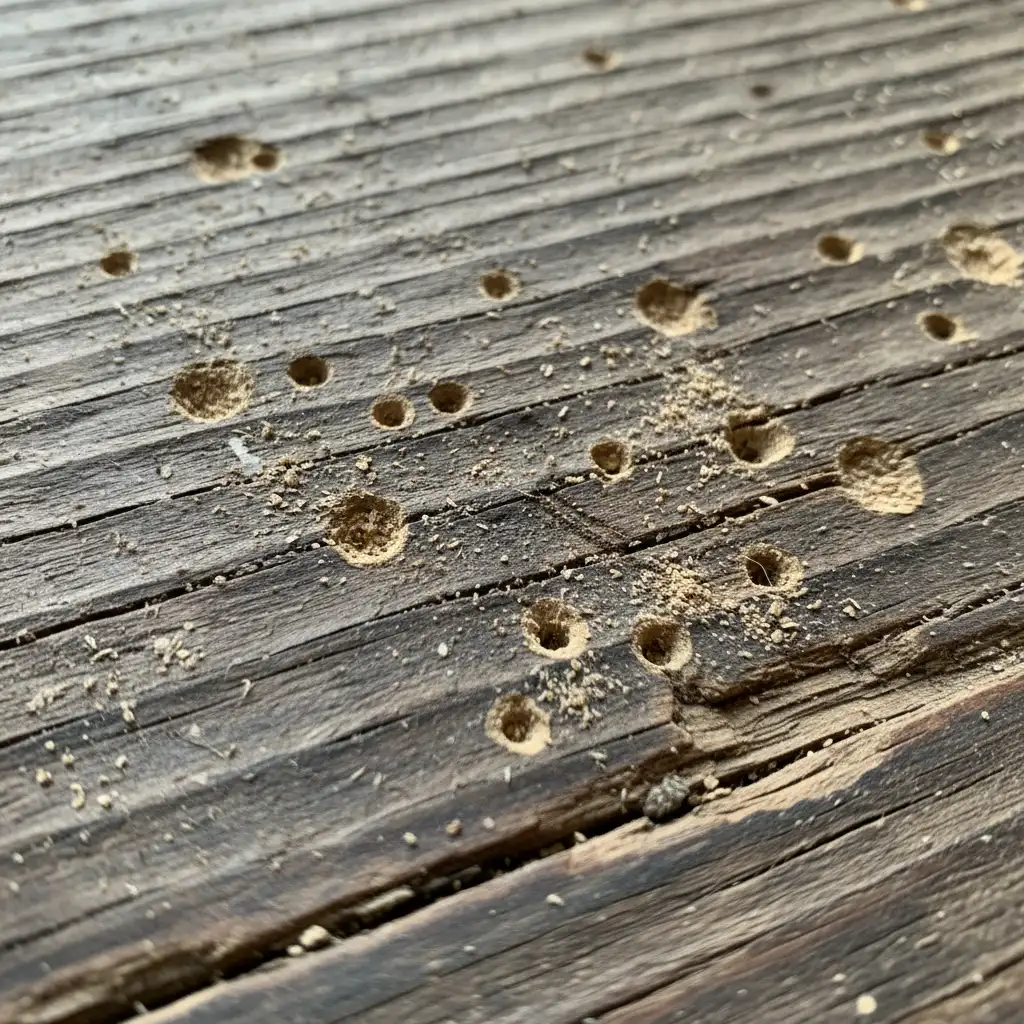
Professional rat and mice control on Waiheke Island involves a comprehensive approach tailored to the local environment. Services typically include a thorough property inspection to identify entry points and nesting sites, followed by the strategic deployment of humane traps and secured bait stations. Crucially, effective control also requires rodent-proofing your home to prevent future infestations, aligning with island-wide conservation efforts.
Defending Your Waiheke Home from Rodents
Waiheke Island is a beautiful place to live, but its lush environment also provides an ideal habitat for pests like rats and mice. These rodents are more than just a nuisance; they pose serious health risks and can cause significant damage to your property. Effective rat and mice control on Waiheke is essential for maintaining a safe and healthy home. Our professional services are designed to eliminate existing infestations and prevent them from returning, using methods that are both effective and mindful of the island’s unique ecosystem.
What Are the Signs of a Rodent Infestation?
Identifying a rodent problem early is key to preventing a full-blown infestation. Rats and mice are nocturnal and elusive, so you are more likely to see signs of their presence than the animals themselves. Being vigilant and knowing what to look for can help you take action before the population grows.
One of the most common indicators is the presence of droppings. Mouse droppings are small, dark, and pointed, resembling grains of rice, while rat droppings are larger, thicker, and have blunt ends. You may find them in cupboards, under sinks, or along skirting boards where rodents travel.
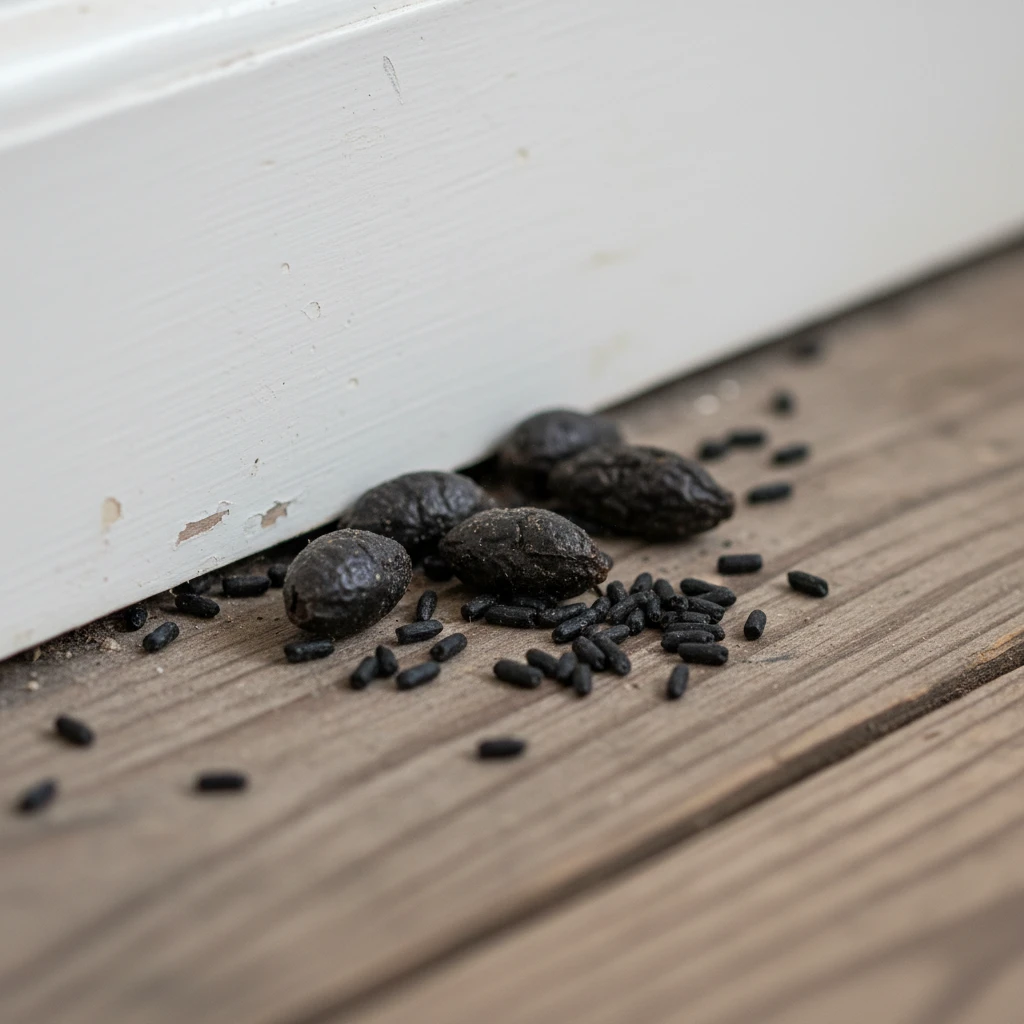
Another clear sign is gnaw marks. Rodents’ teeth never stop growing, so they must constantly chew on materials to file them down. Look for tooth marks on wood, plastic, electrical wires, and food packaging. The size of the marks can sometimes help distinguish between rats and mice.
You might also hear strange noises, especially at night. Scratching, scurrying, and squeaking sounds coming from inside walls, ceilings, or under floorboards are strong indicators of rodent activity. Pets often notice these sounds first and may become agitated or stare intently at a specific spot on a wall.
Other signs include greasy rub marks along walls where their fur brushes against surfaces, nesting materials like shredded paper or fabric in hidden corners, and a distinct, musky ammonia-like smell in enclosed areas.
What Are the Health Risks of Rats and Mice in NZ?
Beyond the property damage they cause, rats and mice are carriers of various diseases that can be transmitted to humans and pets. In New Zealand, the health risks associated with rodents are a serious concern, making prompt and effective control a priority for any homeowner.
One of the most significant risks is Leptospirosis. This bacterial disease is spread through the urine of infected rodents and can contaminate water, soil, and food. Humans can contract it through contact with contaminated surfaces, especially if they have cuts or scratches. Symptoms can range from flu-like illness to severe kidney or liver damage.
Another common threat is Salmonellosis. Rodents can carry Salmonella bacteria in their digestive tract and spread it through their droppings. Contamination of food preparation surfaces, utensils, or food itself can lead to severe food poisoning, causing symptoms like diarrhea, fever, and abdominal cramps.
While less common, other diseases like Rat-Bite Fever can occur through direct bites or scratches. Furthermore, rodents can introduce parasites such as fleas, ticks, and mites into your home, which can cause their own set of health issues and allergic reactions.
How Do We Control Rats and Mice on Waiheke?
Our approach to rat and mice control on Waiheke is thorough and tailored to the specific needs of your property. We understand the importance of protecting the island’s unique environment and work in alignment with local conservation goals, such as the Predator Free 2050 initiative supported by groups like Te Korowai o Waiheke.
The process begins with a comprehensive inspection of your home and surrounding property. We identify rodent species, locate entry points, find nesting sites, and assess the extent of the infestation. This allows us to create a customized treatment plan that addresses the root of the problem.
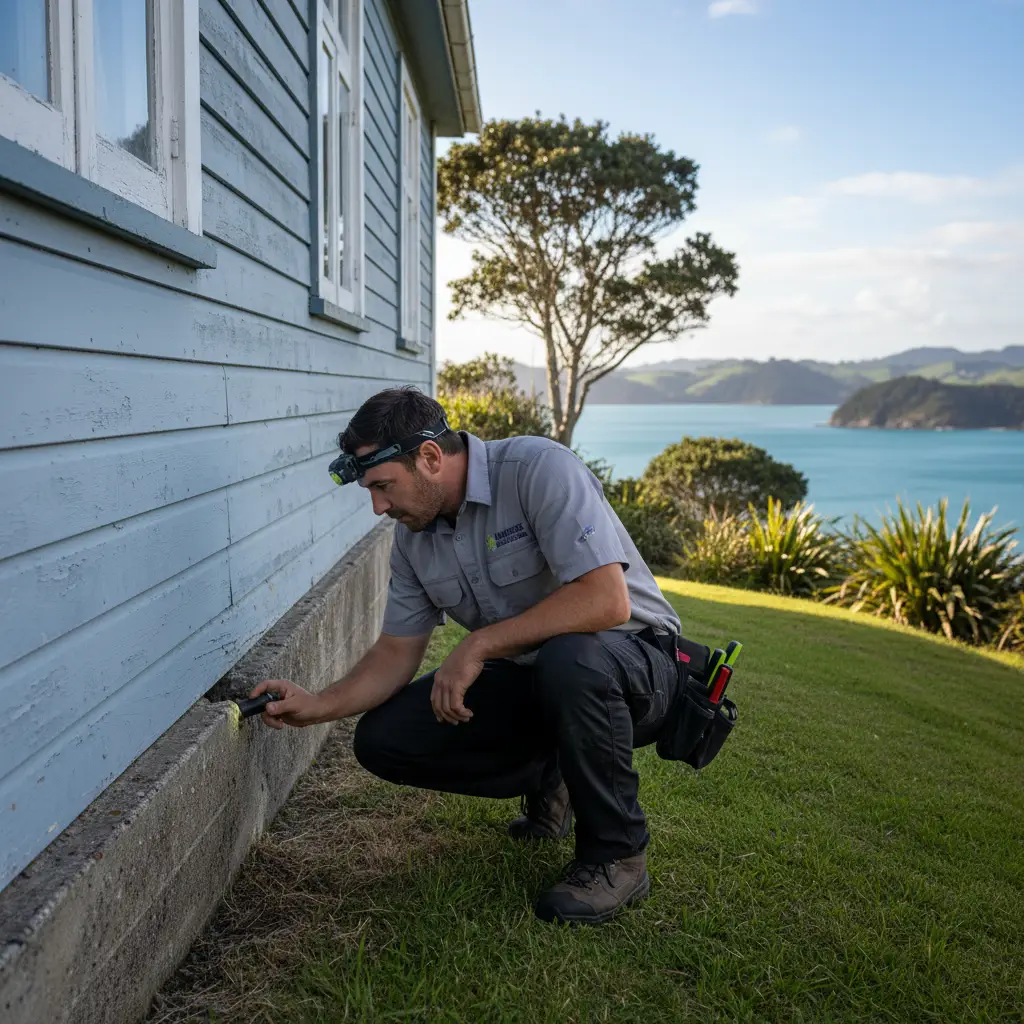
We utilise a combination of trapping and baiting methods. For immediate reduction of rodent populations inside the home, we often use high-quality snap traps placed strategically in travel paths. For longer-term control and exterior management, we deploy tamper-resistant bait stations secured in key locations. These stations contain bait that is highly attractive to rodents but inaccessible to children, pets, and non-target wildlife.
On Waiheke, where native birdlife is precious, we take extra care in selecting and placing control devices. We may also employ modern, self-resetting traps that are highly effective and require less frequent servicing, making them ideal for ongoing control in less accessible areas like bush-clad sections.
How Can You Rodent-Proof Your Home?
Eliminating the current population is only half the battle. To ensure your home remains rodent-free, you must implement rodent-proofing measures. This involves making your property less attractive and accessible to rats and mice. We provide guidance and services to help you achieve this.
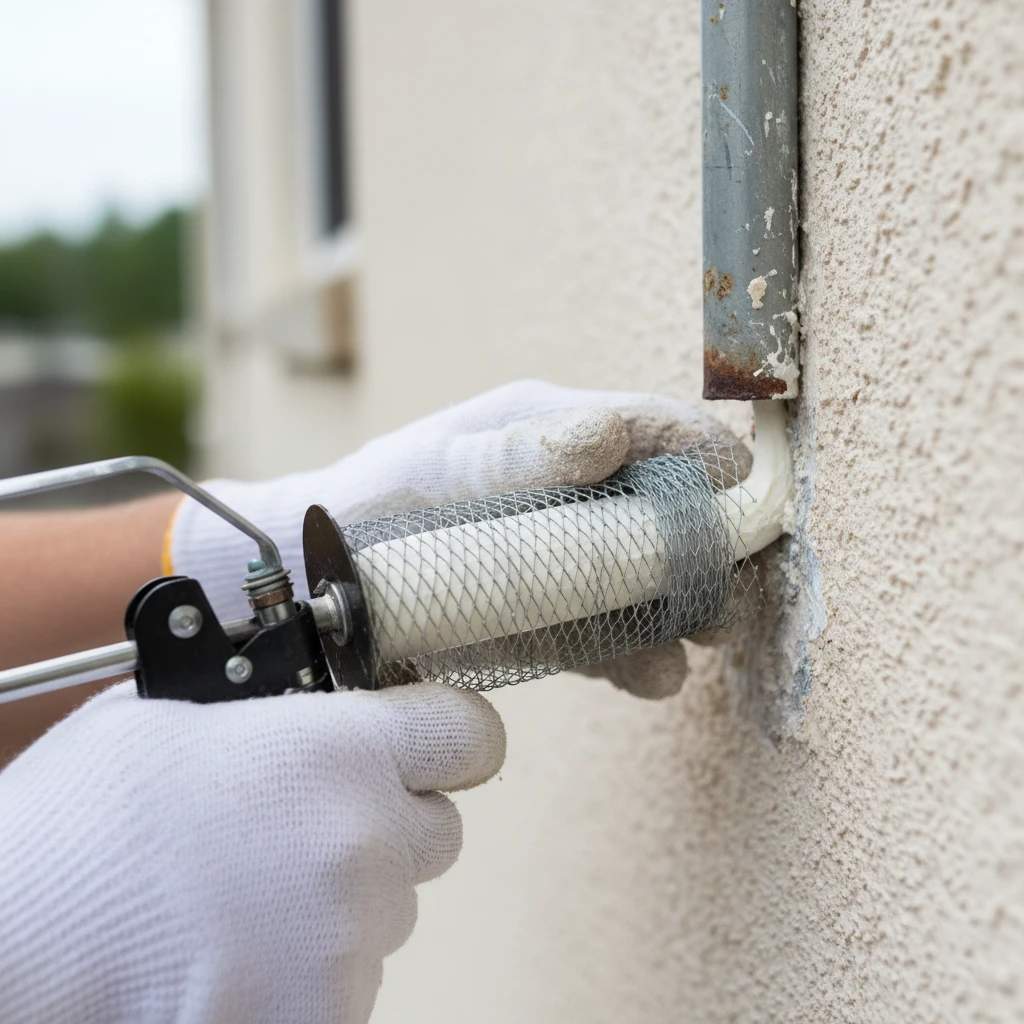
The most critical step is to seal all potential entry points. Mice can squeeze through a hole the size of a dime, and rats through a hole the size of a quarter. Inspect the exterior of your home for gaps around pipes, vents, cables, doors, and windows. Seal these openings with durable materials like steel wool, wire mesh, and caulk that rodents cannot chew through.
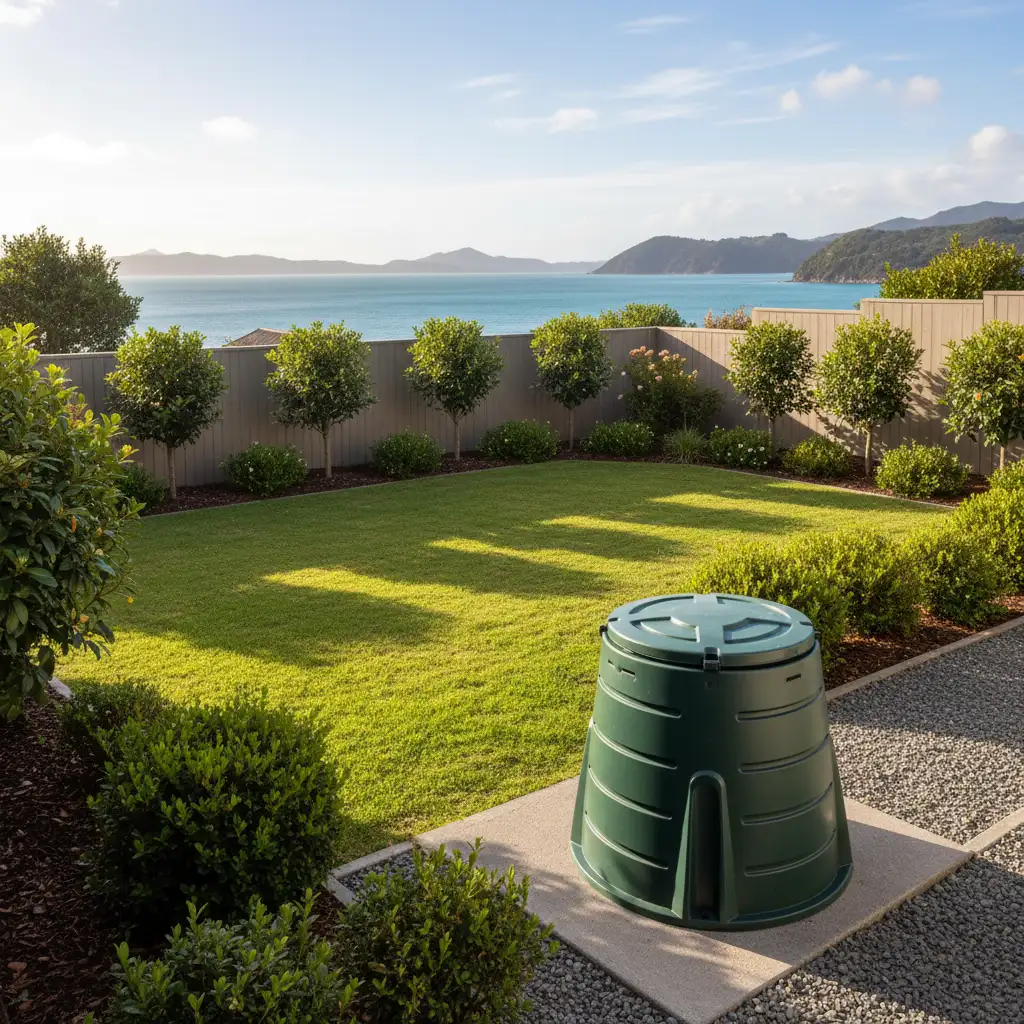
Sanitation is another key factor. Rodents are attracted to food and water sources. Keep your kitchen clean, store food in airtight containers, and never leave pet food out overnight. Ensure your rubbish bins have tight-fitting lids and are emptied regularly. Outside, keep compost bins sealed and clear away fallen fruit from trees.
Finally, maintain your garden and yard. Overgrown vegetation, piles of wood, and debris provide excellent shelter and nesting sites for rodents. Keep grass cut short, trim shrubs away from the house, and store firewood off the ground and away from walls. By removing their harbourage areas, you reduce the likelihood of them setting up shop near your home.
Schedule Your Rodent Removal Service Today
Don’t let rats and mice take over your Waiheke home. The risks to your health and property are too great to ignore. Our team of experienced pest control professionals is ready to provide you with a fast, effective, and lasting solution.
We offer comprehensive rat and mice control services on Waiheke Island, from initial inspection and treatment to ongoing maintenance and rodent-proofing advice. Protect your family and your investment by taking action today.
Contact us now to schedule an inspection and take the first step towards a rodent-free home.
Frequently Asked Questions about Rodent Control
How do I know if I have rats or mice?
Are the rodent control methods safe for my pets and children?
How long does it take to get rid of a rodent infestation?
Can I do my own rodent control?
What diseases can I catch from rats and mice in NZ?
How much does professional rodent control cost on Waiheke?
Verified Sources & References
-
Rodents | Ministry of Health NZ
The New Zealand Ministry of Health provides authoritative information on the health risks associated with rodents, including diseases like leptospirosis and salmonellosis, and offers general advice on control and hygiene.
-
Rats | Department of Conservation (DOC)
The Department of Conservation is a primary source for information on invasive species in New Zealand. Their page on rats details the different species found in NZ, their impact on native wildlife, and control methods, including those used in conservation efforts.
-
Te Korowai o Waiheke
Te Korowai o Waiheke is a community-led initiative working towards a predator-free Waiheke Island. Their website is a highly relevant local source, providing information on island-specific rodent control strategies, community trapping projects, and the broader conservation context.