What Is Rodent Removal and Exclusion?
Rodent removal and exclusion is a two-part process for eliminating mice and rats from a property. Removal involves the humane trapping and extraction of current rodent populations. Exclusion is the critical long-term solution of identifying and professionally sealing all entry points to prevent future infestations, ensuring a rodent-free home.
For homeowners in Sunnyvale, CA, discovering a rodent problem can be more than just a nuisance; it’s a serious threat to your property and health. As of early 2025, California has implemented stricter regulations on rodent control products, making professional intervention more critical than ever. This guide provides definitive, up-to-date information on how to safely and effectively manage rodent infestations through humane removal and permanent exclusion.
Health Dangers of Rodents in the Home
The presence of mice or rats in your living space is a significant health hazard. Rodents are known carriers of numerous diseases that can be transmitted to humans directly through contact with them or their feces, urine, or saliva, or indirectly through ticks, mites, or fleas that have fed on an infected rodent.
Hantavirus Pulmonary Syndrome (HPS)
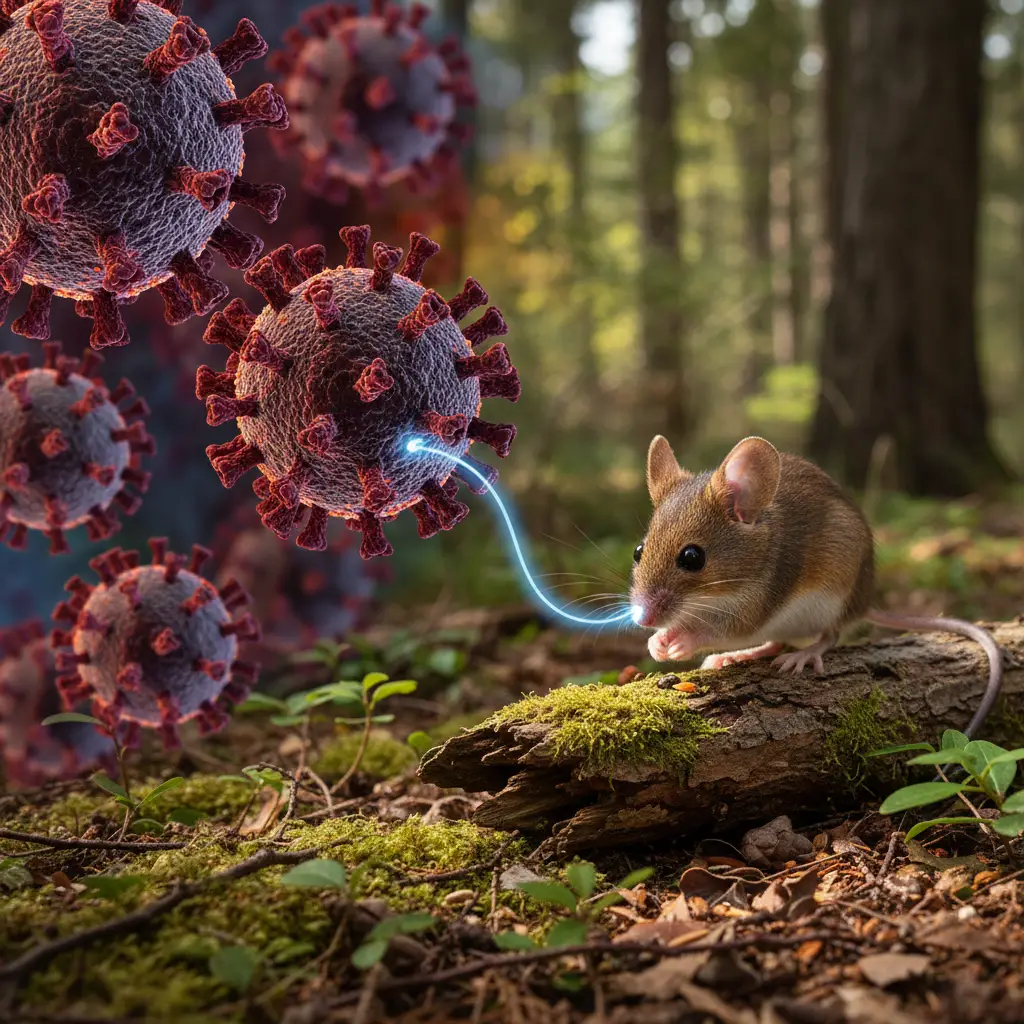
One of the most serious concerns in California is Hantavirus. This severe respiratory disease is transmitted when a person breathes in air contaminated with the virus from rodent droppings, urine, or saliva. According to public health data, cases continue to be reported in California, with the first confirmed case of 2025 identified in early January. The deer mouse is the primary carrier of the Sin Nombre virus, the type of hantavirus found in this region.
Other Common Rodent-Borne Diseases
- Leptospirosis: A bacterial disease spread through contact with water, food, or soil contaminated with the urine of infected animals. It can cause a wide range of symptoms, from flu-like illness to severe kidney or liver damage.
- Salmonellosis: Rodents can spread Salmonella bacteria through their feces, contaminating food preparation surfaces and stored food, leading to severe food poisoning.
- Rat-Bite Fever: As the name suggests, this bacterial illness is caused by a bite or scratch from an infected rat or by consuming food contaminated by them.
Beyond diseases, rodents can also trigger asthma and allergy symptoms, particularly in children, due to the allergens present in their dander and droppings accumulating in indoor air.
Identifying Mice and Rats
Effective control begins with accurate identification. While both mice and rats are rodents, their behaviors and the signs they leave behind differ. Knowing what to look for can help determine the scale and nature of the infestation.
Droppings
Fecal pellets are often the first sign of a problem. Their size and shape are key indicators:
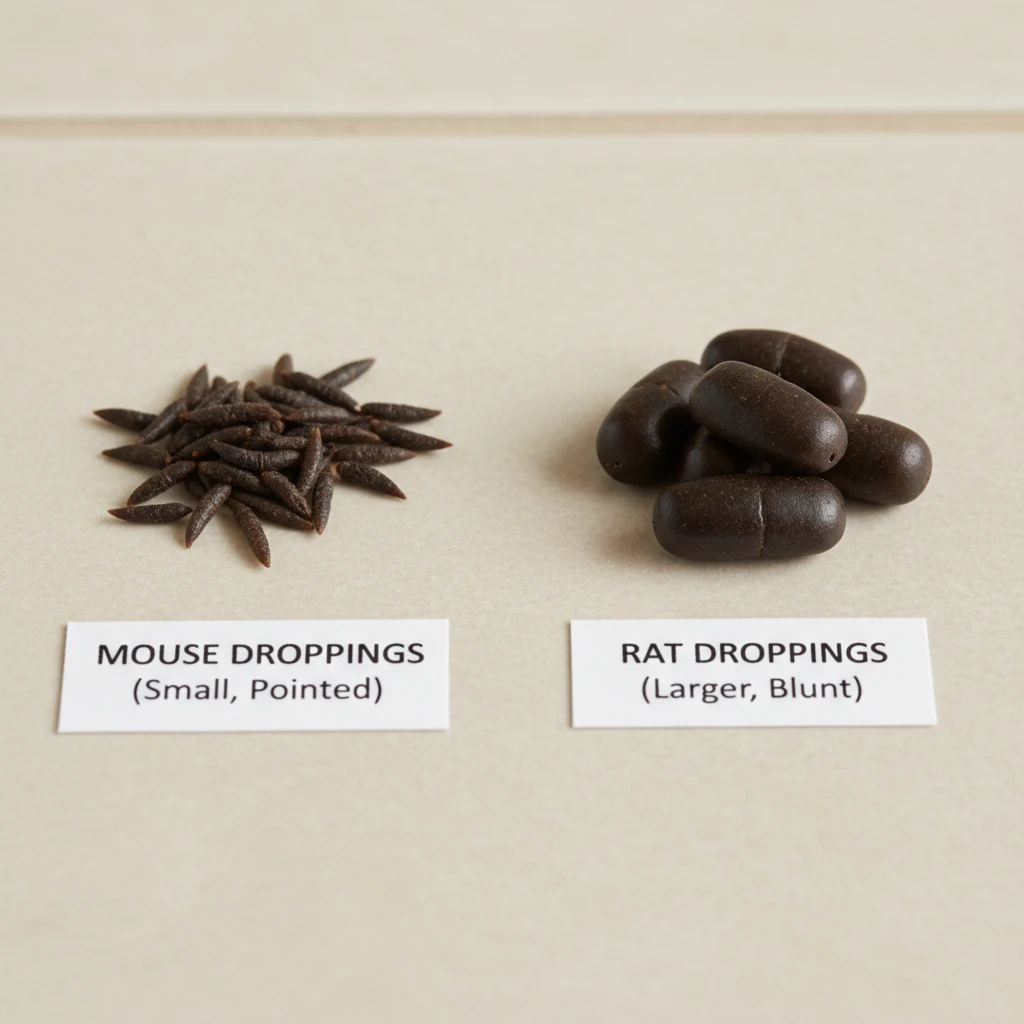
- Mouse Droppings: Small, about 1/4 inch long, and rod-shaped with pointed ends. You will often find dozens in a single location, such as inside a pantry or cupboard.
- Rat Droppings: Significantly larger, typically 1/2 to 3/4 inch long, and capsule-shaped with blunt ends. Roof rat droppings are slightly smaller than those of a Norway rat.
Gnaw Marks and Rub Marks
Rodents’ teeth never stop growing, so they must constantly gnaw on objects to file them down. Look for fresh gnaw marks on wooden baseboards, door frames, plastic piping, and electrical wires—a major fire hazard. Additionally, rats and mice have oily fur that leaves dark, greasy “rub marks” or smudges along walls and baseboards where they frequently travel.
Sounds and Nests
You may hear scratching, scurrying, or squeaking sounds, especially at night when rodents are most active. Sounds coming from attics or inside walls are common. Rodents build nests from shredded paper, fabric, insulation, and other soft materials found in your home. Discovering a nest in a dark, undisturbed area like a garage, attic, or behind appliances is a sure sign of an established presence.
Humane Trapping and Removal Methods
Once an infestation is confirmed, the immediate goal is removal. The landscape of rodent control in California has changed significantly with the passage of the California Poison-Free Wildlife Act (AB 2552), which banned many common anticoagulant rodenticides effective January 1, 2025. This legislation emphasizes the need for non-toxic, humane methods that do not pose a risk to pets, wildlife, and the environment.
Modern Snap Traps
When used correctly by a professional, high-quality snap traps are considered a humane and effective method for quickly eliminating individual rodents. They are designed to kill instantly, minimizing suffering. Unlike poisons, they allow for the retrieval of the rodent, preventing the issue of decaying animals inside walls or other inaccessible areas.
Live-Catch Traps
For homeowners who prefer a non-lethal approach, live-catch traps capture the rodent without harming it. However, this method requires a strict protocol. Traps must be checked frequently (at least daily) to prevent the animal from suffering from stress, dehydration, or starvation. Furthermore, releasing the rodent presents its own ethical and practical challenges, as relocated animals often have low survival rates and may simply return or become a problem for someone else. Professional guidance is recommended to navigate these complexities humanely.
Important Note: Due to the 2025 regulations, do-it-yourself baiting with over-the-counter poisons is not only less effective but may now be illegal in many contexts. Relying on a licensed professional ensures compliance with state law and the use of the most safe and effective trapping strategies.
Home Exclusion and Sealing
Trapping alone is a temporary fix. Without addressing how rodents are getting in, new populations will simply replace the old ones. Rodent exclusion, also known as rodent-proofing, is the only long-term solution. It involves a meticulous inspection of your property to identify and seal all potential entry points.
The “Pencil Test”
A mouse can squeeze through a hole the size of a dime, and a rat through a hole the size of a quarter. A good rule of thumb is the “pencil test”: if you can slide a pencil into a gap, a mouse can get through it.