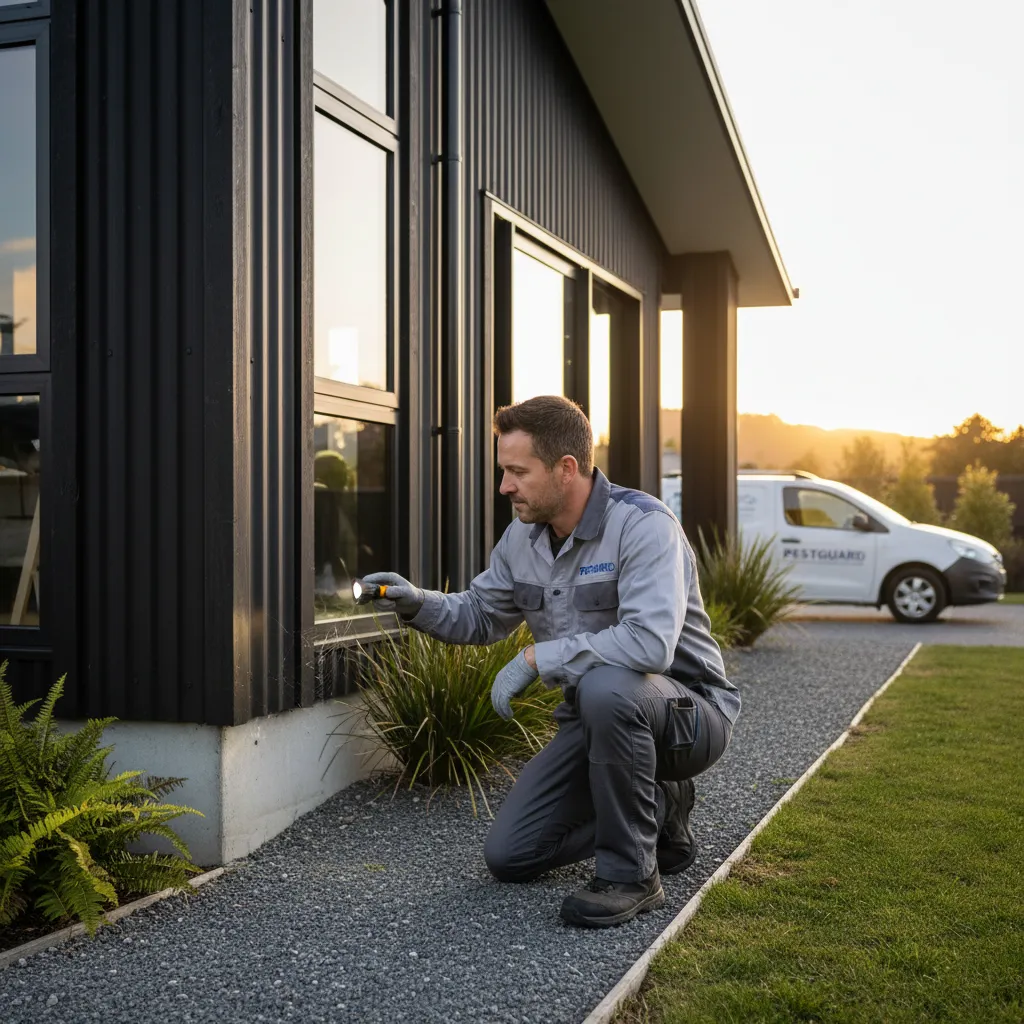
Pest control expert inspecting attic for rats and mice in South Auckland

Rodent Control

Professional rat and mice control in South Auckland involves comprehensive property inspections, strategic trapping, and targeted baiting to eliminate active rodent infestations. Expert exterminators identify entry points, eradicate pests, and implement exclusion techniques to protect your home or business from serious health risks and structural damage caused by rodents.

When dealing with a rodent infestation, time is of the essence. South Auckland’s unique mix of urban and semi-rural environments, combined with its temperate climate, creates the perfect breeding ground for both rats and mice. Whether you are a homeowner in Manukau, a business operator in Papakura, or residing anywhere across the South Auckland region, understanding the urgency of immediate pest eradication is critical. Rodents are not just a nuisance; they are prolific breeders that can turn a minor problem into a full-blown crisis within a matter of weeks. By acting swiftly and engaging with professional rat and mice control South Auckland services, you safeguard your property’s structural integrity and protect your family or employees from severe health hazards. This comprehensive guide details everything you need to know about identifying, treating, and preventing rodent infestations effectively.

What Are the Common Signs of a Rodent Infestation in South Auckland?

Identifying a rodent issue early is the most effective way to minimize damage and reduce the cost of extermination. Rats and mice are incredibly stealthy, nocturnal creatures, meaning you are highly unlikely to see them wandering around your home during the day unless the infestation is already severe. Instead, you must rely on secondary evidence. Professional exterminators look for specific indicators that confirm not only the presence of rodents but also the species and the size of the population.

Identifying Rat and Mice Droppings

The most obvious and frequent sign of a rodent problem is the discovery of droppings. Mice produce small, smooth, and pointed droppings that are roughly the size of a grain of rice, usually found scattered in large numbers near food sources, under sinks, or inside cupboards. Rats, on the other hand, leave behind much larger, capsule-shaped droppings that can measure up to three-quarters of an inch in length. The freshness of these droppings can also tell a professional a lot about the infestation. Fresh droppings are dark and moist, whereas older droppings become gray, dry, and crumbly. Finding fresh droppings in your South Auckland home is a definitive signal that you require immediate rat and mice control services.

Unexplained Property Damage and Gnaw Marks

Rodents have incisor teeth that grow continuously throughout their lives. To keep their teeth filed down to a manageable length, they must constantly gnaw on hard surfaces. This biological necessity results in catastrophic property damage. You may notice gnaw marks on wooden skirting boards, door frames, plastic food containers, and even concrete. More alarmingly, rats and mice frequently chew through electrical wiring inside wall cavities and roof voids. This poses an extreme fire hazard; in fact, a significant percentage of unexplained house fires in New Zealand are attributed to rodent damage. If you discover frayed wires or mysterious bite marks on structural timber, it is imperative to contact a pest control expert immediately.

Pest control expert inspecting attic for rats and mice in South Auckland

Strange Noises in Walls and Ceilings

Because rodents are nocturnal, their activity peaks during the night. Homeowners frequently report hearing scratching, scurrying, and squeaking noises emanating from their ceilings, wall cavities, and underfloor areas after dark. Roof rats are particularly notorious for nesting in attics and insulation, making distinct thumping or running sounds as they move about. If your peaceful night’s sleep is being interrupted by these unsettling noises, it is a strong indication that rodents have breached your home’s exterior defenses and have established a nest inside.

Smudge Marks and Grease Trails

Rats and mice have poor eyesight and rely heavily on established routes to navigate between their nests and food sources. As they repeatedly travel along the same paths—usually against walls and skirting boards—the dirt, oils, and sebum from their fur rub off, leaving dark, greasy smudge marks. Tracking these smudge marks can help pest control professionals pinpoint exactly where the rodents are entering and exiting the property, allowing for more targeted and effective trapping and baiting strategies.

Why Are Rats and Mice a Serious Health Risk?

The presence of rodents in a residential or commercial environment is not merely an inconvenience; it is a severe public health issue. Rats and mice are vectors for a multitude of dangerous pathogens, bacteria, and viruses that can be easily transmitted to humans and domestic pets. Understanding these risks highlights why professional rat and mice control in South Auckland is a non-negotiable necessity for property owners.

Dangerous Diseases Transmitted by Rodents

Rodents are known carriers of several life-threatening diseases. In New Zealand, one of the most concerning is Leptospirosis, a bacterial infection transmitted through contact with soil, water, or food that has been contaminated by infected animal urine. Symptoms can range from severe flu-like illness to organ failure. Additionally, rodents can spread Salmonellosis, a bacterial infection that causes severe gastrointestinal distress, simply by walking across your kitchen countertops or accessing your pantry. The Hantavirus, while less common, is another severe respiratory illness that can be contracted by inhaling dust contaminated with rodent droppings or urine.

Contamination of Food and Surfaces

Rats and mice lack bladder control, meaning they constantly dribble urine as they travel. This indiscriminate urination, combined with their droppings, means that any surface a rodent touches is instantly contaminated. In a commercial food setting, such as a restaurant or cafe in South Auckland, a single rodent sighting can lead to immediate closure by health inspectors, catastrophic reputation damage, and severe financial loss. In a residential setting, it puts your family at constant risk of food poisoning and bacterial infections. Professional pest control ensures that the root cause of the contamination is permanently removed.

Sanitized kitchen surface highlighting the importance of rodent control for health

Allergies and Asthma Triggers

Beyond direct disease transmission, the shedding of rodent hair, dander, and the microscopic breakdown of dried feces and urine can significantly degrade indoor air quality. When these particles become airborne and are circulated through a home’s HVAC system, they can trigger severe allergic reactions and asthma attacks, particularly in young children, the elderly, and immunocompromised individuals. Eradicating the infestation and thoroughly sanitizing the affected areas is the only way to restore a healthy breathing environment within your home.

How Does Our South Auckland Rat and Mice Control Process Work?

Choosing the right exterminator is crucial for achieving long-lasting results. DIY methods, such as hardware store traps and over-the-counter baits, rarely solve the underlying problem. They might kill a few rodents, but they fail to address the nest, the entry points, or the breeding cycle. Our professional rat and mice control South Auckland service utilizes a proven, multi-step methodology designed to completely eradicate the infestation and prevent future incursions.

Step 1: Comprehensive Property Inspection

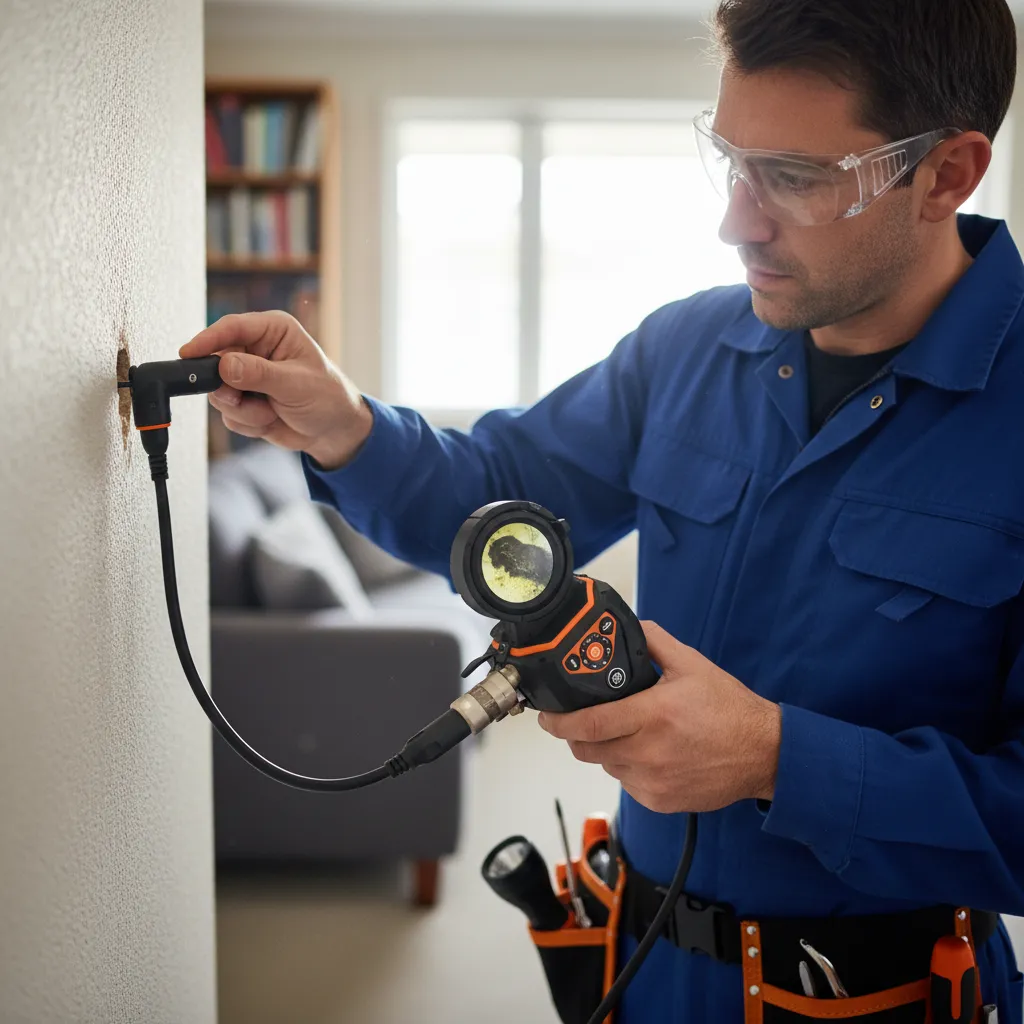
Every successful pest control campaign begins with a meticulous inspection. Our licensed technicians conduct a top-to-bottom assessment of your property, examining the roof void, subfloor, wall cavities, garage, and perimeter. We use advanced diagnostic tools, including UV tracking lights to illuminate urine trails and thermal imaging cameras to detect hidden nests behind walls. The goal of this inspection is to identify the specific rodent species, gauge the severity of the infestation, locate all primary food and water sources, and pinpoint every single entry point the rodents are using to access the building.

Step 2: Strategic Extermination and Trapping

Once the inspection is complete, we develop a customized eradication plan. We do not rely on a one-size-fits-all approach. Depending on the environment, we deploy a combination of high-efficacy, commercial-grade rodenticides and precision mechanical traps. Our bait stations are tamper-proof, ensuring they are completely safe around children and non-target pets. We strategically place these stations along identified run-lines and near nesting sites to maximize consumption. For interior spaces where odors from deceased rodents could be an issue, we utilize advanced snap traps and multi-catch systems that allow for immediate removal of the pests.

Tamper-proof rodent bait station placed outside a South Auckland home

Step 3: Ongoing Monitoring and Exclusion

Eradicating the current population is only half the battle; keeping them out permanently is the ultimate goal. After the active infestation has been neutralized, our team focuses on rodent exclusion, also known as rodent-proofing. This involves sealing the entry points identified during the initial inspection. We use heavy-duty materials that rodents cannot chew through, such as galvanized steel mesh, concrete, and specialized expanding foam infused with copper wire. We also provide follow-up monitoring visits to replenish bait stations, check traps, and ensure the exclusion methods are holding strong, providing you with absolute peace of mind.

What Are the Best Prevention Tips to Keep Rodents Away?

While professional extermination is necessary for an active infestation, proactive prevention is the best way to keep your property rodent-free in the long term. Homeowners and business operators in South Auckland can implement several practical measures to make their properties far less attractive to wandering rats and mice.

Sealing Entry Points and Cracks

Mice have incredibly flexible skeletons and can squeeze through a hole the size of a standard ballpoint pen, while rats can push through a gap the size of a thumb. Conduct a thorough exterior audit of your home. Look for gaps around plumbing pipes, electrical conduits, gas lines, and HVAC vents. Ensure that all weather stripping around doors and windows is intact. Install heavy-duty bristle sweeps on the bottom of exterior doors, particularly garage doors, which are a common entry point for opportunistic pests.

Proper Waste Management and Sanitation

Rodents are attracted to easy food sources. Poor sanitation is a guaranteed way to invite rats and mice onto your property. Ensure that all household garbage is stored in sturdy, heavy-duty bins with tight-fitting lids. If you compost, use a rodent-proof compost tumbler rather than an open pile on the ground. Inside the home, store all pantry items, particularly grains, cereals, and pet food, in thick plastic or glass airtight containers. Never leave dirty dishes in the sink overnight, and regularly sweep up crumbs from the kitchen floor and dining areas.

Homeowner sealing foundation cracks to prevent mice and rat entry

Garden Maintenance and Landscaping

Your yard can inadvertently serve as a staging ground for a rodent invasion. Overgrown vegetation, dense shrubbery, and unkempt lawns provide excellent harborage for rats. Keep your grass mowed short and trim back any tree branches or vines that touch the exterior of your house or roofline, as roof rats use these as a superhighway to your attic. Remove any debris, old woodpiles, or discarded appliances from your yard, as these offer ideal nesting sites. By maintaining a tidy exterior, you remove the protective cover that rodents rely on to survive.

Ready to Eradicate Pests? How to Get a Quote for Rat and Mice Control South Auckland

Do not let a rodent problem escalate into a costly and dangerous disaster. If you have noticed any signs of rats or mice on your property, immediate professional intervention is required. Our dedicated team of pest control specialists operates throughout the entire South Auckland region, providing rapid response times, discreet service, and guaranteed results. We offer transparent pricing with no hidden fees, and our treatments are tailored to suit both residential homes and commercial enterprises.

Taking action today ensures the safety of your property and the health of its occupants. Contact us now to schedule your comprehensive property inspection. Our friendly customer service team is standing by to answer your questions, discuss your specific pest concerns, and provide you with a free, no-obligation quote for the most effective rat and mice control South Auckland has to offer. Reclaim your space and enjoy a hygienic, pest-free environment once again.

People Also Ask (PAA)

How much does rat and mice control cost in South Auckland?

The cost of professional rodent control varies depending on the size of the property, the severity of the infestation, and the specific eradication methods required. Generally, a standard residential treatment in South Auckland starts from a baseline fee that covers the initial inspection, baiting, and trapping. Commercial properties or severe infestations requiring extensive exclusion work and multiple follow-up visits will incur higher costs. We provide transparent, upfront quotes after an initial assessment.

How long does a professional rodent treatment take to work?

While snap traps can provide immediate results by catching rodents on the first night, a complete eradication program using commercial baits typically takes between 7 to 14 days. This timeframe allows the rodents to consume the bait and return to their nests. The exact duration depends on the size of the population and the availability of competing food sources. We monitor the situation closely to ensure full elimination.

Are the rodent baits safe for dogs and cats?

Yes, safety is our absolute priority. We utilize commercial-grade, tamper-proof bait stations that are specifically designed to prevent access by domestic pets and young children. The bait is secured inside the station, meaning it cannot be shaken out. Additionally, modern rodenticides are formulated to be highly effective on small rodents while requiring a massive, unrealistic dose to harm a larger animal like a dog or cat.

What is the difference between a rat and a mouse infestation?

While both are destructive, they behave differently. Mice are curious and tend to investigate new things, making them easier to trap. They stay close to their nests and cause widespread, localized damage. Rats are neophobic (fearful of new things), making them harder to trap without professional strategies. Rats also cause more severe structural damage due to their size and are more likely to nest in roof voids and subfloors.

Can I get rid of rats myself without an exterminator?

While DIY methods like hardware store traps and baits might kill a few individual rodents, they rarely eliminate the entire colony. Rodents reproduce at an astonishing rate, and if the nest and entry points are not professionally addressed, the population will simply bounce back. Professional exterminators have access to restricted-use products and possess the expertise to perform permanent exclusion work, saving you money and frustration in the long run.

How quickly can a rat population multiply in a house?

Rodents are prolific breeders. A single female rat can have up to 6 litters a year, with each litter containing 5 to 10 pups. Those pups reach sexual maturity in just a few months. Under ideal conditions with adequate food and shelter, a pair of rats can multiply into a population of hundreds within a single year. This rapid breeding cycle is why immediate professional intervention is critical at the first sign of an infestation.

Leave a Comment

Your email address will not be published. Required fields are marked *

Scroll to Top