Advanced pest exclusion techniques for Auckland properties involve a strategic, multi-faceted approach to prevent pests from entering structures. This encompasses thorough inspections, meticulous sealing of potential entry points, strategic installation of physical barriers, and diligent ongoing maintenance, providing a proactive defense against common urban and suburban pests prevalent in the Auckland region.
Understanding Advanced Pest Exclusion for Auckland Properties
Pest exclusion is a cornerstone of effective pest management, focusing on preventing pests from gaining access to a property in the first place, rather than reacting to infestations. For Auckland homeowners and businesses, understanding and implementing advanced exclusion techniques is paramount due to the city’s unique climate, diverse urban landscape, and common pest challenges, including rodents, cockroaches, ants, and various insect species. This proactive approach not only reduces the need for chemical treatments but also provides a more sustainable and long-term solution for maintaining a pest-free environment. It’s about creating an impenetrable barrier, leveraging knowledge of pest behaviour and building vulnerabilities to safeguard your investment.
The humid subtropical climate of Auckland creates an ideal breeding ground for many pests, making homes and commercial properties attractive shelters, especially during seasonal changes. Therefore, a generic approach to pest control is often insufficient. Advanced pest exclusion demands a detailed understanding of local pest pressures and building construction styles prevalent in the region, ensuring that strategies are tailored and highly effective. This comprehensive guide will delve into the critical aspects of advanced pest exclusion, from identifying vulnerabilities to implementing robust physical and procedural barriers, providing Auckland property owners with the knowledge to establish a formidable defense.
Comprehensive Inspection: The First Line of Defense
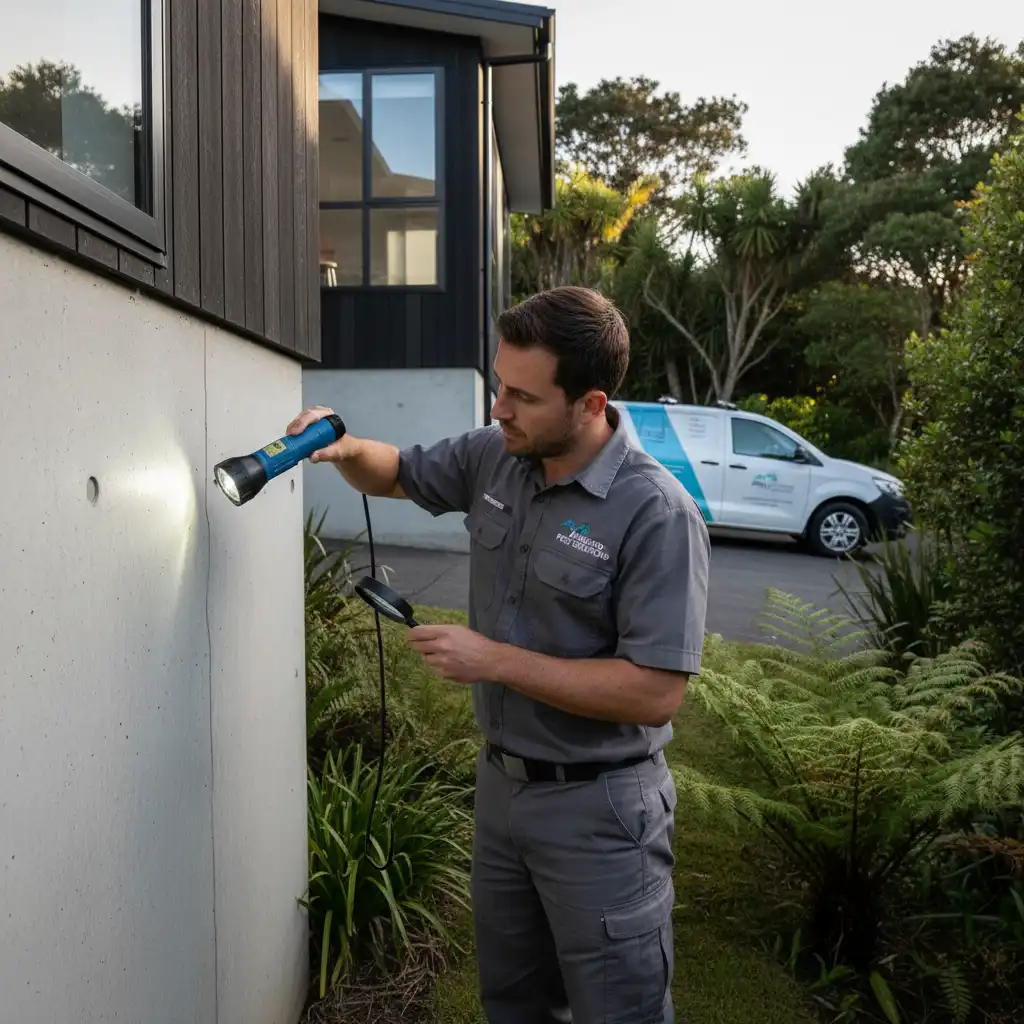
Before any exclusion work can begin, a thorough and systematic inspection of the entire property is indispensable. This isn’t just a cursory glance; it’s a deep dive into every potential entry point, internal and external, that a pest might exploit. Understanding how various pests navigate their environment is key to identifying these vulnerabilities. For instance, rodents can squeeze through surprisingly small gaps (as little as 6mm for mice, 12mm for rats), while insects require even less.
Exterior Assessment
Begin with the perimeter of your property. Walk around the entire building, paying close attention to the foundation, exterior walls, roofline, and utility entry points. Look for:
- Cracks and Gaps in the Foundation: Earthquakes and natural settling can create hairline cracks or larger fissures.
- Gaps Around Utility Lines: Points where pipes, cables, and wires enter the building are common culprits.
- Damaged Siding or Masonry: Missing mortar, loose bricks, or rotted wood panels offer easy access.
- Roofline Vulnerabilities: Check for damaged shingles, loose flashing, open eaves, or unscreened attic vents.
- Gaps Around Doors and Windows: Look for worn weatherstripping, ill-fitting frames, or damaged screens.
- Landscaping Proximity: Tree branches overhanging the roof or shrubs touching the exterior walls provide bridges for pests.
Interior Assessment
Move inside, focusing on areas often overlooked. Kitchens, bathrooms, basements, and attics are prime locations for pest activity and entry. Inspect:
- Gaps Around Interior Pipes: Under sinks, behind appliances, and where pipes penetrate walls.
- Vents and Drains: Unscreened floor drains or exhaust vents.
- Crawl Spaces and Attics: Look for signs of pest activity and potential entry points from the outside.
- Wall Voids: Any openings in interior walls, especially around electrical outlets or light fixtures.
Sealing Cracks, Gaps, and Openings: Fortifying Your Property’s Envelope
Once identified, sealing these vulnerabilities is a critical step in advanced pest exclusion. The choice of material and technique depends on the size, location, and nature of the opening. It’s not just about filling a hole; it’s about choosing materials that are durable, weather-resistant, and effective against specific pests.
Foundational and Wall Repairs
- Mortar Repair: For cracks in concrete foundations or brickwork, a high-quality mortar or concrete patching compound is essential. Ensure it matches the existing material for durability and aesthetics.
- Sealants: Silicone-based or polyurethane sealants are excellent for sealing smaller cracks (up to about 6mm) around windows, door frames, utility penetrations, and where the foundation meets the siding. These offer flexibility and weather resistance.
- Expanding Foam: While useful for larger, irregular gaps in non-structural areas, expanding foam should be used judiciously. It can be chewed through by rodents if not properly covered or treated, and often requires a more rigid barrier over it.
Utility and Pipe Entry Points
These are often neglected but are superhighways for pests. Use steel wool or copper mesh to pack around pipes and wires before sealing with caulk or sealant. The metal deters rodents from chewing through the softer sealant. For larger gaps, custom-fitted flashing or escutcheon plates can provide a more permanent solution.
Doors and Windows
- Weatherstripping: Replace old, worn-out weatherstripping around doors and windows. Compression-type weatherstripping for windows and vinyl/rubber seals for doors are highly effective.
- Door Sweeps and Thresholds: Install or replace door sweeps on all exterior doors. Brush seals are excellent for uneven surfaces, providing a tight fit against the threshold. Ensure thresholds are also in good repair and create a tight seal when the door is closed.
- Window Glazing: Repair or re-glaze any cracked or missing windowpanes and ensure window frames are tightly sealed to the wall.
Implementing Effective Barriers and Screens
Beyond sealing small openings, physical barriers and screens are vital for larger apertures, ensuring ventilation and natural light are maintained without compromising pest security. This is particularly relevant in Auckland’s climate where airflow is desired.
Screening Vents and Openings
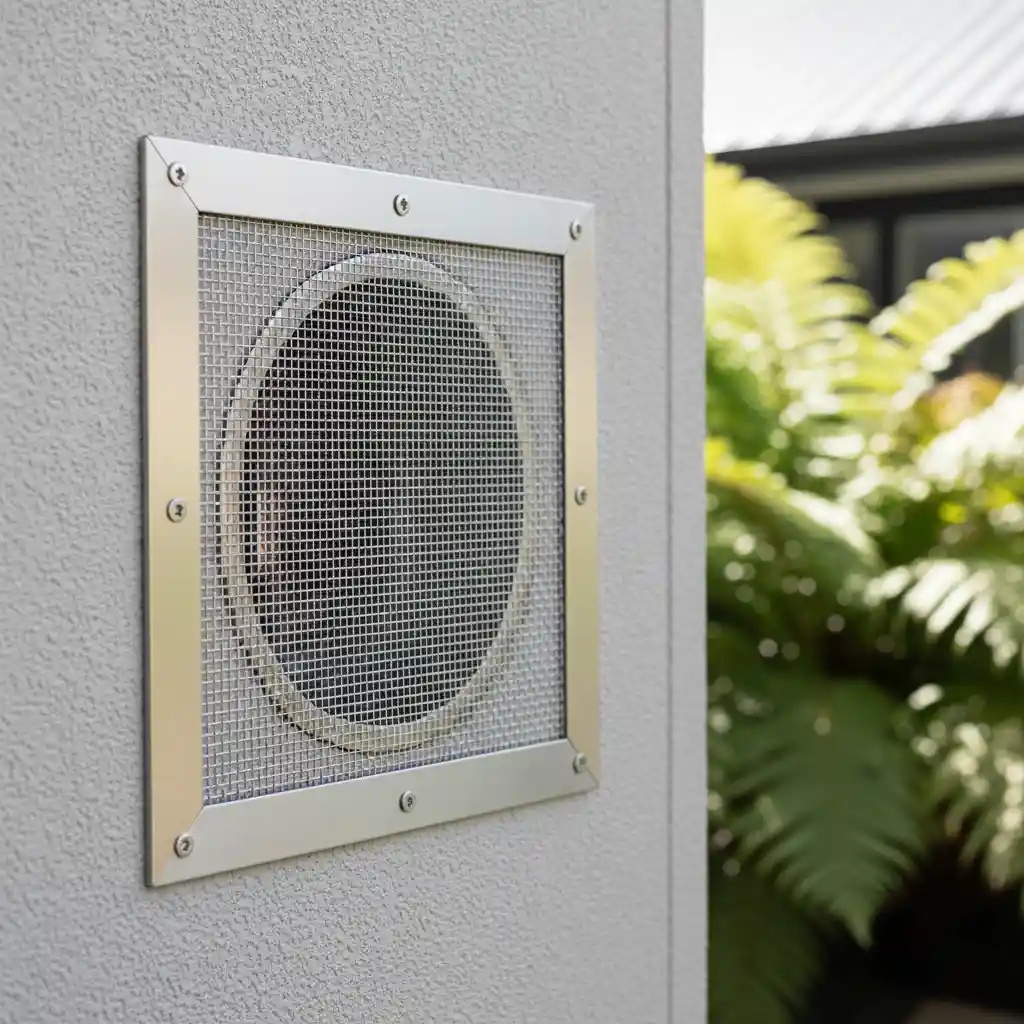
- Attic and Crawl Space Vents: All attic and crawl space vents must be securely screened with durable, rust-resistant mesh. For rodents, use a hardware cloth with openings no larger than 1/4 inch (6mm). For insects, standard insect screen is sufficient.
- Soffit and Fascia Boards: Inspect for gaps where the roof meets the walls. These can be sealed with caulk, flashing, or appropriate mesh.
- Chimneys: Install a chimney cap with a screen to prevent birds, rodents, and large insects from entering.
- Exhaust Fan Vents: Ensure laundry, bathroom, and kitchen exhaust vents have tight-fitting, screened covers that close properly when not in use.
Door and Window Screens
All operable windows and exterior doors, especially those frequently opened, should have well-maintained screens. Pay attention to:
- Mesh Integrity: Repair or replace any torn, frayed, or poorly fitted screens. Even small holes can allow insects to enter.
- Frame Fit: Ensure screens fit snugly into their frames without gaps.
- Screen Doors: If present, screen doors should close tightly and have an intact screen.
Gutter Guards and Drainage Solutions
While primarily for water management, well-maintained gutters and downspouts are crucial for pest exclusion. Clogged gutters collect debris, creating breeding grounds for mosquitoes and attracting insects and rodents seeking moisture. Installing gutter guards can prevent blockages, ensuring proper drainage away from the foundation.
Furthermore, ensure that all drains connected to the sewer system have functioning traps and covers. Consider installing fine mesh screens over outdoor drains to prevent insect and rodent entry through plumbing systems.
Preventing Pest Entry Through Proactive Maintenance
Exclusion is not a one-time fix; it’s an ongoing commitment. Regular maintenance and vigilant property management are essential to sustain the protective barrier around your Auckland property. This involves much more than just physical repairs.
Landscaping and Vegetation Management
Your garden can either be a barrier or a bridge for pests:
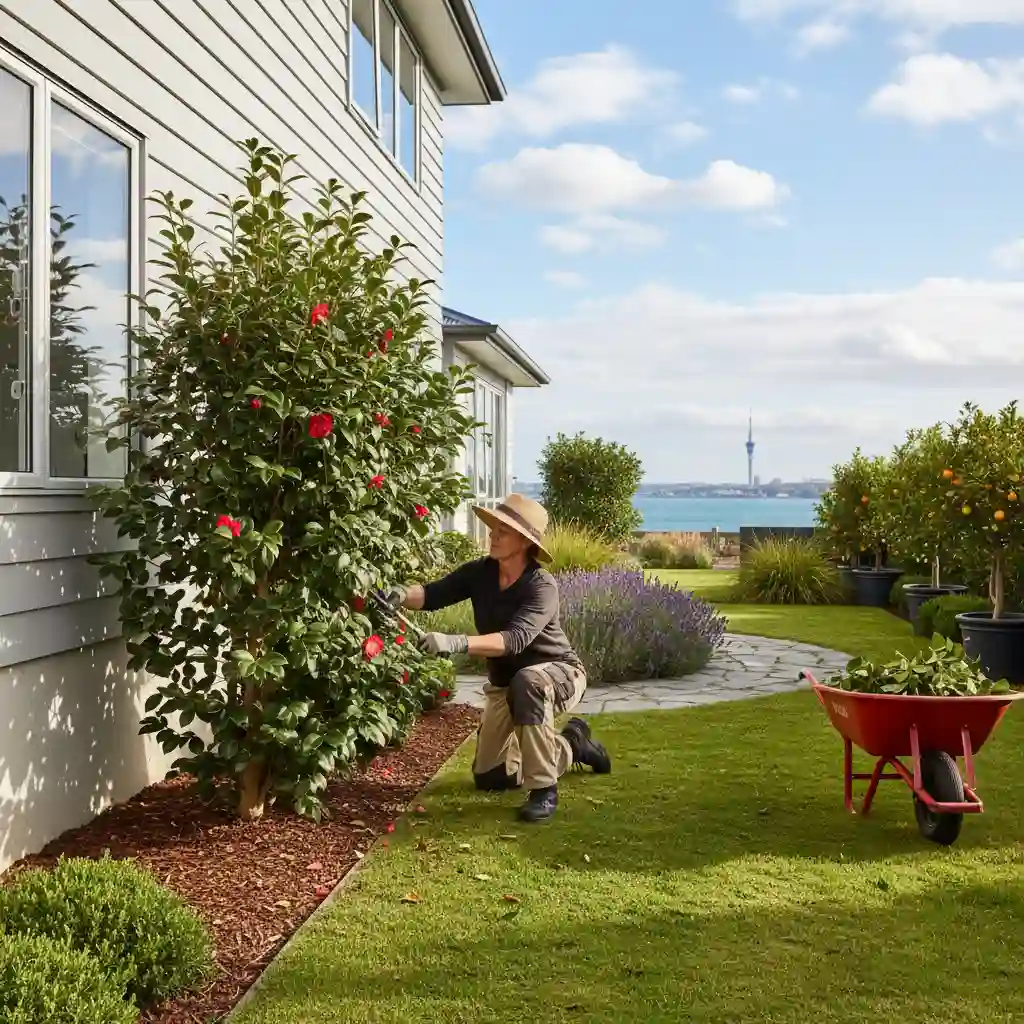
- Trim Vegetation: Keep tree branches and shrubs trimmed away from the house structure. A minimum of 1-2 feet clearance is advisable. This prevents pests from climbing onto the roof or easily accessing windows.
- Ground Cover: Maintain a clear, gravel, or rock barrier of at least 6-12 inches around the foundation. This discourages pests from harbouring close to the building.
- Mulch and Compost: Keep mulch layers thin and away from the foundation, as they can retain moisture and provide shelter for pests. Compost piles should be securely contained and located as far from the building as possible.
Waste Management and Sanitation
Food and refuse are major attractants for a wide range of pests. Proper waste management is non-negotiable:
- Secure Bins: Use sturdy rubbish bins with tight-fitting lids, both indoors and outdoors. Regularly clean bins to prevent residual odours.
- Timely Disposal: Dispose of household rubbish frequently. For businesses, ensure commercial waste is managed according to strict schedules.
- Food Storage: Store all food, including pet food, in airtight containers. Clean up spills immediately and do not leave food exposed overnight.
- Composting: If composting, use enclosed compost bins and avoid adding meat or dairy products, which can attract rodents.
Moisture Control
Many pests, particularly cockroaches, silverfish, and mosquitoes, thrive in moist environments. Eliminating sources of excess moisture is a powerful exclusion technique:
- Fix Leaks: Promptly repair any leaky faucets, pipes, or roofs.
- Improve Drainage: Ensure proper grading around the foundation directs water away from the building. Clear gutters and downspouts.
- Dehumidifiers: In basements, crawl spaces, or other damp areas, consider using dehumidifiers to reduce humidity levels.
- Ventilation: Ensure good ventilation in bathrooms, kitchens, and laundry rooms to reduce condensation.
According to the World Health Organization, reducing conditions conducive to pests, such as poor sanitation and standing water, is a fundamental aspect of integrated pest management, often reducing the reliance on chemical interventions. This principle is directly applicable to Auckland properties, emphasizing the importance of environmental modifications.
Advanced Strategies and Long-Term Protection
For some Auckland properties, especially older homes or those in high-risk areas, a more advanced and integrated approach may be necessary. This involves thinking strategically about potential future vulnerabilities and implementing preventative measures.
Integrated Pest Management (IPM)
Pest exclusion is a core component of an Integrated Pest Management (IPM) strategy. IPM is a holistic approach that combines various methods – biological, cultural, physical, and chemical – in a way that minimizes economic, health, and environmental risks. For Auckland properties, an IPM approach might include:
- Habitat Modification: Beyond sealing, this involves altering the environment to make it less attractive to pests (e.g., removing clutter, proper waste disposal, reducing moisture).
- Monitoring: Regular inspections and the use of traps to monitor pest activity help identify problems early before they become infestations.
- Targeted Treatments: When chemical treatments are necessary, IPM advocates for targeted, low-toxicity options applied only where needed, rather than broad-spectrum spraying.
Engaging with a professional pest control service in Auckland that specialises in IPM can provide property-specific insights and tailored solutions, ensuring a robust and sustainable pest management plan. They can also identify species-specific vulnerabilities that a homeowner might miss.
Professional Audits and Maintenance Plans
Consider periodic professional pest audits. An expert can identify subtle entry points, suggest advanced materials, and help develop a long-term pest exclusion maintenance plan tailored to your property’s specific needs and the local Auckland environment. This is especially beneficial for large properties, commercial buildings, or properties with historical pest issues. These plans often include scheduled inspections and proactive sealing measures.
Conclusion: A Fortified Future for Auckland Homes
Implementing advanced pest exclusion techniques is a strategic investment in the longevity, comfort, and health of your Auckland property. By taking a proactive, comprehensive approach – from meticulous inspections and robust sealing to effective physical barriers and diligent ongoing maintenance – property owners can significantly reduce their susceptibility to pest infestations. This not only enhances the quality of living or working environment but also safeguards property value and minimizes the need for reactive, potentially more invasive pest control methods. Embrace these techniques, and you’ll create a resilient, pest-free sanctuary, enjoying peace of mind that your Auckland property is fortified against unwanted invaders.
People Also Ask About Pest Exclusion in Auckland
What are the most common pests requiring exclusion in Auckland?
In Auckland, common pests requiring exclusion include rodents (mice and rats), cockroaches, ants, spiders, and various pantry pests. The city’s humid climate also makes mosquitos and flies prevalent, emphasizing the need for comprehensive screening.
How often should I inspect my Auckland property for pest entry points?
It is recommended to conduct a thorough exterior and interior inspection of your Auckland property for pest entry points at least twice a year, ideally in spring and autumn. More frequent checks are advisable after heavy storms or any significant landscaping changes.
Can I perform advanced pest exclusion myself, or do I need a professional in Auckland?
Many basic exclusion tasks like sealing small cracks or installing door sweeps can be DIY. However, for identifying subtle entry points, accessing difficult areas (like roofs or crawl spaces), or implementing comprehensive, species-specific barriers, engaging a professional pest control service in Auckland is highly recommended to ensure effectiveness and safety.
What materials are best for sealing gaps against pests in Auckland’s climate?
For Auckland’s climate, use durable, weather-resistant materials. Silicone or polyurethane sealants are excellent for exterior cracks. Steel wool or copper mesh packed into larger gaps before sealing with caulk deters rodents. High-quality weatherstripping and door sweeps are essential for moving parts like windows and doors.
Does landscaping really affect pest exclusion in Auckland?
Absolutely. Overgrown vegetation, especially plants touching the house, provides pests like rodents and insects easy access. Maintaining a clear, trimmed perimeter around your Auckland property, keeping branches off the roof, and managing garden debris are critical components of an effective exclusion strategy.
What is the biggest challenge for pest exclusion in older Auckland homes?
Older Auckland homes often present more challenges due to settling foundations, degraded building materials, numerous small and hidden entry points from past modifications, and less precise construction. Thorough inspections and more extensive repair work are typically required to achieve effective pest exclusion in these properties.