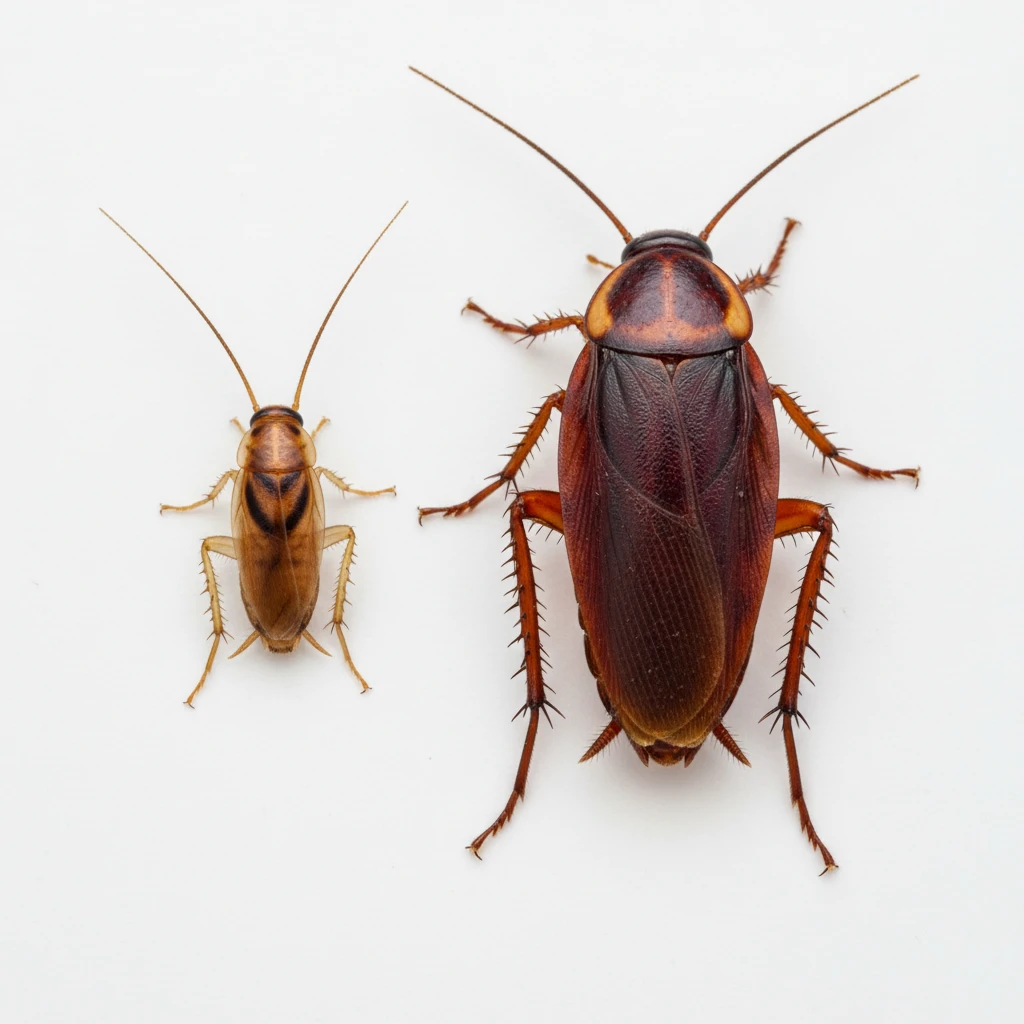
Comparison of German and Gisborne cockroaches found in New Zealand

Cockroach Prevention Tips

To prevent cockroaches in NZ, you must adopt a multi-faceted approach combining rigorous sanitation, moisture control, and physical exclusion. This involves sealing cracks in foundations, repairing plumbing leaks immediately, storing food in airtight containers, and regularly removing rubbish to eliminate the pests’ access to shelter, water, and sustenance.

Cockroaches are among the most resilient and reviled pests in the world, and New Zealand is not immune to their intrusion. In the humid, temperate climate of Auckland and the wider North Island, these pests thrive, seeking warmth, moisture, and food within our homes and businesses. An infestation is not merely a nuisance; it poses significant health risks. Cockroaches are known vectors for diseases such as Salmonella, E. coli, and dysentery, and their shedding skins and droppings can trigger severe allergic reactions and asthma attacks, particularly in children.

Effective prevention requires moving beyond reactive measures—like reaching for a can of fly spray when you see one scuttling across the floor—and adopting a proactive, comprehensive strategy. By understanding the behavior of local species and modifying the environment of your home to make it inhospitable, you can safeguard your property against these unwanted invaders. This guide covers the essential steps for how to prevent cockroaches NZ homeowners need to know.

Understanding NZ Cockroach Species

Before implementing prevention strategies, it is crucial to understand exactly what you are fighting. In New Zealand, and specifically in the Auckland region, you are most likely to encounter three specific types of cockroaches. Each has distinct behaviors and habitat preferences that influence how you should approach prevention.

Comparison of German and Gisborne cockroaches found in New Zealand

The German Cockroach (Blattella germanica)

This is the most troublesome species for homeowners and commercial kitchens alike. Small (12-15mm), light brown, and possessing two dark stripes on their thorax, German cockroaches love indoor environments. They seek out warm, humid areas close to food and water, making kitchens, pantries, and bathrooms their primary targets. They reproduce rapidly; a single female can produce thousands of descendants in a year. If you spot these during the day, you likely have a severe infestation.

The American Cockroach (Periplaneta americana)

Despite the name, these are common globally. They are significantly larger than the German variety, reddish-brown, and can fly. They prefer dark, damp, and warm places. In NZ homes, they are often found in sub-floors, wall cavities, basements, and around drains. They often enter homes from the sewage system or exterior vegetation.

The Gisborne Cockroach (Drymaplaneta semivitta)

A native to Australia but well-established in New Zealand, the Gisborne cockroach is a common sight in Auckland gardens. Distinctive by the white stripes running down the sides of its body, this species prefers living outdoors under bark or wood chips. While they often wander inside, they do not typically breed indoors or cause the same level of hygiene risk as the German cockroach. However, their presence inside indicates entry points that need sealing.

Sealing Cracks and Entry Points

Exclusion is the first line of defense. If they cannot get in, they cannot infest. Cockroaches, particularly the German variety, can compress their bodies to fit through gaps as thin as a coin. Therefore, a meticulous audit of your home’s exterior and interior envelope is required.

Exterior Fortification

Walk around the perimeter of your house. Look for gaps where pipes, electrical conduits, or gas lines enter the building. These penetrations are highways for pests. Use a high-quality, weather-resistant silicone sealant or expanding foam to close these gaps. Pay special attention to window and door frames; if you can see light coming through the frame, a cockroach can get through. Install door sweeps or draft excluders on all exterior doors to close the gap between the door and the threshold.

Interior Exclusion

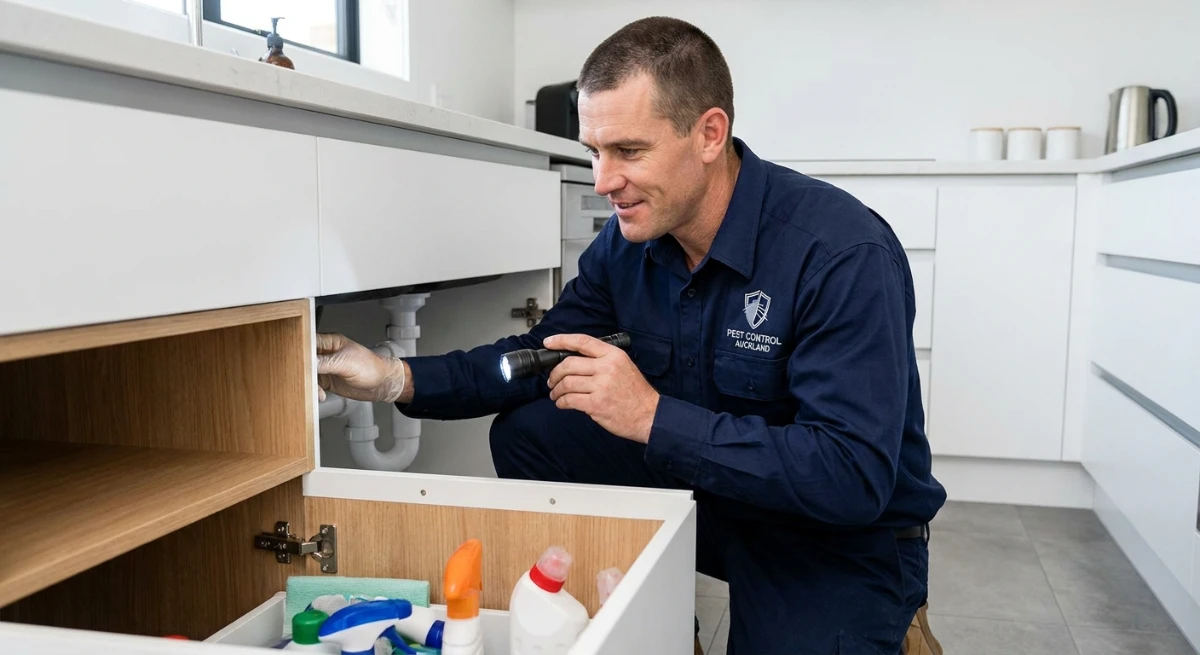
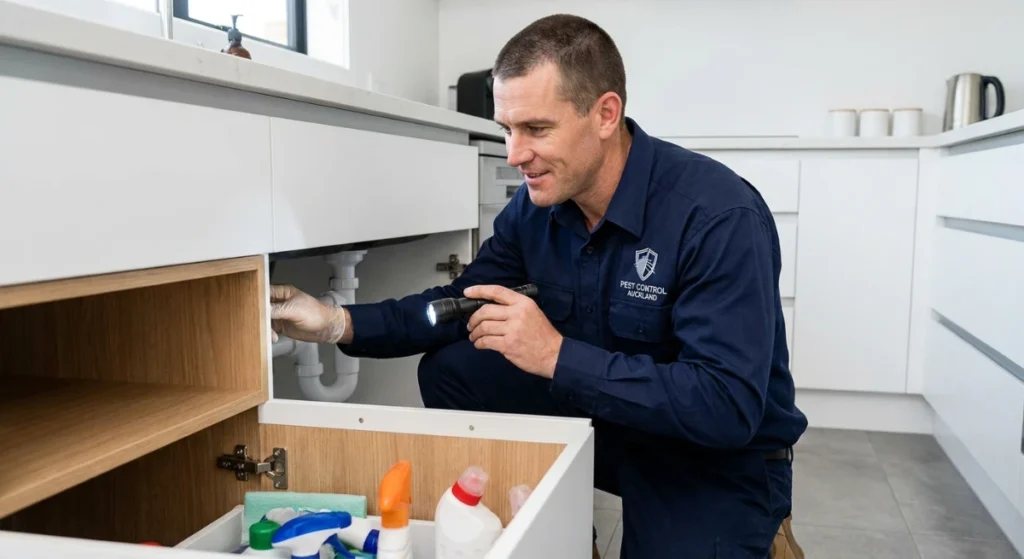
Inside the home, focus on the kitchen and bathroom. Seal cracks in skirting boards and gaps behind kitchen cabinetry. One often overlooked area is the escutcheon plate (the metal ring) where plumbing pipes enter the wall under sinks. If this is loose, pull it back and fill the void around the pipe with steel wool followed by caulk. Steel wool is excellent because roaches cannot chew through it.

For more detailed information on identifying household pests and their habitats, alongside specific guides like Effective Spider Nest Removal Techniques for Auckland Properties, tips for Winter Rodent Proofing, or advice on managing Wasp Nests in Wall Cavities, you can refer to resources provided by the Ministry of Health NZ, which offers guidance on health risks associated with infestations.

Moisture Control and Leak Repair

Water is the single most critical resource for a cockroach survival. While they can survive weeks without food, they will die in a few days without water. New Zealand’s humidity, especially in Auckland, provides a naturally favorable environment, so you must work harder to keep the interior dry.

Fixing Plumbing Issues

A dripping tap or a leaking pipe under the sink creates a permanent oasis for pests. Inspect all faucets, showerheads, and under-sink plumbing regularly. Even a minor leak that dampens the surrounding wood can attract roaches. Insulate hot water pipes to prevent condensation, which can accumulate and create moisture pools in wall cavities.

Managing Humidity

In areas like bathrooms and laundries, ensure you have adequate ventilation. Run extractor fans during and after showers to lower humidity levels. If you have a sub-floor or basement, ensure the ground is dry. You may need to install a vapor barrier (polythene sheet) over the ground in the sub-floor to stop rising dampness, which attracts American cockroaches.

Proper Food Storage and Waste Management

Sanitation is the mechanism by which you starve the population. If you remove the food source, the environment becomes unable to support the colony. This goes beyond general tidiness; it requires a

Leave a Comment

Your email address will not be published. Required fields are marked *

Scroll to Top