Fleas & Ticks Auckland: Pet & Human Health Concerns
Fleas and ticks in Auckland are prevalent year-round due to the region’s humid climate, posing significant health concerns for pets and humans. Key risks include Flea Allergy Dermatitis (FAD), tapeworms, and bacterial infections. Effective management involves a three-pronged approach: consistent veterinary-grade pet treatments, thorough environmental cleaning, and professional pest control to eliminate eggs and larvae in carpets and structural entry points.
When addressing Fleas & Ticks Auckland: Pet & Human Health Concerns, it is vital to understand that the local humidity allows these parasites to thrive even during mild winters. Understanding their identification, associated health risks, and the most effective treatment and prevention strategies is crucial for maintaining a healthy home and protecting your family from zoonotic diseases.
Identifying Fleas and Ticks in Auckland: A Comprehensive Guide
Auckland’s temperate climate provides an ideal environment for fleas and ticks to thrive, making early identification essential for effective control. These parasites are not just a nuisance; they can lead to serious health issues for your beloved pets and even for the human occupants of your home. Recognizing their presence early is the first critical step in managing an infestation. For persistent issues, consulting professional flea control experts is often necessary.
Recognizing Fleas on Pets and in Your Home
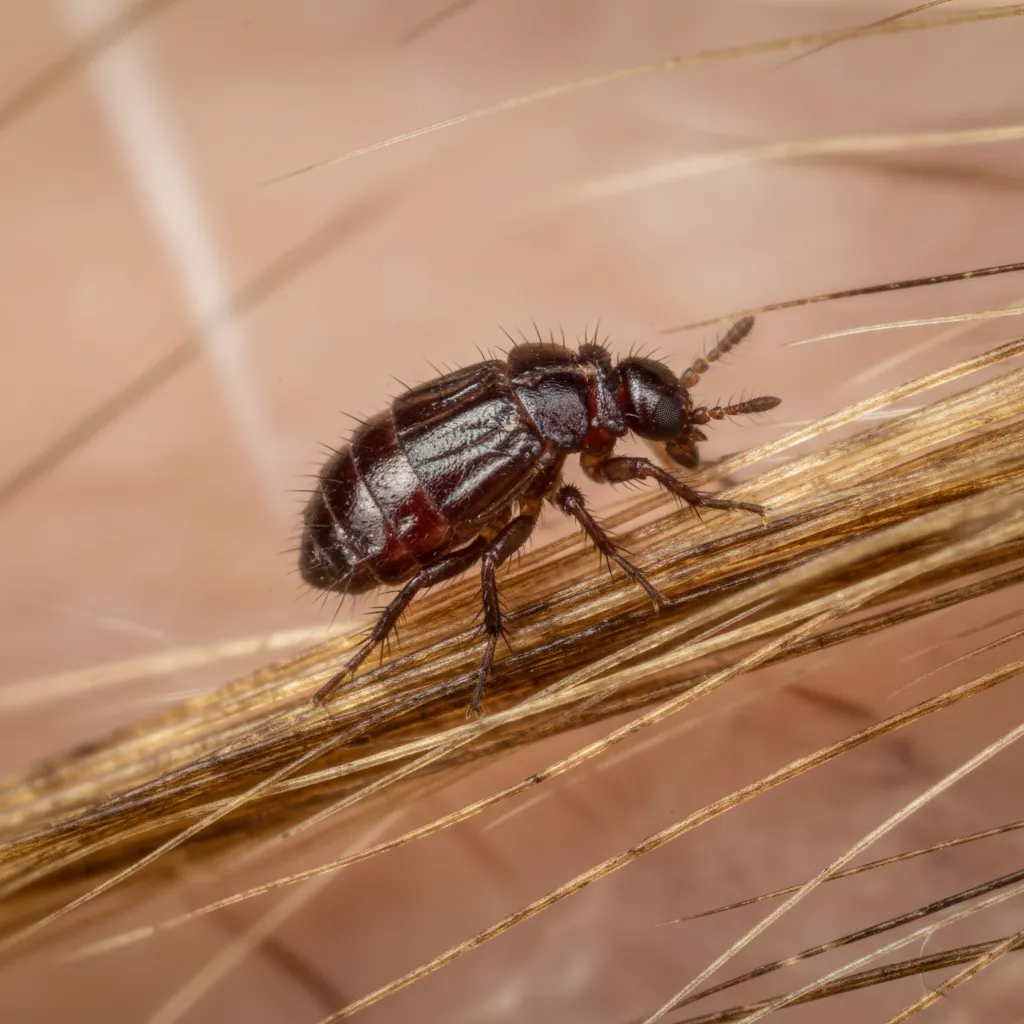
Fleas are tiny, dark brown, wingless insects, typically 1-3mm long. On pets, the most common signs include excessive scratching, licking, or biting, especially around the tail base. You might also notice ‘flea dirt’ – tiny black specks resembling ground pepper. This is actually digested blood; if placed on a wet paper towel, it turns reddish-brown.
In your home, fleas tend to hide in carpets, rugs, and upholstered furniture. A common test is walking through the house in white socks; jumping fleas are easily spotted against the fabric. Flea eggs are white and oval, often falling off the host and scattering throughout your living space, where they can lie dormant for weeks.
Spotting Ticks: Types and Common Hiding Spots in Auckland
Ticks are arachnids related to spiders. In Auckland, while the New Zealand cattle tick (Haemaphysalis longicornis) is common in rural fringes like Rodney or Franklin, they are increasingly found in suburban parks. On pets, ticks feel like small, round bumps, often hiding around the ears, neck, and between toes.
Health Risks Posed by Fleas and Ticks to Pets and Humans in Auckland
Beyond the immediate discomfort, these parasites transmit various diseases. For pets, Flea Allergy Dermatitis (FAD) is a leading cause of skin distress. Ticks, while less likely to carry Lyme disease in NZ compared to overseas, can cause severe skin infections and ‘tick worry’ in animals.
Human Health Risks: Zoonotic Diseases
Fleas can transmit Bartonella (Cat Scratch Fever) and Rickettsia to humans. Bites often appear as small, red, itchy bumps, typically around the ankles. For property managers and landlords, ensuring a property is flea-free is a critical component of healthy homes compliance, particularly when pets have been present.
Effective Treatment & Removal Options
At Pest Control Auckland, we avoid the “cycle of despair” associated with failed DIY treatments. High-street sprays often only target adult fleas, leaving thousands of eggs and larvae protected in the carpet pile. Our scientific approach utilizes Class 9 Urban Pest Management pesticides that include insect growth regulators (IGRs) to break the life cycle permanently.
- Targeted Residual Sprays: Safe, MPI-approved treatments for floor surfaces.
- Structural Exclusion: Identifying where rodents may be bringing fleas into subfloors or roof voids.
- End-of-Tenancy Treatments: Specialized services for landlords to ensure a clean handover.
Preventative Measures for Auckland Homes
Prevention is the most cost-effective way to manage fleas and ticks. In Auckland’s humid environment, we recommend:
- Veterinary-Grade Care: Use year-round flea and tick preventatives for all household pets.
- High-Frequency Vacuuming: Focus on dark corners, under furniture, and skirting boards where larvae hide.
- Garden Maintenance: Keep lawns short and remove leaf litter where ticks congregate, especially in areas like the North Shore or West Auckland bush fringes.
People Also Ask (FAQs)
Are fleas active in Auckland during the winter?
Yes. While activity slows down, Auckland’s mild, humid winters and the use of indoor heating allow fleas to remain active year-round. Larvae can remain dormant in carpets for months, waiting for the vibration of a host to emerge.
Can I get fleas in my house even if I don’t have pets?
Absolutely. Fleas are often introduced to homes by local wildlife such as rats, mice, or stray cats living in roof voids or subfloors. Professional pest management focuses on eradicating these rodent hosts as part of the primary flea solution.
Why did my DIY flea treatment fail?
Most over-the-counter products fail because they lack professional-grade residual power or Insect Growth Regulators. Additionally, DIY methods rarely reach the deep layers of carpet or structural gaps where 95% of the flea population (eggs and larvae) resides.
How long does a professional flea treatment take to work?
While you will see an immediate reduction in adult fleas, it can take 14-21 days for the full life cycle to be disrupted. Our treatments remain active on surfaces to kill newly hatched fleas as they emerge from their protective cocoons.