What is Industrial Pest Management?
Industrial pest management in Auckland is the specialized implementation of Integrated Pest Management (IPM) systems tailored for logistics hubs, manufacturing plants, and storage depots. Unlike residential services, industrial control focuses on scientific root-cause eradication, structural entry-point exclusion, and strict adherence to MPI biosecurity standards to protect supply chain integrity and prevent large-scale financial loss.
For industrial businesses operating in New Zealand’s largest economic hub, the margin for error regarding pest management is non-existent. Auckland is a bustling port city with a humid, temperate climate—conditions that are unfortunately ideal for rapid pest proliferation. From large-scale distribution centers in East Tamaki to food processing plants in Penrose, the threat of contamination and structural damage is a constant operational risk.
The Unique Challenges of Industrial Pest Control in Auckland
Managing pests in an industrial setting is vastly different from residential pest control. The scale, complexity, and regulatory requirements create a unique set of challenges that require specialized expertise. In Auckland, these challenges are compounded by geography and logistics.
Warehouses are essentially massive, open structures often located near waterways or grassy reserves, providing pests with ample harborage areas. The constant movement of goods in and out of the facility creates a “revolving door” for pests. Pallets arriving from overseas or other parts of New Zealand can harbor hitchhiking insects or rodents, bypassing external perimeter defenses.
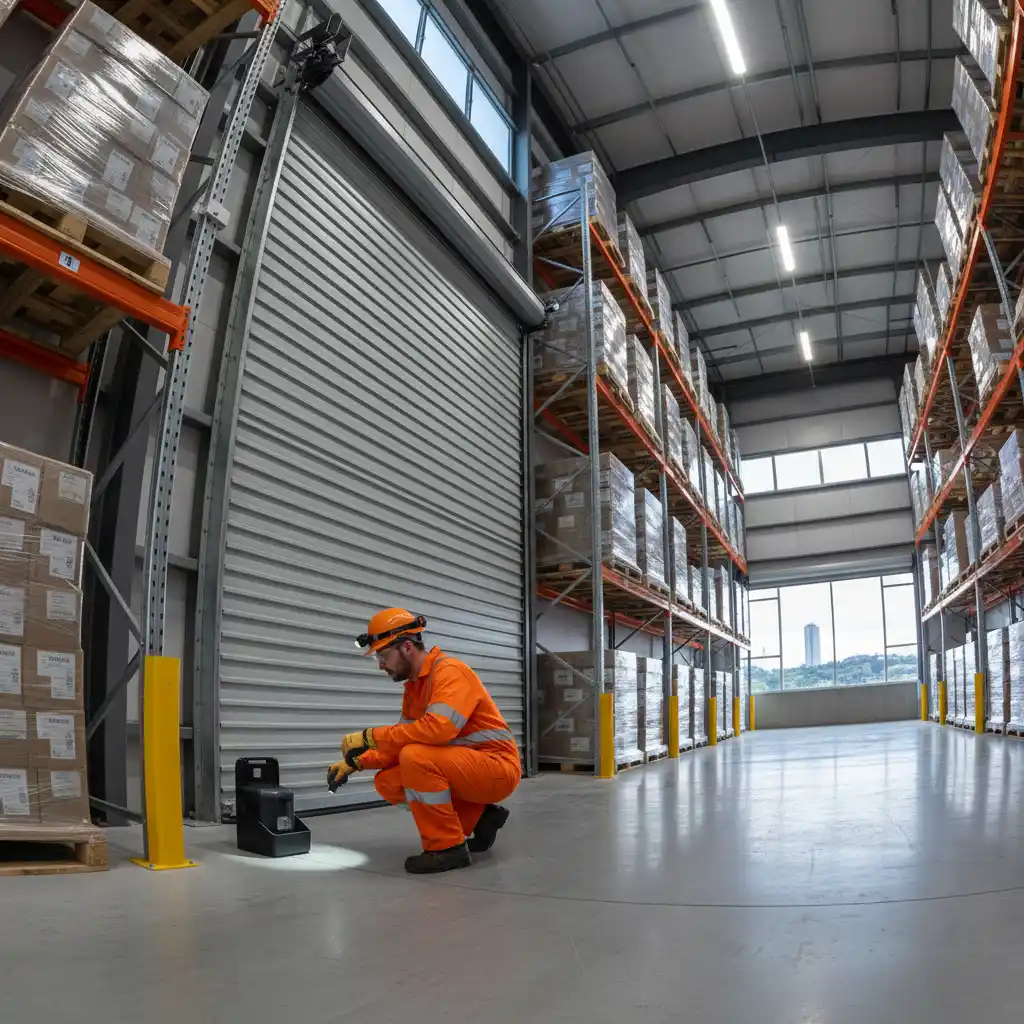
Furthermore, the structural design of warehouses often aids pest activity. High ceilings, intricate racking systems, and vast floor spaces make detection difficult until an infestation is established. Cracks in concrete flooring, gaps around loading docks, and ventilation systems serve as entry highways for vermin. Effective warehouse pest control Auckland services must account for these structural vulnerabilities, focusing as much on exclusion and proofing as on extermination.
Protecting Inventory, Equipment, and Infrastructure
The financial impact of a pest breach goes far beyond the cost of the pest control invoice. For logistics and warehousing companies, the inventory is the asset, and that asset is under constant threat. Rodents, in particular, are notorious for gnawing through packaging, rendering goods unsellable. In the food and beverage sector, the discovery of a single dropping or gnaw mark can result in the condemnation of entire pallets or shipping containers of product.
The Risk to Electrical Systems
Beyond stock loss, industrial facilities face significant risks to their infrastructure. Rats and mice have open-rooted incisors that grow continuously, compelling them to gnaw on hard materials to file them down. Electrical cabling is a prime target. In Auckland’s industrial estates, significant fires and machinery malfunctions have been traced back to rodent damage. A chewed wire can halt an automated production line or disable security systems, leading to massive downtime costs.
Comprehensive Rodent and Insect Management Strategies
Our approach to industrial protection centers on a scientific, multi-layered defense. By identifying high-traffic rodent runways and insect breeding reservoirs, we deploy targeted, MPI-approved treatments that prioritize safety and long-term exclusion over temporary chemical fixes.