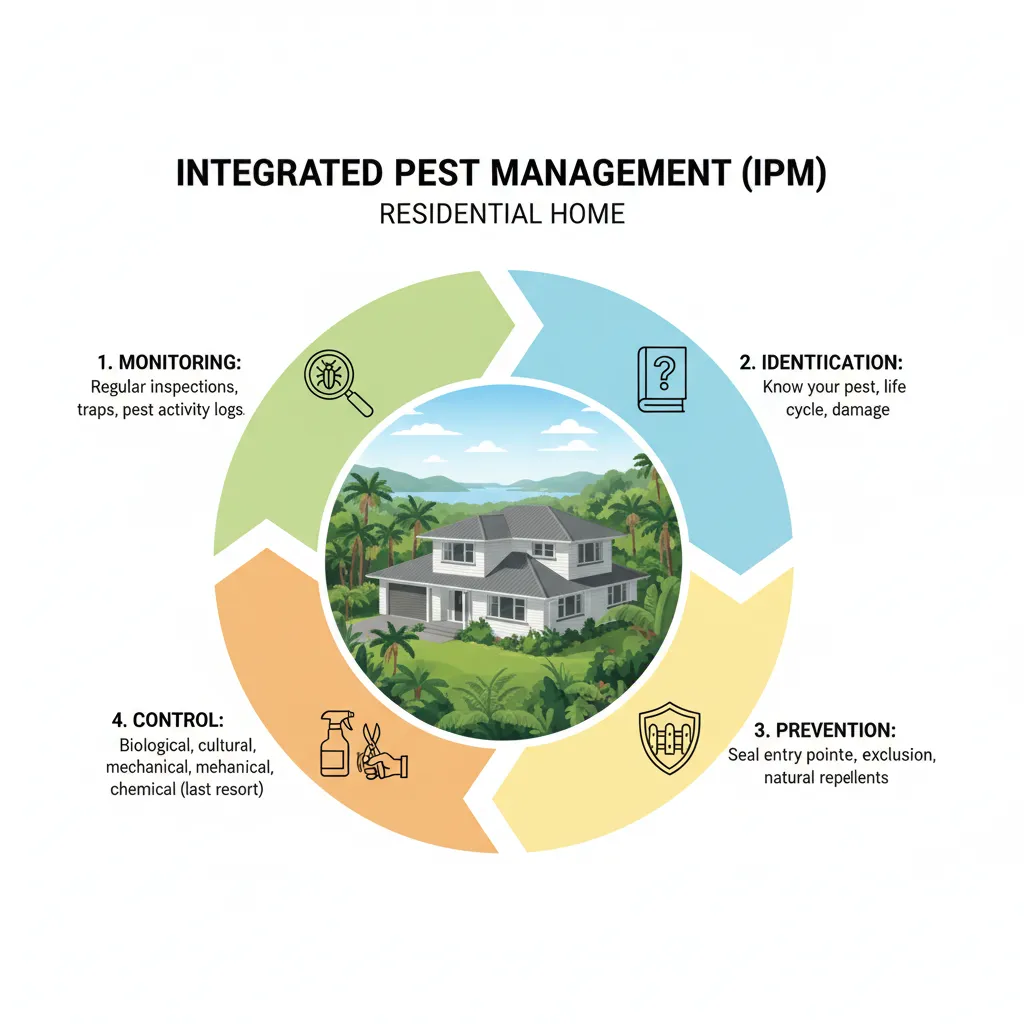
Integrated Pest Management (IPM) for homes in Auckland is a holistic, long-term approach to controlling pests through a combination of methods, minimizing risks to people and the environment. It involves understanding pest biology, monitoring activity, and employing various strategies—from prevention to targeted treatments—to maintain a healthy, pest-free living space in Auckland’s unique climate and ecological conditions.
Understanding IPM for Auckland Homes
Integrated Pest Management (IPM) represents a paradigm shift from traditional reactive pest control to a proactive, informed, and sustainable strategy. For Auckland homes, IPM is particularly vital given the region’s warm, often humid climate, which provides an ideal breeding ground for a diverse range of common household pests including various ant species, cockroaches, rodents, spiders, and even more specific issues like borer beetles. Instead of simply eradicating pests with chemical sprays, IPM focuses on understanding why pests are present, how they operate, and what environmental factors contribute to their proliferation. This nuanced approach begins with thorough inspection and identification, leading to a strategy that prioritizes non-chemical methods wherever possible, reserving chemical applications as a last resort and employing them with surgical precision.
The core philosophy of IPM for Auckland residences revolves around prevention, observation, and intervention. It acknowledges that complete eradication is often neither feasible nor desirable, as some insects play crucial ecological roles. The goal is rather to manage pest populations to an acceptable level, preventing them from causing damage or posing health risks, all while minimizing environmental impact. This requires an ongoing commitment from homeowners, often in collaboration with pest management professionals who understand Auckland’s specific pest challenges and regulatory landscape. By adopting IPM, homeowners not only achieve more effective and lasting pest control but also contribute to a healthier indoor and outdoor environment, reducing exposure to harmful chemicals for families and pets.
A critical component of successful IPM in Auckland is a deep understanding of the local ecosystem. The city’s sprawling urban and suburban areas, combined with its subtropical influences, create microclimates that can support different pest pressures. For instance, common pests like the German cockroach thrive in damp, warm kitchen environments, while New Zealand’s native wood borers (like Anobium punctatum) can silently damage timber structures. Effective IPM plans for Auckland homes must consider these specific regional factors, tailoring strategies that are relevant and effective for the specific pest species encountered in the local context. This targeted approach is what sets IPM apart, moving beyond a one-size-fits-all solution to a truly customized and sustainable pest management program.
Tailoring IPM Plans for Residential Settings in Auckland
Developing an effective IPM plan for an Auckland home is a multi-faceted process that requires careful consideration of the property’s unique characteristics, the surrounding environment, and the specific pest pressures present. It’s not a generic checklist but rather a dynamic strategy that adapts to changing conditions.
Understanding the Auckland Environment: Climate and Common Pests
Auckland’s temperate, often humid climate is a significant factor in pest activity. The warmth encourages insect breeding cycles, while rainfall can create damp conditions conducive to mould, mildew, and moisture-loving pests like silverfish, slugs, and snails. Common pests include various ant species (e.g., Argentine ants, white-footed house ants), German and American cockroaches, rodents (rats and mice), spiders (often harmless, but some, like the white-tailed spider, can cause concern), and occasional invaders like earwigs and slaters. Understanding the life cycles and habitat preferences of these specific pests is the cornerstone of effective IPM in the region.
Pest Identification and Monitoring: Key First Steps
Accurate identification is paramount. Knowing whether you have German cockroaches versus American cockroaches, or black ants versus Argentine ants, dictates the most effective control methods. Monitoring involves regular inspection of your property for signs of pest activity – droppings, gnaw marks, nests, actual sightings, or damage to food and structures. Sticky traps, pheromone traps, and visual checks in common problem areas like kitchens, bathrooms, basements, and attics are essential monitoring tools. This allows for early detection, preventing small issues from escalating into major infestations.
Sanitation and Exclusion: Preventive Measures
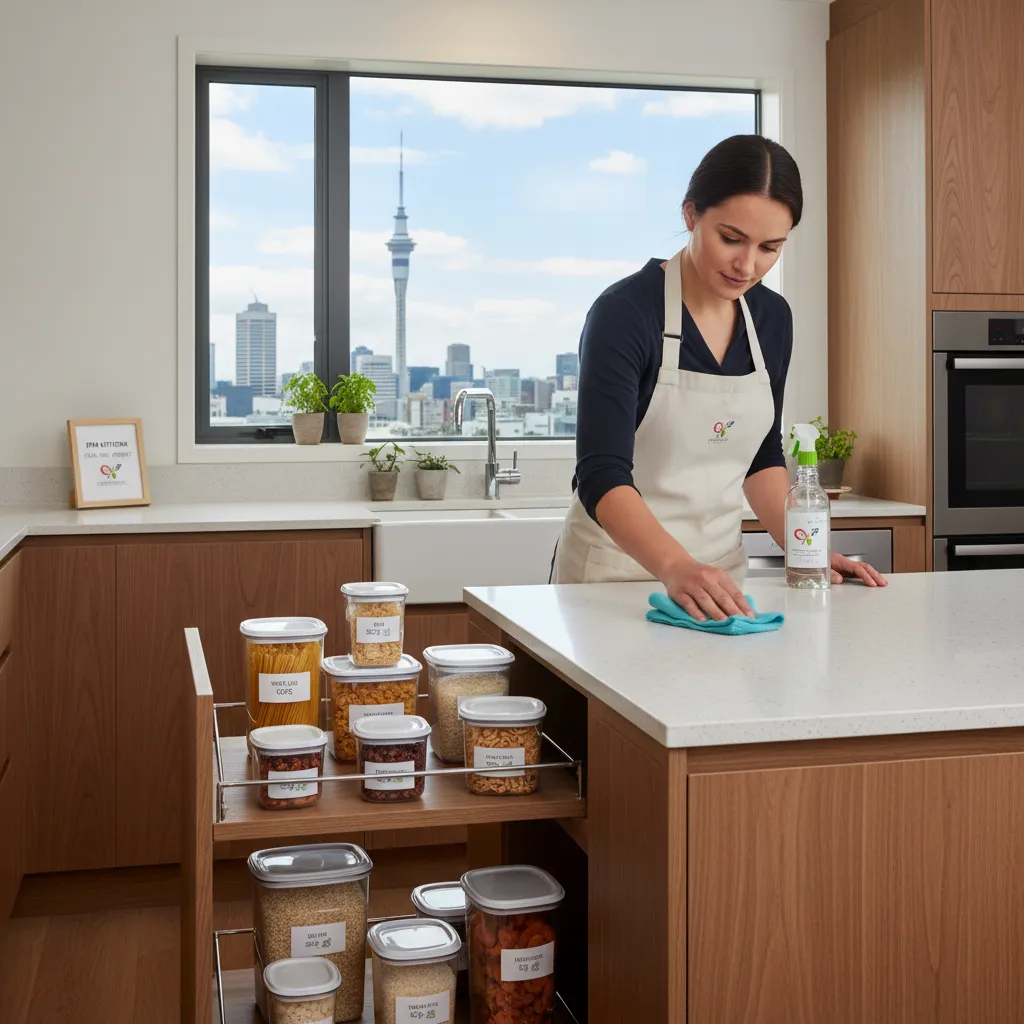
These are foundational IPM strategies. Sanitation involves removing pest attractants: keeping food stored in airtight containers, cleaning up crumbs and spills immediately, regularly emptying bins, and ensuring pet food isn’t left out overnight. Exclusion focuses on physically blocking pests from entering your home. This includes sealing cracks and crevices in foundations and walls, repairing damaged window and door screens, installing door sweeps, and sealing utility entry points. Even small gaps can allow entry for a surprising number of pests. For more information on common household pests in New Zealand, resources like the Landcare Research website can be invaluable for identification.
Cultural Controls: Landscaping and Garden Maintenance
The outdoor environment directly impacts indoor pest pressure. Cultural controls involve modifying landscaping and garden practices to make your property less appealing to pests. This includes regularly mowing lawns, trimming shrubs and trees away from the house structure, removing leaf litter and garden debris, and ensuring proper drainage to prevent standing water. Firewood should be stored off the ground and away from the house. These practices reduce hiding spots, breeding grounds, and pathways for pests to access your home.
Least-Toxic Solutions: Traps, Baits, and Organic Pesticides
When preventive measures aren’t enough, IPM prioritizes the least toxic and most targeted control methods. This includes using physical traps (e.g., snap traps for rodents, sticky traps for insects), bait stations (for ants and cockroaches) that deliver pesticides directly to the pest population without widespread spraying, and insecticidal soaps or horticultural oils for garden pests. These methods are chosen for their efficacy against specific pests with minimal impact on non-target organisms and the environment. Natural repellents or organic pesticides derived from plants may also be considered.
Targeted Chemical Application (if necessary): Professional Guidance
In cases of severe infestations or when other methods have proven insufficient, judicious use of chemical pesticides may be necessary. However, under an IPM framework, this is a highly targeted application, not a broad-spectrum spray. Professionals identify specific pest harbourage areas or entry points and apply precisely the right product in the smallest effective amount. This minimizes chemical exposure and environmental impact. The choice of chemical is based on its efficacy against the target pest, its environmental profile, and safety considerations for residents and pets. Professionals in Auckland are well-versed in local regulations and the most effective products for regional pests.
DIY IPM Tips for Auckland Homeowners
Homeowners play a crucial role in the success of an IPM program. Many foundational steps can be effectively implemented without professional assistance, significantly reducing pest pressures and contributing to a healthier home environment.
Regular Home Inspections: What to Look For
Make a habit of performing seasonal checks around your home. Look for common signs of pests: droppings (small dark pellets for mice, larger for rats, tiny black specs for cockroaches), gnaw marks on food packaging or structures, spiderwebs in unusual places, insect trails, or damaged plants. Pay close attention to damp areas like under sinks, basements, laundry rooms, and attics. Check entry points like windows, doors, and utility pipe penetrations. Early detection is key to managing pest problems before they become established.
Sealing Entry Points: Cracks, Gaps, Screens
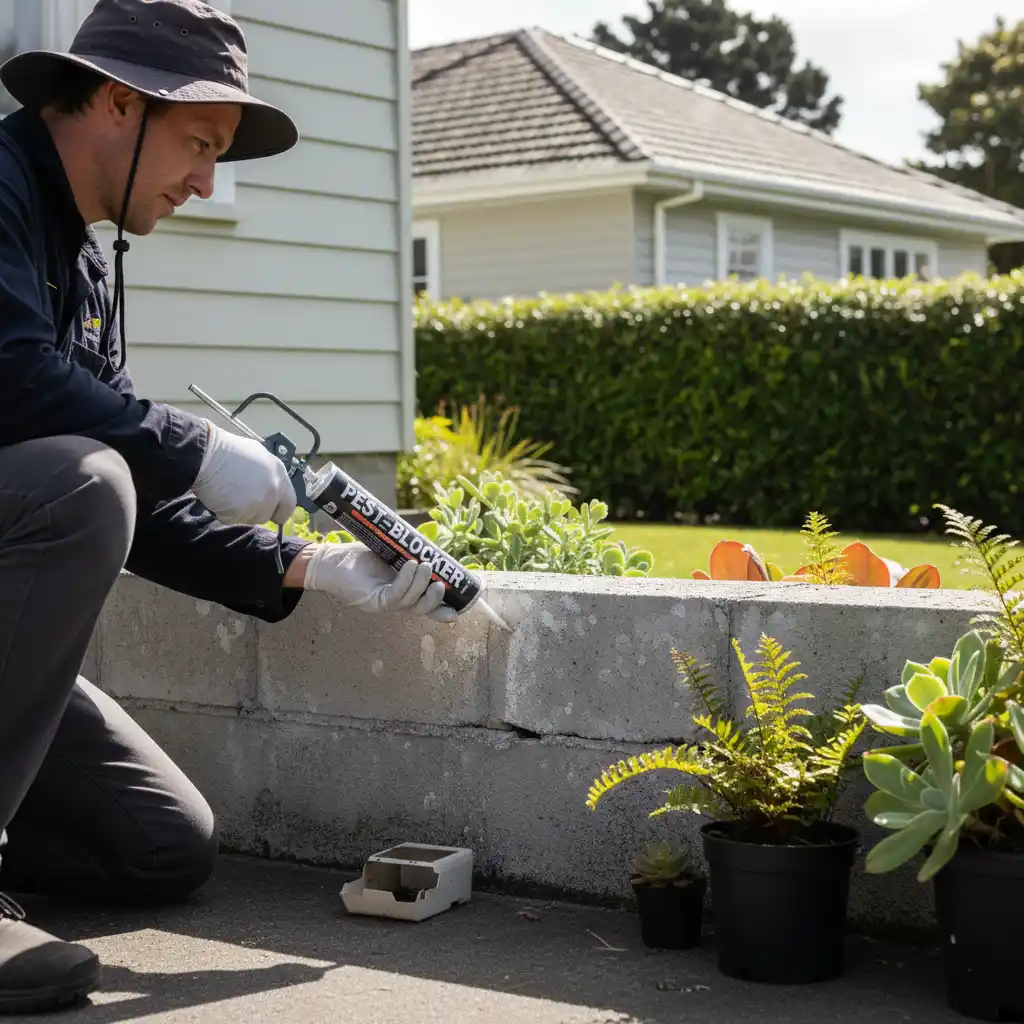
This is perhaps the most critical DIY IPM strategy. Pests need an entry point. Use silicone caulk to seal cracks in foundations, walls, and around pipes. Repair or replace damaged window and door screens. Install door sweeps on exterior doors to close gaps at the bottom. Check for gaps around utility lines, dryer vents, and attic vents. Even a small hole the size of a pen can allow mice to enter, and tiny cracks are highways for ants and cockroaches. Pay particular attention to older homes in Auckland, which often have more potential entry points.
Moisture Control: Leaks, Ventilation
Many common Auckland pests, like cockroaches, silverfish, and even some species of ants, are attracted to moisture. Fix leaky taps, pipes, and drains immediately. Ensure good ventilation in bathrooms, kitchens, and crawl spaces to reduce humidity. Consider using a dehumidifier in naturally damp areas. Ensure your gutters are clean and direct rainwater away from your home’s foundation. Eliminating standing water around your property also reduces mosquito breeding sites.
Waste Management: Proper Storage and Disposal
Proper waste management denies pests a food source. Store all food, including pet food, in sealed, airtight containers. Clean up food spills and crumbs promptly. Don’t leave dirty dishes in the sink overnight. Regularly empty kitchen bins and ensure outdoor bins have tight-fitting lids. For properties with composting, ensure compost bins are well-maintained and located away from the house to minimize rodent and insect attraction. Consider storing recycling bins away from the house as well, as they can attract pests.
Garden Maintenance: Pruning, Removing Debris
Your garden can be a pest haven if not properly maintained. Trim tree branches and shrubs so they don’t touch your house, providing a bridge for pests. Remove leaf litter, fallen fruit, and other garden debris regularly, as these provide shelter and food for many insects and rodents. Keep lawns mowed to reduce tick and flea habitats. Avoid creating dense ground cover close to the house foundation. If you have a vegetable garden, rotate crops and monitor for pests regularly, using organic pest control methods when possible.
Pet Management: Flea/Tick Prevention, Food Storage
Pets can inadvertently bring pests into your home. Ensure your pets are on a regular flea and tick prevention program, especially if they spend time outdoors. Store pet food in airtight containers to prevent access by rodents and insects. Clean pet bedding regularly. Promptly clean up pet waste in the garden to prevent fly breeding and rodent attraction. Regular grooming also helps in early detection of external parasites.
When to Seek Professional Residential IPM in Auckland
While many aspects of IPM can be managed by homeowners, there are specific situations where the expertise of a professional pest control service specializing in IPM is not just beneficial, but often essential for effective and sustainable results in an Auckland home.
Persistent Infestations: When DIY Isn’t Enough
If you’ve diligently applied DIY IPM strategies but still find yourself battling a persistent pest problem, it’s a clear sign to call in the professionals. This often indicates a deeper issue, such as a hidden nest, a difficult-to-locate entry point, or a resistant pest population. Professional technicians have the training, tools, and experience to accurately diagnose complex situations and implement more advanced control measures that are beyond the scope of a typical homeowner.
Hazardous Pests: Wasps, Rodents, Termites
Certain pests pose significant health risks or can cause substantial property damage, making professional intervention critical. Wasps (including German and common wasps prevalent in Auckland) can deliver painful stings and cause allergic reactions. Rodents carry diseases and can contaminate food and surfaces, as well as gnaw through electrical wiring. Termites (though less common in Auckland than in some other regions, borer beetles are a related concern) can silently destroy the structural integrity of a home. Attempting to handle these pests without proper knowledge or equipment can be dangerous and ineffective. For instance, the Ministry for Primary Industries (MPI) offers guidance on various pest issues in New Zealand, underscoring the importance of informed management.
Complex Pest Problems: Identification Challenges, Large Areas
Sometimes, homeowners struggle with accurately identifying the pest, which is the first step in IPM. A professional pest control technician has the entomological knowledge to correctly identify species and understand their biology, which is crucial for effective treatment. Furthermore, large or multiple-area infestations, or pest problems affecting difficult-to-reach areas like wall voids, attics, or crawl spaces, often require specialized equipment and techniques that only professionals possess. They can also provide comprehensive solutions for entire properties, not just isolated rooms.
Integrated Pest Management Experts: What They Offer
Professional IPM services offer a more sophisticated approach. They conduct comprehensive inspections, employ advanced monitoring tools, and develop a customized, multi-pronged treatment plan. This plan might include precise baiting, targeted crack and crevice treatments, heat treatments, or the strategic placement of traps. Crucially, they focus on long-term prevention and offer advice on ongoing maintenance that aligns with IPM principles, helping to make your home less attractive to pests in the future.
Long-Term Prevention and Monitoring: Professional Service Benefits
One of the key advantages of engaging a professional IPM service is their ability to provide ongoing monitoring and preventative maintenance. They can schedule regular follow-up visits to check for renewed pest activity, reinforce exclusion efforts, and make adjustments to the IPM plan as needed. This proactive, continuous management ensures that your Auckland home remains protected from pests year-round, offering peace of mind and protecting your investment.
Conclusion: A Sustainable Approach to Pest Management
Implementing Integrated Pest Management in your Auckland home is a smart, sustainable, and highly effective way to manage pests. It moves beyond the reactive cycle of continuous chemical treatments, fostering a deeper understanding of pest ecology and promoting proactive measures. By combining thorough identification, vigilant monitoring, and a hierarchy of control methods—starting with sanitation and exclusion, progressing to least-toxic solutions, and reserving targeted chemical applications for when absolutely necessary—homeowners can achieve lasting results. Whether through diligent DIY efforts or by partnering with experienced IPM professionals in Auckland, adopting this holistic approach ensures not only a pest-free environment but also contributes to the health of your family, pets, and the wider ecosystem. It’s an investment in a safer, more sustainable future for your home.
People Also Ask About IPM for Auckland Homes
What are the most common pests in Auckland homes that IPM addresses?
In Auckland, IPM typically addresses common pests like various ant species (e.g., Argentine, white-footed house ants), German and American cockroaches, rodents (rats and mice), common spiders, silverfish, and sometimes specific issues like borer beetles. The humid climate contributes to many of these.
How often should I inspect my Auckland home for pests as part of an IPM plan?
For optimal IPM, homeowners in Auckland should perform thorough inspections seasonally (every 3 months) and conduct quick visual checks regularly, especially in kitchens, bathrooms, and around food storage areas. After heavy rain or during seasonal changes, increased vigilance is recommended.
Are there any specific Auckland-specific regulations or considerations for residential pest control?
While no specific Auckland-only pest control regulations broadly impact homeowners, professionals must adhere to New Zealand’s Hazardous Substances and New Organisms (HSNO) Act and local council bylaws regarding chemical use and waste disposal. Homeowners should ensure any professional service is licensed and uses approved products.
What are some effective natural deterrents for pests commonly found in Auckland gardens?
Effective natural deterrents for Auckland gardens include planting pest-repelling herbs (e.g., mint, rosemary, marigolds), introducing beneficial insects (e.g., ladybugs, lacewings), using neem oil or insecticidal soap for targeted issues, and maintaining good garden hygiene by removing debris and weeds.
How do professional IPM services in Auckland differ from standard pest control?
Professional IPM services in Auckland focus on a holistic approach: accurate pest identification, monitoring, understanding pest biology, and prioritizing non-chemical methods. Standard pest control often relies more heavily on broad-spectrum chemical sprays, providing a quicker but less sustainable solution compared to IPM’s long-term prevention.
Can IPM help with seasonal pests like wasps that are prevalent in Auckland summers?
Yes, IPM is highly effective for seasonal pests like wasps in Auckland. It involves monitoring for nests early in the season, sealing entry points to prevent them from entering homes, and, if necessary, professional removal of established nests using targeted, safe methods, rather than just treating foraging wasps.