IPM for businesses in Auckland refers to a holistic, sustainable approach to commercial pest management that prioritizes long-term prevention and minimizes risks to human health and the environment. It combines inspection, monitoring, and effective, targeted interventions to control pests while ensuring regulatory compliance and safeguarding brand reputation across various Auckland industries.
Understanding Integrated Pest Management (IPM) for Commercial Enterprises in Auckland
Integrated Pest Management (IPM) is far more than just spraying pesticides; it’s a strategic, science-based approach designed to provide long-term pest control solutions. For commercial entities in Auckland, IPM means integrating a comprehensive understanding of pest biology, environmental factors, and the unique operational aspects of each business to manage pest populations effectively and sustainably. This proactive strategy emphasizes prevention, monitoring, and non-chemical methods first, resorting to targeted pesticide application only when absolutely necessary and with the least environmental impact. The goal is not merely eradication, which is often temporary, but ongoing management to keep pest populations below economically damaging or health-threatening levels, ensuring the safety, hygiene, and reputation of commercial premises.
In the bustling commercial landscape of Auckland, businesses face a myriad of challenges, and pest infestations rank high among them, capable of causing significant financial losses, health risks, and severe damage to brand image. From the hospitality sector to healthcare, retail to manufacturing, a robust IPM program is indispensable. It represents a paradigm shift from reactive pest control to a proactive partnership, where the pest management provider works hand-in-hand with the business to implement strategies that are tailored, effective, and compliant with local and national regulations. This holistic view ensures that pest issues are addressed at their root, leading to more sustainable and cost-effective outcomes for Auckland’s diverse business community.
The Unique Challenges of Commercial Pest Control in Auckland’s Business Landscape
Auckland, with its subtropical climate, extensive port activity, and dense urban environment, presents a unique set of challenges for commercial pest management. The city’s warm, often humid conditions create an ideal breeding ground for a wide array of pests, including cockroaches, rodents, ants, and flies, which can thrive year-round. Furthermore, Auckland’s status as a major international hub means a constant influx of goods and people, increasing the risk of introducing exotic or invasive pest species that can disrupt local ecosystems and business operations. Commercial properties, ranging from historic buildings to modern skyscrapers, each come with their own structural complexities that can create hidden havens for pests, complicating detection and treatment.
Businesses in Auckland also operate under various specific pressures. The food service industry, for example, faces intense scrutiny over hygiene, making even minor pest sightings a potential crisis. Warehouses and logistics centres, critical to Auckland’s economy, are vulnerable to pests that can damage goods, leading to significant inventory losses and supply chain disruptions. The high density of commercial areas means that pest issues in one property can quickly spread to neighbouring businesses, necessitating a community-wide approach to control. Effective IPM in this environment requires not only expert knowledge of pest behaviour but also a deep understanding of local conditions, regulatory requirements, and a commitment to integrated, preventive strategies that can adapt to Auckland’s dynamic commercial realities.
Key Components of a Robust Commercial IPM Program
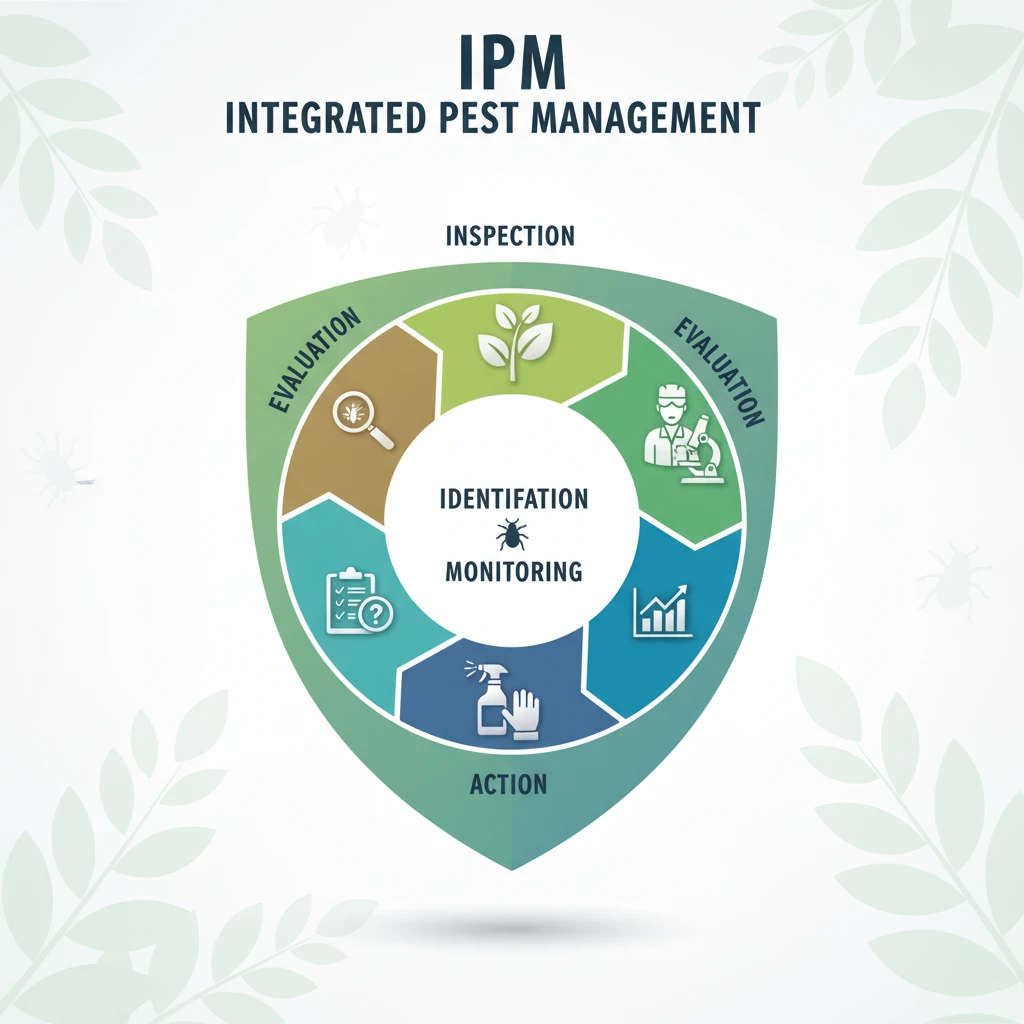
A truly effective commercial IPM program is built upon several foundational pillars, each contributing to a holistic and sustainable approach to pest management. The first and perhaps most critical component is thorough and regular inspection and monitoring. This involves routine checks by trained professionals to identify pest activity, potential entry points, harborage areas, and conducive conditions. Monitoring devices, such as sticky traps and bait stations, are strategically placed to track pest populations and identify species, providing crucial data for informed decision-making.
Following identification, prevention and exclusion become paramount. This involves implementing measures to seal cracks, repair damaged screens, improve sanitation practices, manage vegetation around the property, and educate staff on pest-proofing protocols. The goal is to make the commercial environment inhospitable and inaccessible to pests. Sanitation is another cornerstone, as removing food sources, water, and shelter is often the most effective way to deter pests naturally. This includes proper waste management, regular cleaning schedules, and addressing moisture issues.
When intervention is necessary, an IPM program prioritises non-chemical controls such as trapping, heat treatments, or biological controls. If chemical treatments are required, they are applied judiciously and precisely, targeting specific pest species with the least toxic and most effective products available, always with a focus on human safety and environmental impact. Finally, ongoing evaluation and documentation ensure the program’s effectiveness, allowing for continuous adjustments and improvements. Detailed records of inspections, treatments, and pest activity provide a clear historical account, aiding in long-term strategic planning and demonstrating due diligence for regulatory purposes.

Industry-Specific IPM Solutions: Tailoring Strategies for Auckland Businesses
One of the core strengths of IPM lies in its adaptability and capacity to be tailored to the specific needs and vulnerabilities of different industries. A cookie-cutter approach to pest control is rarely effective in the complex commercial landscape. Instead, bespoke IPM solutions consider the unique operational workflows, regulatory requirements, and environmental factors inherent to each sector in Auckland.
Food Service and Hospitality: Safeguarding Health and Brand
For Auckland’s vibrant food service and hospitality sector, encompassing restaurants, cafes, hotels, and catering businesses, pest management is not just about convenience but about public health, safety, and brand survival. Pests like rodents, cockroaches, and flies pose significant risks of contamination, disease transmission, and severe reputational damage. An IPM strategy for these businesses focuses on rigorous sanitation protocols, stringent waste management, regular inspections of kitchens, dining areas, storage, and waste zones, and immediate action on any identified pest activity. It also includes educating staff on pest awareness and reporting, ensuring food safety compliance, and regular audits to meet stringent health and safety standards mandated by authorities like the Ministry for Primary Industries (MPI).
Healthcare Facilities: Maintaining Sterile Environments
Healthcare facilities – hospitals, clinics, aged care homes – represent an environment where pest control is of critical importance due to the presence of vulnerable individuals and the absolute necessity of maintaining sterile conditions. Pests here can transmit pathogens, trigger allergies, and cause immense distress to patients and staff. IPM in healthcare focuses on highly discreet, non-toxic, and low-impact methods. This includes meticulous monitoring, sealing entry points, careful waste management, and the selection of pest control products that pose no risk to sensitive equipment or patient health. Regular, discreet inspections and rapid response protocols are essential to prevent any disruption to patient care and ensure compliance with stringent health regulations.
Retail and Warehousing: Protecting Inventory and Customer Experience
From large-scale warehouses storing vast inventories to boutique retail outlets, pests can cause extensive damage to products, packaging, and infrastructure, leading to financial losses and compromised customer experience. Rodents can chew through wires and stock, while insects can infest stored goods. IPM strategies for these sectors involve perimeter defence, regular inspection of incoming shipments, structural pest-proofing, and appropriate stock rotation. For retail, the emphasis is also on discreet services that do not disrupt sales or deter customers, ensuring a pest-free and pleasant shopping environment. Damage prevention and maintaining inventory integrity are key drivers.
Office Buildings and Educational Institutions: Ensuring Productive Spaces
Office environments and schools, while seemingly less critical than food or healthcare, also require effective IPM to ensure comfortable, healthy, and productive spaces. Pests like ants, spiders, and occasionally rodents can cause discomfort, distract occupants, and, in some cases, pose health risks. IPM for these settings focuses on maintaining good housekeeping, sealing entry points, managing outdoor landscaping to deter pests, and educating building occupants on simple preventive measures. The aim is to create an environment conducive to work and learning, free from pest-related distractions or health concerns, ensuring the well-being of staff, students, and visitors.
Regulatory Compliance and Auditing in Auckland’s Commercial Pest Management
Navigating the regulatory landscape is a critical aspect of commercial pest management in Auckland. Businesses must adhere to a range of local bylaws and national legislation that govern public health, food safety, and environmental protection. For instance, the Food Act 2014 and associated regulations impose strict requirements on food businesses to manage pests effectively to prevent contamination. Similarly, health and safety regulations, such as the Health and Safety at Work Act 2015, place obligations on businesses to ensure a safe environment free from pest-related hazards for employees and visitors.
An IPM program must be designed not only to control pests but also to ensure full compliance with these regulations. This includes the proper documentation of all pest activity, inspection reports, treatment plans, and pesticide application records. Regular audits, both internal and external, are vital to verify that the IPM program is operating effectively and meeting all legal obligations. These audits can identify gaps, ensure best practices are followed, and provide proof of due diligence. Working with an IPM provider familiar with Auckland-specific regulations and experienced in preparing for and passing audits is essential. Businesses can consult resources such as Auckland Council’s guidelines for pest control in food businesses to understand their specific responsibilities.
Protecting Your Business Reputation and Preventing Costly Infestations
In today’s interconnected world, a single pest sighting can quickly escalate into a public relations nightmare, especially for businesses in Auckland that rely heavily on customer trust and brand image. For commercial operations, a pest infestation is not merely an inconvenience; it’s a direct threat to profitability, customer loyalty, and long-term viability. The financial costs can be staggering, encompassing direct expenses like extermination services, repair of damaged property, replacement of contaminated stock, and potential fines for non-compliance. However, the indirect costs, particularly to reputation, can be far more damaging and harder to recover from.
Negative reviews on social media or online platforms, poor word-of-mouth, and negative media attention can lead to a significant drop in customer patronage and make it challenging to attract new clients or retain existing ones. A strong IPM program acts as a crucial defence mechanism, proactively identifying and mitigating risks before they become public issues. By demonstrating a commitment to high standards of hygiene and pest control, businesses can safeguard their reputation, build trust with their clientele, and protect their bottom line from the devastating impact of an uncontrolled pest problem. Prevention, through robust IPM, is always less costly and less damaging than remediation after an infestation has taken hold.
Choosing the Right IPM Partner in Auckland: What to Look For
Selecting the right IPM partner in Auckland is a strategic decision that can profoundly impact your business’s health, safety, and reputation. It’s not just about finding a pest controller; it’s about securing a long-term ally dedicated to sustainable pest management. When evaluating potential partners, several key factors should guide your choice. Firstly, look for companies with extensive experience specifically in commercial IPM within the Auckland region. Their familiarity with local pest pressures, environmental conditions, and regulatory frameworks is invaluable.
Accreditation and certifications are also critical. Ensure the provider employs licensed and trained technicians who are knowledgeable in pest biology, behaviour, and the latest IPM techniques. A commitment to environmentally responsible practices, including the judicious use of pesticides and a preference for non-chemical methods, is a strong indicator of a high-quality IPM provider. Transparency in reporting, clear communication, and a proactive approach to problem-solving are also essential attributes. A reputable partner will offer detailed inspection reports, comprehensive service agreements, and a willingness to collaborate closely with your staff to implement preventive measures. Finally, consider their reputation through client testimonials and case studies, focusing on their ability to deliver consistent, effective, and discreet services tailored to your specific industry needs.

The Future of Commercial Pest Management: Innovations and Sustainability
The field of commercial pest management is continuously evolving, driven by technological advancements, greater environmental awareness, and increasingly sophisticated pest challenges. In Auckland, the future of IPM for businesses will likely see a greater integration of smart technologies. This includes advanced remote monitoring systems that use sensors and cameras to detect pest activity in real-time, providing immediate alerts and precise data for targeted interventions. Such technologies reduce the need for manual inspections, increase efficiency, and minimise disruption to business operations.
There will also be a continued emphasis on sustainable and eco-friendly solutions. As businesses and consumers become more environmentally conscious, the demand for non-toxic and biological pest control methods will grow. Research into new pheromone traps, biological agents, and innovative physical barriers will provide even more options for effective pest management without relying heavily on traditional chemical treatments. Furthermore, data analytics and predictive modelling will play a larger role, allowing IPM providers to anticipate potential pest outbreaks based on environmental factors, historical data, and seasonal trends, enabling even more proactive and preventive strategies. For Auckland businesses, embracing these innovations and partnering with forward-thinking IPM providers will be key to ensuring resilient, future-proof pest management programs.
People Also Ask
What makes IPM different from traditional pest control for businesses in Auckland?
IPM (Integrated Pest Management) for businesses in Auckland differs by focusing on long-term prevention, pest biology, and environmental factors, using a combination of methods. Unlike traditional pest control, which often relies solely on reactive chemical treatments, IPM prioritises proactive measures like exclusion, sanitation, and monitoring, using chemicals only when necessary and in a targeted manner. This holistic approach minimises risks and provides more sustainable results.
Why is a tailored IPM plan crucial for different industries in Auckland?
A tailored IPM plan is crucial because each industry in Auckland has unique operational requirements, pest vulnerabilities, and regulatory standards. For example, food service businesses require stringent hygiene, while healthcare facilities demand sterile, low-impact solutions. A customised plan addresses specific risks, ensures compliance, and provides the most effective and least disruptive pest management strategy for that particular commercial environment.
What are the primary benefits of implementing IPM for my Auckland business?
Implementing IPM for your Auckland business offers numerous benefits, including long-term pest prevention, reduced reliance on pesticides, enhanced public health and safety, protection of your business reputation, compliance with regulatory requirements, and potential cost savings through fewer emergency treatments and reduced stock damage. It creates a healthier, safer, and more productive commercial environment.
How does Auckland’s climate and environment affect commercial pest control?
Auckland’s subtropical climate and dense urban environment significantly impact commercial pest control by providing ideal conditions for pests like cockroaches, rodents, and ants to thrive year-round. The city’s port also increases the risk of new pest introductions. This necessitates proactive and adaptive IPM strategies that consider seasonal variations, urban density, and potential entry points unique to the Auckland region.
What role does staff training play in an effective commercial IPM program?
Staff training is a vital component of an effective commercial IPM program. Employees are often the first to notice signs of pest activity or conditions conducive to pests. Training helps them understand their role in prevention, such as proper sanitation, waste management, and promptly reporting pest sightings. Educated staff can significantly contribute to early detection and the overall success of the IPM strategy.
How often should an IPM program be reviewed or audited for an Auckland business?
An IPM program for an Auckland business should be regularly reviewed and audited, typically on a quarterly or bi-annual basis, or more frequently for high-risk industries like food service or healthcare. These reviews ensure the program remains effective, adapts to changing conditions, and maintains compliance with evolving regulations. Regular audits also help identify areas for improvement and demonstrate due diligence.