
Auckland’s lush, vibrant landscape makes it a beautiful place to live, but it also creates the perfect breeding ground for rodents. As temperatures drop, rats and mice inevitably seek shelter inside our warm, comfortable homes. For families with dogs and cats, this seasonal invasion presents a terrifying dilemma. How do you eliminate pests without putting your furry best friends at risk?
Many homeowners unknowingly purchase highly toxic baits from their local hardware store. Unfortunately, these traditional poisons pose a lethal threat to curious pets and native wildlife. Finding effective, pet safe rodent control in Auckland is no longer just a preference; it is an absolute necessity for responsible pet owners. Let us explore the hidden dangers of standard rodenticides and the best humane alternatives available today.
Key Takeaways
Traditional rat baits use anticoagulants that cause fatal internal bleeding in pets through direct ingestion or secondary poisoning. Implementing pet safe rodent control in Auckland relies on eco-friendly exclusion tactics, humane electronic traps, and botanical repellents to protect your home without endangering your beloved animals.

The Dangers of Traditional Rodenticides to Pets
When dealing with a rat infestation, the immediate reaction is often to buy cheap, chemical baits. However, the SPCA New Zealand strongly opposes the use of these poisons due to the severe welfare harm they cause. Most commercial rat baits are anticoagulants, meaning they fundamentally prevent the blood from clotting.
This leads to internal hemorrhaging, which is a slow and agonizing process for any mammal that ingests it. The danger is not limited to the rodents themselves. Dogs are incredibly curious creatures that explore the world through their noses and mouths, making them highly vulnerable to ground-level toxins.
According to the Animal Poisons Helpline, anticoagulant rodenticides account for over 12% of all poisoning-related claims in pets. A single moment of unsupervised garden exploration can lead to a devastating emergency vet visit. We must prioritize safer alternatives to protect our vulnerable companions.
Standard rat baits are often flavored with fish oil or peanut butter to attract rodents. Unfortunately, these exact same scents make the bait highly irresistible to your dogs and cats!
Secondary Poisoning Risks
Direct ingestion of bait is a massive concern, but secondary poisoning is an equally insidious threat. Secondary poisoning occurs when a non-target animal, such as a cat or a native ruru (owl), eats a rodent that has already consumed poison. Because anticoagulants like brodifacoum take several days to kill a rat, the poisoned rodent continues to wander outdoors.
During this time, the sick rat becomes slow and lethargic, making it an easy target for a hunting cat. Once the cat digests the poisoned rat, the toxic chemicals transfer directly into the cat’s bloodstream. This chain reaction is why relying on chemical baits is fundamentally incompatible with a pet-friendly household.
Recognizing the Signs of Poisoning
If you suspect your pet has ingested rat bait or a poisoned rodent, immediate action is required. Symptoms of anticoagulant poisoning do not always appear instantly; they can take several days to manifest. You must be vigilant and monitor your pet’s daily behavior closely.
Common clinical signs include extreme lethargy, difficulty breathing, and pale mucous membranes or gums. You might also notice unexplained bruising, coughing, or blackened, tarry feces. If any of these symptoms occur, you must contact your emergency veterinarian immediately, as timely intervention is the only way to save their life.
To truly understand the danger, it helps to know how these poisons interact with a mammal’s biology. Anticoagulant rodenticides work by depleting the body’s supply of Vitamin K, an essential nutrient required for blood coagulation. Once the Vitamin K reserves are exhausted, the animal begins to bleed internally from minor, everyday trauma.
Do not attempt to induce vomiting at home without direct veterinary guidance. Your vet will likely administer Vitamin K1, which serves as a highly effective antidote for anticoagulant toxicity if caught early.
Humane Rodent Traps & Alternatives for Auckland Residents
Thankfully, the pest control industry is undergoing a massive transformation. Global demand for natural and eco-friendly pest control is surging, with the market expected to reach $22 billion by 2033. This shift means homeowners now have access to a wide array of non-toxic, highly effective solutions.
Implementing pet safe rodent control in Auckland requires a strategic approach rather than a quick chemical fix. Integrated Pest Management (IPM) focuses on long-term prevention, utilizing humane traps and environmental modifications. This methodology ensures that pests are managed effectively without introducing hazardous chemicals into your living space.
Electronic Traps and Catch-and-Release
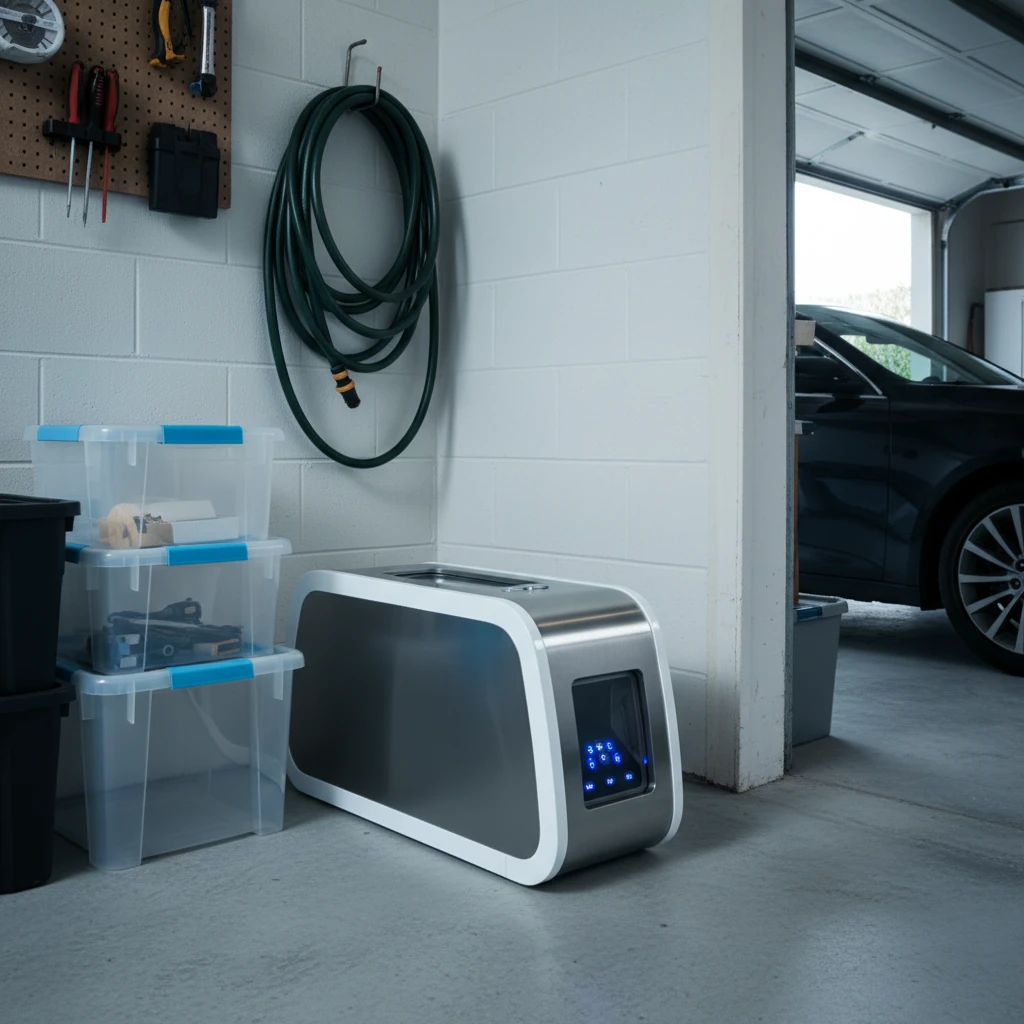
One of the most popular alternatives to poison is the modern electronic rat trap. These devices use a high-voltage shock to humanely and instantly kill the rodent. Because there are no chemicals involved, there is absolutely zero risk of secondary poisoning to your pets.
Furthermore, electronic traps are designed with safety tunnels that prevent a dog’s snout or a cat’s paw from reaching the activation plate. For those who prefer a completely non-lethal approach, catch-and-release traps are also widely available. These allow you to safely capture the rodent and relocate it far away from your property.
Botanical and Natural Repellents
Another excellent addition to your pest management arsenal is the use of botanical repellents. Essential oils, such as peppermint, eucalyptus, and clove, have been shown to naturally deter rodents. Because mice and rats have highly sensitive olfactory systems, these strong scents overwhelm their senses and drive them away.
While botanical repellents are not a standalone solution for a severe infestation, they are a fantastic preventative measure. You can soak cotton balls in peppermint oil and place them in dark corners, subfloors, and attic spaces. This natural approach adds an extra layer of defense without introducing harmful toxins into your home’s air supply.
Eco-Friendly Rodent Solutions for a Green Auckland Home
The most effective way to handle a pest problem is to prevent it from occurring in the first place. This concept, known as exclusion, is the cornerstone of sustainable pest management. By physically blocking rodents from entering your home, you eliminate the need for traps and poisons entirely.
Auckland’s unique architectural landscape, which includes many older villas and bungalows, presents specific challenges. These homes often feature raised subfloors, exposed weatherboards, and aging rooflines that provide easy access for mice and rats. Professional pest controllers can identify and secure these structural vulnerabilities.
Beyond sealing structural gaps, maintaining a tidy exterior is a crucial component of pest exclusion. Rodents seek out properties that offer easy access to food, water, and secure hiding places. By clearing away dense brush, elevating firewood stacks, and removing standing water, you strip the environment of its appeal.
Roof rats are exceptional climbers that frequently use overhanging tree branches as a bridge to your roof. Keep all tree limbs trimmed at least two meters away from your home’s exterior walls to cut off this aerial highway.

Sealing Entry Points: Your Guide to Pest-Proofing in Auckland
Mice are incredibly flexible and can squeeze through gaps as small as a pencil. Therefore, a thorough exterior inspection is mandatory for effective exclusion. You must systematically check your home’s foundation, doors, windows, and utility line entrances.
When sealing these gaps, it is crucial to use the right materials. Rodents can easily chew through standard expanding foam, plastic, and soft wood. Instead, you should use galvanized steel wool, copper mesh, and heavy-duty silicone caulking to create an impenetrable barrier.
- Inspect Vents: Ensure all subfloor and attic vents are covered with heavy-duty wire mesh to block entry.
- Seal Pipe Gaps: Use copper mesh and silicone to fill gaps where plumbing enters the exterior walls.
- Install Door Sweeps: Fit bristle or rubber sweeps to the bottom of all exterior doors, including the garage.
- Manage Waste: Keep all outdoor rubbish bins tightly sealed and store compost in rodent-proof containers.
Comparing Pet-Safe Rodent Control Methods
Understanding the pros and cons of different pest control methods empowers you to make the best choice for your family. While chemical baits offer a low upfront cost, the hidden risks to your pets are astronomically high. Conversely, investing in professional exclusion provides long-lasting peace of mind.
To help you decide, we have compiled a comprehensive comparison of the most common pest management strategies. This breakdown highlights the safety, effectiveness, and environmental impact of each approach. Ultimately, prioritizing pet safe rodent control in Auckland will always yield the best long-term results.
| Method | Pet Safety Level | Effectiveness | Environmental Impact |
|---|---|---|---|
| Chemical Baits (Anticoagulants) | Very Low | High (Short-term) | Negative (Secondary poisoning) |
| Electronic Traps | High | Medium | Neutral |
| Botanical Repellents | High | Low (Preventative only) | Positive (Eco-friendly) |
| Professional Exclusion | Very High | Very High (Long-term) | Positive (Sustainable) |
Book Your Pet-Safe Rodent Inspection Today
Protecting your home from pests should never come at the expense of your pet’s health and safety. The risks of internal bleeding, secondary poisoning, and devastating vet bills are simply too high to ignore. By choosing modern, eco-friendly exclusion methods, you can maintain a clean, safe, and pest-free environment.
If you are ready to implement pet safe rodent control in Auckland, our team of certified professionals is here to help. We specialize in comprehensive property inspections, identifying hidden entry points, and installing robust, humane defenses. Do not wait for a minor pest issue to become a dangerous infestation.
Contact us today to schedule a comprehensive, pet-friendly pest inspection. Our certified technicians will design a customized exclusion plan tailored specifically to your property and your pets’ safety.