Humane rodent traps for Auckland residents offer an ethical and effective solution to manage unwanted pests without causing harm. These methods focus on live capture, allowing for safe relocation and promoting a more compassionate approach to pest control. This guide provides comprehensive information on types of traps, best practices, and preventative measures specifically tailored for Auckland homeowners seeking responsible rodent management.
Understanding Humane Rodent Traps for Auckland Homes
In Auckland, managing rodent infestations often brings a dilemma between effective pest control and ethical considerations for animal welfare. Humane rodent traps provide a compelling solution by allowing for the capture of rats and mice without injury or stress. These devices are designed with the animal’s well-being in mind, ensuring that once caught, the rodent remains safe until it can be released in a suitable, distant location. The growing awareness among Auckland residents regarding ecological impacts and animal rights has fueled the demand for such compassionate alternatives to traditional, lethal methods.
How Live Traps Work
Live traps operate on a simple yet effective mechanism: they entice rodents into an enclosure using bait, and once inside, a door springs shut, preventing escape without causing physical harm. These traps are typically made from durable materials like metal or plastic, featuring ventilation holes to ensure the animal can breathe comfortably and is not subjected to extreme temperatures. The design often includes smooth edges and no sharp components, minimizing the risk of injury as the rodent enters or while it is contained. Successful operation relies heavily on strategic placement and the right choice of bait, drawing the rodent in without alerting it to potential danger.
Types of Humane Traps Available
Auckland residents have access to a variety of humane trap designs, each suited for different situations and rodent types:
- Single-Catch Traps: These are the most common type, designed to capture one rodent at a time. They are often made of wire mesh or clear plastic, allowing for easy monitoring of a captured animal. Their compact size makes them ideal for placement in tight spaces like cabinets or attics.
- Multi-Catch Traps: Also known as repeater traps, these devices can capture several rodents consecutively without needing to be reset after each capture. They often feature a one-way entry system, allowing rodents to enter but not exit. These are particularly effective for larger infestations or in areas with high rodent activity.
- Bucket Traps: A DIY-friendly option, bucket traps involve a ramp leading to a bucket, often with a rotating or tipping platform. While effective, it’s crucial to add bedding or a small amount of food to the bottom of the bucket to ensure the captured rodent’s comfort and safety until release.
Choosing the right type depends on the scale of the problem, the specific areas of infestation, and personal preference for monitoring frequency.

The primary advantage of these traps is their non-lethal nature, aligning with ethical pest control principles. They also eliminate the need for handling deceased animals, which can carry health risks, and avoid the unpleasant odors associated with decomposition in inaccessible areas. However, live trapping requires a commitment to regular monitoring and responsible relocation, as simply releasing a rodent near your property can lead to its return or cause problems for neighbors.
Ethical Considerations in Rodent Control for Auckland
The decision to opt for humane rodent control in Auckland reflects a growing commitment to ethical living and environmental responsibility. While rodents can pose significant health risks and cause structural damage, many residents are seeking methods that align with principles of compassion and sustainability. Understanding the ethical dimensions of pest management is crucial for developing a strategy that is both effective and morally sound, particularly in a region that values its natural environment and biodiversity.
Understanding Rodent Behavior and Welfare
Rats and mice, like all living creatures, experience pain, fear, and stress. Traditional lethal traps and poisons often inflict prolonged suffering, leading to agonizing deaths. Humane methods, in contrast, aim to minimize distress. By understanding rodent behavior—their investigative nature, their need for shelter and food, and their social structures—we can design trapping and exclusion strategies that leverage these instincts without causing harm. For instance, knowing that rodents follow established paths helps in strategic trap placement, while understanding their dietary preferences guides bait selection. Prioritizing welfare means providing a comfortable, secure environment within the trap, monitoring it frequently, and ensuring a swift release.
Environmental Impact and Local Regulations
Auckland’s unique ecosystem, with its native flora and fauna, makes responsible pest control paramount. Traditional rodenticides, for example, can have devastating secondary impacts, poisoning predators like cats, birds of prey, and even domestic pets that consume contaminated rodents. This disrupts the delicate food chain and poses risks to protected species. Humane trapping eliminates this risk, protecting Auckland’s diverse wildlife. While specific regional regulations regarding live-trap release zones may vary, the general principle in New Zealand is to release animals away from human habitation and where they have a chance of survival without negatively impacting local ecosystems. It’s always advisable to consult local council guidelines or reputable pest control services in Auckland for the most current advice on release protocols. For broader understanding of animal welfare principles, organizations like the RNZSPCA provide valuable resources on humane treatment of animals.
Implementing Humane Trapping Strategies
Successful humane rodent removal in Auckland depends not just on the type of trap used, but on the meticulous application of best practices throughout the process. From initial setup to final release, every step must be carefully considered to ensure both the efficacy of the trapping effort and the welfare of the captured rodents. A well-executed strategy minimises stress for the animals and maximises your chances of permanently resolving the infestation.
Strategic Trap Placement and Baiting
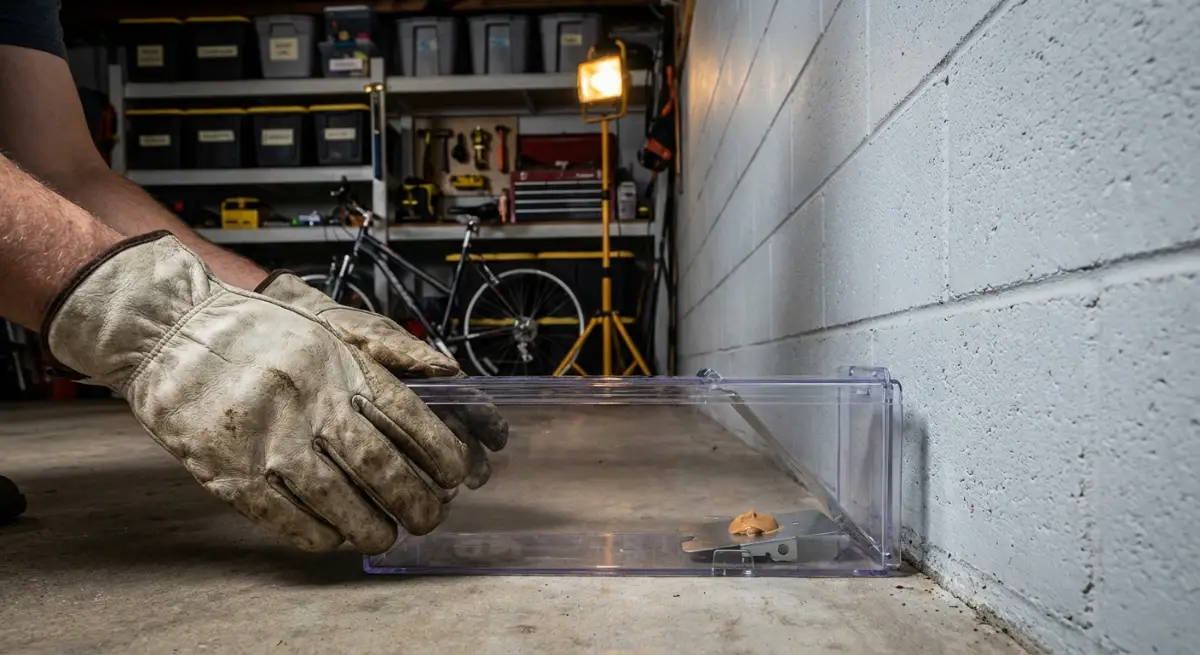
Effective trap placement is crucial. Rodents are creatures of habit, often travelling along walls, behind appliances, and in secluded, dark areas. Look for signs of activity such as droppings, gnaw marks, or smudge marks along baseboards. Place traps in these identified pathways, ensuring they are flush against a wall rather than in open spaces. For bait, high-protein foods like peanut butter, nuts, seeds, or even a small piece of cheese or chocolate are highly attractive. A small amount is sufficient; the goal is to lure, not feed. Avoid over-baiting, which can allow rodents to eat without entering the trap fully. For multi-catch traps, a trail of bait leading into the entry point can be particularly effective.
Monitoring and Timely Release
One of the most critical aspects of humane trapping is frequent monitoring. Traps should be checked at least twice a day, preferably in the early morning and late evening. This minimizes the time a trapped rodent spends in confinement, reducing stress, dehydration, and potential injury. Prolonged captivity can be extremely stressful and even fatal for a rodent. When a rodent is caught, handle the trap gently and calmly to avoid startling the animal further. Wear gloves to protect yourself and to prevent the transfer of human scent to the trap, which can deter other rodents.
Safe Release Locations and Post-Release Care
Once a rodent is captured, immediate and responsible release is paramount. The general recommendation is to release the animal at least 1-3 kilometers away from your property and any other residential areas to prevent its return or becoming a nuisance elsewhere. Choose a release site with natural cover (e.g., bushes, tall grass) and access to water, away from busy roads. Avoid releasing rodents in unfamiliar, open environments where they may be vulnerable to predators or struggle to find food and shelter. When opening the trap, do so from a distance to allow the rodent to scurry away without direct human interaction. Observe local Auckland council guidelines on animal release, if available, as some areas may have specific rules regarding wildlife relocation. Responsible release ensures the rodent has the best chance of survival and prevents transferring the problem to another homeowner.
Beyond Trapping: Preventative Measures and Eco-Friendly Alternatives
While humane traps are excellent for immediate removal, the most sustainable and effective rodent control strategy for Auckland residents involves a multi-faceted approach that prioritises prevention. By implementing long-term exclusion and deterrent methods, you can significantly reduce the likelihood of future infestations, making your home less attractive to rodents in the first place. This holistic approach complements trapping efforts and fosters a more harmonious coexistence with the local environment.
Rodent-Proofing Your Auckland Home
Exclusion is the cornerstone of effective rodent prevention. Rats and mice can squeeze through incredibly small openings – rats through a gap the size of a 20-cent coin, and mice through a gap the size of a 10-cent coin. Thoroughly inspect your home’s exterior for any potential entry points:
- Seal Cracks and Gaps: Use steel wool, hardware cloth, or cement to seal cracks in foundations, walls, and around utility pipes and wires.
- Repair Damaged Screens and Vents: Ensure all window and door screens are intact, and repair any damaged vent covers, especially those leading to attics or crawl spaces.
- Install Door Sweeps: Gaps under doors are common entry points. Install door sweeps or thresholds to eliminate these spaces.
- Trim Vegetation: Keep trees and shrubs trimmed away from your home’s roof and walls, as they can provide easy access points for climbing rodents.
- Secure Pet Doors: If you have a pet door, ensure it’s secure and only accessible by your pet, especially at night.
By eliminating these entry points, you create a physical barrier that prevents rodents from entering your living spaces, making your home an impenetrable fortress.
Natural Deterrents and Habitat Modification
Beyond physical barriers, modifying the environment around your home can also deter rodents. Good sanitation is paramount:
- Store Food Properly: Keep all food, including pet food, in airtight containers. Clean up spills and crumbs immediately.
- Manage Rubbish: Use robust bins with tightly fitting lids, and ensure they are emptied regularly.
- Eliminate Water Sources: Fix leaky pipes and outdoor taps, and ensure pet water bowls are not left out overnight.
- Reduce Clutter: Rodents thrive in cluttered environments, which offer hiding places and nesting materials. Keep garages, sheds, and basements tidy and organised.
Certain natural scents are also reported to deter rodents, such as peppermint oil, eucalyptus oil, or used coffee grounds. While these are often used as supplementary measures, they can add an extra layer of protection when applied strategically in conjunction with exclusion methods.
When to Consult Auckland Pest Control Professionals
While DIY humane trapping and prevention methods are highly effective for minor infestations, there are times when professional assistance is necessary. If you are dealing with a large-scale infestation, persistent rodent activity despite your best efforts, or if you suspect rodents are nesting in inaccessible areas like wall cavities, it’s time to call in the experts. Auckland-based pest control professionals can offer:
- Expert Assessment: They can accurately identify rodent species, assess the extent of the infestation, and locate hidden entry points.
- Specialised Equipment: Professionals have access to a wider range of humane trapping devices and advanced tools for exclusion.
- Comprehensive Solutions: They can implement integrated pest management plans that combine trapping, exclusion, and long-term prevention strategies tailored to your specific situation and in line with local regulations.
Choosing a reputable Auckland pest control service that prioritises humane and eco-friendly practices ensures that your rodent problem is resolved effectively and ethically. The Environmental Health Institute of New Zealand can offer guidance on professional standards and best practices in pest management.

By combining proactive prevention with the strategic use of humane traps and knowing when to enlist professional help, Auckland residents can maintain a rodent-free home environment while upholding their commitment to animal welfare and ecological responsibility. This comprehensive approach ensures not only immediate relief but also long-term peace of mind.
What are the most effective humane rodent traps for Auckland homes?
The most effective humane rodent traps for Auckland homes are live-catch traps, available in single-catch or multi-catch (repeater) designs. Single-catch traps are good for individual rodents, while multi-catch traps are better for larger infestations. They are typically made of wire mesh or clear plastic, designed to capture rodents without causing harm, allowing for safe relocation. Success depends heavily on proper baiting and strategic placement along rodent pathways.
How far should I release a captured rodent in Auckland?
For humane and effective rodent control in Auckland, it is generally recommended to release a captured rodent at least 1-3 kilometers (0.6 to 1.8 miles) away from your property and other residential areas. This distance helps prevent the rodent from returning to your home or becoming a nuisance to neighbors. Choose a release site with natural cover and access to water, away from busy roads, ensuring the animal has the best chance of survival.
Are there specific Auckland regulations for humane rodent control or release?
While specific regional regulations for live-trap release zones can vary, Auckland generally follows national guidelines emphasizing humane treatment of animals. It’s crucial to release animals away from human habitation and where they have a chance of survival without negatively impacting local ecosystems. Always check with the Auckland Council or local pest control professionals for the most current advice on release protocols and any specific local bylaws that might apply.
What are the best bait options for humane rodent traps?
Highly attractive bait options for humane rodent traps include high-protein foods like peanut butter, nuts, seeds, or even a small piece of cheese or chocolate. These items have strong scents that can lure rodents into the trap. Use only a small amount to entice them without allowing them to eat the bait from outside the trap, ensuring they fully enter to trigger the mechanism.
How often should I check humane rodent traps?
Humane rodent traps should be checked at least twice a day, preferably in the early morning and late evening. This frequent monitoring is crucial to minimize the time a trapped rodent spends in confinement, reducing stress, dehydration, and potential injury. Prompt release after capture is essential for the animal’s welfare and the effectiveness of the humane method.
What are effective preventative measures against rodents in Auckland homes?
Effective preventative measures include thorough rodent-proofing by sealing cracks, gaps, and repairing damaged screens. Maintaining excellent sanitation, such as storing food in airtight containers and securing rubbish bins, is vital. Trimming vegetation away from your home and reducing clutter in garages and basements also eliminate attractive habitats and entry points. Combining these methods with humane trapping offers the best long-term solution.