Expert Reviewed by: Ronnie, Founder & Lead Technician | Certification: Urban Pest Management (Class 9) | Last Updated: May 2024 | Safety Compliance: Health and Safety at Work Regulations
Wasps & Bees Auckland: Nest Removal & Safety
To manage Wasps & Bees Auckland: Nest Removal & Safety, you must first distinguish between beneficial pollinators and aggressive pests. Honey bees should be safely relocated by registered Auckland beekeepers, while invasive German and Common wasps require professional-grade insecticide treatment from certified technicians. Never approach an active nest without protective gear, as Auckland’s subtropical climate allows for dangerous ‘super-nests’ that can house over 10,000 workers.
Identification: Wasps vs. Bees in Auckland
Accurate identification is vital before attempting any intervention. In Auckland, the three most common sightings are Honey Bees, German Wasps, and Common Wasps.
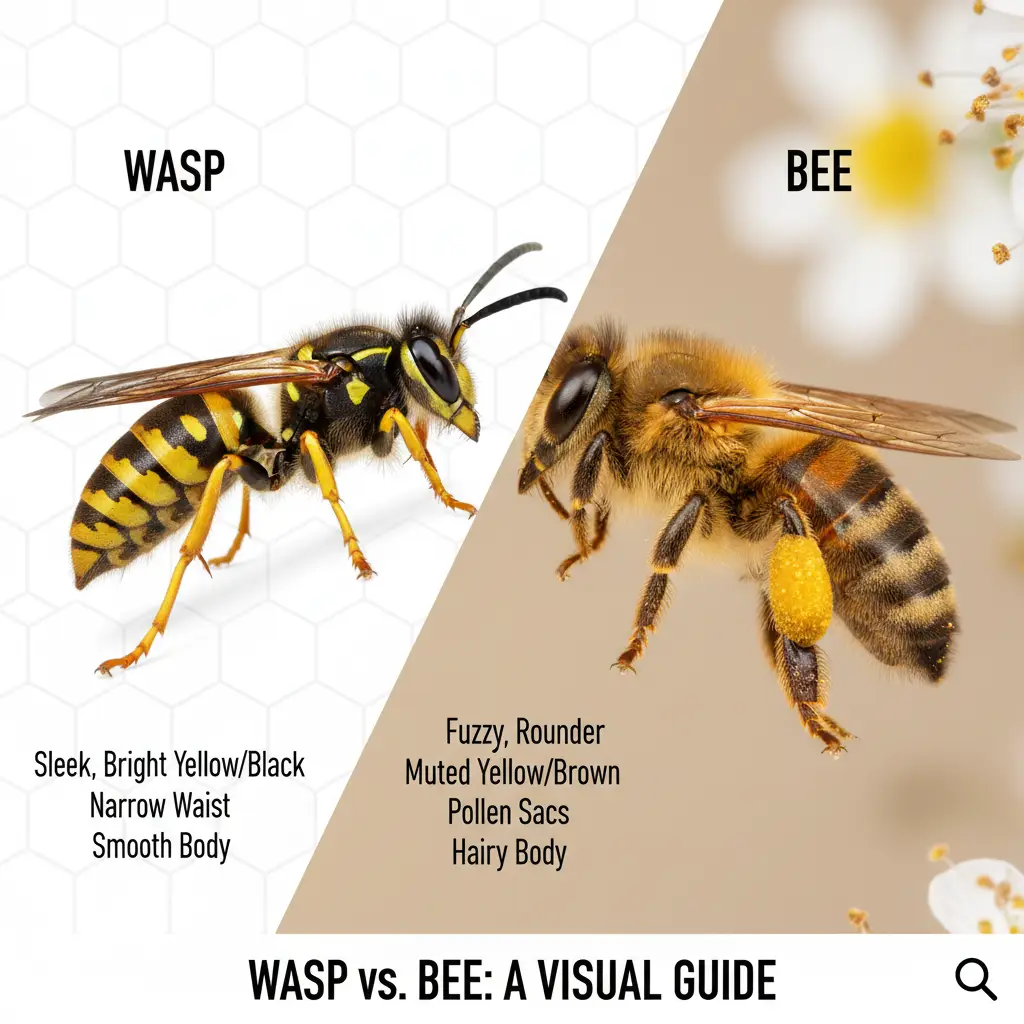
Visual and Behavioral Differences
- Honey Bees: Hairy bodies, orange-brown coloration, relatively docile. They are critical for the local ecosystem. Note: We advocate for relocation over extermination for honey bees.
- German & Common Wasps: Sleek, hairless bodies with bright yellow and black bands. These are predatory, aggressive, and can sting multiple times.
- Paper Wasps: Slender with long, dangling legs. They build small, umbrella-shaped nests under eaves.
Auckland’s Invasive Wasp Species & Hazards
The German wasp (Vespula germanica) is particularly problematic in Auckland. Without natural predators and with abundant food sources in urban gardens, these wasps form massive colonies. They pose a significant threat to native birds and human safety. Unlike standard bees, these wasps are highly territorial and will defend their nests aggressively.
Emergency Safety Protocols & First Aid
Safety is our primary concern. If you discover a nest, follow these immediate steps:
- Maintain Distance: Stay at least 10 meters away from the flight path.
- No Vibration: Avoid using lawnmowers or power tools near the area.
- Observe Flight Paths: Note entry points like wall vents or roof eaves to inform your technician.
Sting First Aid
Wash the area with soap and water and apply a cold pack. If signs of anaphylaxis occur (difficulty breathing, swelling), call 111 immediately. Auckland emergency services are highly responsive to Hymenoptera-related emergencies.
The Professional Nest Removal Process
At Pest Control Auckland, we use specialized, MPI-approved equipment to ensure the queen is neutralized. This is the only way to permanently eradicate a colony. Our process involves applying a residual insecticide dust into the nest entrance, which workers carry into the core of the structure, ensuring a complete collapse of the hive within 24-48 hours.
Prevention: Seasonal Property Hardening
To prevent wasps from colonizing your property, focus on structural exclusion. Seal gaps in weatherboarding, install fine mesh over wall vents, and ensure eaves are in good repair. Managing food waste and fallen fruit in your garden is also essential to reduce attractants during the peak summer months. For long-term peace of mind, consider our Auckland Winter Defense program to identify potential nesting sites before they become active in spring.
Frequently Asked Questions
Do you kill honey bees?
No. We prioritize the preservation of honey bees due to their vital role in our ecosystem. If you have a honey bee swarm or hive, we recommend contacting a local Auckland beekeeper for safe relocation. We only provide extermination services for invasive, predatory wasp species that pose a threat to public safety.
How long does the wasp removal process take?
Our technicians typically complete the treatment within 30-60 minutes. Once the MPI-approved residual dust is applied to the nest entrance, the colony will usually collapse completely within 24 to 48 hours as the foragers carry the treatment back to the queen.
Is the wasp treatment safe for my pets and children?
Yes. As certified Urban Pest Management professionals, we use targeted application methods that minimize environmental exposure. We provide clear preparation and aftercare instructions to ensure your family remains safe while we eradicate the threat.
Can I just spray the nest with a garden hose?
We strongly advise against this. Water often fails to penetrate the protective layers of a wasp nest and instead triggers a mass defensive attack from the colony. Professional intervention is the only safe way to manage high-risk nests.