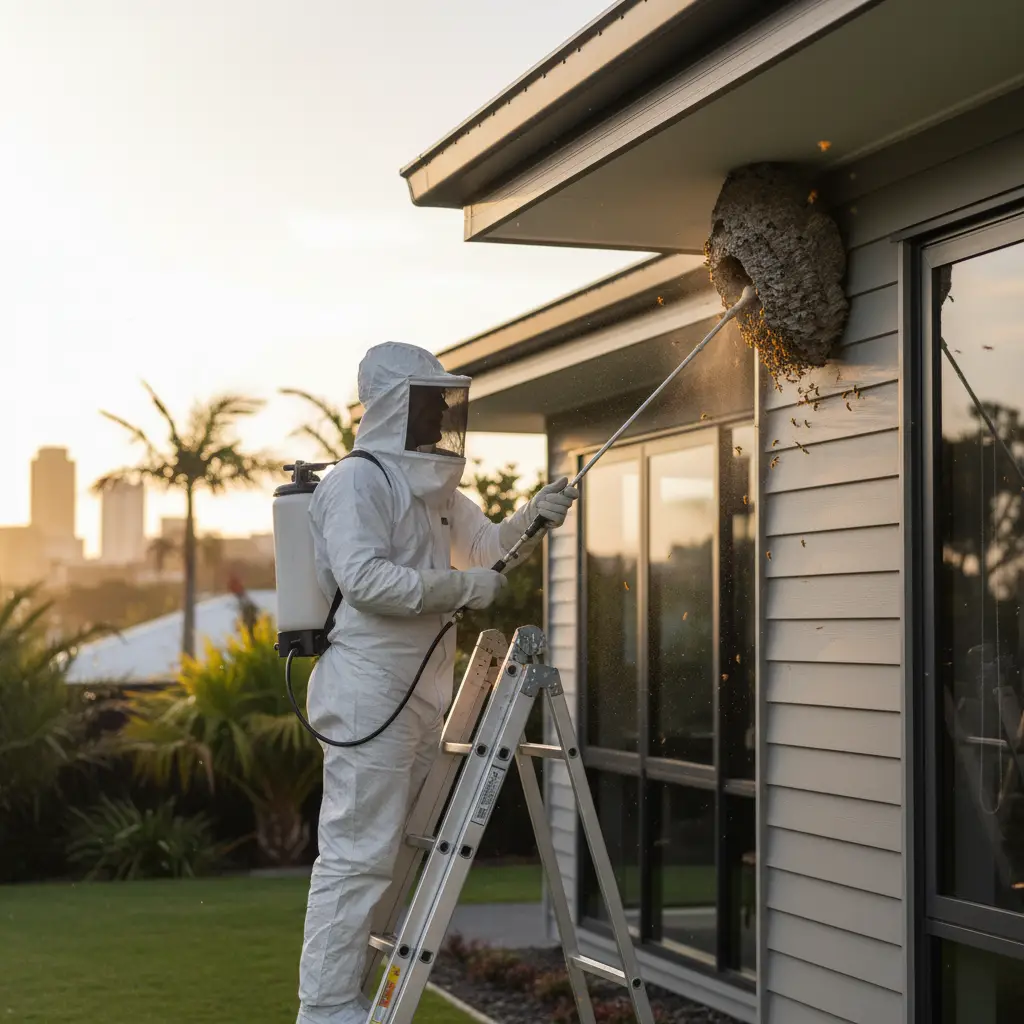
Bee removal Auckland refers to the specialized service of safely extracting honey bee swarms or established hives from residential and commercial properties. Unlike standard pest extermination, this process focuses on the humane collection and live relocation of the colony to registered apiaries, ensuring the preservation of these vital pollinators while eliminating the safety risk to property owners.
Understanding Professional Bee Removal in Auckland
In the bustling urban environment of Auckland, interactions between humans and insect populations are inevitable. However, when a massive swarm of bees descends upon your backyard, or a colony takes up residence within your wall cavity, the situation requires immediate, professional intervention. Bee removal in Auckland is distinct from general pest control because it involves a delicate balance: protecting the residents from stings and structural damage while simultaneously protecting the bees, which are crucial to New Zealand’s agricultural economy and biodiversity.
Effective management requires a deep understanding of apiary science and local regulations. Auckland’s unique climate often extends the swarming season, meaning homeowners from the North Shore to Manukau may encounter swarms from early spring well into autumn. Choosing a service that prioritizes live removal over extermination is not just an ethical choice; in many cases, it is the most effective way to prevent recurring issues, as removing the bees without removing the honeycomb can lead to rotting honey, structural decay, and secondary pest infestations.
Difference Between Wasps and Honey Bees
Before initiating any removal process, accurate identification is paramount. In Auckland, the treatment for honey bees differs vastly from the treatment for Paper Wasp Control. While bees are generally protected and relocated, wasps are aggressive pests that often require extermination.

Visual Identification
Honey bees (Apis mellifera) are typically fuzzy with a golden-brown or dull yellow coloration. They have a robust, rounded body shape and carry pollen baskets on their hind legs. In contrast, wasps—specifically the German Wasp Nest Removal and Common wasps prevalent in New Zealand—are shiny, hairless, and feature distinct, bright yellow and black bands. Wasps have a pinched waist and pointed lower abdomen.
Behavioral Differences
Behavior is another key indicator. Honey bees are generally docile and will usually only sting if provoked or if the hive is directly threatened. When they swarm, they are often at their most docile because they are engorged with honey and do not have a hive to defend. Wasps, however, are predatory and aggressive. They can sting multiple times without dying and are often attracted to human food and rubbish. According to the Department of Conservation, introduced wasps are a significant threat to New Zealand’s native birds and insects, necessitating a much more aggressive control approach compared to bees.
Our Eco-Friendly Relocation Policy
We believe that pest control should not come at the expense of the environment. Our approach to bee removal Auckland is centered on sustainability. Honey bees are responsible for pollinating a significant portion of the food we eat, and their global decline makes their conservation critical.
The “No-Kill” Philosophy
Whenever it is physically accessible and safe to do so, we implement a strict “no-kill” policy for honey bees. We utilize specialized vacuum systems with regulated suction pressure designed specifically for live bee capture. These devices allow us to gently collect the bees into a transport box without harming them. Once the bees are contained, we carefully excise the honeycomb. Leaving comb behind is a recipe for disaster; it can melt, attract White-Footed House Ant Control, cockroaches, and mice, or encourage a new swarm to move in.
Environmental Impact
By relocating rather than poisoning, we prevent the introduction of toxic pesticides into your immediate environment. Chemical treatments used on wasps are often unnecessary and inappropriate for bees. Furthermore, killing a colony inside a wall cavity without removing the biomass results in pounds of decomposing biological matter inside your home, which can cause severe odor issues and stain drywall.
What to Do If You Find a Swarm
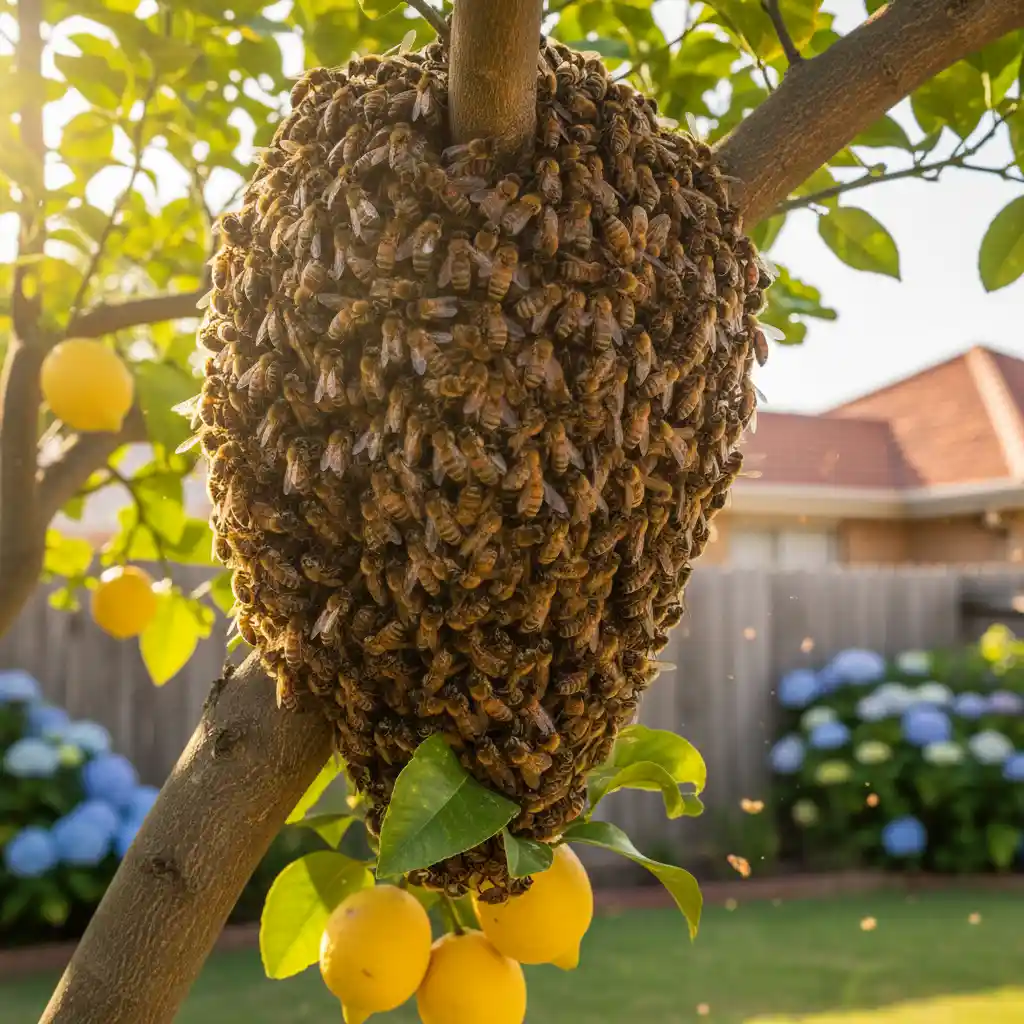
Discovering a vibrating ball of thousands of bees on a tree branch, fence, or the side of your house can be intimidating. This phenomenon is known as swarming—the natural means of reproduction for honey bee colonies. While it looks scary, the bees are usually just resting while scout bees look for a new permanent home.
Immediate Safety Steps
If you encounter a swarm, follow these critical steps to ensure safety until our team arrives:
- Keep Your Distance: Maintain a buffer zone of at least 3-5 meters. Do not walk directly under the swarm.
- Do Not Spray: Never spray the swarm with water, fly spray, or other chemicals. This will only agitate them and make safe relocation difficult or impossible.
- Close Windows and Doors: If the swarm is close to the house, secure your property to prevent bees from drifting inside.
- Keep Pets Away: Lock cats and dogs inside. They are often curious and may try to catch low-flying bees, leading to stings.
- Do Not Throw Objects: Throwing rocks or sticks at the swarm to “shoo” them away is dangerous and will trigger a defensive response.
When to Call a Professional
Time is of the essence. A swarm may stay for an hour or a few days. Once they find a suitable cavity—like your chimney or wall void—they will move in and start building comb immediately. Removing an established hive from a structure is significantly more complex and costly than collecting a swarm from a branch. Contact us immediately for bee removal Auckland services as soon as you spot the cluster.
The Risks of DIY Bee Removal
We strongly advise against attempting to remove bees yourself. The internet is full of misleading “hacks” involving soap water or smoke, but without proper protective gear and training, the results can be disastrous.
Anaphylaxis Risk: Even if you have been stung before without issue, you can develop an allergy at any time. A mass stinging event, which can occur if a hive is improperly disturbed, can deliver a toxic load dangerous even to non-allergic individuals.
Structural Damage: Amateur attempts often result in the bees retreating deeper into the structure. We have seen homeowners seal entry points with foam, only to have the trapped bees chew through the drywall and emerge inside the living room in a panic. Professional removal ensures the entire colony is extracted and the entry points are properly sealed with bee-proof materials.
Beekeeper Partnerships and Sustainability
Our business model relies on strong networks within the New Zealand apiculture industry. We are not just pest controllers; we are a bridge between urban residents and the beekeeping community.
From Pest to Producer
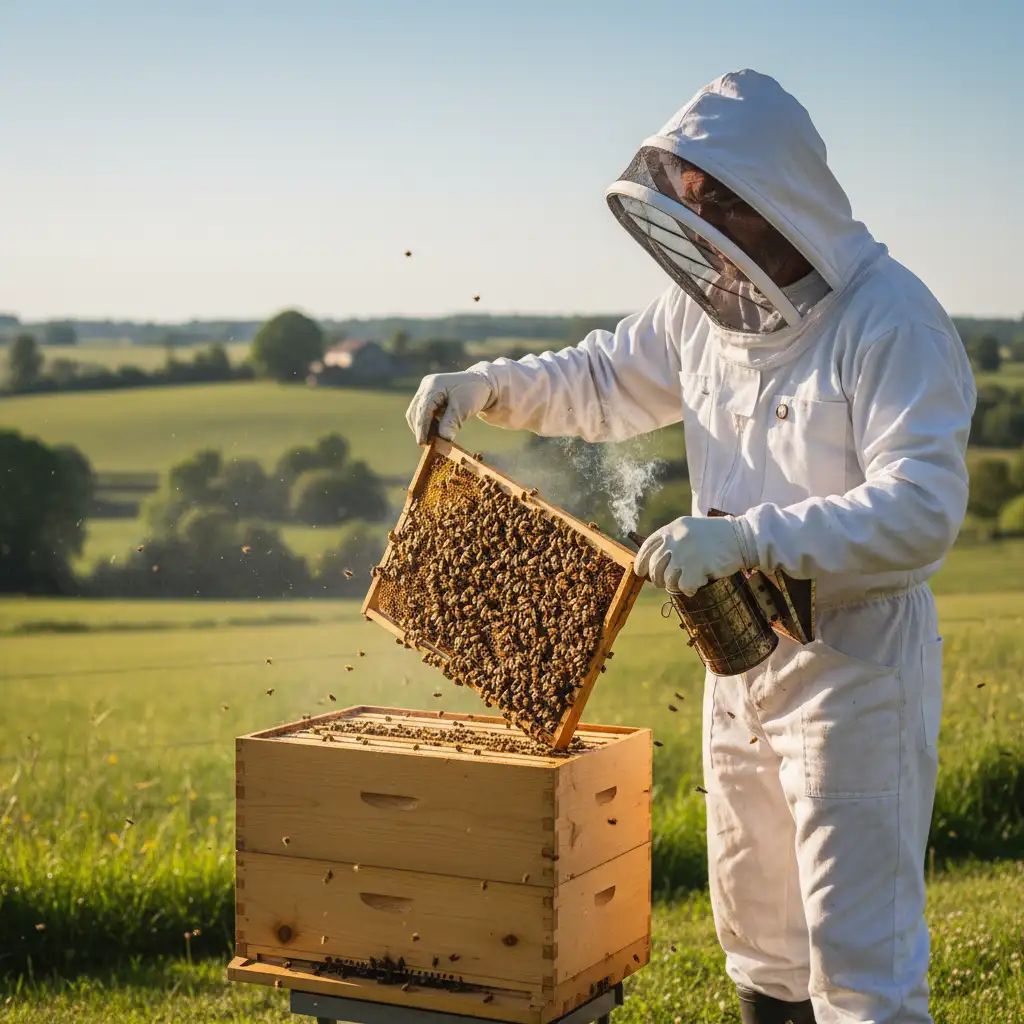
Once we have successfully captured a swarm, we don’t just release them into the wild where they might struggle to survive. We transport them to our partner apiaries located on the outskirts of Auckland. Here, they are quarantined, checked for diseases like American Foulbrood (AFB), and hived in proper Langstroth boxes. These bees eventually go on to produce local honey and pollinate crops.
We adhere to the guidelines set forth by Apiculture New Zealand regarding the movement and registration of hives. This ensures that our relocation efforts contribute positively to the national bee population health and biosecurity.
By choosing our service, you are directly supporting a cycle of sustainability. The bees that were once a “pest” on your property are given a second chance to thrive in a managed environment.
Frequently Asked Questions
How much does bee removal cost in Auckland?
The cost varies depending on the complexity of the job. A simple swarm collection from a low branch is relatively inexpensive. However, if the bees have established a hive inside a wall, ceiling, or chimney, the cost increases due to the need for structural access, honeycomb removal, and repairs. We provide free quotes upon assessment.
Are honey bees protected by law in New Zealand?
While honey bees are not strictly “protected” in the sense that it is illegal to kill them, there are strong regulations and ethical guidelines regarding their management. Indiscriminate killing is discouraged due to their economic value. However, if a hive poses a significant health and safety risk and cannot be safely relocated, extermination may be the only option, though this is rare.
How long does the bee removal process take?
A swarm collection can take as little as 45 minutes to an hour. Structural extractions (cut-outs) can take several hours or even a full day, as we must carefully remove building materials, extract the bees and comb, and clean the area to prevent future infestations.
Will the bees come back after removal?
If the removal is done correctly, including the removal of all honeycomb and pheromone traces, and the entry points are sealed, the bees should not return to that specific spot. However, if honeycomb is left behind, the smell will attract other swarms in the future.
Can I just spray the bees with fly spray?
No. Household fly spray is often ineffective against a large cluster of bees and will only agitate them, causing them to attack. Furthermore, if you poison the bees but don’t remove the hive, the contaminated honey remains in your wall, attracting other pests and causing rot.
Do you remove wasps as well as bees?
Yes, we provide comprehensive Wasp & Bee Control Auckland, including Effective Spider Nest Removal Techniques for Auckland Properties and Ant Control West Auckland. While we prioritize relocating bees, we offer fast and effective extermination services for German and Common wasps, which are dangerous pests in Auckland.