Professional Pest Sanitisation Services in Auckland
Discovering an active infestation is a sinking feeling for any property owner or commercial facility manager. The scratching in the walls and the sudden appearance of droppings signal an immediate, critical threat to your hygiene standards. However, simply exterminating the invading pests is only half the battle won. The lingering biohazards left behind require specialized pest sanitisation services in Auckland to ensure true environmental safety.
Without proper post-infestation decontamination, your property remains a dangerous breeding ground for microscopic pathogens. Rodents, cockroaches, and nuisance birds leave behind highly toxic waste that standard janitorial cleaning methods cannot safely remove. This unseen biological contamination continues to pose severe health risks to occupants long after the pests have been eradicated.
For businesses, ignoring this crucial final step can lead to failed health inspections, ruined reputations, and severe legal liabilities. Investing in professional decontamination is the only guaranteed way to restore your premises to a safe, compliant, and odor-free state. Our comprehensive approach ensures that every microscopic trace of the infestation is permanently neutralized.
Key Takeaways
Professional pest sanitisation eliminates dangerous pathogens, allergens, and odors left behind after an infestation. Standard cleaning cannot safely remove biohazards like rodent urine or bird guano. Utilizing HEPA filtration and hospital-grade disinfectants, expert pest sanitisation services in Auckland ensure commercial compliance, protect human health, and prevent future property damage.
The Importance of Post-Infestation Decontamination
When pests invade an indoor space, they bring a terrifying host of microscopic dangers with them. Rats, mice, and insects are notorious vectors for spreading dozens of severe, life-threatening diseases [1]. Even after the physical pests are removed, the hazardous environment they created remains fully intact.
In New Zealand, leptospirosis is the most commonly reported illness directly linked to rodent activity [2]. This severe bacterial infection is transmitted primarily through contact with rodent urine, which easily contaminates countertops, floors, and food storage areas. Without specialized intervention, these bacteria can survive on surfaces for weeks, putting everyone in the building at risk.
Beyond bacteria, pests introduce secondary infestations of fleas, ticks, and mites into your property. These parasites quickly detach from their deceased hosts and seek out human or pet targets. A comprehensive decontamination strategy is the only way to break this dangerous biological chain reaction.

Removing Pathogens, Allergens, and Pest Waste
Pest feces, urine, and shed exoskeletons dry out rapidly in indoor environments, eventually turning into fine dust. When these microscopic particles are disturbed, they become fully airborne and easily inhalable. If these contaminants enter your building’s HVAC system, they will circulate continuously throughout the entire facility.
This airborne circulation creates a massive risk for severe respiratory issues, sudden asthma attacks, and chronic allergic reactions. Children, the elderly, and employees with compromised immune systems are particularly vulnerable to these airborne allergens. Professional pest sanitisation services in Auckland are absolutely essential to neutralize these invisible respiratory threats safely.
Never sweep or dry-vacuum rodent droppings. Disturbing dry rodent waste can release dangerous pathogens like Hantavirus into the air, leading to severe respiratory failure. Always rely on wet-cleaning methods or professional decontamination teams equipped with proper PPE.
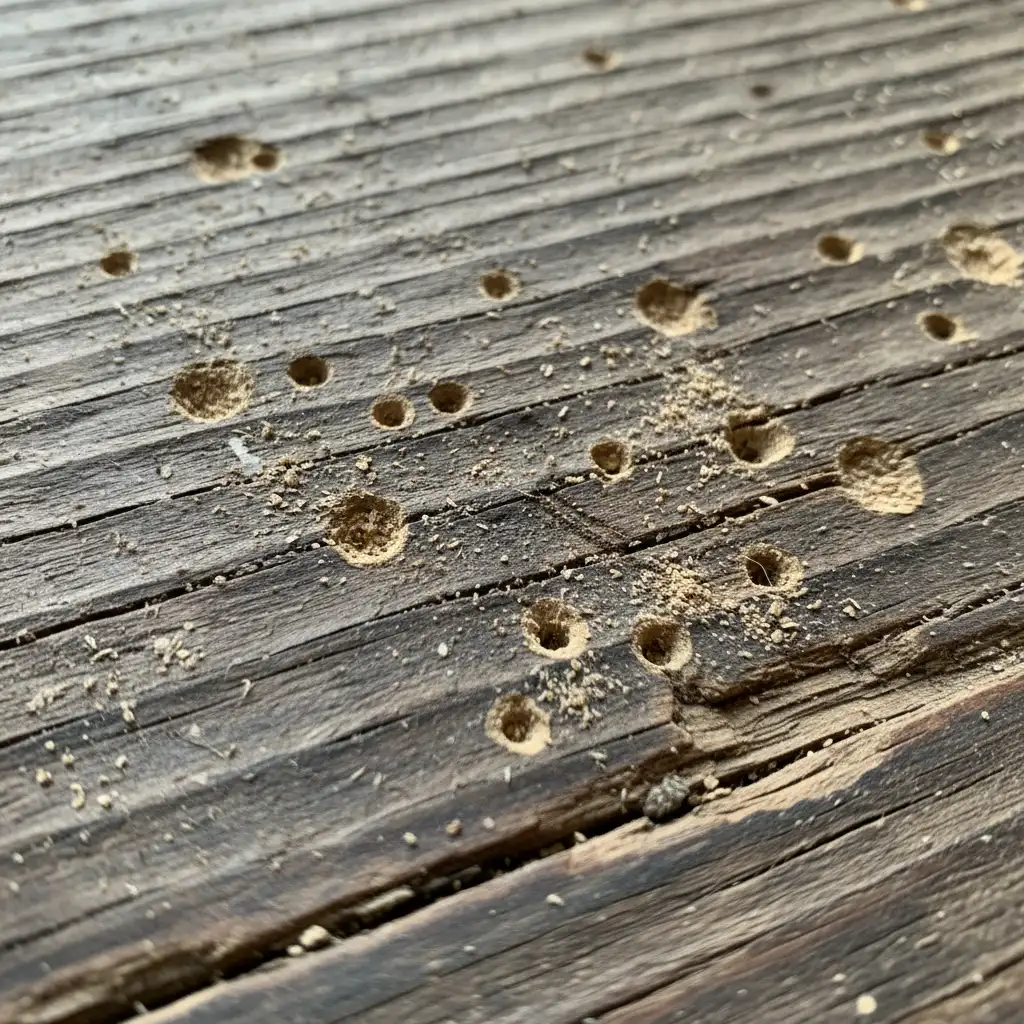
The structural damage caused by pest waste is another critical factor often overlooked by property owners. Rodent urine is highly acidic and will permanently stain, warp, and degrade expensive building materials over time. Prompt removal of these corrosive substances is necessary to protect the long-term integrity of your real estate asset.
Our Multi-Step Sanitisation Process
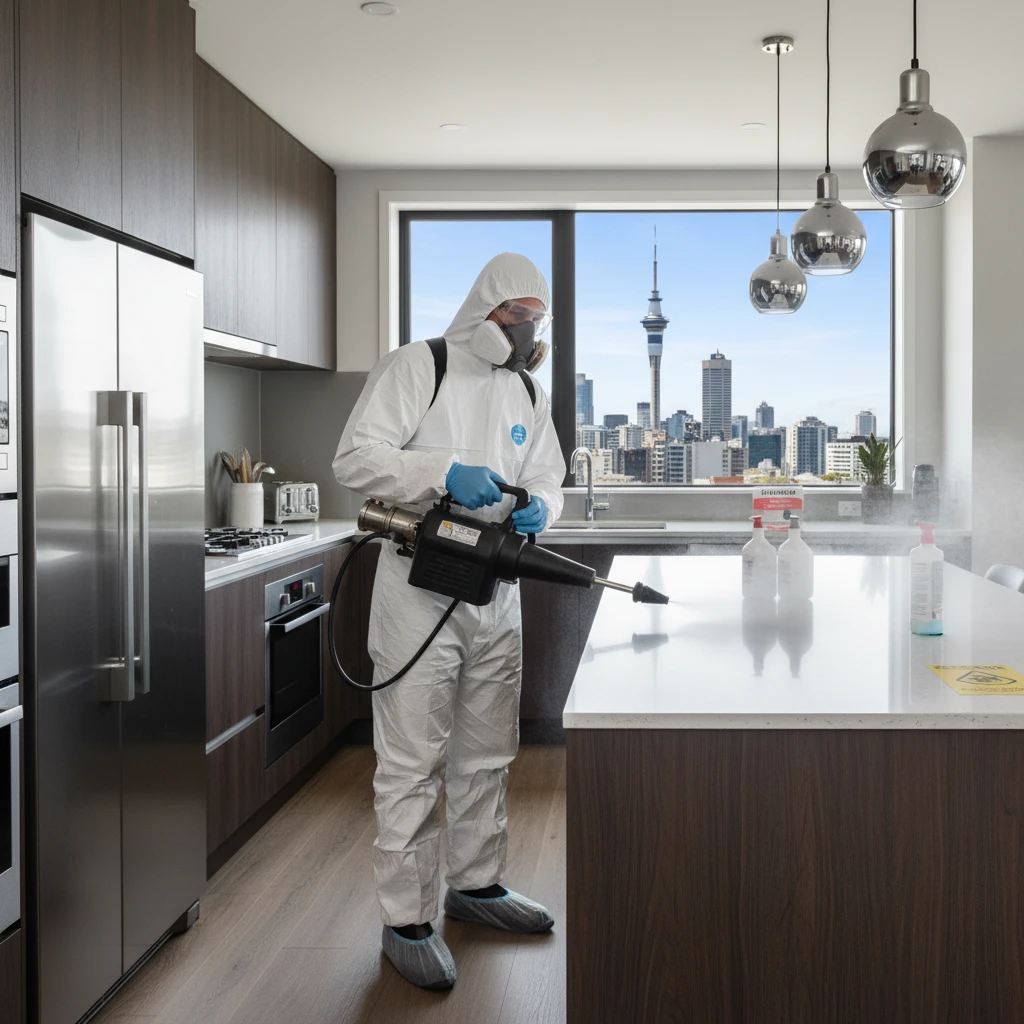
Eradicating the physical pests is merely the preliminary phase of a truly comprehensive hygiene strategy. Our specialized technicians employ a rigorous, scientifically-backed multi-stage decontamination protocol. This ensures that every microscopic trace of the previous infestation is completely and permanently neutralized.
We utilize industrial-grade extraction and disinfection equipment that goes far beyond the capabilities of standard commercial cleaning crews. Our team approaches every site as a biohazard zone, wearing full protective gear to prevent cross-contamination. This meticulous attention to detail guarantees that your property is restored to a pristine state.

HEPA Vacuuming, Disinfection, and Odor Removal
The crucial first step involves the careful removal of solid waste using advanced HEPA-filtered vacuum systems. Standard vacuum cleaners simply exhaust microscopic pathogens back into the ambient air, actively worsening the contamination. HEPA filters, however, securely trap hazardous particles as small as 0.3 microns, ensuring completely safe extraction.
When hiring a sanitisation service, always verify that they use True HEPA (High-Efficiency Particulate Air) vacuums. This is the only certified method to prevent aerosolizing dangerous pest pathogens during the cleanup process.
Once the physical waste is meticulously removed, we apply hospital-grade biocides to all affected surfaces. These specialized disinfectants penetrate deep into porous materials like wood and concrete to destroy lingering bacteria and viruses. This chemical treatment is highly effective yet entirely safe for human spaces once dried.
Finally, we utilize advanced enzymatic fogging and ozone treatments to eliminate deeply embedded, stubborn odors. Pests leave behind pheromone trails that not only smell terrible but actively attract new pests to the area. This comprehensive odor-neutralizing approach is why so many property managers rely on our pest sanitisation services in Auckland.
| Feature | Standard Commercial Cleaning | Professional Pest Sanitisation |
|---|---|---|
| Equipment Used | Standard vacuums and mops | True HEPA vacuums and ULV foggers |
| Pathogen Removal | Low (often spreads airborne particles) | High (hospital-grade biohazard removal) |
| Odor Elimination | Masks odors temporarily | Destroys pheromones enzymatically |
| Technician PPE | Basic gloves | Full biohazard suits and respirators |
Ideal for High-Income Homes and Commercial Properties
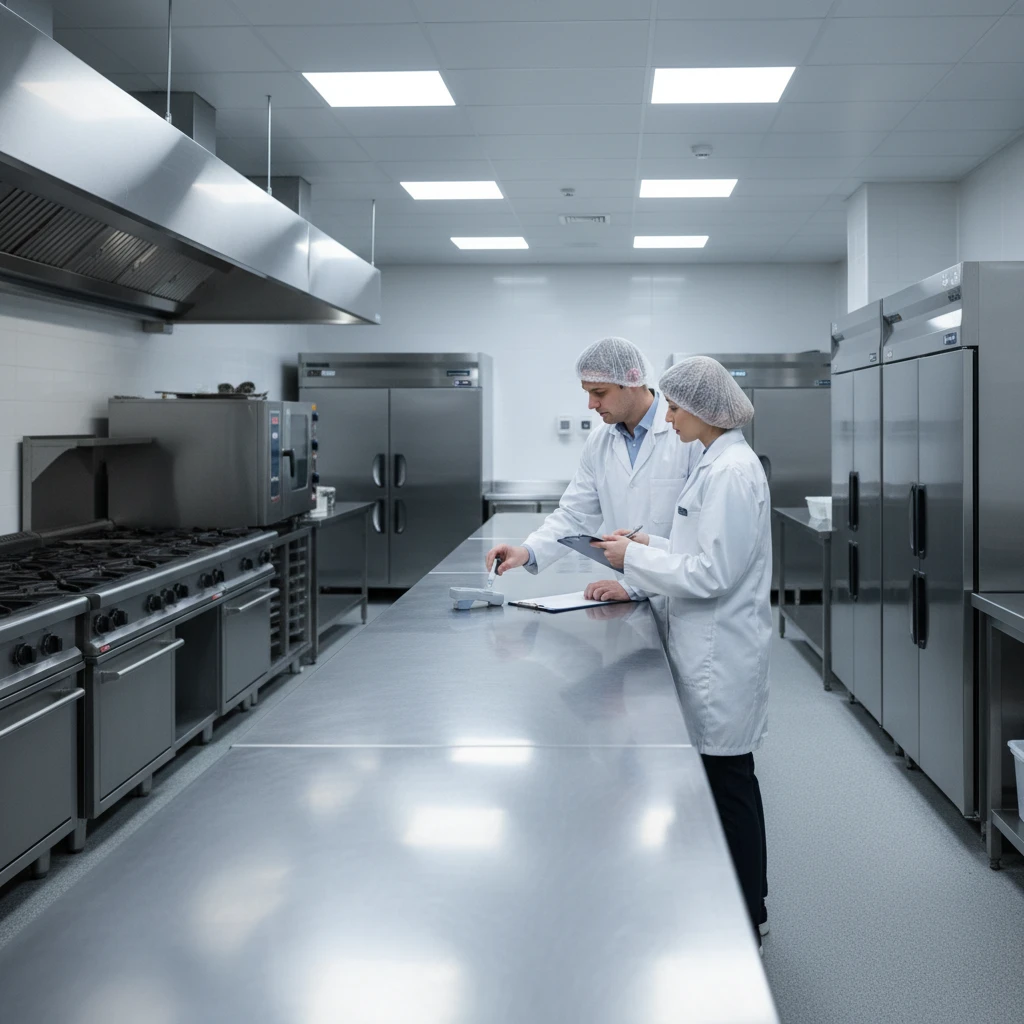
Commercial facilities face immense regulatory pressure to maintain pristine, uncompromising health and safety standards. A single health inspection failure due to lingering pest contamination can instantly devastate a business’s reputation. For food manufacturing facilities, busy restaurants, and logistics warehouses, strict compliance is absolutely non-negotiable.
Investing in professional decontamination proactively protects your brand image, your staff’s wellbeing, and your bottom line. The financial impact of pest-related damage is staggering on a national level. Recent economic data reveals that the cost of pests to New Zealand’s primary sector surged to $9.2 billion in 2020 [3].
Protecting your commercial asset requires swift, proactive, and professional intervention immediately following pest eradication. High-end residential properties also benefit immensely from these highly specialized services. Homeowners gain absolute peace of mind knowing their family’s living spaces are completely sanitized and safe.
Following a commercial pest treatment, local health authorities often require proof of professional decontamination before a business is allowed to reopen or pass subsequent hygiene audits. We provide full documentation upon completion.
When dealing with expansive properties or multi-story buildings, standard domestic cleaning falls drastically short of the required mark. Our elite team is equipped to handle large-scale commercial sanitisation with minimal disruption to your daily operations. We work efficiently to ensure that your environment is restored to a safe, hygienic, and fully compliant state.
Choosing expert pest sanitisation services in Auckland guarantees unmatched peace of mind for property managers and homeowners alike. You can confidently welcome staff, clients, and family members back into the space without fear of hidden pathogens.
If you have recently eliminated a pest infestation, do not wait for odors or illnesses to emerge. Contact our specialized team today to schedule a comprehensive biohazard assessment and sanitisation treatment.

Health Regulations and Workplace Safety
Under New Zealand law, employers have a primary duty of care to ensure the health and safety of their workers at all times. Allowing employees to work in an environment contaminated by pest waste is a direct violation of these strict workplace regulations. Airborne pathogens from rodent droppings or cockroach debris can cause severe occupational illnesses.
Businesses found negligent in providing a sanitary workspace face hefty fines, legal repercussions, and potential operational shutdowns. Partnering with a certified decontamination team ensures strict, documented compliance with national health standards. We provide detailed service reports that serve as concrete proof of your commitment to workplace hygiene.
- Leptospirosis: A severe bacterial infection transmitted through rat urine, posing high risks to warehouse and agricultural workers.
- Salmonellosis: Food poisoning caused by contaminated surfaces in commercial kitchens and food processing plants.
- Asthma and Allergies: Triggered by airborne cockroach exoskeletons and dried rodent feces circulating in HVAC systems.
This documentation is invaluable during routine health inspections, commercial audits, or employee safety disputes. It clearly demonstrates that you have taken all necessary, proactive steps to neutralize biological hazards. Thorough pest sanitisation services in Auckland help safeguard both your workforce and your corporate liability.