Auckland living room needing spring deep cleaning and pest sanitisation

Spring Deep Cleaning & Post-Infestation Sanitisation

Spring in Auckland brings warmer weather, longer days, and the welcome return of blooming flowers. However, this seasonal shift also reveals the hidden, unhygienic aftermath of winter.

During the colder, wetter months, rodents and insects seek refuge indoors to survive the harsh conditions. They nest deep within wall cavities, subfloors, and attics, quietly multiplying out of sight. As temperatures rise, the biological remnants they leave behind become a significant health hazard.

Addressing this contamination requires much more than just a standard weekend tidy-up. It demands a thorough and professional spring deep cleaning and pest sanitisation to truly restore your home’s safety.

Key Takeaways

A professional spring deep cleaning and pest sanitisation eliminates dangerous pathogens left by winter pests. Crucial steps include removing allergen-loaded droppings, disinfecting contaminated surfaces, and sealing entry points. Combining pest eradication with deep decontamination protects your family from asthma triggers and zoonotic diseases before summer arrives.
Auckland living room needing spring deep cleaning and pest sanitisation

Why Spring is the Perfect Time for Decontamination

Winter in New Zealand forces pests like the house mouse, roof rat, and Gisborne cockroach indoors to escape the cold. They exploit tiny cracks in your foundation, seeking the warmth of your insulation and the convenience of your pantry. Once inside, they establish nests in dark, undisturbed areas.

When spring arrives, the surviving pests emerge from hiding to breed rapidly. This sudden surge in activity is why local authorities, such as the Auckland Council, often schedule major pest control operations during late winter and early spring. By targeting pests when they are hungry and vulnerable, populations can be drastically reduced before the summer breeding season.

For homeowners, executing a rigorous spring deep cleaning for pest sanitisation aligns perfectly with this natural cycle. It ensures that rising temperatures do not incubate dormant bacteria left behind in your walls. It also removes the chemical pheromone trails that actively attract new pests to your property.

Seasonal Pest Activity Trends in Auckland

Clearing Out Winter Pest Residue

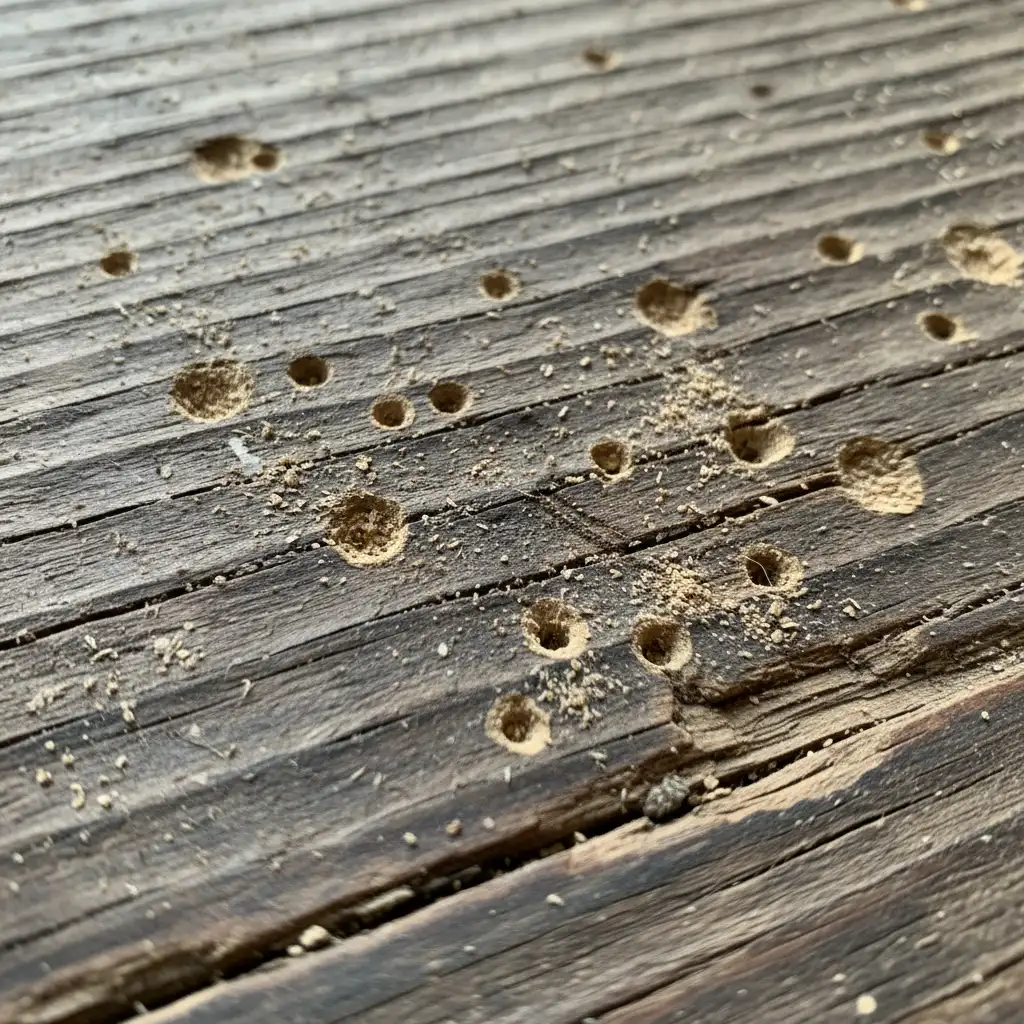
Even if you successfully trap or poison the pests, their toxic legacy remains firmly embedded in your home. Rodent urine, faeces, and nesting materials harbour dangerous bacteria that can survive for months. In New Zealand, rodents are well-known carriers of severe zoonotic diseases.

The most commonly reported illness linked to rodents in the country is Leptospirosis. This bacterial infection is transmitted through contact with surfaces or food contaminated by rodent urine. Without proper decontamination, anyone cleaning out a dusty attic or subfloor is at risk of exposure.

Furthermore, rodents frequently spread Salmonella bacteria through their droppings. If these droppings are left to dry and crumble in kitchen cabinets, the bacteria can easily contaminate your food preparation surfaces. This makes physical removal and disinfection an absolute necessity.

⚠️

Warning: Vacuuming Droppings

Never use a standard household vacuum to clean up dry rodent droppings. This can aerosolize dangerous bacteria like Salmonella, blowing microscopic pathogens back into the air for your family to inhale.

Preparing Your Home for Warmer Weather

Rodents are not the only culprits leaving behind hazardous waste. Cockroaches leave a trail of decomposing bodies, saliva, and excrement that are incredibly potent allergens. As the spring weather warms up, these allergens mix with household dust and become airborne.

Studies have shown that cockroach allergens can trigger severe asthma attacks, particularly in young children living in urban environments. In fact, these proteins are known to exacerbate asthma symptoms more severely than dust mites or pet dander. With nearly 70,000 people in Auckland suffering from asthma, this is a critical public health issue.

A dedicated spring deep cleaning and pest sanitisation physically removes these microscopic triggers. By clearing out the cast skins and droppings, you drastically improve your home’s indoor air quality just in time for the humid summer months.

📝

Note: The Asthma Link

Cockroach allergy was first discovered in 1944. Today, we know that their body proteins can cause skin rashes, chronic stuffy noses, and acute asthma attacks when inhaled.

Inspecting cabinets for pest residue during spring cleaning

DIY vs. Professional Sanitisation

Many Aucklanders attempt to tackle post-infestation cleanup with standard supermarket cleaning products. They wipe down visible surfaces, sweep up droppings, and assume the problem is solved. However, this surface-level approach is rarely enough to ensure a truly safe environment.

DIY pest control and cleaning products do not provide a complete and effective treatment. They may kill a few visible insects or remove obvious stains, but they fail to penetrate the hidden cavities where the majority of the contamination resides. Professional intervention is required to reach these inaccessible areas.

The Limits of Household Cleaners Against Pest Pathogens

Household bleach and all-purpose cleaners are designed for general hygiene, not biological hazard removal. They often fail to neutralize airborne allergens or penetrate porous surfaces like wood and drywall where rodent urine has soaked in. This leaves active bacteria lingering in your home.

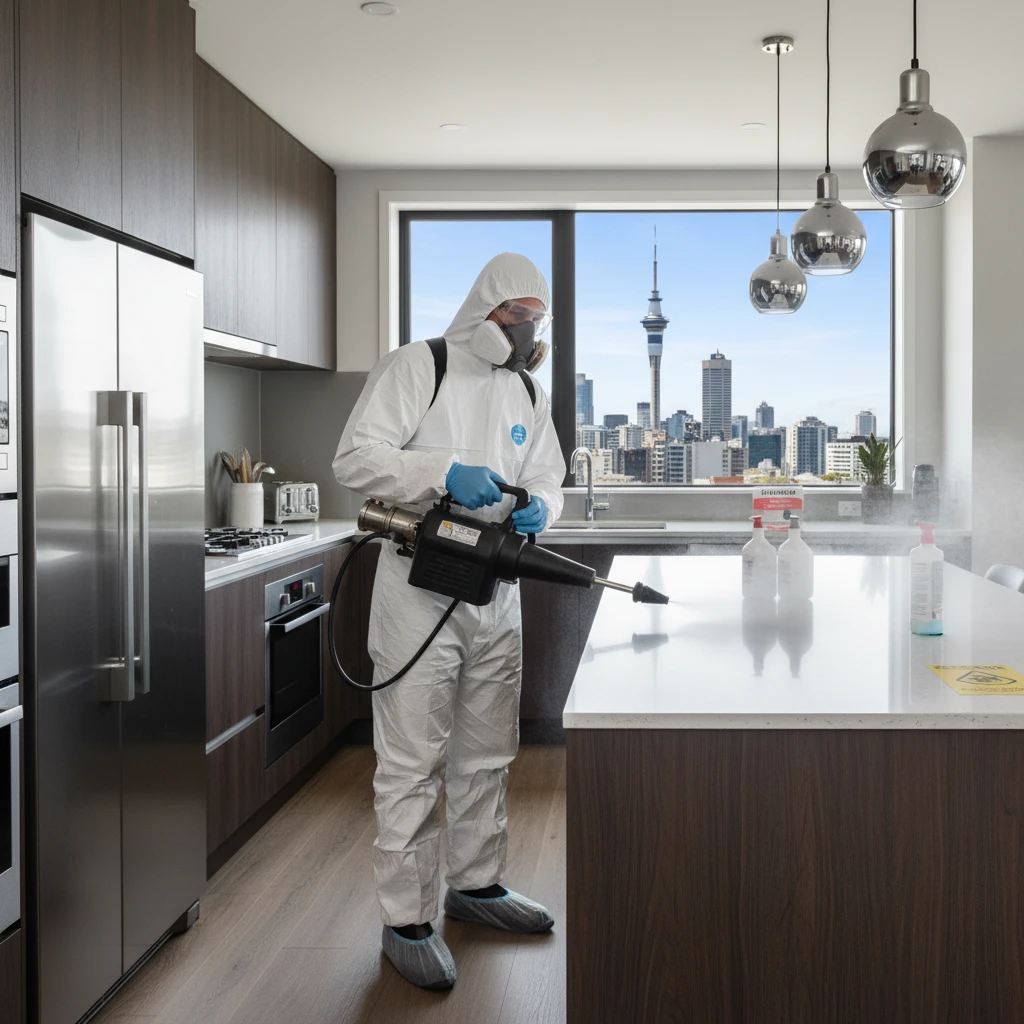
Professional pest sanitisation utilizes industrial-grade biocides and ULV (Ultra Low Volume) fogging machines. These advanced tools disperse microscopic droplets of disinfectant that settle into every crack and crevice, neutralizing pathogens at the source. Furthermore, professionals use HEPA-filtered vacuums that safely capture allergens without exhausting them back into the room.

Feature DIY Cleaning Professional Sanitisation
Pathogen Removal Surface level only Deep microbial elimination
Equipment Used Standard vacuums & rags HEPA vacuums & ULV foggers
Allergen Control Often aerosolizes particles Safely captures and neutralizes
Pheromone Breakdown Ineffective Completely removes scent trails

Professional pest sanitisation in an Auckland home

Integrating Pest Control with Your Spring Clean

A successful seasonal reset requires a comprehensive, dual-action approach: complete eradication followed by meticulous decontamination. Simply killing the pests without cleaning up their biological waste leaves your home vulnerable to disease and future infestations. The scent markers left behind will inevitably attract new colonies.

Implementing a professional spring deep cleaning and pest sanitisation strategy means coordinating your pest treatments with environmental cleaning. This integrated approach ensures that your home is not only pest-free but also hygienically safe for your family.

The professional sanitisation process generally follows these crucial steps:

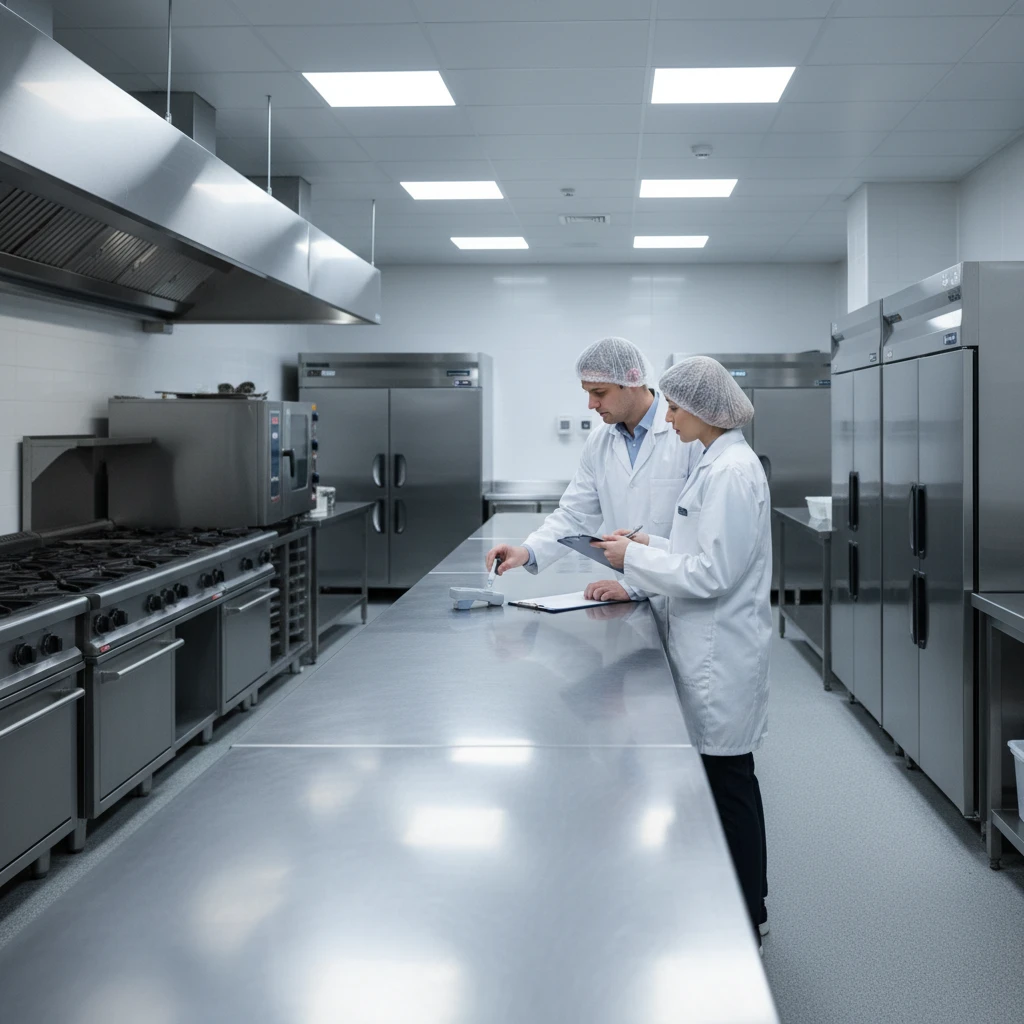
  • Comprehensive Site Inspection: Technicians use UV light to identify hidden urine stains and locate exact nesting sites within wall cavities and subfloors.
  • Safe Waste Removal: Wearing full PPE, professionals carefully remove bulk waste, including droppings, dead insects, and contaminated insulation.
  • HEPA Filtration: Specialized vacuums capture microscopic cockroach allergens and dried faecal matter without releasing them back into the breathable air.
  • Biocidal Disinfection: Industrial foggers disperse targeted biocides that kill lingering bacteria, viruses, and break down the pheromone trails that attract new pests.
  • Preventative Exclusion: Finally, technicians seal up the identified entry points to ensure that winter pests cannot return next season.

Action: Your Spring Checklist

Schedule a professional inspection, identify vulnerable entry points, clear out winter clutter, and book a comprehensive decontamination service before the summer heat arrives.

By investing in a thorough spring deep cleaning for pest sanitisation, you are proactively protecting your property. You eliminate the hidden health risks that accumulated over winter and create a fresh, hygienic environment. Don’t let the unseen remnants of an infestation compromise your family’s health this spring.

A perfectly sanitised kitchen after professional pest decontamination

People Also Ask

Why is spring the best time for pest sanitisation?
Spring is the ideal time because pests that sought shelter in your home during winter begin to emerge and breed as temperatures rise. Sanitising in spring removes the biological waste they left behind and destroys the pheromone trails that attract new summer pests.
Can I vacuum up mouse droppings myself?
No, you should never use a standard household vacuum to clean up dry rodent droppings. Standard vacuums lack proper filtration and can aerosolize dangerous bacteria like Salmonella, blowing microscopic pathogens back into the air where they can be inhaled.
What diseases do rodents carry in New Zealand?
In New Zealand, rodents are well-known carriers of several dangerous pathogens. The most commonly reported illness is Leptospirosis, which is transmitted through rodent urine. They are also known to spread Salmonella bacteria, which can cause severe food poisoning.
How do cockroaches affect asthma?
Cockroaches leave behind decomposing bodies, saliva, and excrement that contain highly potent allergen proteins. When these proteins mix with household dust and become airborne, they can trigger severe allergic reactions and acute asthma attacks, particularly in children.
How long does a professional sanitisation take?
The duration depends on the size of the property and the severity of the infestation. However, a standard professional deep clean and biocidal fogging treatment typically takes between 2 to 4 hours. Occupants are usually asked to vacate the premises during this time to allow the products to settle safely.
What is the difference between pest control and pest sanitisation?
Pest control focuses strictly on eradicating the active infestation using traps, baits, or sprays. Pest sanitisation is the crucial secondary step that physically removes the biological waste (droppings, urine, dead bodies) and chemically disinfects the area to eliminate disease risks and pheromone trails.

Leave a Comment

Your email address will not be published. Required fields are marked *

Scroll to Top