Seasonal pest threats in Auckland refer to the cyclical emergence and infestation patterns of specific vermin and insects driven by the region’s unique humid subtropical climate. To effectively manage these threats, property owners must implement targeted prevention strategies aligned with the breeding and foraging behaviors of pests like rodents, cockroaches, and wasps during their peak activity months.
The Auckland Climate Factor: Why Pests Thrive Here
Auckland presents a unique set of challenges for pest control that differs significantly from the rest of New Zealand. The region possesses a humid subtropical climate, characterized by warm, humid summers and mild, wet winters. Unlike the South Island, where hard frosts can naturally curb insect populations, Auckland rarely experiences temperatures low enough to kill off pests entirely. This lack of a deep freeze allows many species to overwinter successfully and emerge in larger numbers once the temperatures rise.
Furthermore, the high humidity levels in Auckland provide the ideal moisture content required for insect metamorphosis and fungal growth, which in turn supports pests like silverfish and borer beetles. Understanding the correlation between Auckland’s weather patterns and pest behavior is the first step in establishing a robust defense for your home or business.

Spring (September – November): The Awakening
As the days lengthen and temperatures in Auckland begin to average between 15°C and 19°C, the pest world wakes from its semi-dormant state. Spring is a critical time for preventative measures because stopping a population explosion now is significantly easier than managing a full-blown infestation in summer.
The Return of Flies
House flies and Blowflies begin to breed rapidly in spring. As the soil warms, larvae that have overwintered begin to pupate. You will notice an increase in fly activity around waste bins and compost heaps. In Auckland, the combination of spring rains and warming days accelerates the decomposition of organic matter, creating perfect breeding grounds.
Borer Beetle Flight Season
One of the most structural damaging pests in Auckland is the Common House Borer (Anobium punctatum). Their flight season typically runs from October to December. During this window, adult beetles emerge from timber to mate and lay eggs in the cracks of wood surfaces or old flight holes. If you own one of Auckland’s classic wooden villas or bungalows, this is the season to look for fresh “frass” (fine wood dust) which indicates active boring.
Ants on the March
As food sources become available, ant colonies—particularly the invasive Argentine Ant—begin aggressive foraging. Queens increase egg production, and worker ants venture further into homes seeking sugary substances and proteins. Spring rains often drive ants indoors as they seek dry ground and stable environments away from saturated soil.
Summer (December – February): The Peak Infestation Season
Summer in Auckland is synonymous with humidity. This is the peak season for biological activity for almost all pest species. The metabolic rate of cold-blooded insects increases, leading to faster breeding cycles and more aggressive behavior.
The Cockroach Explosion
Auckland is home to several cockroach species, but two dominate the summer months:
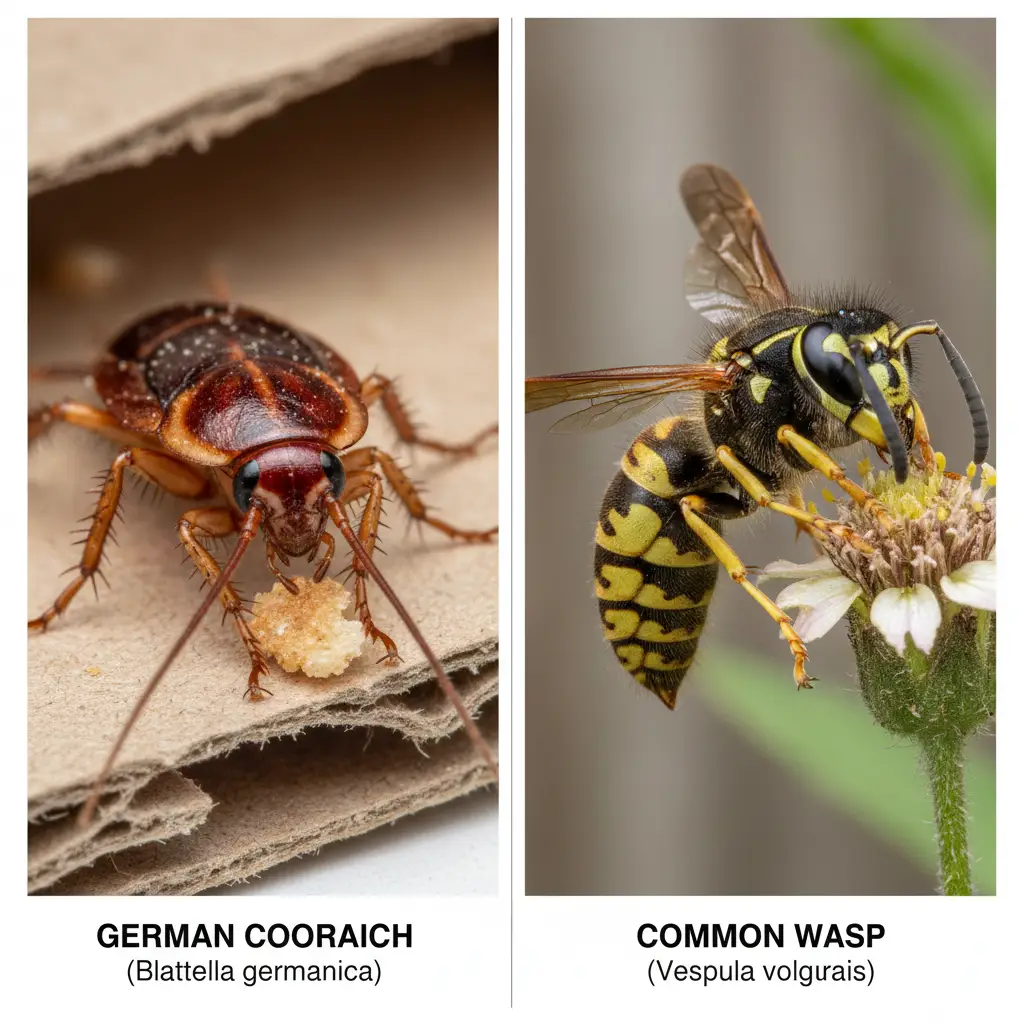
- German Cockroaches: These are an indoor sanitation pest. They thrive in warm kitchens and behind appliances like fridges and dishwashers. In summer, their reproduction cycle shortens, allowing populations to explode within weeks.
- Gisborne Cockroaches: While technically an outdoor native species, the Gisborne cockroach often wanders inside during summer when outdoor conditions become too hot or dry. They are distinctively large and flat, often found on timber decks and window sills.
- American Cockroaches: These large pests are often associated with drains and sewers but will fly towards lights on warm Auckland evenings.
Wasp Aggression
By late summer (January and February), German and Common Wasp nests have reached their maximum size. A single nest can house thousands of workers. At this time of year, the colony’s demand for sugar increases, making them more aggressive around human food sources, picnics, and rubbish bins. This poses a significant health and safety risk, particularly for those with allergies.
Mosquitoes
With Auckland’s humid nights, mosquitoes become a primary nuisance. Stagnant water in pot plant saucers, blocked gutters, or drains becomes a nursery for larvae. The local Saltwater Mosquito and the introduced Southern House Mosquito are most active during these months.
Autumn (March – May): The Great Migration Indoors
As the mercury drops and the first heavy rains of autumn arrive, the dynamic shifts from population growth to shelter-seeking. This season is characterized by a mass migration of pests from the exterior of your property to the interior.
Rodents Seek Warmth
This is arguably the most critical time for rodent control. Rats (both Norway and Roof Rats) and House Mice sense the approaching winter. They actively seek entry points into roof voids, basements, and wall cavities. In Auckland, the Roof Rat (Rattus rattus) is particularly prevalent due to the abundance of trees overhanging properties. They use branches as bridges to access eaves and rooflines.
Spiders and Whitetails
While spiders are present year-round, they become more visible in Autumn. Male spiders often roam in search of mates. Of particular concern in Auckland is the White-tailed Spider. While their bite toxicity is often debated, they are vagrant hunters that feed on other spiders (like the Grey House Spider). If you see many cobwebs in your home, you are providing a buffet that attracts White-tails.
Winter (June – August): Shelter and Moisture Seekers
Winter in Auckland is wet. While insect activity on the outside slows down, the internal environment of a heated home becomes a sanctuary for pests.
Established Rodent Nests
If rodents entered in Autumn and were not dealt with, by Winter they have established nests. You may hear scratching in the ceiling or walls at night. Damage to electrical wiring and insulation is common during this period as they gnaw to keep their teeth sharp and gather nesting materials.
Silverfish and Booklice
Auckland’s damp winters can lead to high internal humidity if homes are not well-ventilated. This environment is perfect for Silverfish and Psocids (Booklice). These primitive insects feed on molds, starchy glues in wallpaper, and book bindings. They are often indicators of a dampness issue within the property structure.
Understanding Pest Life Cycles for Better Control
Effective pest control is not just about spraying chemicals; it is about interrupting the life cycle. For example, treating fleas requires understanding that the pupal stage is resistant to most insecticides. Therefore, control measures must target the larvae and adults while encouraging pupae to emerge so they can contact the treatment.
Similarly, understanding the reproductive speed of the German Cockroach—where a female carries the egg case (ootheca) until just before hatching—dictates that follow-up treatments are necessary to catch the newly hatched nymphs that may have been protected inside the egg case during the initial service.
For more detailed information on pest biology and public health risks, the New Zealand Ministry of Health provides authoritative resources on pests and insects.
Year-Round Integrated Pest Management (IPM)
To combat seasonal pest threats in Auckland, an Integrated Pest Management (IPM) approach is recommended. This involves a combination of exclusion, sanitation, and chemical intervention.
Exclusion (Proofing)
- Seal Gaps: Seal holes around pipe penetrations, specifically under sinks and behind appliances.
- Gutter Maintenance: Keep gutters clean to prevent mosquito breeding and stop overflowing water from damaging soffits (which leads to wood rot and borer).
- Tree Trimming: Cut back tree branches at least 1.5 meters from the roofline to prevent Roof Rats from jumping onto the house.
Sanitation
- Food Storage: Keep dry goods in airtight containers (glass or hard plastic).
- Pet Food: Do not leave pet food out overnight, as this is a primary attractant for rats and cockroaches.
- Ventilation: Use dehumidifiers or HRV systems to lower internal moisture, making the home less hospitable to silverfish and fleas.
For advice on conservation-friendly pest control methods, particularly regarding rats and stoats, the Department of Conservation (DOC) offers extensive guidelines that protect native wildlife while managing pests.
Frequently Asked Questions
What is the most common pest in Auckland?
The most common pests in Auckland vary by season, but German Cockroaches and Rats (Norway and Roof rats) are the most persistent year-round issues for homeowners. In summer, flies and ants are the most frequently reported nuisances.
When should I spray for bugs in Auckland?
The best time to apply a preventative barrier spray is in late Spring (October/November). This treats surfaces before the peak population explosion of summer. However, specific treatments for pests like Borer should align with their flight season (October-December).
Do cockroaches in Auckland hibernate?
Cockroaches in Auckland do not strictly hibernate, but their activity slows down significantly in winter. However, German Cockroaches living indoors in warm environments (like behind fridges) remain active and breed year-round regardless of the outside temperature.
How do I get rid of rats in my Auckland ceiling?
To remove rats from a ceiling, you must first seal all entry points on the exterior of the house. Once the home is secure, use snap traps or professional bait stations within the roof void. Avoid using loose poison bait, as rats may die in inaccessible areas and cause odor issues.
Are White-tailed spiders dangerous?
White-tailed spiders can deliver a painful bite that may cause localized swelling and itchiness. While there is a common myth that their bites cause necrotic ulcers, scientific studies have found little evidence to support this. However, secondary infection of the bite site is a risk.
Why do I have ants in my house in winter?
While ants are more active in summer, heavy winter rains in Auckland can saturate the soil, flooding ant nests. This forces colonies to move upwards and indoors in search of dry ground, leading to sudden infestations during wet weather.