Ant species in Auckland are diverse, with several common types frequently invading homes and businesses. Effective management of these pests hinges on accurate identification and understanding their unique behaviors. This guide offers a comprehensive overview of prevalent ant species in the region, their characteristics, and tailored strategies for their control and prevention, ensuring a more effective and sustainable solution to ant infestations.
Common Ant Species Invading Auckland Homes
Auckland’s temperate climate and urban environment provide an ideal habitat for numerous ant species, several of which are notorious for encroaching upon human dwellings. Correctly identifying these species is the crucial first step in devising an effective control strategy, as their habits, food preferences, and nesting sites vary significantly.
Argentine Ants (Linepithema humile)
Originally from Argentina, these highly invasive ants are arguably the most problematic species in Auckland. Argentine ants are small (2-3mm), light to dark brown, and move in distinct, wide trails. They are known for forming supercolonies with multiple queens, making eradication incredibly challenging. They prefer sweet foods but will forage for almost anything, often nesting outdoors under paving, logs, or debris, but readily moving indoors in search of food and shelter, especially during wet weather. Their sheer numbers can quickly overwhelm a property, as their colonies are not territorial with one another, allowing for massive population growth.
Black House Ants (Ochetellus glaber)
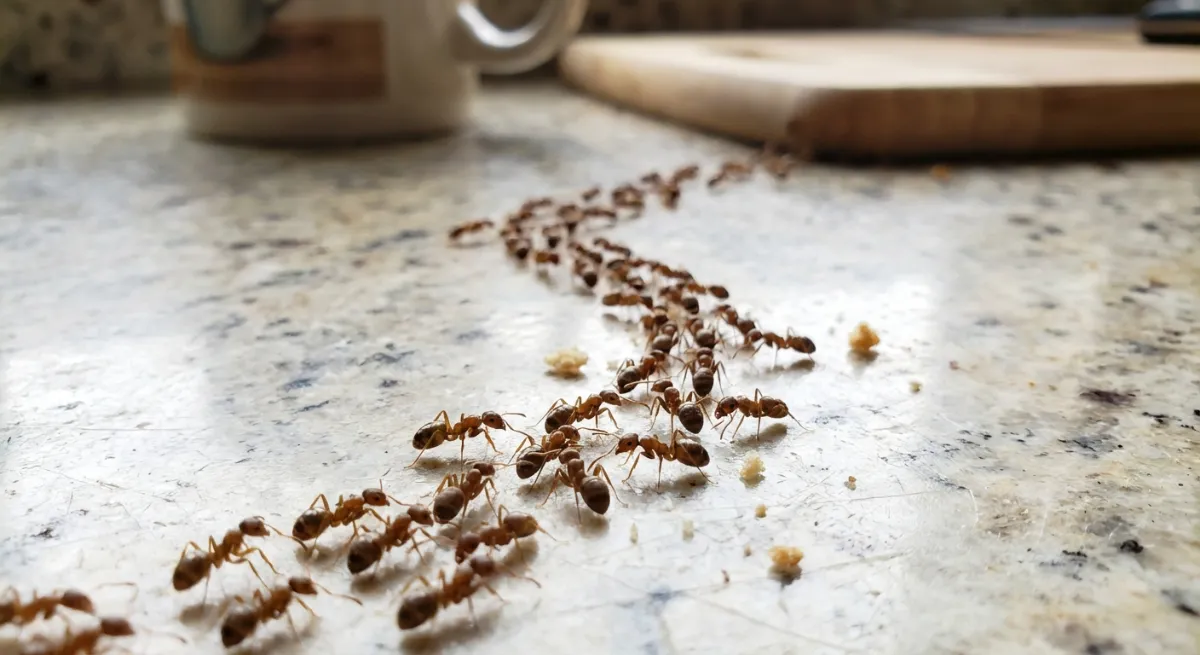
Black house ants are a common nuisance throughout New Zealand, including Auckland. These ants are small (2.5-3mm), glossy black, and often found nesting outdoors in soil, under bark, or in decaying timber. Indoors, they may nest in wall cavities, roof voids, or behind skirting boards. They are omnivorous, feeding on a wide range of foods, including sweets, meats, and other insects. While not as aggressive as Argentine ants, they can be a persistent problem, particularly in kitchens and food preparation areas. They create distinct, often visible trails as they forage for food, sometimes even carrying crumbs or dead insects back to their nests. Controlling these ants often requires targeting their outdoor nests.
Darwin’s Ant (Doleromyrma darwiniana)
Also known as the Stigmodon ant, Darwin’s ants are another small (2-3mm), dark brown species commonly found in Auckland. They are often confused with Argentine ants due to their similar size and foraging habits. However, Darwin’s ants tend to move less aggressively and do not form the massive supercolonies characteristic of Argentine ants. They prefer sweet foods and nest in similar outdoor locations such as under rocks, pavers, or in rotten wood, but will readily enter homes. Their colonies are typically smaller, making them somewhat easier to manage than their Argentine counterparts, though they can still be a significant indoor pest.
White-footed House Ants (Technomyrmex difficilis)
These ants are distinctive, typically 2.5-3mm long, dark brown to black, with noticeably pale (whitish-yellow) feet and antennae. They are common in warmer climates and are increasingly prevalent in Auckland. White-footed house ants are primarily sugar feeders, often found near sources of honeydew from aphids on plants, or in kitchens attracted to sweet spills. They can form large colonies with multiple queens and nesting sites, often in wall voids, roof spaces, or outdoor vegetation. While they don’t sting or bite, their large numbers can be a major nuisance, and their multiple nesting sites make them challenging to eliminate completely without a thorough treatment plan.
Pharaoh Ants (Monomorium pharaonis)
While less common in general household infestations than other species, Pharaoh ants are a significant concern, especially in commercial settings like hospitals or food processing facilities due to their ability to spread pathogens. These tiny ants (1.5-2mm), pale yellow to reddish-brown, are known for their ability to bud, meaning a queen can leave the main colony with a group of workers to start a new nest if disturbed. They prefer high-protein foods but will eat almost anything. Their nests are typically hidden in warm, humid areas within structures, making them extremely difficult to locate and treat. Standard pest control methods like repellent sprays can exacerbate the problem by causing colonies to bud and spread.
Understanding Ant Behavior and Colony Dynamics
To effectively manage ant infestations in Auckland, it’s paramount to understand the intricate social structures and behaviors that govern ant colonies. Each species, while sharing fundamental characteristics, exhibits unique patterns that influence their interaction with their environment and human dwellings. Delving into these aspects provides crucial insights for targeted control.
Ant Colony Structure and Roles
An ant colony is a highly organized society, typically consisting of one or more queens, workers (sterile females), males, and developing larvae and pupae. The queen’s primary role is reproduction, laying eggs to ensure the colony’s growth. Worker ants, which constitute the majority of the visible population, are responsible for all other tasks: foraging for food, caring for the queen and young, defending the nest, and expanding its structure. Males have a short lifespan, existing primarily for reproduction during mating flights. Understanding this division of labor helps explain why targeting foraging workers alone is often insufficient for long-term control; the queen and hidden nest must be addressed.
Foraging Habits and Food Preferences
Ants are opportunistic feeders, but most species have distinct preferences. Many common Auckland ants, like Argentine ants and White-footed house ants, are strongly attracted to sweet substances (sugars, honeydew, fruit juices). Others, such as Black House ants and Pharaoh ants, show a preference for proteins and fats (meats, pet food, grease). Their foraging behavior involves scouts searching for food, and upon discovery, they lay down pheromone trails to guide other workers back to the source. These trails are critical for pest control professionals to identify entry points and to place baits effectively. Observing what kind of food ants are attracted to in your home can be a key identifier for the species.
Nesting Sites and Environmental Factors
Ants establish nests in a variety of locations, both indoors and outdoors, depending on the species and environmental conditions. Outdoors, nests can be found under rocks, paving stones, logs, leaf litter, or in decaying wood. Some species prefer dry, sunny spots, while others seek out damp, shaded areas. Indoors, ants might nest in wall voids, under flooring, in roof spaces, behind appliances, or even within electrical outlets, often seeking warmth and moisture. Environmental factors like heavy rainfall, drought, or extreme temperatures can trigger ants to move their nests, often leading them into homes in search of more stable conditions. Identifying typical nesting sites for a given species can significantly aid in finding and treating the source of an infestation.
Seasonal Activity Patterns
Ant activity in Auckland, like many temperate regions, is highly seasonal. Ants are generally more active during warmer months, typically from spring through autumn. During these periods, colonies expand, queens lay more eggs, and workers forage more extensively for food to support the growing population. Heavy rains can also drive ants indoors seeking drier ground, leading to sudden increases in indoor sightings. Conversely, activity significantly reduces in cooler winter months, although some species, particularly those nesting indoors, may remain active year-round in heated environments. Understanding these patterns helps residents anticipate infestations and implement preventative measures accordingly.
Effective Identification Techniques
Accurate identification is the cornerstone of effective ant control. Mistaking one species for another can lead to ineffective treatments, wasted effort, and prolonged infestations. With several common ant species in Auckland exhibiting similar appearances, careful observation and a systematic approach are essential.
Observing Physical Characteristics
The first step in identifying an ant species involves closely examining its physical attributes. Pay attention to size (measured in millimeters), color (from pale yellow to glossy black), and the number of nodes (petioles) between the thorax and abdomen – this is a critical differentiator. Some species have one node, while others have two. The shape of the antennae, presence or absence of hair, and overall body texture (shiny or dull) are also important. For instance, Argentine ants are small, uniformly light to dark brown with a single node, while Black House ants are glossy black with a single node. White-footed house ants are easily identified by their pale lower legs and feet, distinct from their dark bodies. If possible, capture a few specimens for closer inspection under magnification or comparison with detailed identification guides. The Landcare Research New Zealand Ant Identification Guide is an excellent resource.
Tracing Ant Trails
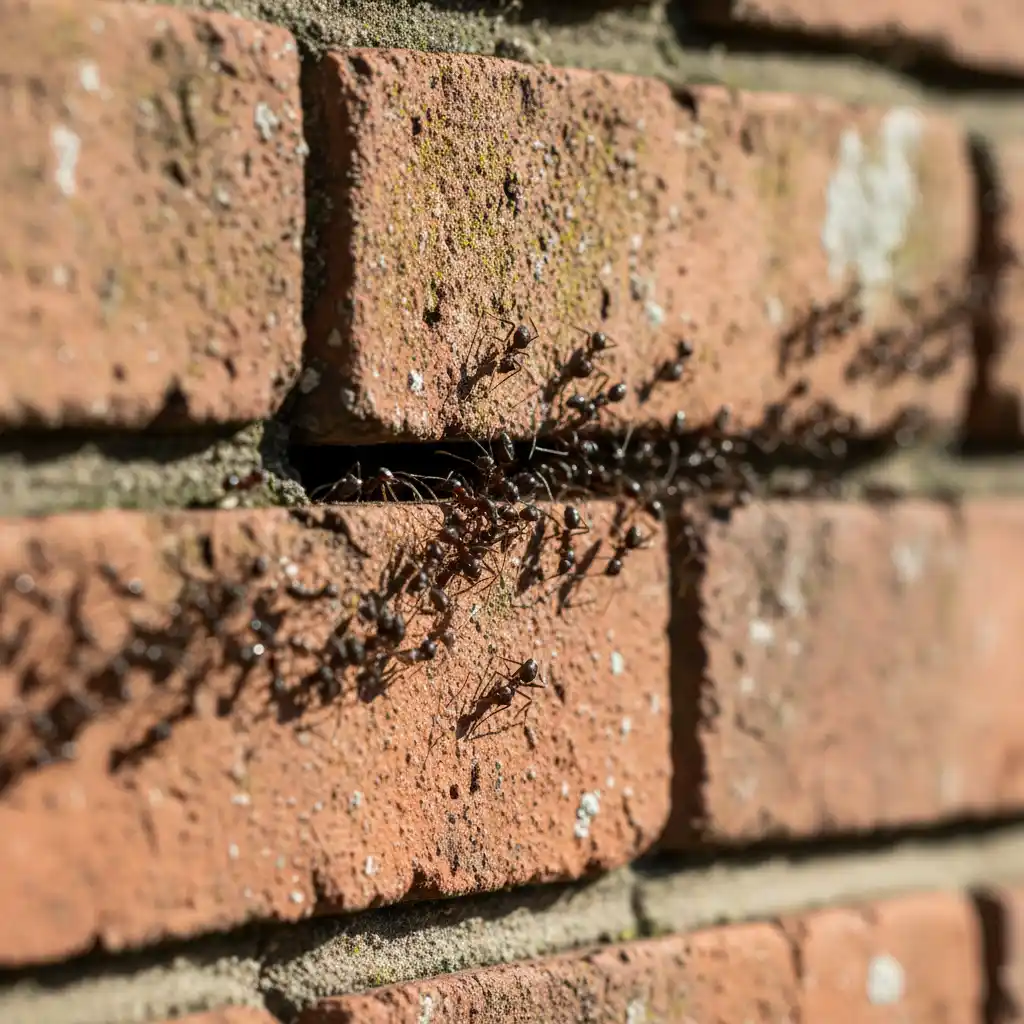
Ants often form visible trails as they commute between their nest and a food source, guided by pheromones. Following these trails can lead directly to their entry points into your home and, eventually, to the nest itself. Observe the direction of travel: where are they coming from, and where are they going? Are they entering through cracks in the foundation, gaps around windows, or utility penetrations? The appearance and density of trails can also offer clues. Argentine ants, for example, are infamous for creating wide, multi-line foraging trails. Tracing trails outside can reveal nests under paving, woodpiles, or garden debris. This technique is invaluable for understanding the scope of the infestation and targeting treatments directly at the source rather than just the visible foragers.
Bait Testing for Food Preferences
Knowing an ant’s food preference is crucial for selecting the most effective bait. This can be determined by a simple bait test. Place small dabs of different food types in areas where you observe ant activity, away from direct sunlight or heavy foot traffic. Options include a sugar solution (e.g., honey mixed with water), a protein source (e.g., a tiny piece of peanut butter or cooked meat), and a fatty food (e.g., a drop of vegetable oil). Observe which bait the ants are most attracted to and consume. If they swarm the sugar solution, a sweet-based gel bait will likely be most effective. If they prefer protein, a protein-based granular or gel bait would be better. This direct observation helps tailor your baiting strategy, ensuring the ants consume and carry the active ingredient back to their nest.
Targeted Control Methods for Different Ant Types
Once you’ve accurately identified the ant species infesting your Auckland property and understood their behaviors, you can implement targeted control methods. A generic approach often fails with ants due to their diverse habits and colony structures. Precision and persistence are key to successful eradication.
Importance of Accurate Identification
As repeatedly stressed, accurate identification is not merely academic; it is the lynchpin of effective ant control. For example, using a repellent spray against Pharaoh ants can cause the colony to fragment and bud, leading to multiple new infestations, making the problem significantly worse. Conversely, a broad-spectrum granular bait might be ignored by a species that prefers liquid sugars. Knowing if you’re dealing with a single-queen colony or a multi-queen supercolony (like Argentine ants) dictates whether you need to focus on a single nest or prepare for a larger, area-wide treatment. The success of any control strategy begins with knowing your enemy, specifically its species.
Barrier Treatments and Exclusion
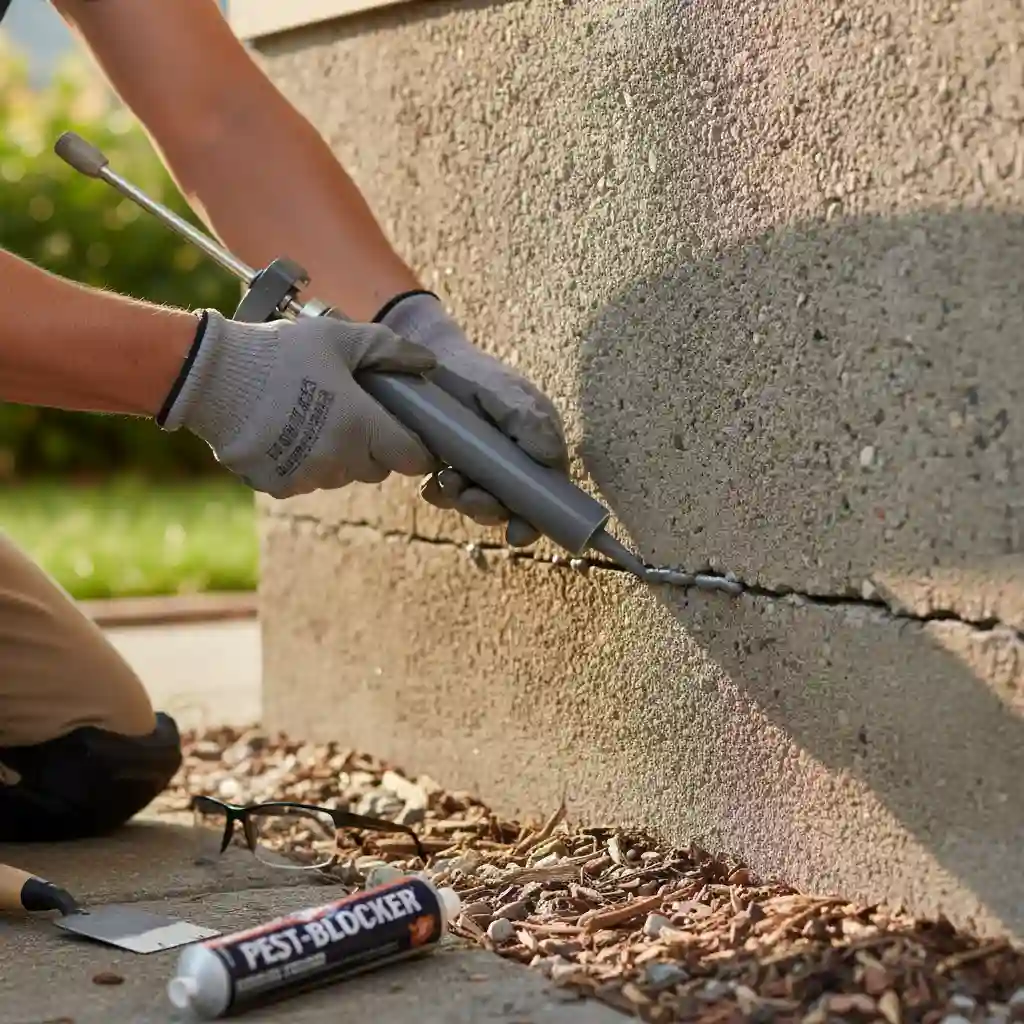
Preventing ants from entering your home is a vital part of control. This involves creating physical and chemical barriers. Physically, seal all cracks and crevices in your foundation, around windows, doors, and utility entry points using caulk or expanding foam. Repair damaged screens and ensure door sweeps are intact. Chemically, barrier treatments involve applying non-repellent insecticides around the perimeter of your home, focusing on common entry points. These products are designed to be undetectable to ants, allowing them to walk over the treated area, pick up the insecticide, and carry it back to the colony, effectively spreading the treatment. Regularly inspecting and maintaining these barriers is crucial for long-term prevention.
Strategic Baiting Programs
Baiting is often the most effective method for ant control, especially for species with large or hidden nests. Baits contain a slow-acting insecticide mixed with an attractive food source (sugar, protein, or fat). Worker ants consume the bait and carry it back to the nest, sharing it with the queen and other colony members, eventually leading to the demise of the entire colony. The key to successful baiting lies in: 1) choosing the right bait formulation based on the ant species’ food preferences (determined by your bait testing), 2) placing baits strategically along ant trails and near entry points, and 3) patience – baits work slowly, but thoroughly. Avoid using repellent sprays simultaneously, as they can deter ants from finding and taking the bait. Monitor bait consumption and replenish as needed.
Non-Chemical and DIY Approaches
For those seeking less chemical-intensive options, several DIY and non-chemical methods can help manage minor ant issues. Maintaining impeccable sanitation is paramount: wipe up spills immediately, store food in airtight containers, and regularly clean kitchen surfaces. Natural repellents like vinegar, citrus oils, or peppermint oil can deter ants from specific areas, though they won’t eliminate the colony. Boiling water poured directly into visible outdoor nests can be effective for localized problems. Diatomaceous earth (food-grade) can be sprinkled as a fine barrier, which dehydrates ants that cross it. While these methods can offer temporary relief, they are generally not sufficient for established or large infestations, especially those involving species like Argentine ants.
Professional Pest Control Intervention
For persistent, widespread, or particularly challenging ant infestations, engaging a professional pest control service in Auckland is often the most reliable solution. Professionals possess the expertise to accurately identify ant species, locate hidden nests, and implement advanced Integrated Pest Management (IPM) strategies. IPM combines various methods, including targeted baiting, non-repellent liquid treatments, and exclusion, tailored to the specific ant species and property. They have access to commercial-grade products and techniques that are not available to the public and can safely apply them. For highly invasive species like Argentine ants or the elusive Pharaoh ants, professional intervention is almost always necessary to achieve long-term control and prevent recurrence. A reputable company will also provide advice on ongoing prevention measures.
Prevention: Keeping Ants Out of Your Auckland Home
The best ant control strategy is prevention. By taking proactive steps, Auckland homeowners can significantly reduce the likelihood of ants establishing themselves indoors. A multi-faceted approach focusing on sanitation, moisture control, and exterior maintenance is essential to creating an unattractive environment for these pervasive pests.
Sanitation and Food Storage
Ants are primarily driven by the search for food and water. Meticulous sanitation is your first line of defense. Wipe up food crumbs and spills immediately, especially sugary ones. Clean food preparation areas thoroughly after use. Store all food in airtight containers, including pet food, and never leave uncovered food on counters. Empty rubbish bins regularly, and keep them sealed. Even small residues can attract foraging ants, so a consistent cleaning routine is paramount. Regularly vacuuming floors, especially in kitchens and dining areas, also helps remove potential food sources.
Moisture Control
Many ant species, particularly those that nest indoors, are attracted to moisture. Leaky pipes, dripping taps, or excessive condensation can provide a vital water source for a colony. Inspect your home for any signs of moisture problems, both indoors (under sinks, in bathrooms) and outdoors (leaky outdoor taps, clogged gutters leading to standing water near the foundation). Repair any leaks promptly. Ensure proper ventilation in bathrooms and kitchens to reduce humidity. Eliminating these water sources makes your home far less appealing to ants seeking a hospitable nesting or foraging environment. This is especially critical for species like carpenter ants, although less common in Auckland, that seek out damp, decaying wood.
Landscape Maintenance
The exterior of your home is often where ant problems begin. Regular landscape maintenance can create a deterrent zone. Trim back tree branches and shrubs so they don’t touch your house, as these can serve as ‘bridges’ for ants to access your roof or upper windows. Keep gutters clear of leaves and debris, which can hold moisture and provide nesting sites. Remove leaf litter, excessive mulch, and woodpiles from directly against your foundation, as these offer ideal shelter and nesting spots. Repair cracks in your driveway and paving, as these are common nesting areas for species like Argentine ants. By making your yard less hospitable, you reduce the chances of ants venturing indoors.
Conclusion
Managing ant infestations in Auckland requires a strategic, informed approach, beginning with accurate identification of the specific species. From the pervasive Argentine ant to the elusive Pharaoh ant, each species presents unique challenges that necessitate tailored control methods. Understanding their behaviors, from colony dynamics to foraging preferences, empowers homeowners and professionals to implement effective baiting programs, robust exclusion techniques, and diligent sanitation practices. While DIY methods can offer temporary relief, persistent or widespread infestations often benefit most from the expertise of professional pest control services. By prioritizing prevention and adopting a comprehensive strategy, Auckland residents can significantly reduce ant pressures, ensuring their homes remain comfortable and pest-free.
People Also Ask
What are the most common ants in Auckland?
The most common ants in Auckland are Argentine ants, Black House ants, and Darwin’s ants. White-footed house ants are also increasingly prevalent.
How can I identify the type of ant in my Auckland home?
You can identify ant types by observing their size, color, number of nodes (segments between thorax and abdomen), and food preferences. Tracing their trails and noting nesting sites also helps. For precise identification, capture a sample and compare it to local ant guides or consult a professional.
Are Argentine ants dangerous to humans or pets?
Argentine ants are not considered dangerous. They do not sting or pose significant health risks to humans or pets. However, they are a major nuisance due to their vast numbers and ability to contaminate food.
What is the best way to get rid of ants in Auckland permanently?
Permanent ant control in Auckland involves a multi-pronged approach: accurate species identification, strategic baiting (using baits specific to their food preference), sealing entry points (exclusion), maintaining strict sanitation, and controlling moisture. For severe infestations, professional pest control is often necessary.
Why do I suddenly have many ants in my house?
Ants often suddenly appear in your house due to changes in weather (e.g., heavy rain or drought driving them indoors for shelter/water) or discovery of new food sources. As colonies grow, they send more foragers out, increasing visible activity, especially in warmer months.
When should I call a professional pest controller for ants in Auckland?
You should call a professional pest controller for ants in Auckland if you have a large, persistent, or recurring infestation, especially if dealing with highly invasive species like Argentine ants or hard-to-control Pharaoh ants. Professionals have specialized knowledge and treatments for effective, long-term eradication.