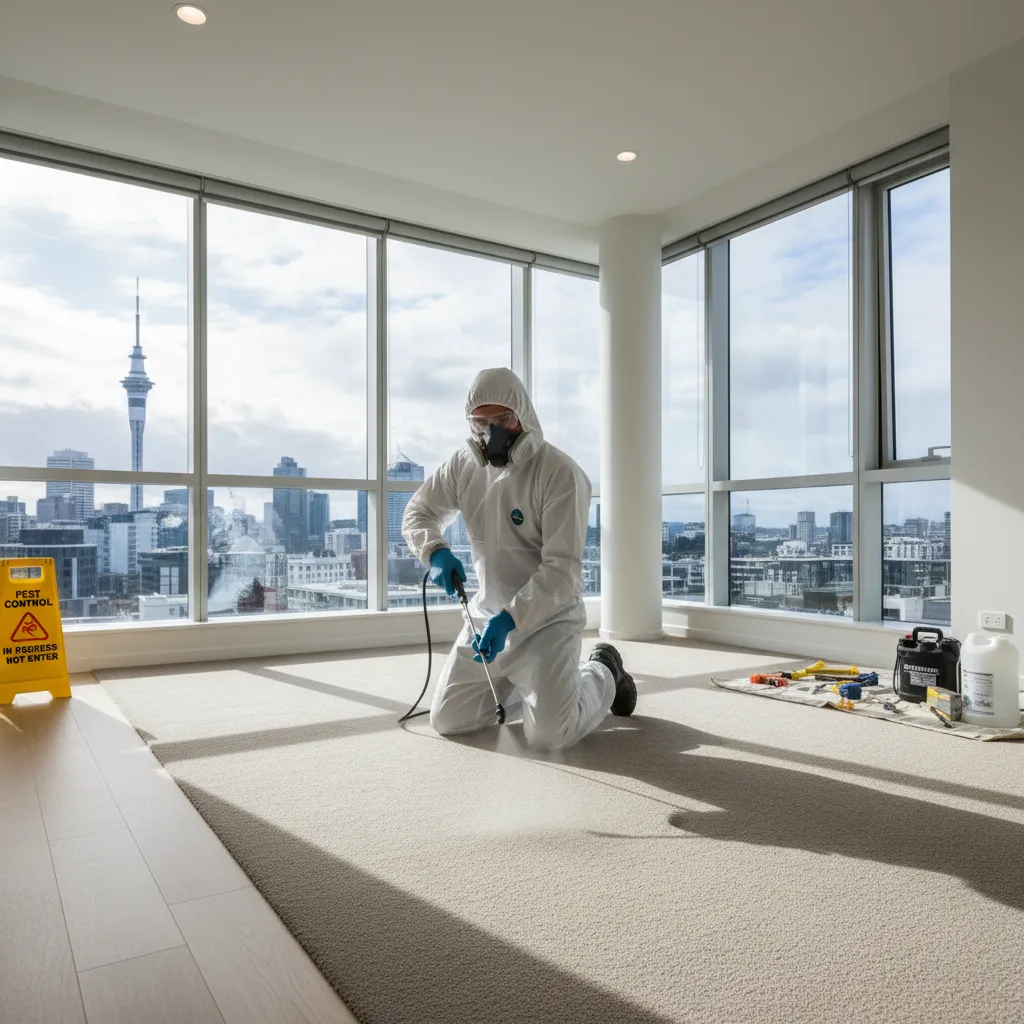
Moving out of a rental property is always a highly stressful experience. Between packing countless boxes, forwarding your mail, and scrubbing the oven until it shines, the final property inspection looms like a dark cloud over the entire process. If you have a pet, you likely already know about the mandatory requirements for an end-of-lease flea treatment.
But what about the tiny, destructive pests you can’t easily see? Property managers in New Zealand are becoming increasingly strict about hygiene standards at the end of a lease. Going beyond fleas: identifying hidden pest issues before your final rental inspection is absolutely essential if you want your full bond returned without a fight.
Many tenants are genuinely shocked to find unexpected deductions for cockroach infestations or hidden rodent damage they didn’t even know existed. Ignoring these silent invaders until the final walkthrough is a costly mistake. By understanding exactly what property managers look for, you can fix the problem on your own terms before it hits your wallet.
Key Takeaways
To secure your bond, you must look beyond fleas: identifying hidden pest issues before your final rental inspection is critical. Check dark cupboards for cockroach droppings, inspect carpets for beetle damage, and look for rodent chew marks. Tenants are liable for pests caused by poor hygiene, while landlords cover structural infestations.
New Zealand Tenancy Law: Who Pays for Pests?
Under the Residential Tenancies Act (RTA), landlords are legally obligated to provide a clean, pest-free home at the very start of a tenancy. However, keeping the property in that condition is a shared responsibility between both parties. If an infestation develops midway through your lease or is discovered at the end, the root cause determines who pays the exterminator bill.
If poor daily hygiene, unsealed food containers, or a family pet caused the issue, the tenant is held financially liable. Conversely, if pests manage to enter through structural gaps like broken subfloor vents or rotting weatherboards, the landlord must pay for the extermination. This grey area is exactly why end of tenancy pest control disputes are one of the most common issues brought to the Tenancy Tribunal.
When neither party is clearly at fault for the bug problem, Tenancy Services often recommends a common-sense approach of splitting the cost. To avoid these stressful and prolonged negotiations entirely, proactive tenants inspect the property thoroughly weeks before handing over the keys.
| Pest Scenario | Likely Responsible Party | Reasoning under NZ Law |
|---|---|---|
| Fleas after keeping a dog/cat | Tenant | Directly caused by the tenant’s pet. Usually explicitly written into the lease agreement. |
| Rats in the ceiling cavity | Landlord | Usually a structural exclusion issue (gaps in the roof or eaves) out of the tenant’s control. |
| German cockroaches in kitchen | Often Tenant | Often linked to poor kitchen hygiene, grease buildup, or bringing in infested cardboard boxes. |
| Ants entering through cracked foundation | Landlord | Structural failure allowing external environmental pests to easily enter the home. |
The Impact of Healthy Homes Standards
New Zealand’s Healthy Homes Standards have significantly changed the rental landscape. Landlords are now strictly required to ensure their properties are warm, dry, and well-ventilated. Interestingly, these standards also play a massive role in natural pest prevention.
Properties that lack proper moisture barriers or have inadequate drainage are highly attractive to damp-loving pests like silverfish, cockroaches, and certain ant species. If your rental suffers from severe dampness issues despite your best efforts to ventilate, the landlord may be held responsible for the resulting bug infestations.
However, tenants must still do their part. Failing to use bathroom extractor fans or leaving wet towels piled in corners creates artificial humidity. If a property manager can prove you created the damp environment that attracted the pests, your bond is at serious risk.
Top Hidden Pests That Ruin Rental Inspections
While jumping fleas are incredibly obvious to anyone walking into a room, other pests are absolute masters of disguise. They hide deep in wall cavities, under heavy kitchen appliances, and deep within the fibers of carpets. If you don’t actively look for them, the property manager’s eagle eye certainly will.

1. German Cockroaches
German cockroaches are a leading cause of unexpected bond deductions in New Zealand rentals. Unlike the larger, darker outdoor roaches that occasionally wander inside, these small, light-brown insects thrive exclusively indoors. They hide behind fridges, inside microwave motors, and deep within pantry hinges.
Because they multiply at a terrifyingly rapid rate, a few unseen roaches can become a massive infestation in just a matter of weeks. Property managers will always check the rubber seals of dishwashers and the dark corners of kitchen cupboards for their pepper-like droppings during the final inspection.
2. Carpet Beetles
Carpet beetles are silent, slow-moving destroyers. These tiny, mottled pests lay their eggs in dark, undisturbed areas like the edges of carpets, under heavy beds, and inside dusty wardrobes. Their hairy larvae feed aggressively on natural fibers, leaving behind noticeable bald patches in the carpet.
When you finally move your heavy furniture out on moving day, the damage suddenly becomes glaringly obvious. If the landlord discovers chewed carpets, you could be held liable for expensive flooring repairs rather than just a simple carpet cleaning bill.
3. Mice and Rats
Rodents are incredibly common in Auckland’s older, character-filled rental homes. Even if you haven’t physically seen a mouse running across the floor, they might be living comfortably in your hot water cupboard or behind the stove. They leave behind greasy rub marks along skirting boards and small, dark droppings.
Mice chew constantly to file down their growing teeth. If a property manager finds chewed electrical wires, damaged insulation, or gnawed skirting boards behind where your sofa used to be, you could face significant repair costs deducted from your bond.
4. Silverfish
Silverfish are a common nuisance in damp rental properties, particularly in poorly ventilated bathrooms and older wardrobes. These silvery, teardrop-shaped insects feed on starches and carbohydrates. They are notorious for damaging old books, important documents, and even natural fabric curtains.
While they don’t pose a direct health risk to humans, finding a swarm of silverfish in a bathroom cupboard signals to a property manager that the home has not been kept clean or dry. This can trigger a deeper, more critical inspection of the entire property.
Room-by-Room Pre-Inspection Guide
Don’t wait for the chaotic moving day to discover a serious pest problem. Conduct a thorough pre-inspection of your home at least two to three weeks before your final handover date. This gives you ample time to book professional pest control in Auckland if needed.
Grab a bright LED flashlight and get down on your hands and knees. You need to look closely in the places that are usually hidden by your day-to-day living arrangements.
Check behind the fridge and stove for grease marks or droppings. Inspect the back corners of all kitchen cabinets. Look closely at the carpet edges near the skirting boards for bald spots. Finally, check the hot water cupboard for rodent droppings.
- The Kitchen: Pull out the fridge and oven if possible. Look for cockroach droppings (which look like spilled black pepper) along the kickboards. Check inside the pantry for tiny holes in food packaging, which indicates mice.
- The Bathroom: Check under the sink for signs of dampness and silverfish. Look around the edges of the bathtub and window frames for small black mould mites or ants seeking water.
- The Bedrooms: Shine your flashlight along the very edges of the carpet, especially inside built-in wardrobes. Look for tiny, fuzzy carpet beetle larvae or discarded insect skins.
- The Exterior: Walk around the outside of the house. Ensure there are no wasp nests forming under the eaves and check that rubbish bins haven’t attracted a localized rat problem.
Recent tenancy data highlights exactly where most disputes originate. When we look at bond retention statistics, it’s clear that certain pests cause far more trouble than others during the final inspection process.
Professional Pest Control vs. DIY Methods
When tenants discover a pest issue right before moving out, their first instinct is often to rush to the supermarket and buy a cheap bug bomb. While this seems like a quick and cost-effective fix, it usually backfires spectacularly. DIY foggers rarely penetrate deep into wall cavities where cockroaches and silverfish actually hide.
Furthermore, bug bombs leave a sticky, toxic residue on walls, ceilings, and countertops. Experienced Auckland property managers can easily smell and spot this chemical residue. If they suspect you’ve tried to cover up an infestation, they will likely charge you for an emergency professional deep clean anyway.
- Targeted Effectiveness: Professionals use specific gel baits and residual sprays that eradicate the entire nest, not just the bugs visible on the surface. This ensures the problem doesn’t return a week later.
- Official Documentation: A certified pest controller provides a written treatment report. This piece of paper is your ultimate defense against a picky landlord and proves you took responsible action.
- Health and Safety: Professional treatments are strictly regulated and safe for the incoming tenants, whereas DIY chemicals can be hazardous if overused or misapplied in enclosed spaces.
If your tenancy agreement explicitly requires an end-of-lease treatment (common for pet owners), a DIY supermarket spray will never be accepted. You must provide a valid tax invoice from a registered pest management company to satisfy the contract.

Ensuring You Get Your Full Bond Back
The absolute secret to a stress-free move is thorough preparation and bulletproof documentation. If you have kept the house clean but suspect a pest issue is developing due to the building’s age, communicate with your landlord early. Don’t hide it until the final day.
Always present your professional pest control invoice and treatment certificate to the property manager during the final inspection. Having this paperwork on hand proves you have fulfilled your obligations completely.
Ultimately, taking action early saves you significant money and stress. By looking beyond fleas: identifying hidden pest issues before your final rental inspection becomes a simple, manageable checklist task rather than a last-minute panic. A clean, genuinely pest-free home guarantees a smooth and friendly handover.
If you need a reliable, certified treatment before you hand your keys back, reach out to a local expert. We provide transparent, upfront pricing with no hidden surprises, helping you secure your bond without the unnecessary stress.