Auckland Spider Identification & Management Guide
Expert Review by Ronnie
Founder & Lead Technician | Certified Urban Pest Management (Class 9)
15+ Years Field Experience in the Auckland Region (HQ: Orewa)
Fact Checked & Verified: Professional E-E-A-T Compliant
Understanding Auckland’s Arachnid Ecosystem
Spiders in Auckland range from harmless species like the Daddy Long Legs and Grey House Spider to active hunters like the White Tail. While most species are ecologically beneficial, infestations in the home require a scientific approach to eradication. At Pest Control Auckland, we focus on root-cause exclusion, target-nest treatment, and certified management to keep your family safe from painful bites. Our approach is grounded in over 15 years of local expertise, spanning from Orewa and the Hibiscus Coast down to the North Shore, West, Central, East, and South Auckland.
Common Auckland Spiders
The humid, temperate climate of the Auckland region provides a perfect habitat for several key species. Understanding these “house guests” is essential for determining if you need professional intervention. Spiders are attracted to properties with high insect activity, which serves as their primary food source.
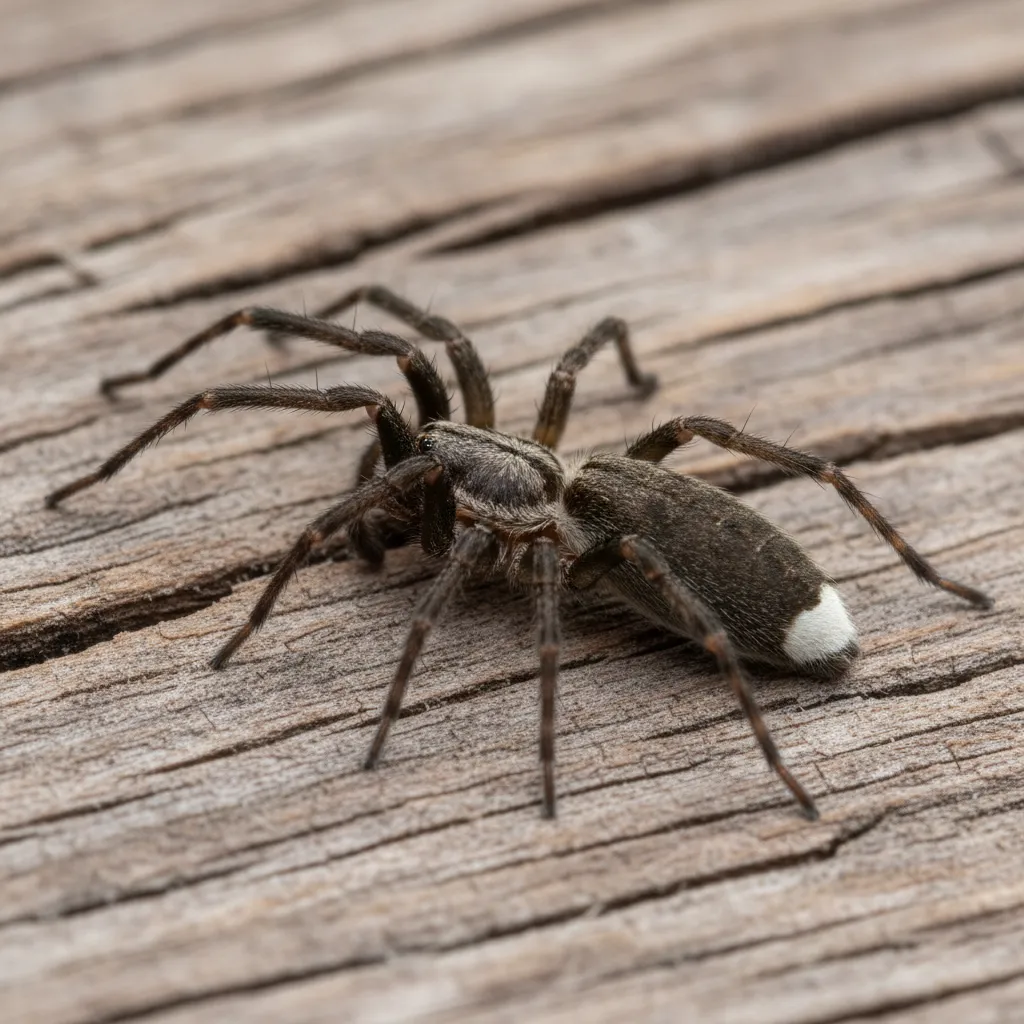
The White Tail Spider (Lampona cylindrata)
The White Tail is Auckland’s most notorious spider. Easily recognized by its elongated, dark grey body and the signature white spot on the tip of the abdomen, these are active nocturnal hunters that do not build webs. Instead, they roam at night looking for other spiders (particularly Daddy Long Legs) to eat.
Expert Insight: White Tails prefer dark, dry spaces. In Auckland homes, this often means they end up in bedding, laundry piles, or inside shoes. While their bite is not typically necrotic as once thought, it causes localized pain, redness, and swelling. If you are seeing White Tails regularly, it usually indicates a secondary infestation of smaller spiders providing them with a steady food source.
The Grey House Spider (Badumna insignis)
These spiders create messy, funnel-like webs around window frames, eaves, subfloor vents, and brickwork. The Grey House Spider is a robust species, dark grey or brown in color, with a velvety abdomen. While they are generally timid and prefer to stay within the depths of their funnel webs, they will bite if provoked. Their bite can cause localized pain, mild swelling, and occasional nausea, but they are not considered dangerous. The main concern for homeowners is the unsightly, dust-gathering webs they leave behind, which can quickly ruin the aesthetic of window sills and external claddings.
The Vagrant Spider (Uliodon spp.)
Often mistaken for the more ominous funnel-web spiders due to their large size and brown, patterned bodies, Vagrant Spiders are ground-dwelling hunters. They do not build webs to catch food but instead stalk the forest floor and garden leaf litter. During autumn, as temperatures cool across Auckland, mature males often wander indoors searching for mates. While their size can be startling, they are relatively harmless to humans, and a bite typically results in minor, localized irritation similar to a bee sting.
The Daddy Long Legs (Pholcus phalangioides)
Perhaps the most common resident of Auckland ceilings, the Daddy Long Legs is easily identified by its extremely long, thin legs and tiny body. These spiders build loose, irregular webs in upper corners of rooms, built-in wardrobes, and garages. They are actually highly effective predators of other spiders, including the White Tail. However, they breed rapidly, and their extensive cobwebs collect dust, creating an untidy appearance indoors.
Biosecurity Alerts & Protected Native Wildlife
At Pest Control Auckland, we operate under strict ecological guidelines and New Zealand conservation laws. We must highlight specific rules regarding protected native species and biosecurity threats:
1. The Katipo Spider (Latrodectus katipo) – Protected Native Wildlife: The Katipo is New Zealand’s only native venomous spider and is highly endangered. Under the Wildlife Act 1953, the Katipo is fully protected. We do not spray, treat, remove, or harm Katipo spiders. If you suspect you have found a Katipo, leave it entirely undisturbed. For native wildlife concerns, please contact the Department of Conservation (DOC) directly.
2. The Redback Spider (Latrodectus hasselti) – Biosecurity Threat: Originally from Australia, Redback spiders have established small, isolated populations in parts of New Zealand. Because they represent a severe biosecurity concern and produce highly toxic venom, suspect sightings should be reported immediately. If you locate an unusual spider matching the description of a Redback (globular black body with a striking orange-to-red longitudinal stripe), avoid contact and contact the Ministry for Primary Industries (MPI) Exotic Pest Line on 0800 80 99 66 or reach out to us for case-by-case advice.
Scientific Prevention & Structural Exclusion
We do not believe in simply “spraying and walking away.” Spiders are opportunistic predators; they only thrive where there is a constant supply of food and easy structural access. To achieve long-term spider management, we recommend implementing the following Integrated Pest Management (IPM) practices:
1. Structural Exclusion
Spiders squeeze through remarkably tight gaps. Inspect and seal cracks in external brickwork cladding, repair torn insect screens on windows, and install high-quality draft excluders or weather strips under external doors.
2. Manage External Lighting
Bright white exterior lights attract nocturnal flying insects, which in turn attract hungry spiders to your doorways and windows. Consider switching to warm yellow LEDs or motion-sensor security lights.
3. Vegetation Clearance
Ensure gardens, low-hanging tree branches, and shrubs are trimmed back at least 30cm away from your home’s exterior walls. This eliminates natural bridge pathways and nesting environments near weep holes.
4. Subfloor & Attic Ventilation
Damp, cluttered subfloors breed silverfish, booklice, and flies. Keeping these void spaces dry, well-ventilated, and clean drastically decreases the prey population that draws predatory spiders indoors.
Professional Spider Control Services by Pest Control Auckland
When spiders overrun your residential home or commercial premises, our technician-led, family-owned team is here to help. Led by founder Ronnie, we provide targeted treatments that focus on root-cause eradication rather than temporary fixes.
- Highly Certified Technicians: Our staff hold Urban Pest Management qualifications and are fully certified to handle Class 9 Urban Pest Management pesticides in New Zealand safely and responsibly.
- Safety-First Philosophy: We use only MPI-approved, low-toxicity, zero-emission treatments that are thoroughly tested for efficacy. Once dry, our targeted treatments are entirely safe for your children, pets, and staff.
- Commercial Compliance: For small-to-medium businesses, cafes, restaurants, and warehouses, our Integrated Pest Management (IPM) protocols strictly align with the Food Act 2014, ensuring you easily pass audits.
- The Silver Bullet Guarantee: We don’t believe in cutting corners. We provide honest, transparent advice and a thorough application backed by our long-term reliability commitment.
Auckland Spider FAQs
Find answers to the most common questions our clients ask about spider management in Auckland. Click each question to expand the answer.
Are there any deadly spiders in Auckland?
No spiders native to Auckland are considered deadly. The endangered native Katipo spider is venomous but extremely rare, strictly protected under the Wildlife Act 1953, and resides only in undisturbed coastal sand dunes. The Australian Redback spider is highly venomous but only exists in isolated pockets; sightings should be treated with extreme caution and reported to MPI (0800 80 99 66). Common house spiders, including White Tails, are not deadly, though their bites can be painful and cause local swelling.
What is the real danger of a White Tail spider bite?
There is a widespread urban myth that White Tail bites cause severe, necrotic skin decay (necrotising arachnidism). Extensive medical studies in Australia and New Zealand have debunked this, proving that White Tail venom does not cause tissue necrosis. However, their bite is painful, often causing immediate localized burning, swelling, and severe itching. The main physical danger arises from secondary bacterial infections if the bite site is scratched or kept unhygienic. If bitten, clean the wound with antiseptic, apply ice, and monitor for signs of infection.
Are your professional spider treatments safe for children and household pets?
Yes, absolutely. Our top priority is safety. We strictly use MPI-approved, low-toxicity, zero-emission treatments that are meticulously applied by our Class 9 certified technicians. During the application process, we ask that you, your children, and your pets (especially cats and dogs) vacate the treated areas for a few hours. Once our specialized formulations are completely dry, they bond tightly to surfaces, leaving a barrier that is entirely safe for your family and pets while remaining highly lethal to crawling pests.
Why do spiders keep coming back even after I spray DIY retail products?
Retail DIY aerosol sprays only kill spiders on direct contact and have virtually no long-term residual effect, especially in Auckland’s damp, coastal climate. Furthermore, if you do not seal the physical entry points into your home or eliminate the underlying insect populations that serve as their food, new spiders will quickly migrate back. Our professional treatments utilize micro-encapsulated residuals that bind to surfaces and remain active for months, while our technicians identify and assist you in sealing structural entry points to break the infestation cycle permanently.