
Imagine arriving at your bustling North Shore cafe on a Saturday morning, only to spot a rat scurrying near the dry goods storage. In an instant, the reputation you have spent years building is at severe risk of being destroyed by a single pest sighting. For business owners in Auckland, maintaining a hygienic, pest-free environment is not just a matter of pride; it is a strict legal requirement.
Auckland’s subtropical climate and dense urban development create the perfect breeding ground for rodents, cockroaches, and ants. With approximately 30 percent of New Zealand’s food service businesses concentrated in the Auckland region, the demand for professional pest management is higher than ever. Implementing reliable commercial pest control north shore services is the ultimate safeguard for your enterprise.
Whether you manage a boutique retail store in Takapuna or a large logistics warehouse in Albany, pest threats are a constant reality. Ignoring early warning signs can lead to massive financial losses, contaminated inventory, and severe regulatory penalties. Partnering with certified exterminators ensures your business remains operational, compliant, and completely pest-free.
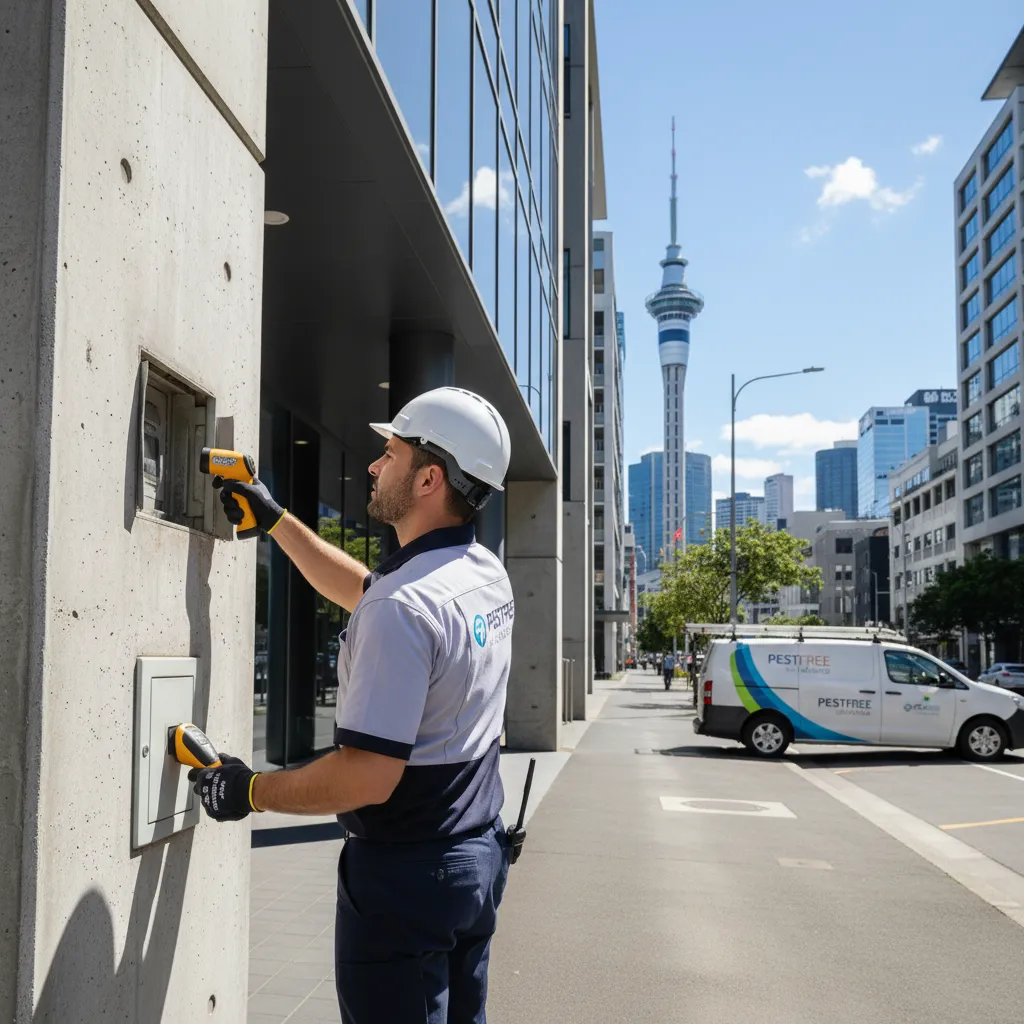
Reliable Commercial Pest Control in North Shore
Auckland’s North Shore is home to a vibrant mix of retail centers, industrial parks, and world-class hospitality venues. However, this diverse commercial landscape is constantly under threat from local pest populations seeking food and shelter. Professional exterminators understand the unique environmental factors of the North Shore, from coastal moisture to dense bushland.
These natural elements significantly accelerate pest breeding cycles throughout the year, making seasonal infestations a major headache for facility managers. Relying on reactive measures, such as buying off-the-shelf baits after a pest is spotted, is no longer sufficient for modern businesses. Instead, proactive and scheduled pest management has become a core operational requirement for commercial success.
By establishing an ongoing commercial pest control arrangement, enterprises can mitigate the risks associated with sudden infestations. This proactive approach not only protects physical assets but also ensures seamless continuity of business operations. Professional teams utilize advanced diagnostics to locate hidden nests before they multiply out of control.
Protecting Your Business Reputation
In today’s digitally connected world, a single negative review about a pest sighting can cause irreparable damage to your brand. Customers expect pristine environments when they dine, shop, or conduct business in your establishment. If a patron spots a cockroach or a mouse, they are likely to share their experience online instantly.
A single customer photo of a pest can go viral in minutes. The financial loss from a damaged reputation often far exceeds the cost of a year-round preventative pest management plan.
Once a reputation is tarnished by a pest-related incident, regaining consumer trust can take years of expensive marketing and rebranding efforts. Furthermore, word-of-mouth travels incredibly fast within tight-knit North Shore communities. Investing in professional pest control is effectively an insurance policy for your brand’s public image and long-term viability.
By partnering with certified pest control technicians, you demonstrate a clear commitment to health, safety, and customer satisfaction. These experts provide discreet, after-hours services that eliminate infestations without alarming your customers or disrupting daily operations. Your clientele will only ever experience a clean, welcoming environment.
Compliance with NZ Health Standards
Operating a commercial enterprise in New Zealand requires strict adherence to national health and safety regulations. The Food Act 2014 fundamentally changed how businesses must manage food production, shifting the focus to risk-based preventative processes. Every business selling or supplying food must comply with these stringent legal standards to remain operational.
Under the Food Act 2014, businesses must document their pest control systems within their Food Control Plan. Failure to provide this documentation during a council audit can result in immediate fines or closure.
Verifiers from the local council or independent agencies will regularly audit your premises to ensure your Food Control Plan is being actively followed. If an auditor discovers signs of an infestation or a lack of preventative measures, your business could face severe penalties. The consequences of failing an audit range from public health warnings to forced business closures.
Utilizing a professional commercial pest control service ensures you have the necessary audit documentation ready at all times. Technicians provide detailed reporting on digital monitoring logs and outline the MPI-approved treatments applied to your site. This level of meticulous record-keeping guarantees that you will pass any health inspection with flying colors.

Common Commercial Pests on the North Shore
Understanding the specific threats facing your business is the first step toward effective eradication. The North Shore’s unique geography supports a wide variety of intrusive species that actively seek out commercial buildings. Recognizing these pests early allows for rapid intervention before populations explode.
Rodents: Rats and Mice
Rodents are arguably the most destructive pests for any commercial business in Auckland, causing immense physical and financial damage. They are notorious for chewing through structural materials, plumbing, and critical electrical wiring, which can lead to catastrophic facility fires. In addition to property damage, rodents carry dangerous pathogens that can easily contaminate food supplies.
Effective rodent control requires more than just setting a few traditional traps in a storeroom. Commercial exterminators deploy tamper-resistant, multi-catch bait stations around the perimeter and interior of the building. These systems are monitored regularly to track rodent activity and prevent them from ever establishing a nest indoors.
Cockroaches and Ants
Cockroaches thrive in the warm, humid conditions often found in commercial kitchens, boiler rooms, and laundry facilities. They spread bacteria rapidly across food preparation surfaces and are a major red flag for health inspectors conducting routine audits. Eradicating a cockroach infestation requires specialized, ongoing gel bait treatments to break their rapid breeding cycle.
Ants, particularly the invasive Argentine ant, are a persistent nuisance across the North Shore’s commercial districts. They form massive super-colonies that can quickly invade retail spaces and office breakrooms in search of sugary food sources. Professional baiting systems are required to eliminate the entire colony, ensuring the poison is carried back to the queen.
Industries We Serve
Pest control is not a one-size-fits-all endeavor, especially when dealing with diverse commercial sectors across Auckland. Different industries face unique vulnerabilities and require highly specialized treatment protocols to remain compliant and safe. A targeted approach ensures that the specific pests threatening your sector are eradicated efficiently.
| Industry Type | Primary Pest Threats | Recommended Treatment Frequency |
|---|---|---|
| Hospitality & Food Service | Rodents, Cockroaches, Flies | Monthly to Bi-Weekly |
| Retail & Corporate Offices | Ants, Spiders, Mice | Quarterly |
| Warehouses & Industrial | Birds, Rats, Stored Product Pests | Monthly with 24/7 Monitoring |
| Healthcare & Clinics | Bed Bugs, Ants, Cockroaches | Monthly (Strict Zero-Tolerance) |
Hospitality and Food Service
The New Zealand hospitality industry recently posted record annual sales of $15.99 billion, reflecting massive consumer demand across the nation. However, cafes, restaurants, and commercial kitchens remain the most vulnerable to pest infestations due to the constant presence of food waste, warmth, and moisture. Rodents, cockroaches, and flies are relentless in their pursuit of these resources.
Ensure all food waste is removed from the premises nightly and stored in sealed exterior bins. Eliminating overnight food sources drastically reduces the attractiveness of your kitchen to nocturnal pests.
For food service operators, scheduled treatments using MPI-approved, non-toxic products are absolutely essential to maintain compliance. Technicians focus on sealing microscopic entry points, treating deep drainage areas, and installing discreet bait stations. This comprehensive approach ensures that your kitchen remains a sterile, safe environment for high-volume food preparation.
Offices and Retail
Corporate offices and retail stores on the North Shore might not handle raw food, but they are still prime targets for opportunistic pests. Employee breakrooms, indoor decorative plants, and cardboard storage areas attract ants, spiders, and mice. A pest sighting in a high-end retail showroom can immediately drive customers away and severely impact daily sales.
In office environments, pests can also cause significant physical disruptions to daily workflows and infrastructure. Rodents frequently nest in drop ceilings and chew through internet cabling, leading to costly IT outages. Routine inspections and preventative perimeter treatments keep these professional spaces secure, hygienic, and comfortable for all staff members.
Warehouses and Industrial
Industrial facilities, logistics centers, and large warehouses face pest control challenges on a massive, complex scale. The constant movement of goods, open loading docks, and expansive square footage make it easy for birds, rats, and stored-product pests to infiltrate the building. Once inside, they can contaminate entire pallets of inventory and cause thousands of dollars in unrecoverable damage.
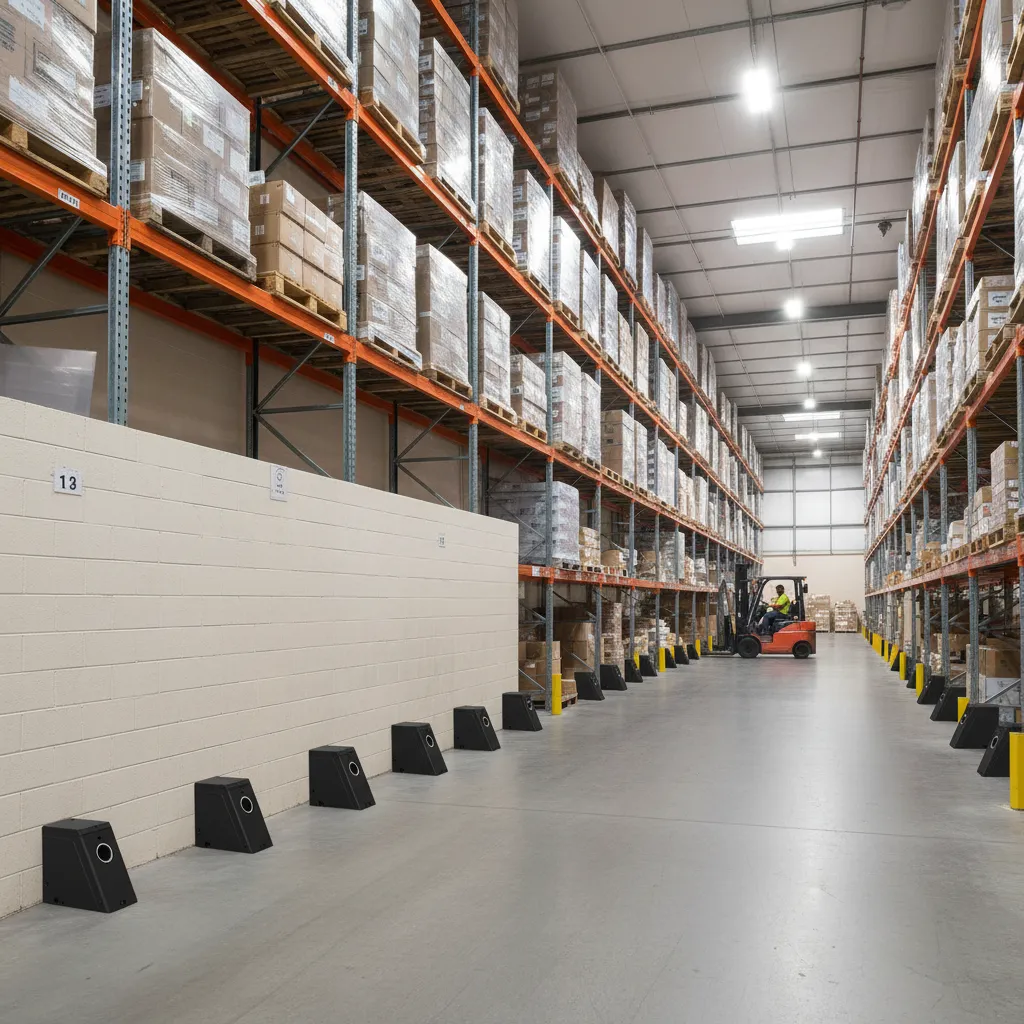
Large-scale fumigation and advanced digital monitoring networks are often required to manage these massive spaces effectively. The cost for commercial fumigation in large Auckland warehouses can range from $2,500 to $5,000, depending heavily on the severity of the infestation and the facility’s size. Investing in ongoing preventative maintenance is far more cost-effective than dealing with a full-blown warehouse shutdown.
Tailored Pest Management Plans
Modern pest control has evolved far beyond simply spraying harsh chemicals and hoping for the best outcome. Today’s industry standard is Integrated Pest Management (IPM), a highly strategic approach that combines biological, cultural, and mechanical controls. IPM focuses on long-term prevention and structural integrity rather than relying solely on short-term, reactive chemical fixes.
A tailored pest management plan begins with a comprehensive, on-site inspection by a certified, experienced technician. They will identify specific vulnerabilities in your building’s architecture, such as unsealed vents, leaky pipes, or poor waste management practices. By addressing the root cause of the infestation, technicians can significantly reduce the need for heavy, disruptive pesticide applications.
Walk the perimeter of your commercial building today. Check for gaps under doors, cracks in the foundation, and overgrown vegetation touching the exterior walls. Seal any vulnerabilities immediately.
Furthermore, the integration of 24/7 digital monitoring technology has revolutionized how commercial pest control is executed. Smart traps and sensors provide real-time data on pest activity, allowing technicians to respond immediately to any breaches. This data-driven approach is invaluable for providing accurate, timestamped audit documentation to health inspectors.
The global reliance on professional commercial pest management is expanding rapidly as regulations tighten. To illustrate this vital industry trend, consider the projected growth of the global pest control market over the coming years, driven heavily by commercial compliance needs.
Schedule a Commercial Consultation
Protecting your North Shore business from the financial and reputational damage of a pest infestation requires immediate, professional action. Do not wait until a customer spots a rodent or a health inspector issues a formal warning before taking pest control seriously. Proactive prevention is the absolute smartest investment you can make for your facility’s future.

When you schedule a commercial consultation, expert exterminators will design a customized strategy tailored precisely to your specific industry requirements. They will provide a transparent quote, outline the recommended treatment frequency, and thoroughly explain the safety protocols of their MPI-approved products. Your business deserves the highest standard of hygiene, safety, and protection available.
Take control of your commercial environment today and secure your peace of mind against costly infestations. Reach out to a certified North Shore pest control provider to establish a robust, compliant, and highly effective pest management plan. Your loyal customers, your hardworking staff, and your bottom line will thank you for it.
Frequently Asked Questions
Verified Sources & References
-
Pest Management Demand Intensifies As New Zealand’s Food Service Sector Reaches Record Turnover
Provides statistical data on the growth of the NZ hospitality sector and the increasing demand for commercial pest control services in Auckland.
-
Food Control Plans and Food Compliance in New Zealand
Details the strict legal requirements of the Food Act 2014 for NZ businesses, including mandatory pest control systems and auditing processes.
-
North Shore Pest Control Services – Flick
Highlights the specific pest threats faced by commercial facilities on Auckland’s North Shore and the necessity of proactive, industry-specific management.