Winter rodent prevention in Auckland involves a strategic, multi-faceted approach to safeguard homes from unwelcome pests seeking warmth and shelter as temperatures drop. This comprehensive guide outlines crucial steps, from understanding rodent behavior to implementing effective sealing techniques and ongoing seasonal maintenance, ensuring a rodent-free environment throughout the colder months.
Understanding the Winter Rodent Threat in Auckland
As Auckland’s lush landscapes transition into the cooler, wetter conditions of winter, a significant shift occurs in the behavior of local rodent populations. Rodents, primarily mice (Mus musculus) and various species of rats (Rattus norvegicus and Rattus rattus), are naturally inclined to seek stable, warm, and food-rich environments when their outdoor habitats become less hospitable. This instinct drives them directly towards human dwellings, transforming homes into desirable havens. Understanding this seasonal migration is the first critical step in developing an effective prevention strategy for Auckland homeowners.
Why Rodents Seek Shelter Indoors in Winter
The primary motivators for rodents to invade homes during winter are access to warmth, consistent food sources, and safe harborage away from predators and harsh weather. Auckland’s winters, while generally mild compared to some global regions, still present challenges for rodents, including increased rainfall, cooler temperatures, and a reduction in natural outdoor food availability. Cracks in foundations, gaps around utility pipes, unsealed vents, or even open doors and windows become irresistible invitations for these resourceful creatures. Once inside, they find ideal conditions for nesting, breeding, and foraging, often undetected until the infestation becomes significant.
The reproductive capability of rodents is astonishing. A single pair of mice can produce numerous litters in a year, quickly escalating a minor intrusion into a full-blown infestation if not addressed promptly. Furthermore, their small, pliable bodies allow them to squeeze through surprisingly tiny openings – a mouse can fit through a gap the size of a 10-cent coin, while a young rat only needs an opening the size of a 20-cent coin. This incredible adaptability underscores the importance of thorough home sealing measures.
Common Rodent Invaders in Auckland
Auckland homeowners typically contend with two main types of rodents: mice and rats. Each presents unique challenges:
- House Mice (Mus musculus): Small, highly adaptable, and prolific breeders. They are curious but wary, often nesting in secluded areas like wall voids, attics, and cluttered storage spaces. Their droppings are tiny and pellet-like, and gnaw marks are usually small and fine.
- Norway Rats (Rattus norvegicus): Also known as brown rats or sewer rats, these are larger and stockier. They often burrow and prefer ground-level entry points. They are powerful chewers and can cause substantial damage to pipes and electrical wiring. Their droppings are larger and blunt-ended.
- Roof Rats (Rattus rattus): Also known as black rats or ship rats, these are more slender with long tails. They are agile climbers and prefer to nest in elevated areas such as attics, trees, and roof spaces. Their droppings are spindle-shaped.
Regardless of the species, rodents pose significant health risks, transmitting diseases like leptospirosis, salmonellosis, and hantavirus through their droppings, urine, saliva, and direct contact. They can also introduce parasites like fleas, ticks, and mites into your home. Beyond health concerns, rodents cause extensive property damage by gnawing through electrical wires (a fire hazard), insulation, plumbing, and structural elements. Early identification and prevention are paramount to mitigating these risks.

Proactive Winterizing: Sealing Your Home Against Pests
The most effective long-term strategy for winter rodent prevention in Auckland is to make your home physically impenetrable. This involves a meticulous inspection of your property’s exterior and interior to identify and seal all potential entry points. This proactive approach not only deters rodents but also contributes to better energy efficiency by preventing heat loss.
Identifying and Sealing Entry Points
A thorough inspection is crucial. Begin by walking around the entire exterior of your home, paying close attention to:
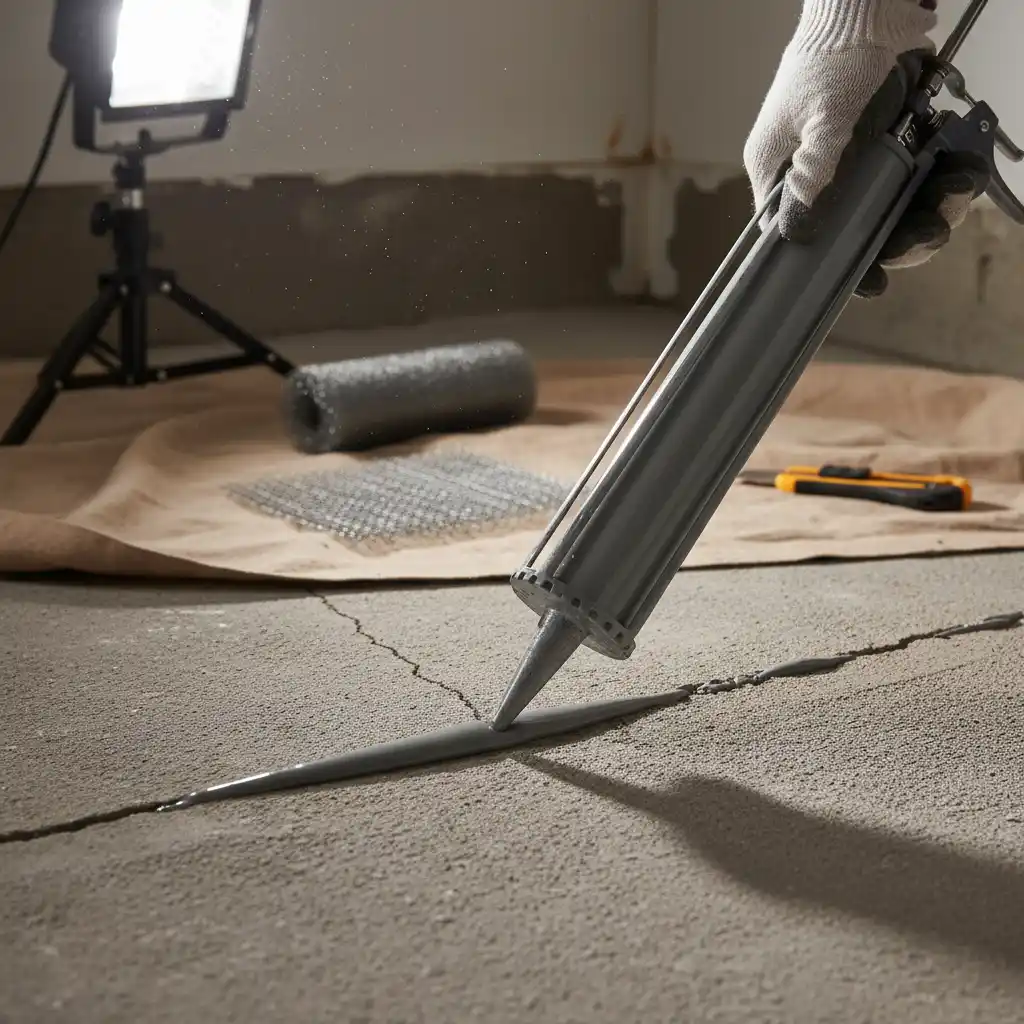
- Foundation Cracks and Gaps: Even hairline cracks can be entry points. Use a high-quality sealant or mortar to fill these. Larger gaps may require steel wool and patch material.
- Utility Lines and Pipes: Areas where pipes, wires, and cables enter the house often have gaps around them. Seal these openings with durable materials like copper mesh, steel wool, or expanding foam, then cover with a concrete patch or caulk.
- Vents and Chimneys: Ensure all vents (laundry, dryer, attic, foundation) have sturdy, tightly fitted screens or grates. Chimneys should have caps to prevent entry.
- Roofline and Eaves: Check for loose shingles, damaged flashing, or gaps where the roof meets the walls. Rats are excellent climbers and will exploit these weaknesses. Repair damaged roofing and seal gaps with appropriate materials.
- Doors and Windows: Install or repair weatherstripping around all doors and windows to eliminate gaps. Check door sweeps at the bottom of exterior doors; they should fit snugly against the threshold. Pay particular attention to garage doors, which often have worn seals.
- Gaps Around Outdoor Faucets and Hose Bibs: Seal these small but critical openings.
- Damaged Siding or Fascia: Repair any holes or rotting wood on your home’s exterior that could provide access.
For sealing materials, consider steel wool, copper mesh, or hardware cloth for larger holes (rodents cannot chew through metal), followed by silicone caulk or expanding foam for a complete seal. Always wear gloves and safety glasses during this process.
DIY Measures vs. Professional Assistance
Many basic sealing tasks can be competently handled by homeowners. However, for complex issues, hard-to-reach areas (like high rooflines), or if you suspect an existing infestation, professional assistance is invaluable. Pest control experts have specialized tools, knowledge, and experience to identify subtle entry points and implement robust, long-lasting solutions. They can also safely and effectively address active rodent populations within your home. Consulting with local experts ensures compliance with regional regulations and provides tailored advice for Auckland’s specific environmental challenges.
For further guidance on managing household pests and public health, the New Zealand Ministry of Health offers valuable resources on preventing disease transmission and maintaining a healthy home environment.
Seasonal Maintenance for Long-Term Rodent-Free Living
Beyond initial winterizing efforts, ongoing seasonal maintenance is crucial for maintaining a rodent-free home in Auckland. Prevention is not a one-time task but a continuous commitment that adapts with the seasons. By integrating these habits into your routine, you create an environment that is consistently unappealing and inaccessible to rodents.
Managing Your Property’s Exterior
The area immediately surrounding your home acts as the first line of defense. Keeping it tidy and inhospitable to rodents significantly reduces their likelihood of attempting entry:
- Trim Vegetation: Cut back tree branches, shrubs, and vines that touch or overhang your roof or walls. These provide easy access points for climbing rodents like roof rats. Maintain a clear perimeter of at least a metre around your home.
- Clear Clutter: Remove piles of wood, rock, old furniture, construction debris, or garden waste from your yard. These provide excellent hiding and nesting sites for rodents. Store firewood neatly stacked on a raised platform, away from the house.
- Secure Rubbish Bins: Use rubbish bins with tight-fitting lids and ensure they are emptied regularly. Store bins away from the house structure. Rodents are highly attracted to food waste.
- Address Drainage Issues: Ensure proper drainage around your foundation. Standing water can attract pests and weaken your home’s structure, creating new entry points over time.
- Compost Bins: If you have compost bins, ensure they are rodent-proof with secure lids and mesh bottoms. Avoid composting meat or dairy products.
- Pet Food Storage: Store pet food in airtight containers, preferably off the ground and away from the house. Clean up any spilled pet food immediately.
Interior Habits for Prevention
Even if your home is well-sealed, certain interior practices can inadvertently attract or sustain a rodent presence. Maintaining a clean and organised indoor environment is vital:
- Food Storage: Store all food, including pet food, in airtight, rodent-proof containers. Avoid leaving food out on counters, especially overnight.
- Cleanliness: Regularly clean up crumbs and spills. Vacuum and sweep floors frequently. Don’t let dirty dishes pile up in the sink.
- Reduce Clutter: Attics, basements, garages, and closets are prime nesting spots if they are full of boxes, old clothes, and other clutter. Organise and store items in sealed plastic containers. This also makes it easier to spot signs of rodent activity.
- Check Seldom-Used Areas: Regularly inspect areas like under sinks, behind appliances, and in pantries, even if you don’t frequently access them.
Monitoring and Early Detection
Even with the most rigorous prevention, occasional rodent activity can occur. Early detection is key to preventing a minor issue from escalating into a full-blown infestation:
- Look for Droppings: Small, dark droppings in cupboards, drawers, or along baseboards are a clear indicator.
- Gnaw Marks: Look for chewed food packaging, wires, or structural elements.
- Noises: Listen for scratching, scurrying, or squeaking sounds, especially at night when rodents are most active.
- Odours: A musky odour can indicate a rodent presence, particularly in confined spaces.
- Tracking Marks: In dusty areas, you might see small footprints or tail drags.
- Use Traps: Strategically place snap traps or bait stations (if used safely and according to instructions) in areas where activity is suspected or in secluded spots to monitor for new arrivals.
By staying vigilant and addressing any signs of rodent activity immediately, Auckland homeowners can maintain a truly rodent-free home throughout the winter and beyond. The Auckland Council provides additional local resources and information on pest control specific to the region’s unique challenges and environment, which can be found on their official website.
For more specific information on local pest management and environmental health, consider visiting the Auckland Council website for local guidelines and advice.

Conclusion: A Proactive Approach to a Rodent-Free Auckland Winter
Successfully navigating winter in Auckland without the unwelcome intrusion of rodents requires more than just reactive measures; it demands a proactive, informed, and diligent approach. By understanding the motivations behind rodent invasions, meticulously sealing your home’s vulnerabilities, and committing to ongoing seasonal maintenance, homeowners can create an impenetrable fortress against these persistent pests. The benefits extend beyond mere comfort, encompassing the preservation of property, the protection of health, and the peace of mind that comes from knowing your home is secure. Embrace these expert prevention tips, and ensure your Auckland home remains a safe, warm, and rodent-free sanctuary throughout the colder months and for years to come.
People Also Ask About Winter Rodent Prevention
When do rodents typically become a problem in Auckland homes?
Rodents in Auckland generally become a significant problem for homeowners as outdoor temperatures drop and food sources diminish, typically starting from late autumn through winter (May to September). They actively seek warmer, sheltered environments with consistent food supplies indoors during these colder months.
What are the most common attractants for rodents to houses in winter?
The primary attractants for rodents during winter are warmth, readily available food sources (like improperly stored pantry items or pet food), water, and safe nesting sites (clutter in attics, basements, or garages). Access to shelter from cold and predators is also a major draw.
Are rats or mice more common invaders in Auckland homes during winter?
Both rats and mice are common invaders in Auckland during winter. Mice are often more numerous and can enter through smaller gaps, while rats, particularly Norway rats and roof rats, are also prevalent and can cause more substantial damage due to their larger size and powerful gnawing capabilities. The specific type often depends on the property’s surroundings and condition.
What are the early signs of a rodent infestation inside my home?
Early signs of a rodent infestation include small, dark droppings (pellet-like for mice, larger for rats), gnaw marks on food packaging, wires, or wooden structures, scratching or scurrying noises in walls or ceilings (especially at night), a musky odour, and disturbed insulation or nesting materials.
Can I prevent rodents effectively without using harsh chemicals?
Yes, effective rodent prevention can largely be achieved without harsh chemicals through exclusion and sanitation. Sealing all entry points, maintaining a clean and clutter-free environment, proper food storage, and managing exterior vegetation are highly effective non-chemical methods. Traps can also be used for monitoring and removal without chemicals.
When should an Auckland homeowner call a professional pest controller for rodent issues?
An Auckland homeowner should call a professional pest controller if they observe persistent or extensive signs of rodent activity, suspect a large or difficult-to-locate infestation, find it challenging to identify and seal all entry points, or have tried DIY methods without success. Professionals offer safe, targeted, and comprehensive solutions, including removal, exclusion, and ongoing monitoring.