The sudden onset of cooler, damp weather often triggers an unwanted migration into our homes and businesses. As temperatures drop, rodents aggressively seek out warmth, shelter, and reliable food sources. This seasonal shift makes professional rat and mice control Auckland services an absolute necessity for property owners looking to protect their investments and their health. Ignoring the early warning signs of a rodent intrusion is a costly mistake that can lead to rapid population growth and severe structural damage.
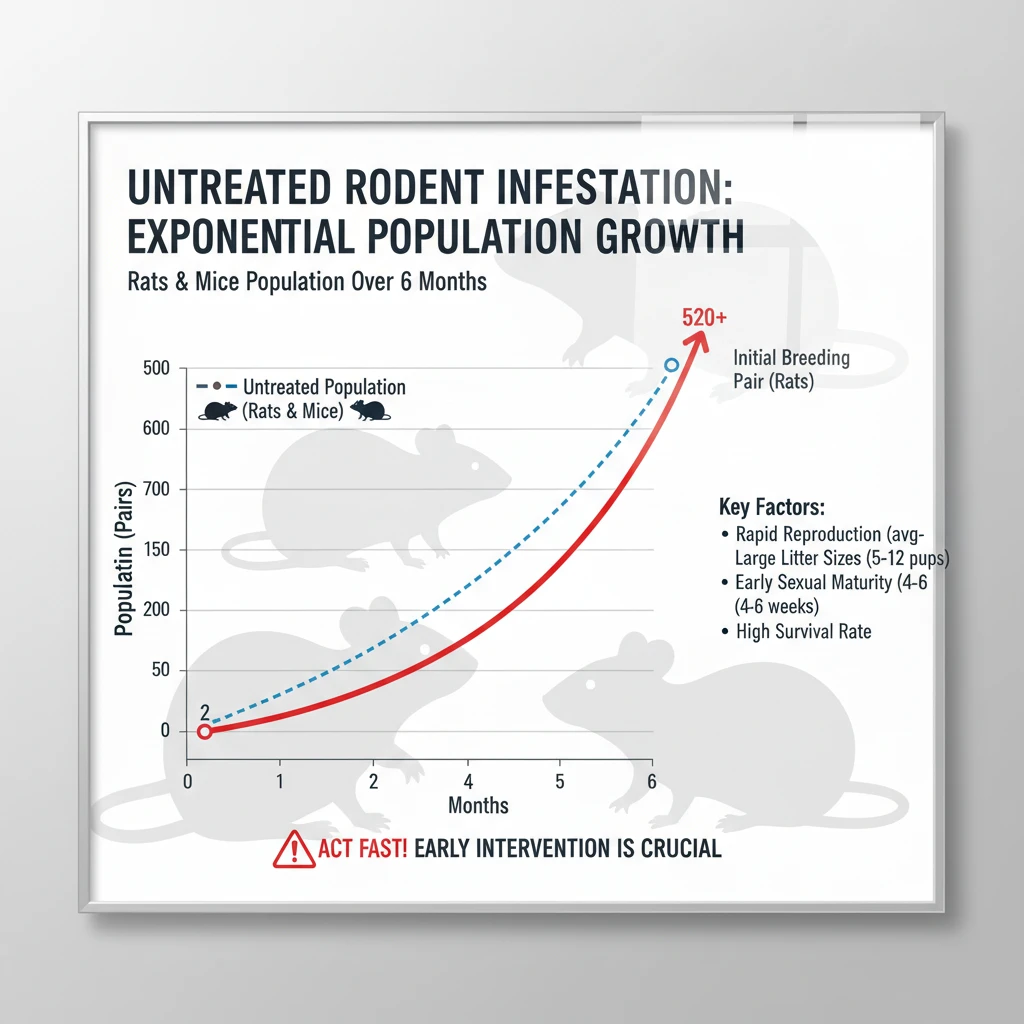
When dealing with these highly adaptable pests, a reactive approach simply is not enough. Rats and mice are prolific breeders; a single pair of mice can produce dozens of offspring in just a few months. By the time you spot a single rodent scurrying across your kitchen floor, a much larger colony is likely already established within your walls, ceiling cavities, or subfloors. Effective intervention requires a strategic, professional approach designed to eliminate the current infestation and prevent future incursions.
Our comprehensive guide explores the critical aspects of rodent management, from early detection and understanding the severe health risks to the proven eradication methods utilised by industry experts. Whether you are managing a heritage villa in Ponsonby or a modern commercial facility in South Auckland, understanding the mechanics of professional pest control will empower you to make the right decisions for your property.
How to Spot a Rodent Infestation in Your Home
Because rodents are primarily nocturnal and highly evasive, property owners rarely see them during the early stages of an infestation. Instead, the presence of rats and mice is usually betrayed by the subtle physical evidence they leave behind in their daily search for food and nesting materials. Knowing exactly what to look for can help you identify a problem before it escalates into a full-blown crisis. Prompt identification is the cornerstone of effective rat and mice control Auckland strategies.
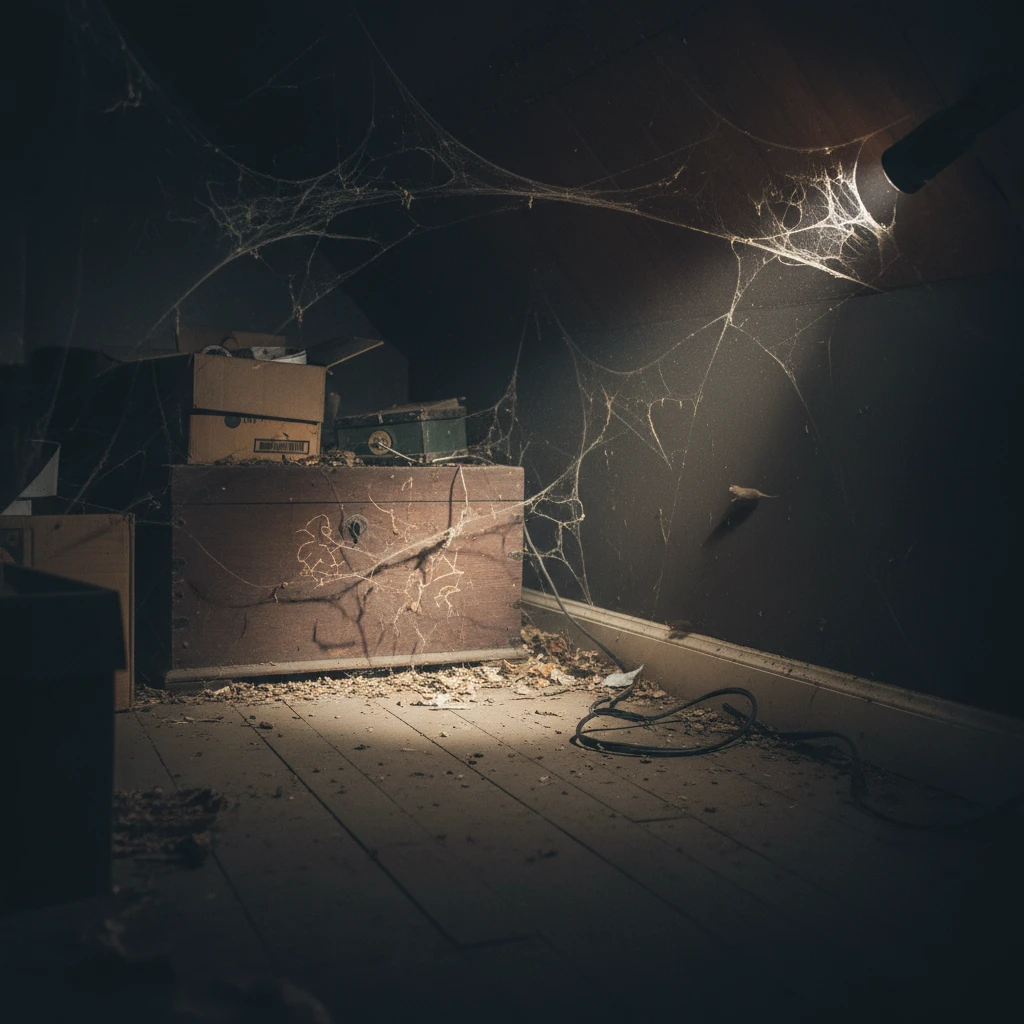
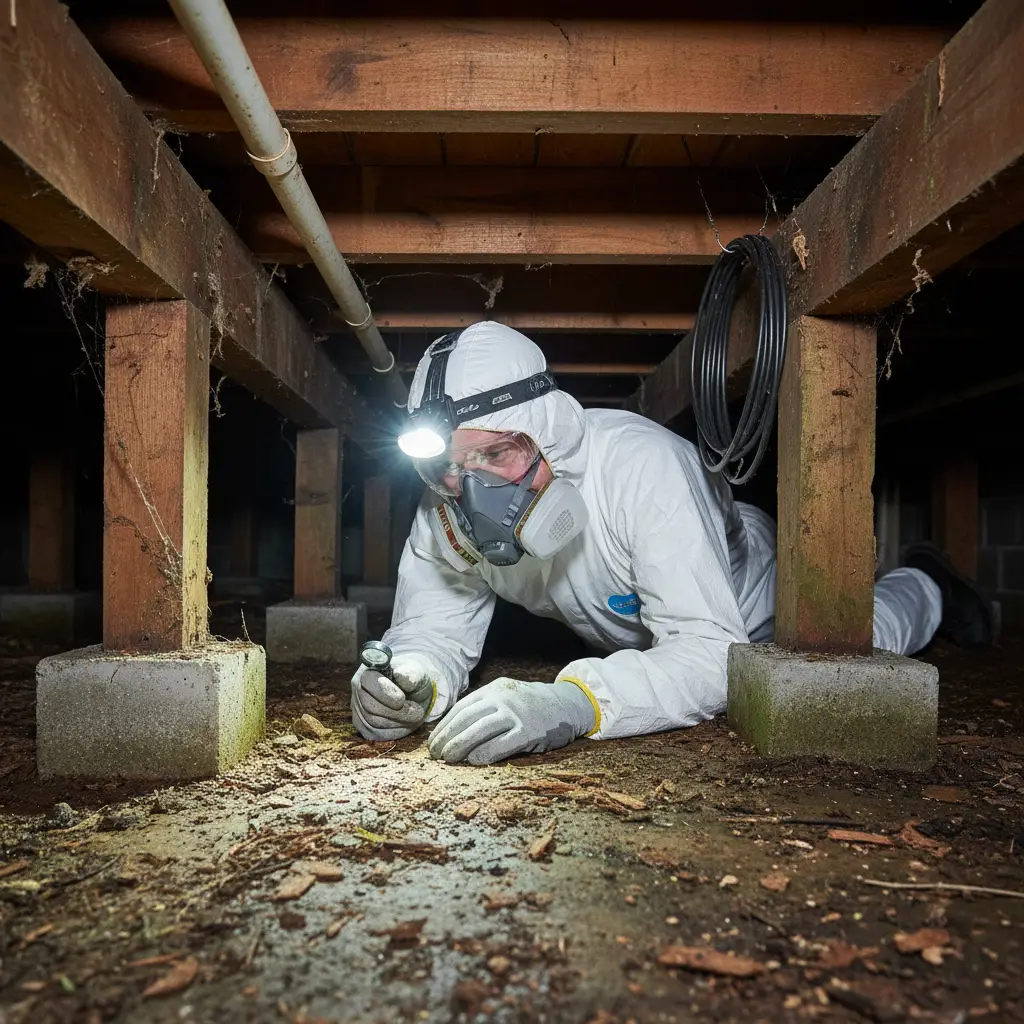
Homeowners should regularly inspect the hidden, less-frequented areas of their properties. Attics, basements, subfloors, and the dark recesses behind large kitchen appliances are prime real estate for nesting rodents. By conducting routine checks of these vulnerability zones, you can spot the telltale signs of pest activity. Here are the primary indicators that you have uninvited guests living in your home.
Identifying Droppings and Urine Trails
The most common and undeniable sign of a rodent infestation is the presence of faecal droppings. Mice produce small, dark droppings that are roughly the size of a grain of rice, often scattered in large quantities near food sources or nesting sites. Rat droppings, conversely, are significantly larger—often resembling a dark jelly bean or a thick spindle—and are typically found in more concentrated groupings. The freshness of these droppings can indicate whether the infestation is currently active.
Grab a bright torch and inspect the back corners of your pantry, underneath the kitchen sink, and behind the refrigerator. If you spot tiny, dark, pellet-like droppings, contact a professional immediately.
In addition to droppings, rodents leave behind urine trails as they navigate your home. These trails serve as scent markers, helping them find their way back to food sources and signaling other rodents to follow. Over time, these urine pillars can emit a distinct, musky, and highly unpleasant odour, especially in enclosed spaces like cupboards or ceiling cavities. If a room suddenly develops a strong, stale smell, a severe infestation is highly probable.
Unexplained Scratching Noises in Walls and Ceilings
Auditory clues are frequently the first warning sign that alerts Auckland homeowners to a pest issue. Because rats and mice are most active during the night, you are most likely to hear them when the house is quiet. The sounds typically consist of light scurrying, scratching, or gnawing noises emanating from within the walls, above the ceiling plasterboard, or beneath the floorboards. These noises are not just annoying; they signify active property damage occurring in real-time.
It is important to differentiate these sounds from normal house settling noises. Rodent sounds are erratic and clearly biological, often moving rapidly from one end of a ceiling cavity to another. Roof rats, a common species in New Zealand, are particularly notorious for nesting high up in residential properties. If you hear what sounds like a frantic scratching above your bedroom at 2 AM, it is time to seek professional intervention.
Gnaw Marks on Wires and Woodwork
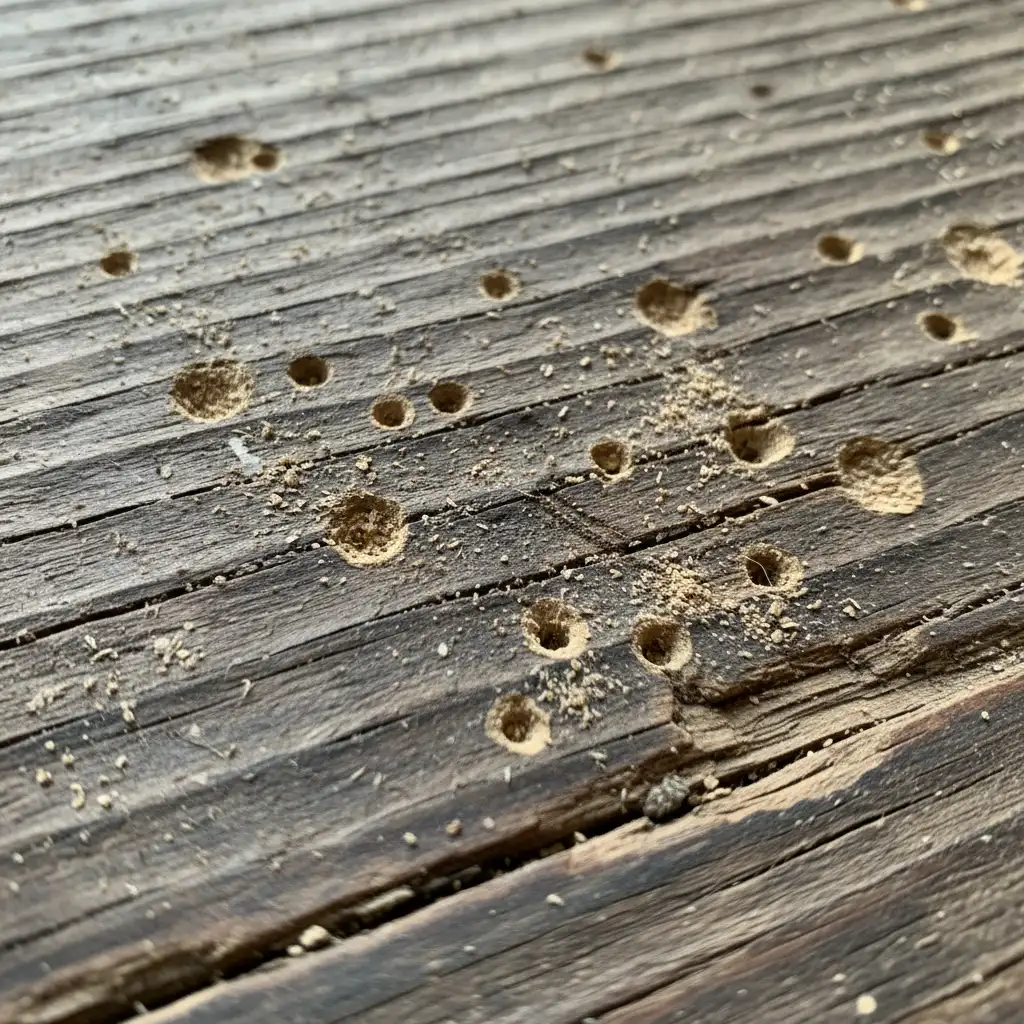
A biological quirk of all rodents is that their front incisor teeth never stop growing throughout their lifespan. To prevent their teeth from overgrowing and piercing their own skulls, rats and mice must constantly chew on hard materials to file them down. This biological necessity makes them highly destructive tenants. They will indiscriminately gnaw on exposed timber framing, plastic plumbing pipes, gib board, and most dangerously, electrical cabling.
Inspect the skirting boards, door frames, and entry points around utility pipes for fresh, light-colored gnaw marks. The size of the teeth marks can often indicate the species; larger, rougher gouges point to rats, while smaller, finer scratches indicate mice. Finding these marks near electrical junction boxes or behind appliances should be treated as an immediate safety emergency.
The Dangers of Rats and Mice in NZ Homes
The threat posed by rodents extends far beyond the mere nuisance of their presence. They are highly destructive creatures that carry severe implications for both human health and property integrity. In the unique climate of Auckland, where damp winters drive rodents indoors, the risks are magnified. Understanding these dangers highlights exactly why rapid rat and mice control Auckland services are non-negotiable for responsible property owners.
Many homeowners underestimate the sheer volume of bacteria and pathogens that a single rodent can introduce into a sterile environment. As they forage across countertops, inside pantries, and over cooking utensils, they leave behind an invisible trail of contamination. Furthermore, the physical damage they cause to a home’s infrastructure can lead to catastrophic financial losses that are frequently not covered by standard home insurance policies.
Never attempt to vacuum dry rodent droppings. This can aerosolise dangerous pathogens, including Hantavirus, allowing them to be easily inhaled into your lungs. Always wear protective gear and use wet cleaning methods.
Disease Transmission (Leptospirosis, Salmonella)
Rodents are notorious vectors for a multitude of serious diseases. In New Zealand, one of the most concerning illnesses spread by rats is Leptospirosis. This bacterial infection is typically transmitted through contact with water, food, or soil that has been contaminated by the urine of infected animals. The symptoms in humans can range from severe flu-like conditions to life-threatening kidney or liver failure if left untreated.
Additionally, the spread of Salmonella is a primary concern when rodents infiltrate food preparation areas. Mice and rats constantly dribble urine and drop faeces as they move, easily contaminating food storage containers and bench-tops. Consuming food tainted by rodent waste leads to severe gastrointestinal distress, food poisoning, and potentially hospitalisation, particularly in vulnerable populations such as children and the elderly.
Fire Hazards from Chewed Electrical Wiring
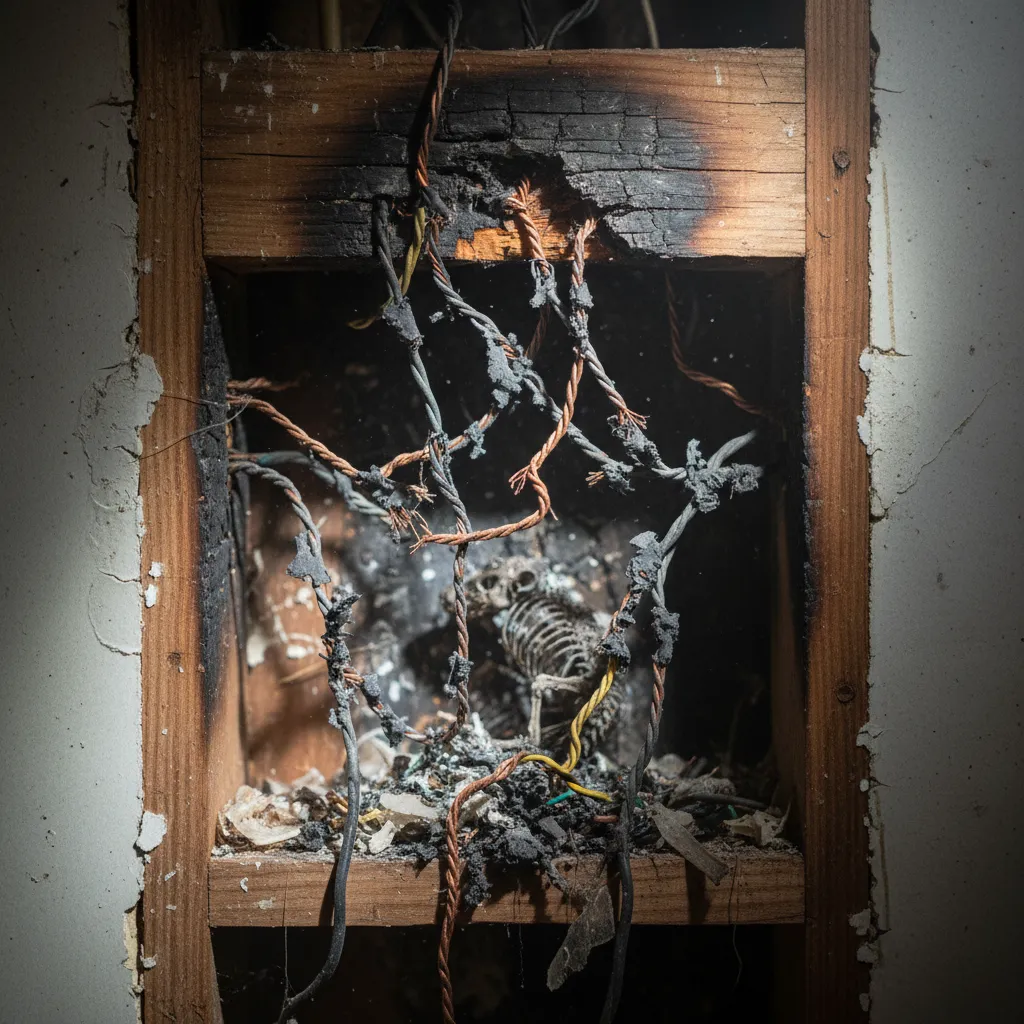
Perhaps the most terrifying risk associated with a rodent infestation is the invisible threat of electrical fires. Because rodents prefer to travel through the hidden voids of a house—such as wall cavities and ceiling spaces—they frequently encounter electrical wiring. Their instinctual need to gnaw often leads them to strip the protective PVC insulation right off the copper wires. This exposes live electrical currents to the surrounding timber framing and insulation materials.
When live wires are exposed, the risk of a short circuit or an electrical arc increases exponentially. Pest control experts and fire investigators estimate that a significant percentage of unexplained house fires are directly attributable to rodent damage. Investing in professional pest control is not just about hygiene; it is a critical fire prevention strategy that protects your family and your most valuable asset.
Our Proven Rodent Eradication Process
Effectively eliminating a rodent population requires a systematic, multi-faceted approach. Amateurs often rely on scattered snap traps or toxic baits purchased from the local supermarket, which rarely solve the root cause of the infestation. Professional rat and mice control Auckland technicians utilize a proven, science-backed methodology that guarantees complete eradication. We focus not just on removing the current pests, but on securing the property against future invasions.
Our process begins with a comprehensive, top-to-bottom inspection of the property to determine the species, the severity of the infestation, and the primary nesting sites. We map out the high-traffic runways and identify every potential ingress point. Armed with this critical intelligence, our licensed technicians deploy a targeted eradication plan tailored specifically to the unique layout of your home or commercial facility.
Strategic Baiting and Trapping Techniques
The core of our eradication phase involves the strategic placement of professional-grade bait stations and traps. Unlike over-the-counter poisons, our rodenticides are formulated to be highly palatable to local rodent populations while ensuring delayed toxicity. This delayed action is crucial; it prevents bait shyness, allowing the rodent to consume a lethal dose and return to the nest, ensuring the wider colony is effectively targeted.
All baits are secured within tamper-proof, lockable stations. This strict safety protocol ensures that the toxic materials are completely inaccessible to children, domestic pets, and non-target wildlife. For situations where baiting is inappropriate—such as sensitive indoor environments or food processing facilities—we utilise advanced, high-impact mechanical trapping systems placed precisely along established rodent runways.
Carcass Removal and Sanitization
A major drawback of DIY poison use is the high likelihood of rodents dying in inaccessible areas, such as deep within wall cavities. This results in horrific, lingering odours and secondary pest infestations, like blowflies and maggots. Professional pest technicians carefully monitor the baiting program and, whenever possible, locate and remove deceased rodents promptly. We manage the entire lifecycle of the eradication process.
Following the successful removal of the rodent population, sanitization is the next vital step. We treat the highly trafficked areas with professional-grade disinfectants to neutralize lingering pathogens, bacteria, and the pheromone trails left behind by the pests. Eliminating these scent trails is vital, as leftover pheromones act as a beacon, signaling to outside rodents that your home is a viable habitat.
Exclusion, Proofing, and Sealing Entry Points
Eradication is only half the battle; exclusion is what provides long-term peace of mind. Mice can squeeze through gaps as small as a pen cap (roughly 6mm), while adult rats can compress their bodies to fit through holes the size of a 10-cent coin. Our technicians conduct a rigorous exterior audit to identify these minuscule vulnerabilities around your foundation, roofline, vents, and utility penetrations.
We use specialized materials such as stainless steel wire mesh, expanding pest-block foam, and heavy-duty sealants. Standard expanding foam is easily chewed through by rodents and is not an effective long-term barrier.
By systematically sealing off these ingress points, we effectively fortify your home against future incursions. This process, known as ‘rodent proofing’, is the ultimate defense mechanism. Combined with ongoing advice regarding vegetation management and waste storage, our exclusion techniques ensure that once the rodents are gone, they stay gone for good.
Why DIY Rodent Control Often Fails
When faced with a pest issue, many homeowners initially turn to DIY solutions in an attempt to save money. However, hardware store snap traps and generic baits usually act as a mere band-aid over a much larger wound. Rodents are highly intelligent and exhibit ‘neophobia’—a fear of new objects in their environment. They will actively avoid poorly placed traps, rendering DIY efforts largely ineffective while the hidden colony continues to multiply.
Furthermore, improper application of store-bought poisons poses a massive risk to household pets and native wildlife through secondary poisoning. If a cat or an owl consumes a rodent that has ingested cheap, fast-acting bait, the predator can also suffer fatal consequences. Professional services mitigate these risks entirely through targeted application and the use of specialized, safer formulations.
| Feature | DIY Methods | Professional Control |
|---|---|---|
| Effectiveness | Low – Only catches a few individuals. | High – Eliminates the entire colony. |
| Safety | High risk to pets and children if unsecured. | 100% secured in tamper-proof lockable stations. |
| Long-Term Cost | High – Recurring purchases and property damage. | Low – One-time investment prevents future damage. |
| Exclusion & Proofing | Rarely performed correctly. | Comprehensive sealing of all entry points. |
If you insist on using traps temporarily, do not set them immediately. Place unset traps with bait for a few days to overcome the rodents’ natural suspicion before activating the trigger.
Auckland Rodent Control Costs and Pricing
Understanding the financial investment required for professional pest management helps homeowners make informed decisions. The cost of rat and mice control in Auckland varies based on several key factors. The primary determinants are the size of the property, the severity and extent of the infestation, and the specific structural challenges involved in proofing the home. A sprawling lifestyle block in Coatesville will naturally require more resources than a compact townhouse in Mount Eden.
Typically, a standard residential rodent treatment involves an initial inspection, the deployment of secure bait stations, and a follow-up visit to monitor progress and remove carcasses. For severe infestations, a more intensive program involving extensive exclusion work and environmental sanitization may be required. Most professional companies provide a transparent, upfront quote after the initial site assessment, ensuring there are no hidden surprises.
While hiring an expert requires an upfront cost, it is crucial to view this as an investment in property protection. The cost of replacing rodent-chewed electrical wiring, repairing soiled insulation, or treating a family member for a rodent-borne illness far outweighs the price of a professional exterminator. Quality pest control provides guaranteed results and long-term peace of mind.
Schedule Immediate Rodent Removal Services
Do not wait for a minor rodent sighting to escalate into a full-scale structural and health crisis. Rats and mice are relentless, and every day you delay allows their population to multiply within your walls. Taking decisive action is the only way to protect your home, your family, and your peace of mind from these destructive pests.

Our team of certified and highly experienced technicians is ready to deploy rapidly across the greater Auckland region. We utilize industry-leading techniques, prioritize the safety of your household, and guarantee our eradication results. Contact us today to schedule a comprehensive property inspection and take the first step towards a completely rodent-free environment.
Frequently Asked Questions (People Also Ask)
Verified Sources & References
-
Ministry of Health NZ – Leptospirosis
The official New Zealand Ministry of Health guide detailing the transmission, symptoms, and severity of Leptospirosis, a key disease spread by rodents in NZ.
-
Consumer NZ – Pest Control Guide
An independent consumer advocacy organisation providing credible advice on hiring pest control professionals and the limitations of DIY methods in New Zealand.
-
Wikipedia – Brown Rat (Rattus norvegicus)
A comprehensive, peer-reviewed overview of the Brown Rat’s biology, behavior, and reproductive capabilities, explaining why they are such prolific pests.