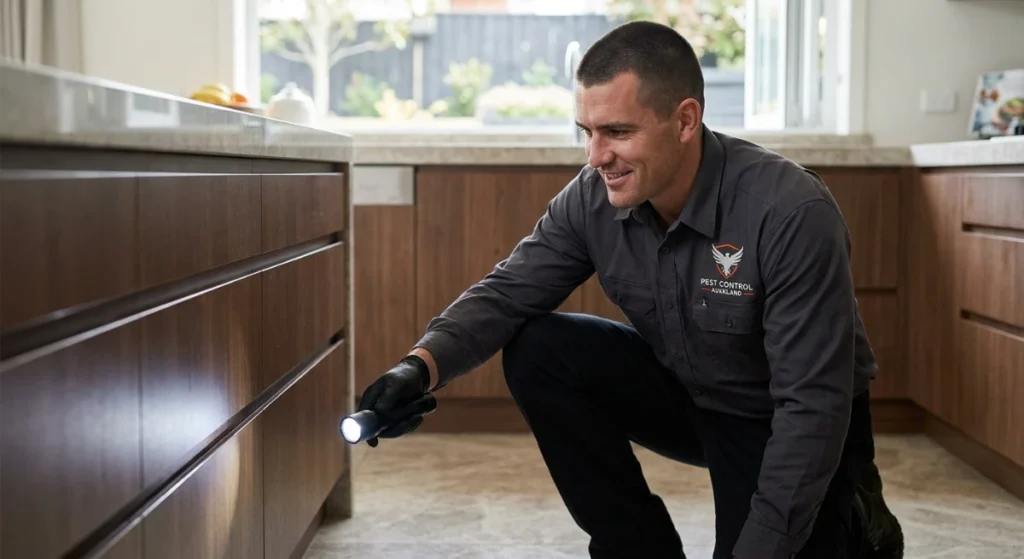
Auckland’s unique subtropical climate is undoubtedly beautiful, but it also creates the perfect year-round breeding ground for a variety of crawling insects. From relentless ant trails marching through your kitchen to sudden, unsettling cockroach encounters in the bathroom, managing these pests is an ongoing challenge for homeowners. Effective insect control Auckland residents can truly rely on requires far more than just off-the-shelf, temporary bug sprays. It demands a highly scientific approach, a deep understanding of local insect biology, and targeted eradication strategies.
When infestations take hold, they can compromise the hygiene of your home, trigger allergies, and cause significant distress for your family. Professional pest management focuses on breaking the breeding cycle rather than just killing the bugs you can see. By utilizing advanced, eco-friendly treatments, modern exterminators can protect your property without exposing your loved ones or pets to harsh chemicals. This comprehensive guide explores the most effective, professional methods for managing ants, spiders, and cockroaches across the Auckland region.
Targeted Treatments for Common Crawling Insects
Not all insects respond to the same eradication methods, making species identification the crucial first step in any pest control program. Applying a generic insect spray to an ant colony, for instance, can sometimes make the problem worse by causing the colony to fracture and multiply. Professional technicians are trained to identify the specific pests invading your property and tailor their chemical formulations accordingly. This targeted approach ensures maximum efficacy while minimizing the volume of insecticide needed within your living spaces.
Argentine Ant and White-Footed House Ant Eradication
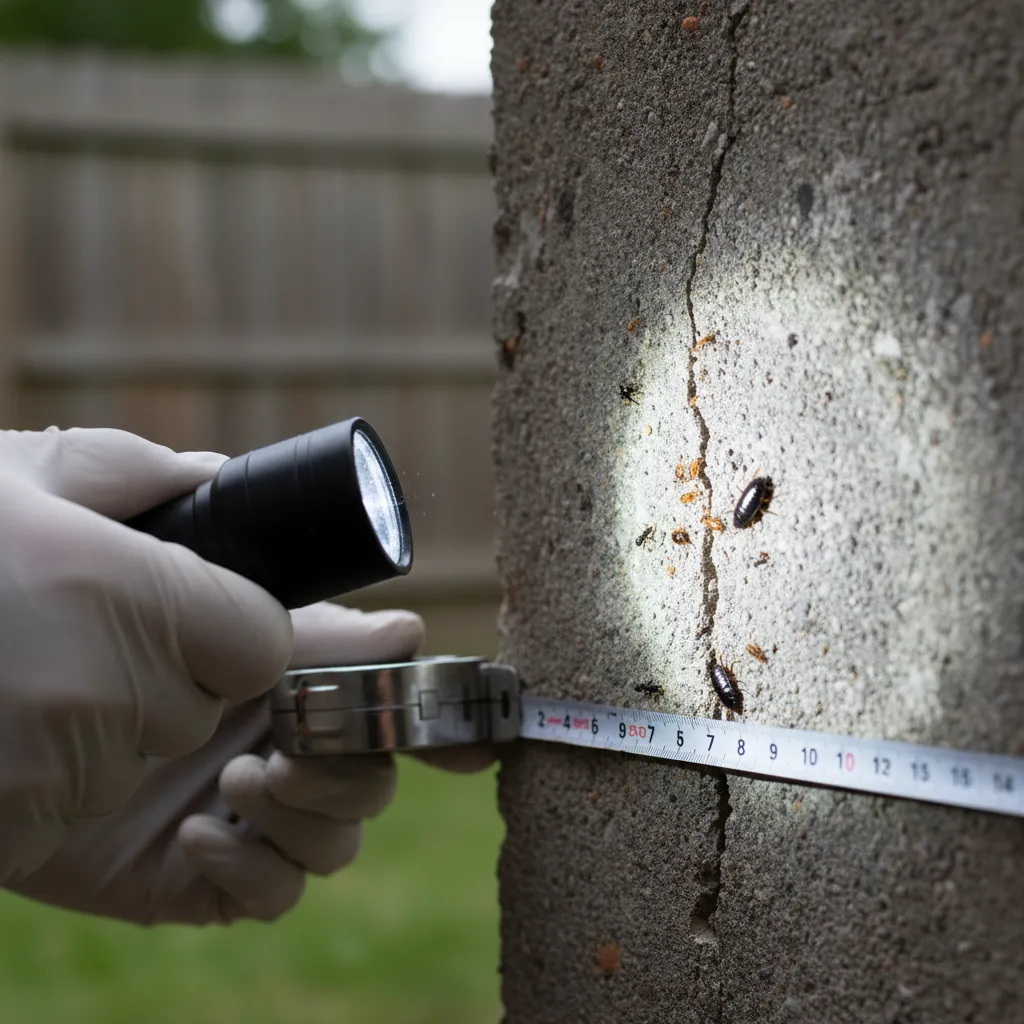
Auckland is particularly prone to infestations of Argentine ants and White-footed house ants, both of which are notoriously difficult to eradicate. Unlike many ant species that rely on a single queen, Argentine ants form massive, interconnected “super-colonies” with multiple queens. If they sense a toxic threat from a harsh repellent spray, the queens will scatter, creating entirely new satellite nests around your property. This biological defense mechanism is known as “budding,” and it is the primary reason DIY ant sprays frequently fail.
Professionals use non-repellent liquid treatments for ants. The ants cannot detect the chemical, allowing them to walk through it, carry it back to the nest, and unknowingly infect the queens and the rest of the colony.
White-footed house ants are similarly problematic because they love to nest inside wall voids, electrical sockets, and ceiling cavities. They are highly attracted to sweet substances and will relentlessly forage through your pantry if given the chance. To combat these species, exterminators rely heavily on specialized protein and sugar-based gel baits. Worker ants consume this bait and regurgitate it to feed the larvae and queens, effectively collapsing the colony from the inside out over a period of several days.
White-Tail Spider and Webbing Spider Spraying
Spiders are a common source of anxiety for many Auckland residents, particularly the notorious White-tail spider. Unlike traditional webbing spiders that stay in one place to catch their prey, White-tails are nomadic hunters that actively roam through your home at night. Interestingly, their primary food source is actually other spiders, particularly the grey house spider. Therefore, the most effective way to control a White-tail infestation is to eliminate their food supply by eradicating the webbing spiders around your property.
While their bite is rarely lethal, White-tail spider bites can cause severe localized pain, swelling, and in some cases, mild tissue irritation. Always shake out clothing and shoes left on the floor before wearing them.
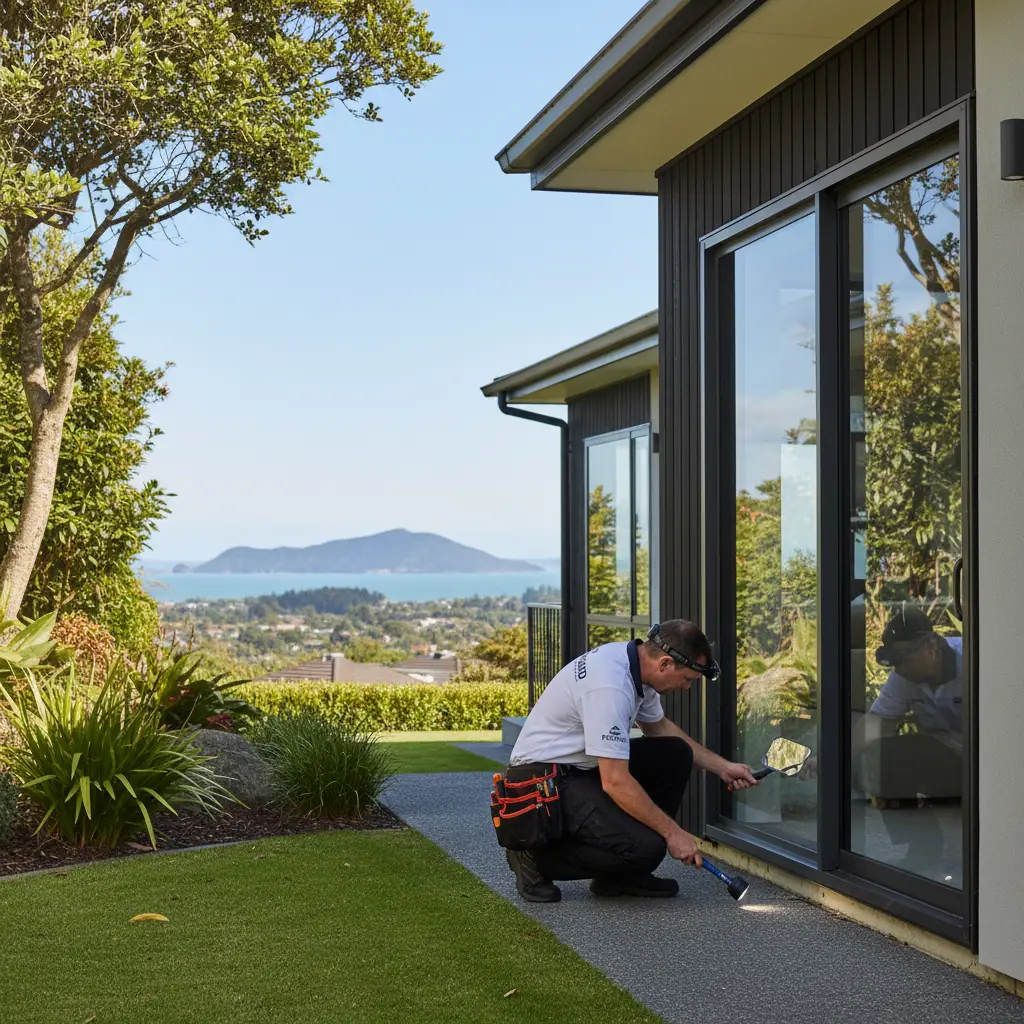
Professional spider control involves applying a targeted residual insecticidal spray to the exterior eaves, gutters, downpipes, and window frames of your home. Indoors, technicians will treat the corners of rooms, skirting boards, and behind large furniture where spiders love to hide. Because spiders “tiptoe” rather than drag their bodies across surfaces, the chemical formulation must be specifically designed to adhere to their legs. This ensures that even a brief walk across a treated surface is enough to deliver a lethal dose.
German and Gisborne Cockroach Extermination
Cockroaches are perhaps the most despised household pest, known for spreading bacteria like Salmonella and E. coli across food preparation surfaces. In Auckland, the two most common culprits are the small, indoor-dwelling German cockroach and the larger, outdoor-dwelling Gisborne cockroach. Understanding the distinct behaviors of these two species is critical for effective eradication. German cockroaches reproduce at an alarming rate and thrive in the warm, humid microclimates found behind refrigerators, dishwashers, and hot water cylinders.

Conversely, the Gisborne cockroach is a native species that typically lives outside in decaying wood, bark gardens, and under heavy leaf litter. They usually only venture indoors when the weather becomes exceptionally wet or cold, seeking temporary shelter. Because their habitats are so different, the treatment strategies must also diverge. Below is a breakdown of how professionals approach these two distinct pests.
| Feature | German Cockroach | Gisborne Cockroach |
|---|---|---|
| Primary Habitat | Indoors (Kitchens, bathrooms, appliances) | Outdoors (Woodpiles, bark, leaf litter) |
| Size & Appearance | Small (1.5cm), light brown with two dark stripes | Large (up to 4.5cm), dark brown/black with white stripes |
| Breeding Rate | Extremely fast (Exponential growth) | Relatively slow |
| Treatment Method | Strategic gel baits, insect growth regulators (IGRs) | Exterior perimeter sprays, granular baits in gardens |
Understanding Auckland’s Insect Breeding Cycles
To achieve long-lasting insect control in Auckland, it is essential to understand the seasonal rhythms of local pest populations. Insects are highly sensitive to changes in temperature, humidity, and daylight hours. As the seasons shift, their behaviors change dramatically, moving from rapid reproduction and aggressive foraging to seeking shelter and entering states of dormancy. A proactive pest control plan anticipates these seasonal shifts and applies preventative treatments before the population peaks.

Summer Ant Invasions
During the warm, humid months of an Auckland summer, insect metabolism accelerates dramatically. Ants reach their peak foraging activity during this time, driven by the need to feed rapidly expanding colonies. The heat causes the soil to dry out, prompting ants to venture indoors in search of reliable water sources, frequently ending up around kitchen sinks and bathroom drains. This is the critical window for applying exterior barrier sprays to prevent them from breaching the perimeter of your home.
Winter Cockroach Sheltering
Conversely, as the crisp Auckland winter sets in, outdoor temperatures drop and heavy rains saturate the ground. This hostile outdoor environment forces many insects, particularly spiders and Gisborne cockroaches, to seek refuge indoors. They squeeze through weep holes, gaps under doors, and poorly sealed windows to find warmth and dry shelter within your wall voids. Winter pest control strategies pivot toward interior management, focusing on sealing entry points and treating internal roof cavities.
Don’t wait for the first winter storm to address pest issues. Applying an exterior barrier treatment in late autumn can stop sheltering insects from ever crossing your threshold when the weather turns bad.
Eco-Friendly Insecticide Applications
The pest control industry has evolved significantly over the past two decades, moving away from harsh, broad-spectrum chemicals toward highly targeted, eco-friendly solutions. Today’s professional insecticides are meticulously engineered to be lethal to cold-blooded insects while remaining exceptionally safe for mammals, including humans and household pets. These modern formulations are rigorously tested and approved by New Zealand’s Environmental Protection Authority (EPA), ensuring they meet strict safety and environmental standards.

Interior Perimeter Spraying
Interior treatments primarily utilize synthetic pyrethroids, which are man-made versions of natural insect-repelling compounds found in chrysanthemum flowers. These sprays are applied to the very edges of rooms, along skirting boards, and behind large appliances. They dry quickly, leave no visible residue, and do not produce harsh, lingering odors. Once the product has dried, it binds tightly to the surface, meaning it will not become airborne or pose an inhalation risk to your family.
When professionals treat your home’s interior, you simply need to keep pets and children out of the treated rooms until the spray is completely dry (usually 1 to 2 hours). After drying, the areas are entirely safe to use normally.
Exterior Barrier Treatments
Creating a robust exterior defense is the most effective way to achieve long-term insect control in Auckland. Technicians apply specialized, micro-encapsulated sprays to the foundation, exterior walls, and eaves of your home. Micro-encapsulation technology protects the active ingredient inside tiny, weather-resistant capsules that slowly release the insecticide over several months. This advanced formulation prevents the treatment from being immediately washed away by Auckland’s frequent rain showers, providing enduring protection.
Gel Baits and Dusting Methods
For sensitive areas where liquid sprays are inappropriate, such as inside kitchen cabinetry, around electrical outlets, or within ceiling voids, professionals utilize gel baits and insecticidal dusts. Gel baits are applied in tiny, inconspicuous dots inside cupboards and hinges, serving as highly attractive food sources for roaches and ants. Insecticidal dusts are blown deep into wall cavities and roof spaces using specialized applicators. These dusts settle into the dark, hidden voids where insects breed, ensuring complete eradication without disrupting your living space.
Preventative Insect Control Strategies for Homeowners
While professional treatments provide the heavy lifting in pest eradication, homeowners play a vital role in maintaining a bug-free environment. Insects are ultimately driven by three basic needs: food, water, and shelter. By systematically removing access to these necessities, you can drastically reduce the likelihood of a re-infestation. Implementing a few simple, routine property maintenance habits will naturally deter ants, spiders, and cockroaches from settling on your premises.
- Seal Entry Points: Inspect your home’s exterior and use silicone caulking to seal cracks around window frames, pipe penetrations, and foundation gaps.
- Manage Moisture: Repair leaking taps, ensure proper drainage away from the foundation, and use dehumidifiers in damp areas to eliminate the water sources insects crave.
- Trim Vegetation: Cut back tree branches and dense shrubs so they do not touch the exterior walls or roof of your home, effectively cutting off “pest bridges.”
- Store Food Securely: Keep all pantry items in airtight glass or thick plastic containers, and never leave pet food sitting out overnight.
- Reduce Clutter: Clear away stacks of old cardboard boxes, newspapers, and unused firewood, which provide ideal harboring environments for spiders and cockroaches.
Get a Customized Insect Control Quote
Ignoring a minor insect problem today almost guarantees a major infestation tomorrow. Because insect populations can explode in a matter of weeks under the right conditions, swift, professional intervention is always the most cost-effective solution. Don’t waste time and money on ineffective supermarket sprays that only provide a temporary band-aid for a much deeper issue.
If you are struggling with ants, spiders, or cockroaches in your home, it is time to call in the experts. A professional pest technician will conduct a thorough inspection of your property, identify the specific species causing the issue, and design a targeted eradication plan tailored to your home’s unique layout. Secure your peace of mind and protect your family’s health by requesting a comprehensive insect control assessment today.
People Also Ask (FAQ)
Verified Sources & References
-
Pest Management Association of New Zealand (PMANZ)
The leading industry body for pest control professionals in New Zealand, setting the standards for safe, ethical, and effective pest management practices.
-
Ministry for Primary Industries (MPI) NZ
The New Zealand government department responsible for biosecurity and managing the risks of invasive pests and insects across the country.
-
Auckland Council Pest Management
The local government authority providing regional guidelines, biosecurity rules, and advice on managing common household and environmental pests in Auckland.