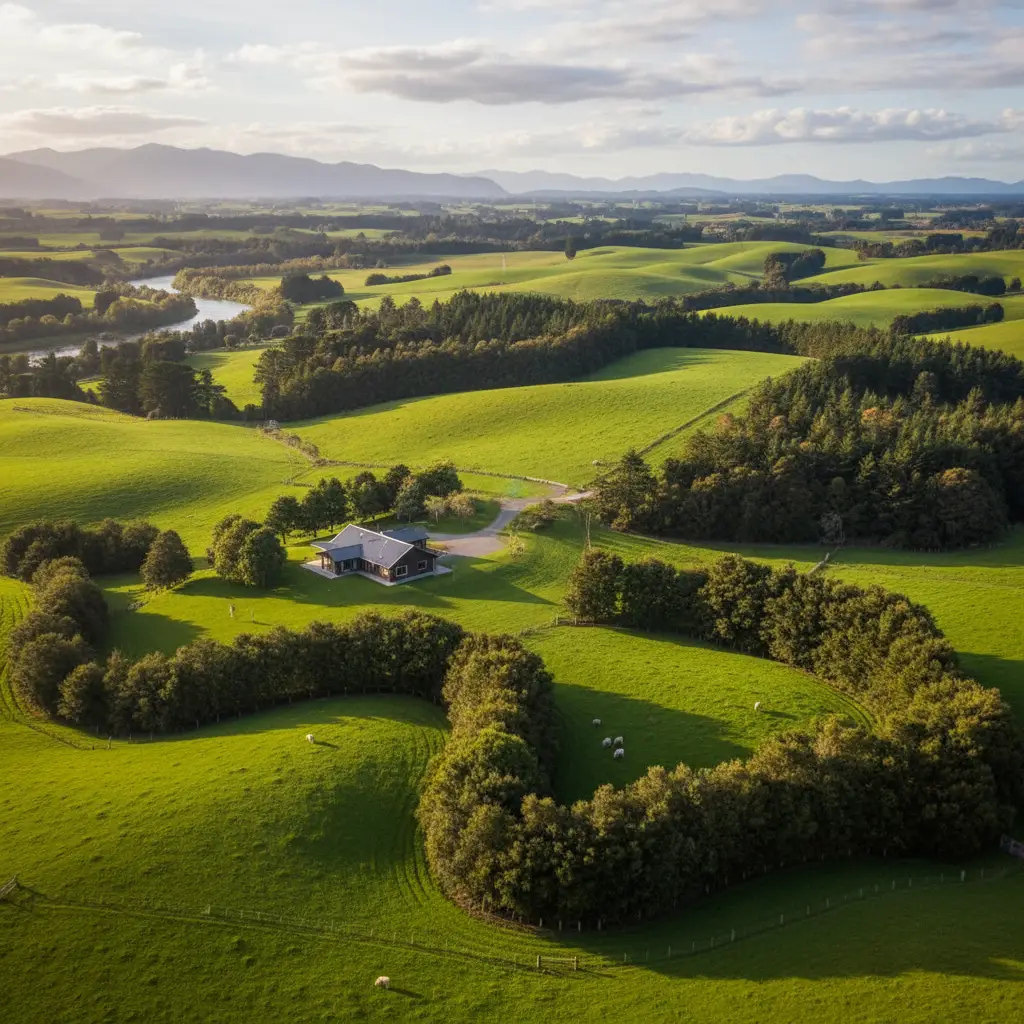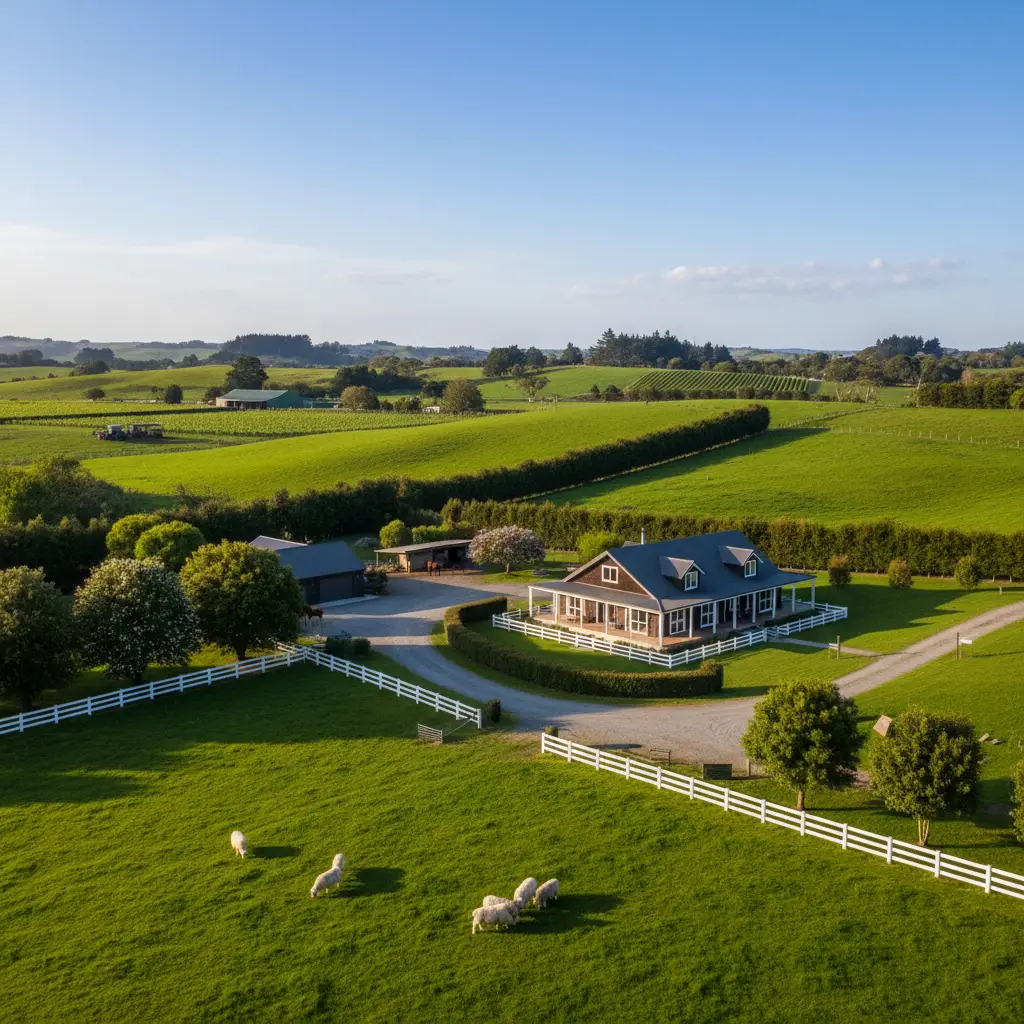
The Franklin district is a stunning blend of rolling farmland, coastal edges, and dense native bush. However, this diverse and beautiful ecosystem is also an absolute paradise for invasive pests.
From the rugged Awhitu Peninsula to the lush Hunua Ranges, rural property owners face a constant, year-round battle against predators. Possums, rats, and mustelids relentlessly threaten both agricultural productivity and vulnerable native wildlife.
Standard urban pest control advice simply does not work in these expansive environments. Managing a lifestyle block or a large-scale farming operation requires a highly localized, systematic approach to achieve real results.
Implementing Seasonal Pest Prevention for Franklin Rural Properties: Year-Round Strategies is essential for protecting local biodiversity and your valuable agricultural assets. By understanding the unique breeding cycles and behavioral patterns of local pests, you can stay one step ahead of infestations.
Key Takeaways
Effective seasonal pest prevention for Franklin rural properties requires targeting possums, rats, and mustelids based on local breeding cycles. Key strategies include aggressive winter trapping when food is scarce, spring baiting to protect nesting native birds, and utilizing smart-trap technology to manage large rural landscapes efficiently.
Understanding its role in Rural Pest Control Franklin
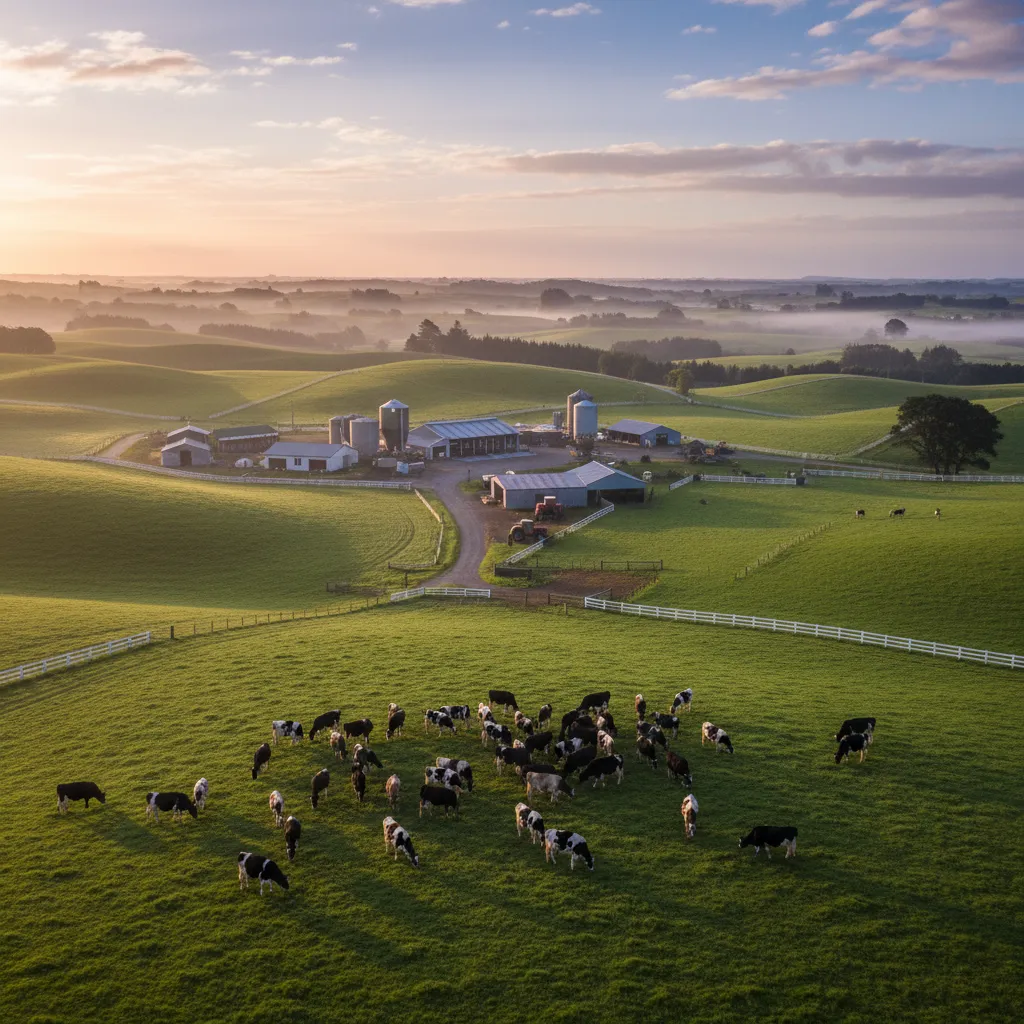
The Franklin district presents unique challenges for pest management due to its vast size and varied terrain. Bordering the Auckland and Waikato regions, it contains significant ecological treasures that require constant protection. The Hunua Ranges, for instance, are home to endangered native species like the kōkako, which are highly vulnerable to predators.
Effective Rural Pest Control Franklin initiatives are heavily supported by local community groups and the Auckland Council. The Auckland Regional Pest Management Plan explicitly identifies possums, rats, and mustelids as primary threats to both conservation and local agriculture. Without targeted, ongoing intervention, these pests decimate native bird populations and damage valuable commercial crops.

To illustrate the sheer scale of the problem, recent community trapping data from Predator Free Franklin highlights the massive volume of invasive species in the area. In a single reporting period, thousands of pests were removed from the local ecosystem by dedicated rural property owners. Possums and mice consistently top the catch rates across rural properties, proving the need for aggressive management.
When developing Seasonal Pest Prevention for Franklin Rural Properties: Year-Round Strategies, you must account for this localized data. Knowing exactly which pests are most prevalent allows you to allocate your resources, traps, and bait far more effectively.
Core Concept: Franklin-Specific Seasonal Cycles
Existing seasonal pest guides often focus on urban Auckland homes, dealing primarily with household rodents and ants. However, rural properties in Franklin operate on an entirely different agricultural and environmental cycle. Large tracts of land, diverse vegetation, and livestock create a complex environment that pests easily exploit.
A core component of Seasonal Pest Prevention for Franklin Rural Properties: Year-Round Strategies involves adapting your methods to the changing weather and natural food availability. Pests alter their behavior drastically depending on the season, meaning your trapping approach must evolve alongside them.
By aligning your trapping and baiting efforts with the seasons, you maximize your catch rates while minimizing unnecessary labor. Let us break down the specific strategies required for each season on a Franklin lifestyle block or commercial farm.
Spring (September to November): Protecting the Breeding Season
Spring is a critical time for native bird breeding in areas like the Hunua Ranges and coastal shell-banks. Unfortunately, it is also the peak breeding season for rats and possums, who actively hunt for vulnerable bird eggs and chicks. Your primary focus during these months should be aggressive predator suppression.
Native birds like the tūī and kererū are highly vulnerable in spring. Failing to control rats and mustelids now will result in devastating losses to local bird populations.
During spring, natural food sources begin to flourish, meaning pests might ignore standard, stale bait. You need to use highly attractive, fresh lures to draw them into your traps instead of natural food sources.
- Refresh bait stations frequently with fresh, high-protein lures like peanut butter or specialized possum dough.
- Clear spring weed growth around trap lines to ensure traps remain accessible and highly visible to pests.
- Monitor traps weekly, as the increased pest activity will result in higher catch rates that need clearing promptly.
Summer (December to February): Managing Wasps and Rabbits
As temperatures peak in Franklin, the pest profile shifts significantly across rural properties. Wasps become a major hazard for rural property owners, threatening both human safety and the wellbeing of livestock. Meanwhile, rabbit populations can explode rapidly in dry conditions.
Rabbits cause severe damage to pasture and newly planted crops, directly impacting agricultural yields. Summer is the ideal time to target wasp nests before they reach their maximum size in late February.

For rabbits, coordinated night shooting or the installation of specialized exclusion fencing are the most effective long-term control methods. Additionally, ensure water troughs are kept clean, as they can attract a wide variety of unwanted animals during severe summer dry spells.
Autumn (March to May): The Indoor Migration
As the weather cools down heading into autumn, rodents begin seeking warm, dry places to nest and breed. This is the exact time when mice and rats will attempt to infiltrate barns, feed sheds, and rural homes. Securing your infrastructure is the most critical task during this transitional season.
Seal all gaps around barn doors, store animal feed in chew-proof metal containers, and deploy bait stations around the perimeter of all outbuildings.
Autumn is also an excellent time to ramp up your possum targeting efforts. They are busy foraging to build vital fat reserves for the upcoming winter, making them highly susceptible to targeted trapping along bush lines. Deploying fresh lures now will yield excellent results.
Winter (June to August): The Golden Window for Trapping
Winter is widely considered the most effective season for pest control in rural New Zealand. Natural food sources like berries, seeds, and insects are incredibly scarce in the native bush. Because pests are literally starving, they are far more likely to enter traps and consume bait.
To succeed with your Seasonal Pest Prevention for Franklin Rural Properties: Year-Round Strategies, consistency during winter is absolutely key. By heavily reducing the pest population now, you prevent a massive breeding explosion when spring arrives.
Focus your winter trapping efforts on deep bush areas and along waterways where pests naturally travel. Ensure your traps are cleared regularly, as the high catch rates can quickly render a trap line inactive if left unattended.

Best Practices & Implementation
Implementing a successful pest management plan requires more than just buying a few traps from the local hardware store. In the expansive rural environment of Franklin, property owners must utilize smart technology and strategic placement. Traditional trapping methods often fall short when dealing with hundreds of hectares of challenging terrain.
Local conservation groups have pioneered the use of advanced trapping systems to overcome these exact hurdles. For example, the Tāwhiti Smart Cage was developed specifically to address the unique environmental challenges of the Franklin district. These smart traps represent a massive leap forward in rural pest management.
These modern systems use remote monitoring technology to alert owners instantly when a catch is made. This drastically reduces the time spent checking empty traps, allowing farmers to focus on their actual agricultural work.
Investing in remote-monitored smart traps can save rural property owners hours of labor each week, ensuring that traps are only serviced when absolutely necessary.
Comparing Trapping Methods in Rural Settings
When deciding how to protect your property, you must carefully weigh the pros and cons of different control methods. The table below compares traditional trapping with modern smart trapping solutions used across the Franklin area.
| Feature | Traditional Trapping (e.g., DOC200) | Smart Trapping (e.g., Tāwhiti Cage) |
|---|---|---|
| Labor Requirement | High (requires manual checking weekly) | Low (alerts sent directly to smartphone) |
| Initial Cost | Low to Moderate | High (upfront investment in tech) |
| Species Targeting | Specific (often triggered by wrong species) | Versatile (live capture allows safe release of non-targets) |
| Data Collection | Manual logging required | Automated tracking via Trap.nz |
Community Collaboration and Environmental Management
Pests do not respect property boundaries in rural environments. If you are trapping diligently but your neighbor is not, your property will constantly be reinvaded by migrating pests. This is exactly why community collaboration is vital for long-term success in the Franklin district.
Joining local initiatives, such as Whakaupoko Landcare or Predator Free Franklin, provides access to shared resources, subsidized traps, and expert advice. These groups have successfully increased native bird populations, such as tūī and kererū, by coordinating landscape-scale pest control efforts.
The Auckland Council often provides funding and resources for community-led pest management initiatives. Check the local board plan for available environmental grants in 2025/2026.
Furthermore, environmental management plays a massive role in natural pest deterrence. Clearing thick scrub, managing riparian margins properly, and removing inorganic rubbish deprives pests of safe nesting habitats. A clean, well-maintained farm is inherently less attractive to invasive species.

Conclusion
Protecting your rural lifestyle block or farm from invasive species is an ongoing, year-round commitment. Relying on reactive measures once a massive infestation occurs is costly and highly detrimental to the local environment.
We hope this guide to Seasonal Pest Prevention for Franklin Rural Properties: Year-Round Strategies empowers you to take proactive control. By understanding the seasonal behaviors of possums, rats, and mustelids, you can deploy your resources when they will be most effective.
Whether you utilize traditional traps or invest in modern smart-cage technology, consistency is the ultimate key to success. Start planning your seasonal strategy today, and enjoy a pest-free rural property all year long.