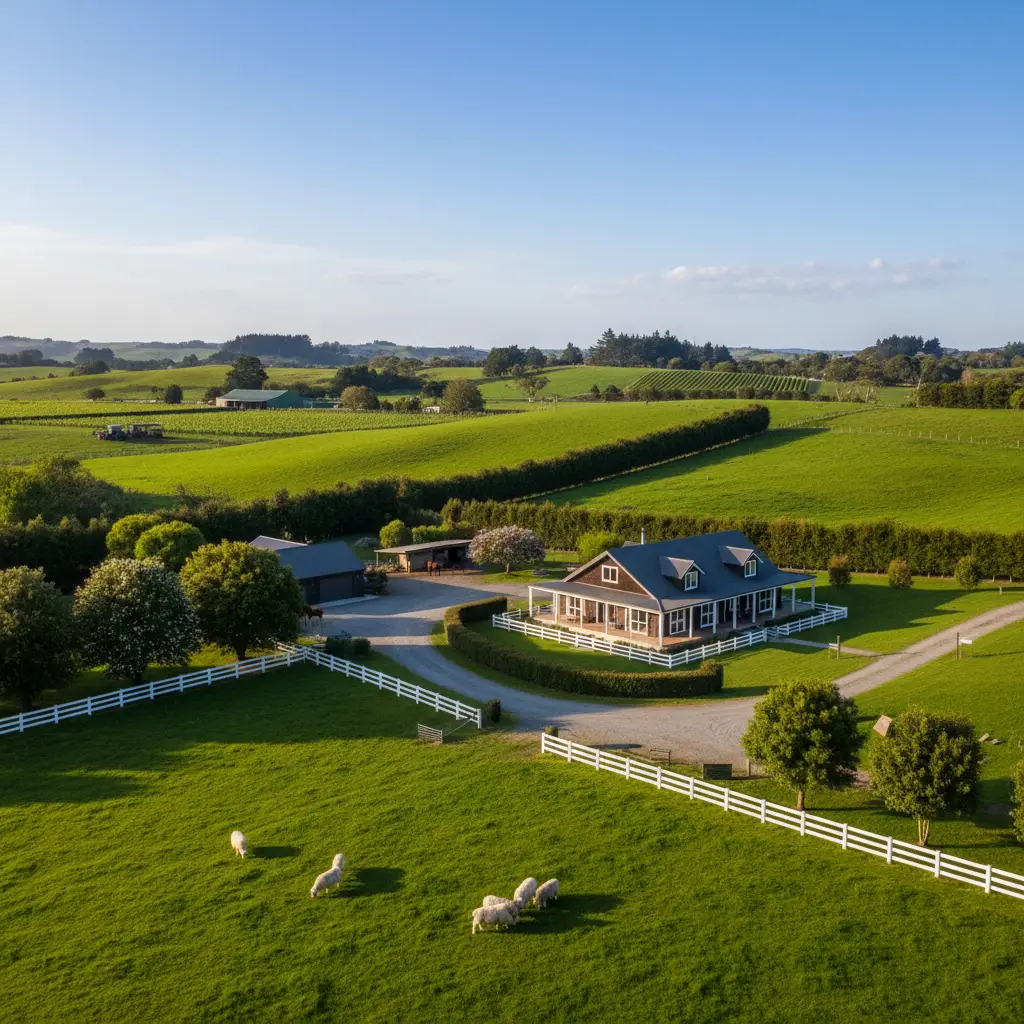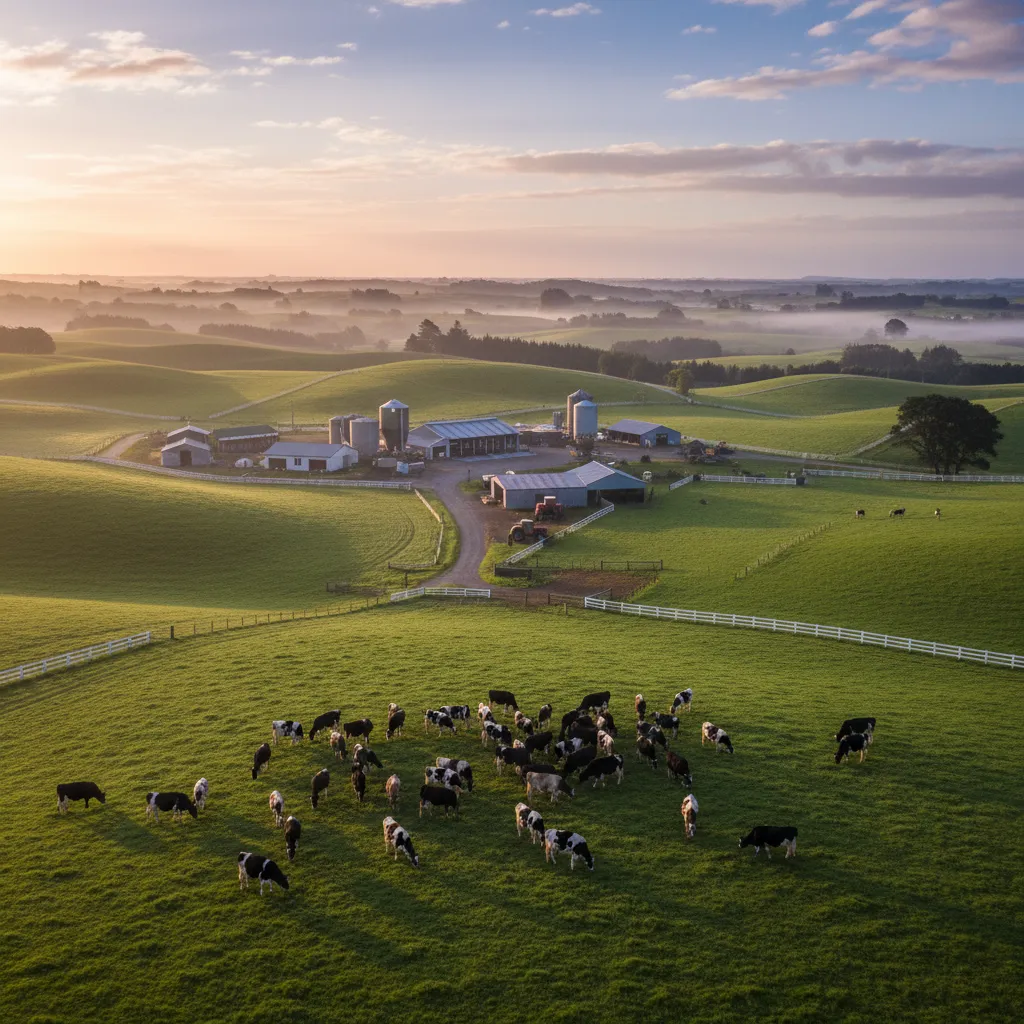
The Franklin district is widely celebrated as the food basket of Auckland, boasting rich volcanic soils and sprawling pastoral landscapes. From the intensive market gardens of Pukekohe to the vast dairy farms of Waiuku, this region is an undeniable agricultural powerhouse. However, this highly fertile environment also serves as a powerful magnet for relentless and destructive invasive species.
Farmers and lifestyle block owners face a constant, unseen battle against creatures that threaten their very livelihoods. Crop-destroying insects, disease-carrying rodents, and invasive predators can decimate annual yields in a matter of weeks. Consequently, investing in professional rural pest control in Franklin is not just an optional expense; it is a critical necessity for financial survival.
Safeguarding these rural properties requires significantly more than just occasional, reactive trapping. It demands a strategic, science-backed approach that aligns perfectly with national biosecurity standards. Protecting your land ultimately means protecting New Zealand’s broader agricultural economy from catastrophic biological threats.
Key Takeaways
Effective rural pest control in Franklin safeguards agricultural yields, protects livestock, and ensures compliance with Biosecurity New Zealand standards. By implementing integrated pest management (IPM) and seasonal rodent control, Franklin farmers can prevent millions in economic losses while preserving local biodiversity and native birdlife.
Local Pest Threats in the Franklin District
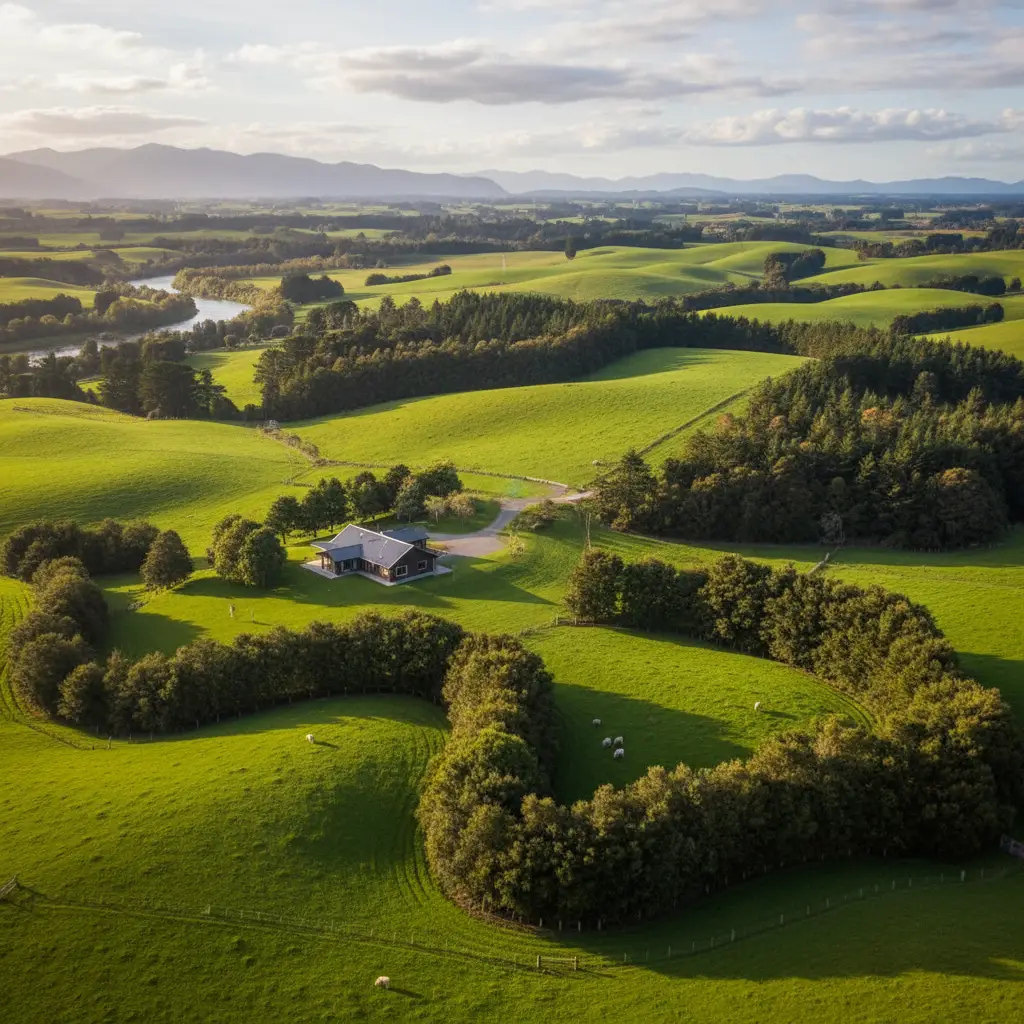
Franklin’s unique geography creates a perfect storm for a wide variety of devastating agricultural pests. The region’s temperate climate and incredibly abundant food sources allow both vertebrate and invertebrate pests to thrive year-round. Understanding these highly localized threats is the absolute first step in effective farm management.

While larger predators like possums and feral cats often dominate the conversation, unseen pasture pests cause the most severe financial devastation. According to research from AgResearch, invertebrate pests cost the New Zealand economy up to $2.3 billion annually [1]. These silent destroyers attack the very foundation of pastoral farming by decimating root systems.
In the warmer northern climates of Auckland and the Waikato, the African black beetle is particularly aggressive. These invasive insects destroy pasture roots, severely limiting feed availability for the dairy and beef cattle that dominate Franklin [1]. Similarly, the native grass grub remains a persistent and incredibly costly issue across the district.
Other exotic threats, such as the Argentine stem weevil and clover root weevil, cause estimated damages of up to $200 million and $235 million respectively across New Zealand pastures [1]. In Franklin, where high-producing dairy pastures are prominent, managing these weevils is essential for maintaining milk production targets. The financial toll of ignoring these microscopic threats is simply too high for modern farmers.
Invertebrate pests often cause severe root damage before any visible signs appear on the surface. By the time pasture dieback is noticeable, the economic loss has already occurred, making proactive soil sampling essential.
Implementing comprehensive rural pest control in Franklin requires identifying these specific regional threats accurately. A targeted approach ensures that valuable resources are not wasted on ineffective, generic treatments. Precision agriculture demands precision pest management.
Seasonal Rodent Migrations in Autumn and Winter
As the warm summer fades and autumn temperatures drop, the Franklin district experiences a massive shift in pest behavior. Rodents, specifically Norway rats and ship rats, begin their seasonal migration indoors to escape the cold. They actively seek out the warmth and abundant, high-calorie food supplies found in agricultural infrastructure.
Barns, milking sheds, and grain silos rapidly become prime targets for these invading populations. A single pair of rats can produce up to 2,000 descendants in a single year if left completely unchecked. This explosive and rapid breeding cycle can quickly overwhelm a farm’s natural, structural defenses.

The damage caused by these seasonal migrations extends far beyond the sheer volume of consumed feed. Rodents constantly gnaw on electrical wiring, creating severe fire hazards in rural outbuildings that are difficult to insure. Furthermore, they are notorious vectors for diseases, threatening both the health of livestock and the safety of farm workers.
Common signs of a severe winter rodent infestation include:
- Strong, ammonia-like odors in enclosed barns, packing sheds, or feed storage areas.
- Chewed electrical wires, torn thermal insulation, and gnawed structural timber.
- Contaminated animal feed containing visible droppings, hair, or urine stains.
- Unexplained anxiety, poor health, or illness among livestock, potentially indicating leptospirosis exposure.
Eco-Friendly Solutions for Franklin Farms
Modern agriculture demands a highly delicate balance between effective pest eradication and strict environmental stewardship. Blanket chemical spraying is no longer the acceptable standard, as it often harms beneficial insects and precious native wildlife. Today, sustainable farms prioritize Integrated Pest Management (IPM) methodologies to protect their local ecosystems.
Community initiatives, such as Predator Free Franklin, highlight the region’s deep dedication to ecological conservation [3]. Local volunteer groups in areas like Patumahoe and the Awhitu Peninsula are working tirelessly to restore native bird populations. Protecting vulnerable species like the Ruru (Morepork) and Kereru requires highly targeted, intelligent pest control solutions [3].
When using bait stations, always ensure they are specifically designed to exclude non-target species. Utilizing secure, tamper-proof stations prevents native birds and farm pets from accessing harmful rodenticides.
Professional rural pest control in Franklin now utilizes advanced, non-toxic trapping technologies and proven biological controls. For example, self-resetting pneumatic traps can humanely eliminate dozens of pests in remote paddocks without requiring daily manual checks. Additionally, introducing biocontrol agents like specific parasitoid wasps has successfully managed clover root weevil populations nationwide.
| Pest Control Method | Primary Mechanism | Environmental Impact | Best Use Case |
|---|---|---|---|
| Traditional Chemical Control | Broad-spectrum synthetic pesticides | High (Risk to non-target species) | Severe, immediate infestations |
| Biological Control | Introduction of natural predators | Low (Highly targeted) | Long-term pasture pest management |
| Integrated Pest Management (IPM) | Combined habitat modification and targeted trapping | Very Low (Sustainable) | Ongoing farm biosecurity and compliance |
These eco-friendly solutions drastically reduce the chemical load on the soil while maintaining incredibly high efficacy rates. This approach is especially crucial for organic farms and lifestyle blocks operating near sensitive Franklin waterways. Ultimately, sustainable pest control protects both the farm’s profit margins and its natural heritage.
Compliance with Biosecurity New Zealand Standards
Operating a commercial farm in New Zealand comes with incredibly strict legal and ethical responsibilities. The Ministry for Primary Industries (MPI) and Biosecurity New Zealand enforce rigorous, mandatory standards under the Biosecurity Act 1993 [2]. Every rural landowner plays a vital, active role in the nation’s broader biosecurity network.

Farm biosecurity is essentially a set of defensive measures designed to prevent the entry and spread of pests and diseases [2]. Whether it is a microscopic viral pathogen or an invasive weed seed, strict containment is always significantly cheaper than eradication. Farmers must actively control the movement of people, vehicles, and equipment onto their property at all times.
Simple but highly effective biosecurity measures include:
- Establishing designated vehicle washdown areas at all main property entrances.
- Providing footbaths with agricultural disinfectants for all staff, contractors, and visitors.
- Quarantining new livestock in a secure holding paddock before introducing them to the main herd.
- Maintaining meticulous, easily accessible records of all animal movements and supplementary feed purchases.
If you suspect the presence of an exotic pest or disease on your property, you are legally required to report it. Immediately contact the MPI Exotic Pest and Disease Emergency Hotline at 0800 80 99 66.
By adhering to these stringent guidelines, Franklin farmers protect their own profitability while shielding the wider agricultural industry. Robust biosecurity protocols drastically reduce the silent spread of devastating diseases like Mycoplasma bovis or invasive pests like the fall armyworm. Biosecurity is not just a regulatory checkbox; it is fundamental risk management.
Schedule a Franklin Property Inspection
Protecting your agricultural investment requires constant vigilance, technical expertise, and highly proactive planning. Waiting for pests to visibly damage your valuable crops or infrastructure is a costly and avoidable mistake. Early detection is the absolute key to minimizing financial losses and maintaining optimal farm productivity.

Every rural property has highly unique vulnerabilities based on its specific location, topography, and primary operations. A comprehensive site audit will quickly identify high-risk areas, from poorly sealed feed silos to compromised boundary fencing. Our specialized team intimately understands the specific ecological pressures of the South Auckland region.
Do not leave your agricultural yields to chance. Contact our certified team today to schedule a comprehensive rural property inspection and develop a customized, biosecure pest management plan.
Partnering with true experts in rural pest control in Franklin ensures that your property remains fully compliant, highly productive, and secure. We provide tailored, long-term strategies that evolve alongside the changing seasons and emerging agricultural threats. Secure your farm’s financial future by taking decisive, professional action today.