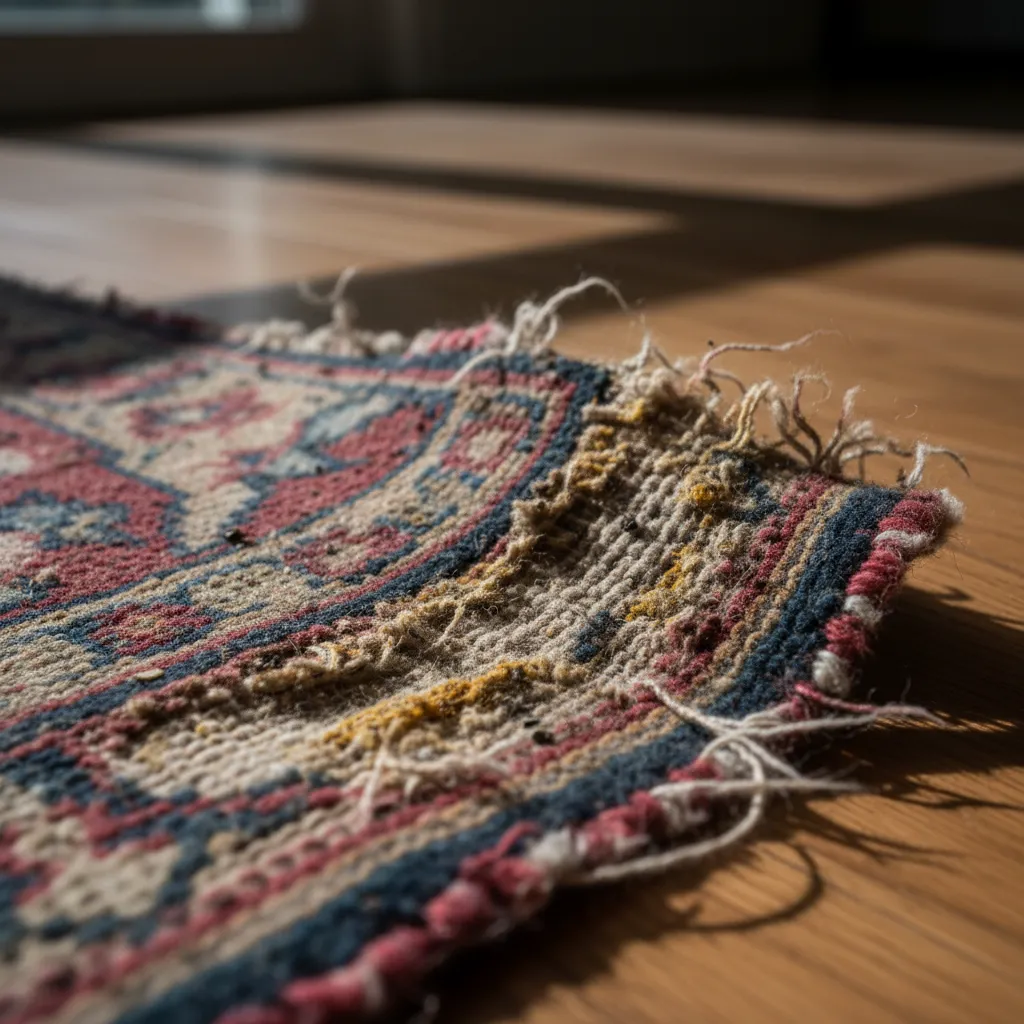
Nothing sinks the heart quite like pulling your favourite cashmere sweater from the wardrobe, only to find it riddled with irregular, mysterious holes. You haven’t snagged it on a doorframe, and it certainly wasn’t there last winter. This is the silent, destructive calling card of the clothes moth, a pest that thrives in dark, undisturbed spaces.
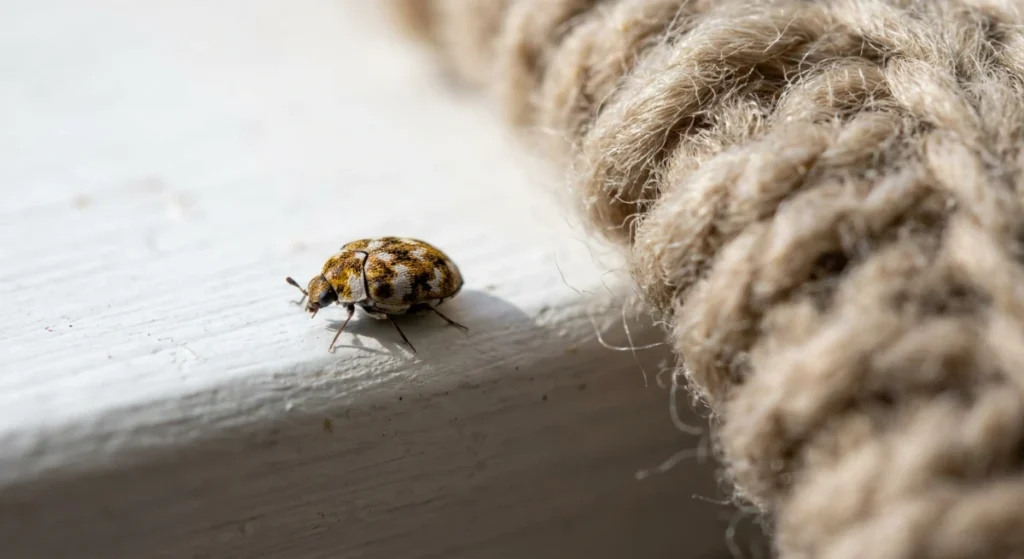
In New Zealand’s coastal and humid environment, these pests find the perfect breeding ground inside our closets. They feast exclusively on natural fibres, destroying thousands of dollars worth of high-end garments, woollen carpets (where you must also watch for the distinct Signs of Carpet Beetles), and vintage silks before they are even detected. Because they multiply rapidly in ideal conditions, DIY solutions rarely solve the root of the problem.
Relying on expert clothes moth eradication in Auckland is the only way to safeguard your valuable textiles. Professional interventions stop the breeding cycle permanently, ensuring your wardrobe remains intact for seasons to come.
Key Takeaways
Clothes moths thrive in Auckland’s humid climate, causing irreversible damage to wool, silk, and cashmere. Effective control requires breaking their 65-to-90-day lifecycle. Professional clothes moth eradication in Auckland uses targeted pheromone traps and residual sprays to eliminate eggs, larvae, and adults, saving your wardrobe from costly destruction.
Stop Moths from Ruining Your Cashmere and Silk
The webbing clothes moth and the case-bearing clothes moth are the two primary culprits responsible for wardrobe destruction across New Zealand. These insects do not consume synthetic materials or plant-based fabrics like cotton, unless those fabrics are heavily blended with animal fibres. Their diet is highly specialized and destructive.
Instead, they are strictly after keratin. Keratin is the tough protein found in animal-based materials such as wool, silk, cashmere, fur, feathers, and leather. If your wardrobe contains high-end winter coats or delicate silk scarves, you are unknowingly hosting an all-you-can-eat buffet for these pests.

Adult moths are notoriously weak flyers and prefer to scurry away into dark corners when disturbed. You will rarely see them fluttering around your light bulbs like pantry moths (for which we offer a specialized Moth Infestation Treatment Auckland: Fabric & Pantry Pests) or outdoor species. By the time you spot an adult moth crawling on your bedroom wall, a severe infestation is usually already underway deep within your drawers.
The actual damage is not caused by the adult moths at all, as they do not even possess functioning mouthparts. The destruction is entirely the work of their microscopic, ravenous larvae. When seeking clothes moth eradication in Auckland, speed is critical to stop these larvae before they decimate your most treasured garments.
Clothes moth larvae are particularly attracted to garments containing microscopic traces of human sweat, food stains, or skin cells. Never store unwashed knitwear or suits at the end of the winter season, as this acts as a magnet for hungry larvae.
The Lifecycle of the Webbing Clothes Moth
Understanding the biological lifecycle of the webbing clothes moth is essential for effective pest control. The entire process from egg to adult typically spans 65 to 90 days. However, this timeline can stretch to over two years under unfavourable conditions, allowing infestations to lay dormant.
A single mated female can lay between 40 and 50 microscopic eggs in a dark, undisturbed area. These eggs are attached to fabric fibres with a special gelatinous glue, making them incredibly difficult to remove with a standard household vacuum cleaner.
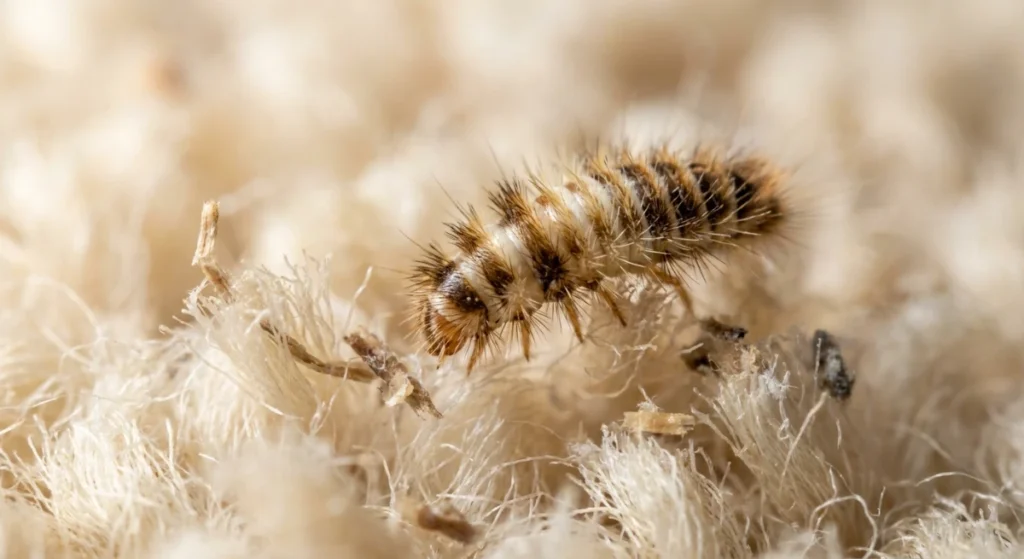
Within 4 to 10 days, the eggs hatch into creamy-white caterpillars with dark heads. This larval stage is the most destructive phase of the moth’s life. Depending on the temperature, humidity, and availability of food, larvae can spend anywhere from 35 days to 30 months feeding on your clothing.
As they graze, webbing clothes moths spin silken patches and tunnels, leaving behind webbing and granular frass that looks like ground pepper. Once they have consumed enough keratin, they spin a pupal case and transform into adults over 8 to 40 days.
Auckland’s naturally high coastal humidity provides the perfect incubator for clothes moths. Rooms with poor ventilation and temperatures sitting comfortably around 20 to 25 degrees Celsius will see moth populations explode exponentially.
Safe and Effective Moth Treatments
When faced with a moth infestation, many homeowners immediately reach for outdated remedies like naphthalene mothballs or generic supermarket bug bombs. Unfortunately, these methods are often highly toxic, leave lingering odours, and fail to penetrate the dense fibres where larvae hide.
Modern pest management requires a multi-faceted and highly targeted approach. Investing in professional clothes moth eradication in Auckland ensures that every life stage of the insect is aggressively targeted. Experts use a combination of deep-penetrating treatments and environmental modifications to guarantee complete removal.
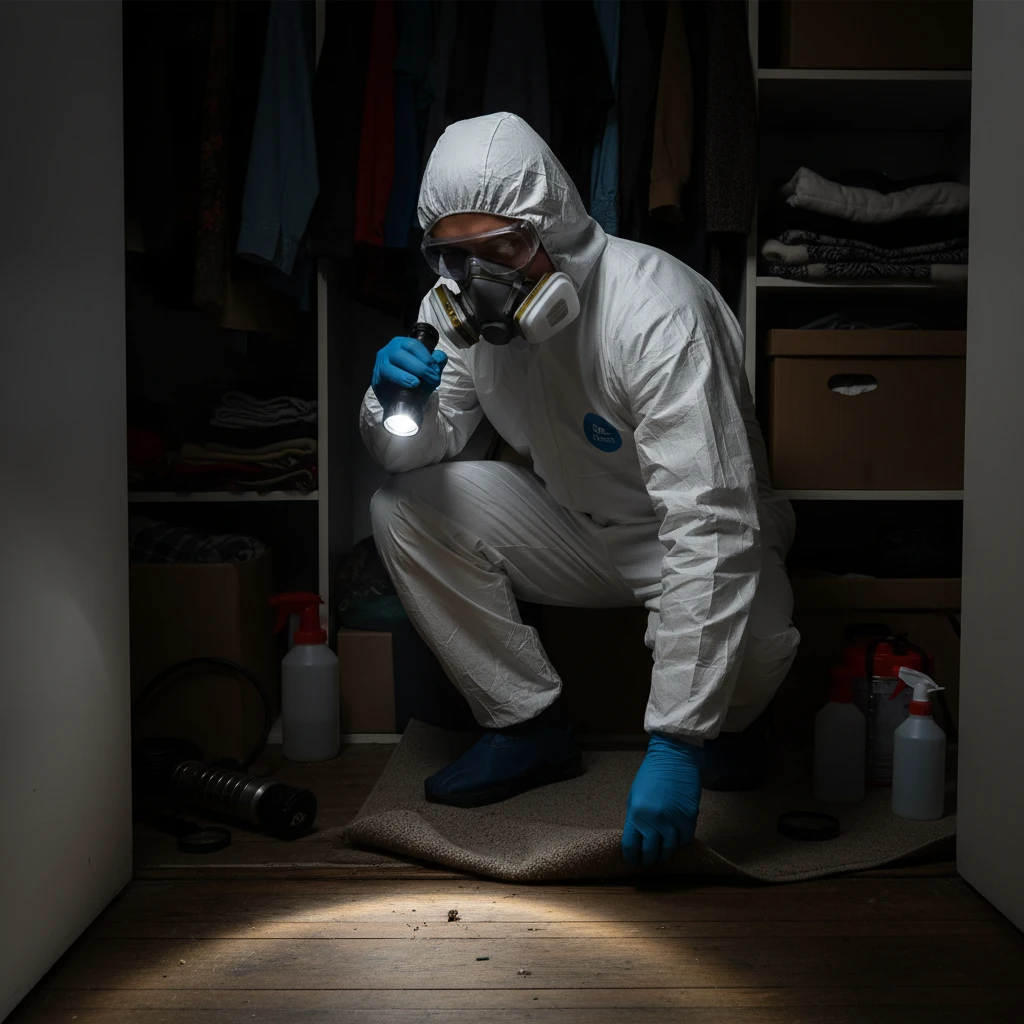
Professional exterminators begin with a comprehensive inspection to locate the source of the infestation. This could be an old woollen rug tucked under a heavy sofa, a forgotten cashmere scarf at the back of a closet, or even an abandoned bird’s nest in the roof void above your bedroom.
Once the source is identified and removed, targeted chemical and non-chemical treatments are applied to the surrounding areas. This ensures that any migrating larvae or hidden eggs are neutralized before they can mature and reproduce.
| Treatment Feature | DIY Supermarket Methods | Professional Eradication |
|---|---|---|
| Target Area | Surface level only | Deep crevices and fabric fibres |
| Life Stages Killed | Adult moths only | Eggs, larvae, pupae, and adults |
| Toxicity / Odour | High (Naphthalene smells) | Low-toxic, zero-emission sprays |
| Long-term Prevention | None | High (Residual protection & pheromones) |
Pheromone Trapping and Zero-Emission Sprays
One of the most effective tools in a professional pest controller’s arsenal is the pheromone trap. These sticky boards are impregnated with the specific sex pheromone of the female clothes moth.
By placing these traps strategically around the home, male moths are lured in and captured. This process, known as mating disruption, breaks the breeding cycle. Without males to fertilize the eggs, the moth population quickly crashes.
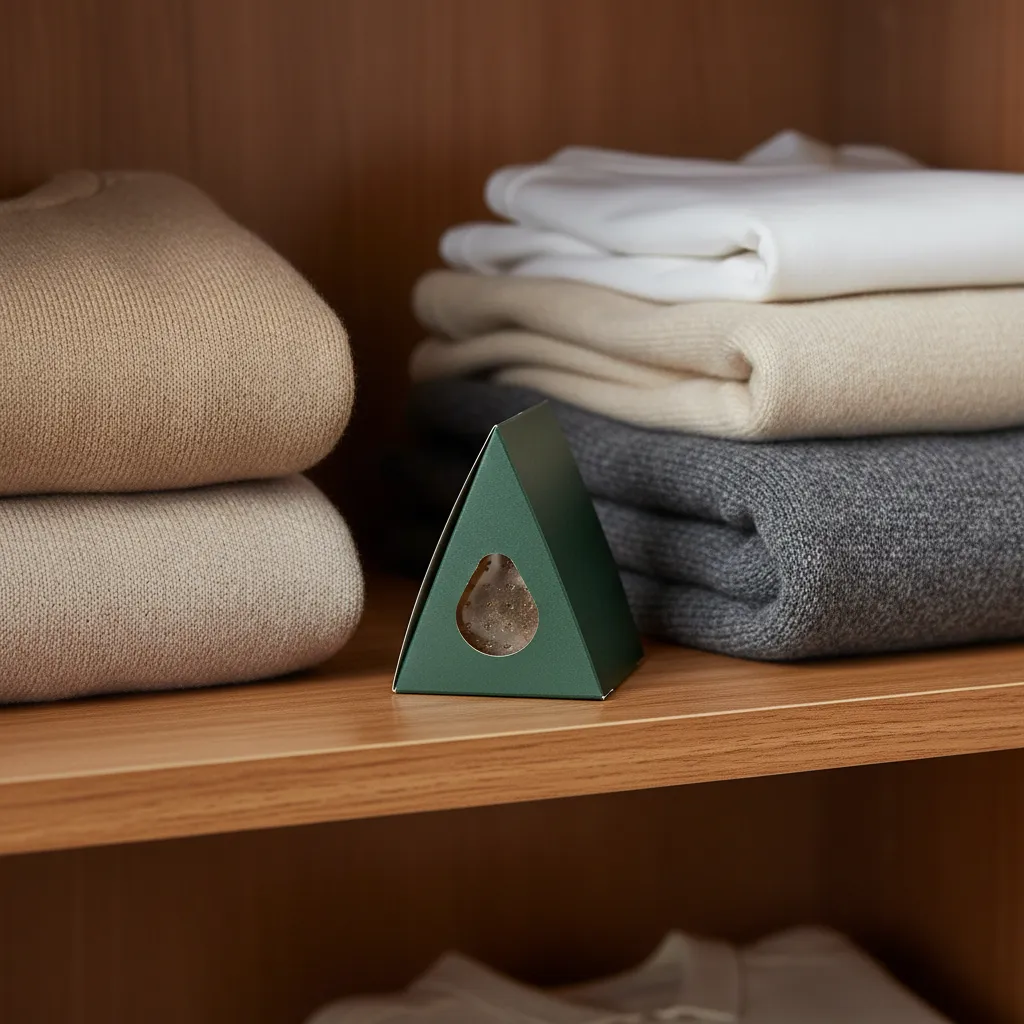
However, traps alone will not kill the existing larvae that are already eating your clothes. To address the active feeders, technicians utilize advanced, zero-emission insecticidal sprays and dusts. These treatments are applied to the dark crevices of wardrobes, the undersides of carpets—often overlapping with our professional Carpet Beetle Pest Control services—and along skirting boards.
These modern formulations are highly residual, meaning they continue to protect the area long after the technician has left. They are also specifically designed to be safe for use around humans and pets once dry, leaving no stains or harsh chemical smells on your expensive garments.
Never place pheromone traps directly inside a heavily infested wardrobe, as this can draw more flying moths into your clothes. Instead, place them just outside the wardrobe or in the general room area to lure the males away from your garments.
Wardrobe Sanitisation and Prevention
Eradicating the current infestation is only half the battle. To ensure your home remains moth-free, you must implement strict wardrobe hygiene and preventative measures. Moths are opportunistic pests that will quickly return if the environment remains hospitable.
Start by emptying your entire wardrobe and vacuuming every surface, paying special attention to corners, cracks, and the tracks of sliding doors. Dispose of the vacuum bag immediately in an outside bin, as moth eggs can easily survive and hatch inside your vacuum cleaner.
Next, all susceptible clothing must be treated before being returned to the closet. Dry cleaning is highly effective, as the industrial solvents and heat kill all life stages of the moth. Alternatively, you can place items in sealed plastic bags and freeze them at -18 degrees Celsius for at least 72 hours.
Once your clothes are sanitized, rethink your long-term storage strategy. Out-of-season garments should never be left hanging openly. Store your winter woollens and heavy coats in airtight, vacuum-sealed bags or hard plastic containers with tight-fitting lids.
Make it a habit to empty and inspect your wardrobe at the change of every season. Shake out unworn garments, brush woollen coats, and let natural sunlight into the closet to deter secretive moth activity.
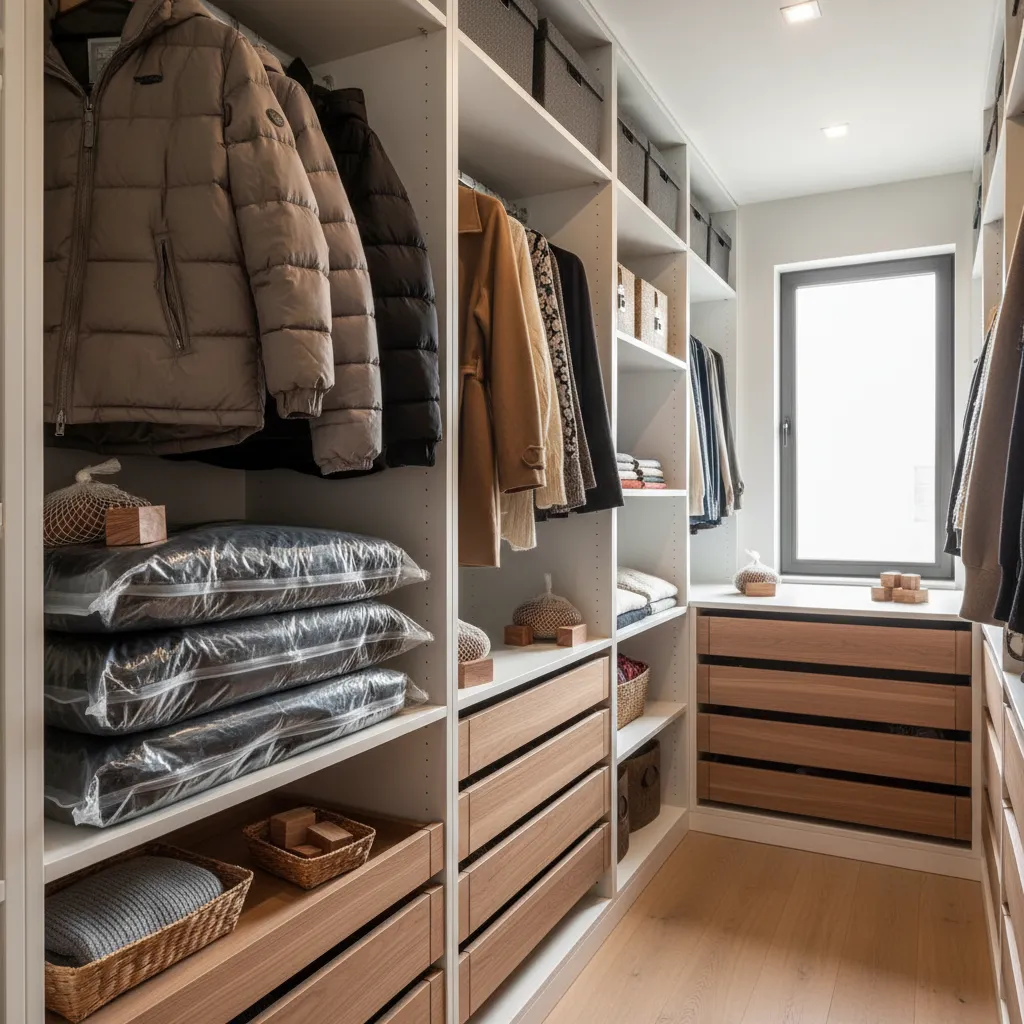
To further protect your textiles, incorporate natural deterrents into your storage areas. While they will not kill an active infestation, strong scents can confuse adult moths and discourage them from laying eggs in the vicinity.
- Cedar Wood: Natural red cedar blocks or essential oils contain volatile compounds that repel fabric pests. Sand the blocks lightly every few months to refresh the scent.