An ant infestation emergency in Auckland requires rapid response to prevent widespread contamination, property damage, and the rapid establishment of resilient colonies. Understanding the immediate signs and implementing swift, professional intervention is critical for effective eradication and long-term protection of your home or business.
Sudden Ant Swarms in Auckland Homes: Understanding the Invasion
The sight of hundreds, or even thousands, of ants suddenly appearing in your Auckland home can be alarming and signals a significant underlying problem. These swarms often indicate a mature colony either relocating, expanding, or, in the case of reproductive alates, preparing for new colony establishment. It’s not just a nuisance; it’s a clear sign that a hidden nest is thriving nearby and requires immediate attention to prevent further escalation.
Why Ants Swarm Suddenly
Ants swarm for several key reasons, often triggered by environmental factors or changes within their colony structure. Common triggers include seeking new food sources, escaping adverse weather conditions like heavy rain or drought that flood their nests, or simply expanding their territory as the colony grows beyond its current capacity. In Auckland’s humid climate, ants are particularly active, and a sudden change in humidity or temperature can drive them indoors en masse. When you see a sudden influx, it’s typically foraging ants from a well-established colony, meaning the source is likely substantial.
Common Ant Species in Auckland and Their Habits
Auckland is home to several ant species known for their invasive habits, each with unique characteristics that influence emergency response strategies. The Argentine ant (Linepithema humile) is particularly notorious, forming supercolonies with multiple queens, making them incredibly difficult to control without expert intervention. Pharaoh ants (Monomorium pharaonis) are another common indoor pest, often found in kitchens and bathrooms, and are known for spreading pathogens. Black house ants (Ochetellus glaber) are also prevalent, often entering homes in search of sweet foods. Identifying the species is crucial as it dictates the most effective treatment approach, especially in an emergency scenario where rapid eradication is paramount.
Signs of a Hidden Ant Nest
While swarming ants are an obvious indicator, other subtle signs can point to a hidden nest that warrants emergency action. Look for ant trails leading to and from cracks in walls, floorboards, or foundations. You might also notice small piles of sawdust-like material (frass) near wooden structures, which could indicate carpenter ant activity – a species that can cause significant structural damage. Food items left exposed, even for short periods, being quickly overwhelmed by ants is another strong sign of a large, nearby colony. Paying attention to these early warnings can allow for a quicker response, potentially mitigating extensive damage or contamination.
Identifying Emergency Ant Situations: When to Act Instantly
Not all ant sightings constitute an emergency, but certain situations demand immediate professional attention. An ant emergency isn’t just about inconvenience; it’s about preventing health risks, potential property damage, and ensuring the swift containment of a rapidly multiplying pest problem. Recognising these critical indicators is the first step in protecting your property and well-being in Auckland.
Health Risks and Contamination Concerns
Ants are more than just a nuisance; they can pose significant health risks, especially in food preparation areas. Species like Pharaoh ants are known to carry and transmit pathogens such as Salmonella and Staphylococcus, contaminating food, sterile equipment, and open wounds. When ants are found in vast numbers in kitchens, pantries, bathrooms, or near medical supplies, it constitutes a public health emergency. Their presence indicates a potential pathway for bacteria and viruses to spread throughout a home or commercial establishment, making immediate eradication essential.
Structural Damage Potential
While most ants don’t directly consume wood, carpenter ants are a notable exception. These ants excavate tunnels in wooden structures to build their nests, weakening beams, joists, and other essential components of a building. If left unchecked, a carpenter ant infestation can lead to significant structural damage, potentially compromising the integrity of your home. A sudden appearance of large, dark ants, especially with discarded wood fragments or frass, should be treated as a structural emergency requiring prompt assessment and intervention.
When to Call for Immediate Professional Help
Knowing when to elevate a DIY attempt to a professional emergency call is crucial. You should call for immediate professional help if: you observe a massive, sudden influx of ants; ants are present in sensitive areas like kitchens, bathrooms, or children’s rooms; you suspect carpenter ant activity due to frass or large ants; over-the-counter treatments have failed repeatedly; or if you notice ants in electrical outlets or appliances, which can cause fire hazards. An Auckland pest control expert has the specialized knowledge and tools to accurately identify the species, locate the source, and implement a targeted, safe, and effective eradication plan.
Rapid Ant Colony Eradication: Professional Strategies for Auckland
Successfully dealing with an ant infestation emergency requires more than just spraying visible ants. True eradication involves locating and destroying the entire colony, including the queen, and implementing strategies that prevent recurrence. In Auckland, where ant species can be particularly resilient, professional rapid response is the most effective approach.
The Importance of Professional Assessment
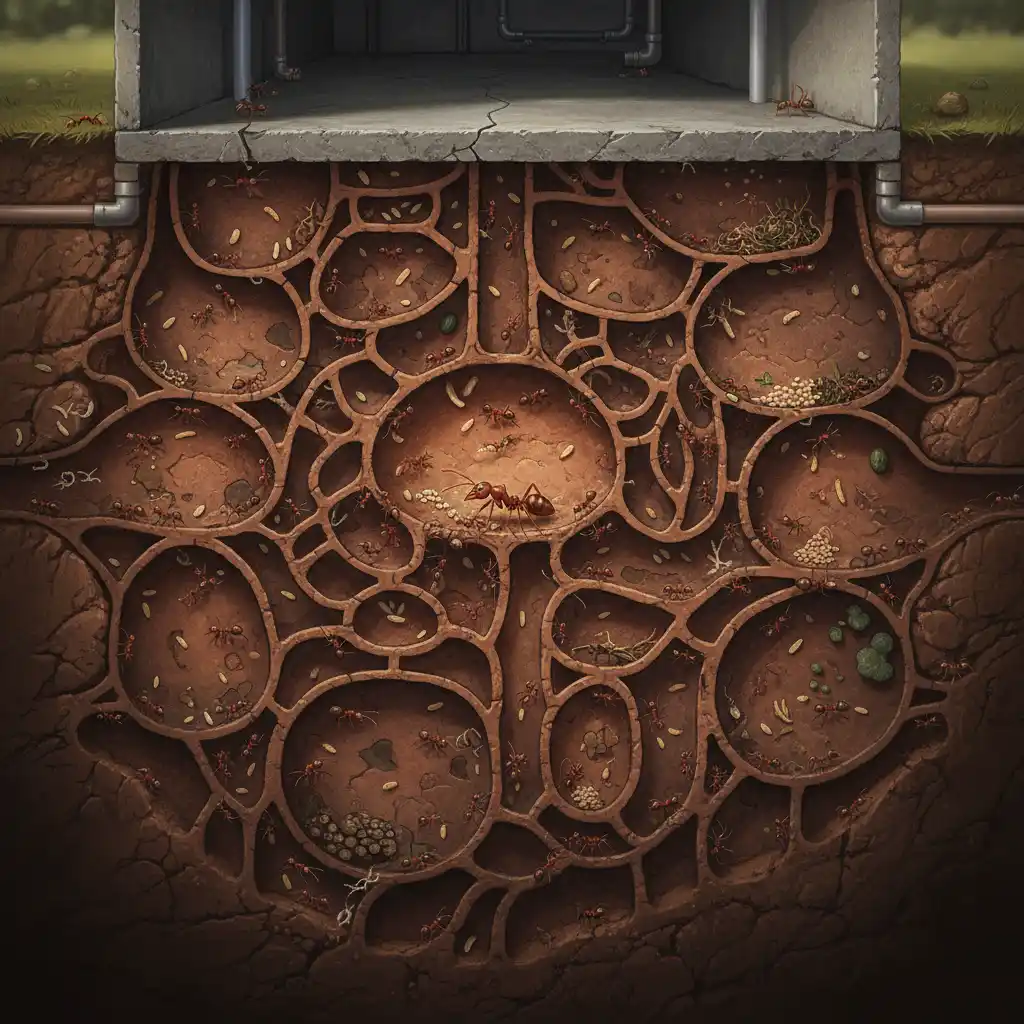
A professional pest control technician begins with a thorough inspection of your property. This crucial step involves identifying the ant species, locating entry points, and, most importantly, pinpointing the primary nesting sites – which can often be hidden deep within walls, foundations, or even underground. Without this detailed assessment, treatment can be hit-and-miss, often leading to temporary relief rather than complete eradication. Experts understand the specific behaviors and biology of Auckland’s local ant species, enabling them to devise a highly targeted and effective strategy.
Advanced Treatment Methods for Auckland Homes
Modern ant eradication techniques go far beyond simple sprays. Professionals employ a range of advanced methods tailored to the specific ant species and severity of the infestation. These can include:
- Targeted Baiting Systems: Highly effective for social insects, baits are carried back to the colony by foraging ants, spreading the insecticide throughout the nest and ultimately killing the queen and larvae.
- Non-Repellent Insecticides: These specialized treatments are undetectable by ants, allowing them to unknowingly track the substance back to the nest, delivering a lethal dose to the entire colony.
- Direct Nest Treatment: Where possible, physically locating and treating the nest directly can provide rapid results, especially for smaller, accessible colonies.
- Barrier Treatments: Creating a protective barrier around the perimeter of your home helps prevent new ants from entering.
The selection of methods depends on the species, location, and environmental considerations unique to Auckland properties. These advanced approaches minimize chemical usage while maximizing efficacy, protecting both your family and the environment.
Safety Protocols During Emergency Pest Control
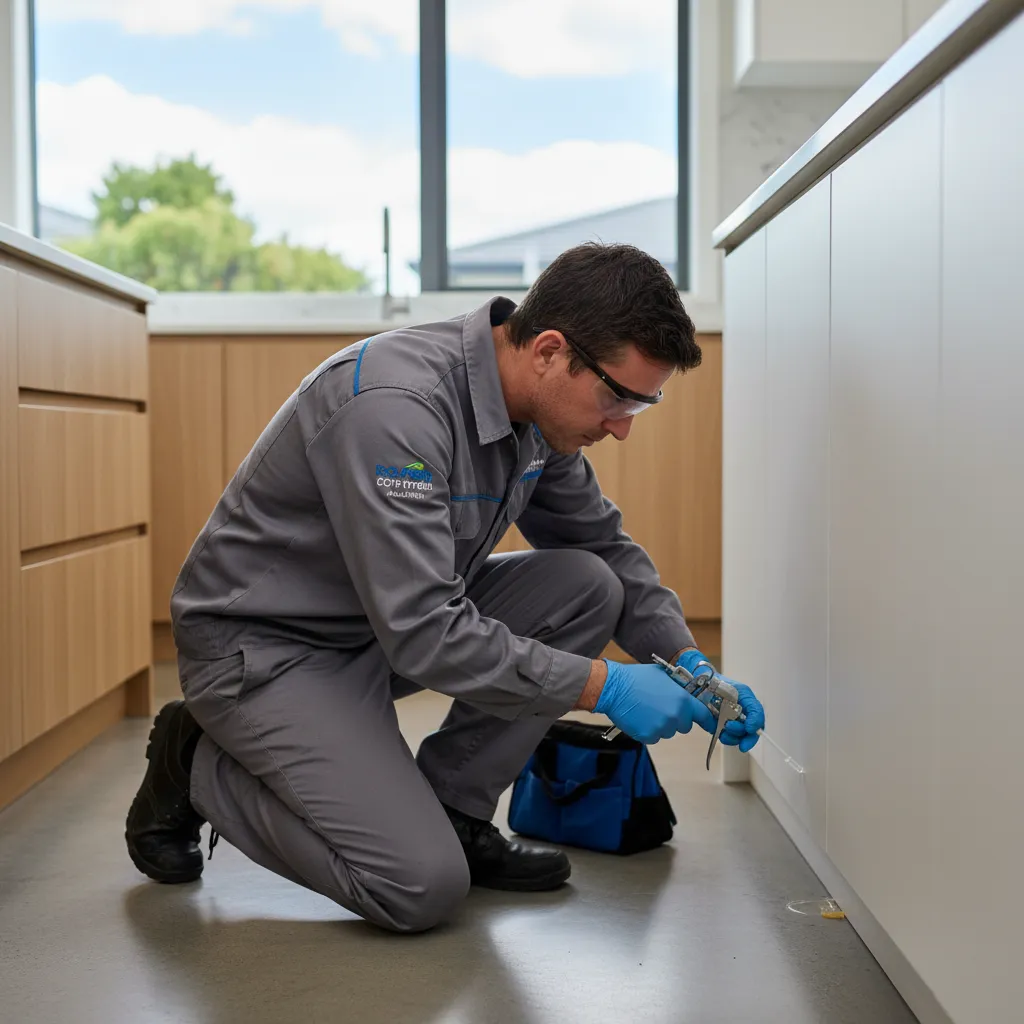
When dealing with an ant infestation emergency, safety is paramount. Professional pest control services adhere to strict safety protocols to protect residents, pets, and the environment. This includes using products approved for residential use, applying treatments precisely where needed, and providing clear instructions on post-treatment precautions. Technicians wear appropriate personal protective equipment (PPE) and are trained to minimize exposure and potential risks. They also ensure proper ventilation and advise on temporary evacuation if necessary, guaranteeing peace of mind during the eradication process. You can learn more about safe pest control practices from authoritative sources like the U.S. Environmental Protection Agency, whose guidelines often influence international best practices.
Post-Treatment Monitoring and Follow-Up
Eradication isn’t a one-time event, especially for resilient ant species. A crucial part of a rapid response strategy includes post-treatment monitoring and follow-up visits. This ensures that the initial treatment was successful in eliminating the entire colony and identifies any lingering activity or new incursions. Technicians will inspect treated areas, look for new trails, and provide recommendations for ongoing prevention. This comprehensive approach guarantees that the ant emergency is not just resolved but stays resolved, offering long-term protection for your Auckland property.
Preventing Future Ant Emergencies: Long-Term Protection
Once an ant emergency has been addressed, the focus shifts to preventing future infestations. Proactive measures are essential to keep your Auckland home or business ant-free. This involves a combination of structural maintenance, sanitation, landscape management, and ongoing professional vigilance.
Sealing Entry Points and Home Maintenance
One of the most effective ways to prevent ants from entering your home is to seal off their potential access points. Inspect your home’s foundation, walls, windows, and doors for cracks, gaps, or crevices. Use caulk, weather stripping, or sealants to close these openings, no matter how small, as ants can squeeze through incredibly tiny spaces. Pay particular attention to areas where pipes or utility lines enter the building. Regularly check window screens for tears and ensure door sweeps are intact. Proactive maintenance creates a physical barrier that significantly reduces the chances of an ant invasion.
Effective Food Storage and Sanitation Practices
Ants are primarily attracted to food and water. Eliminating these attractants is paramount for prevention. Store all food, especially sugary items, in airtight containers. Promptly clean up food spills and crumbs, both on floors and countertops. Empty rubbish bins regularly, particularly those containing food waste, and ensure they have tight-fitting lids. Don’t leave pet food bowls out overnight, and clean them after each use. Addressing moisture sources, such as leaky taps or pipes, also removes a vital resource for ants. A diligent approach to cleanliness and food storage can make your home far less appealing to foraging ants.
Landscape Management and Outdoor Control
Your outdoor environment plays a significant role in ant prevention. Trim tree branches and shrubs so they don’t touch your home, creating ant highways directly to your walls or roof. Keep garden beds free of debris, leaf litter, and excessive mulch, which can provide ideal nesting sites. Ensure proper drainage around your foundation to prevent standing water. Inspect outdoor structures like sheds or woodpiles, as these can harbor ant colonies. Addressing these external factors can drastically reduce the pressure of ants trying to enter your home. For further insights into pest management around homes, the Landcare Research New Zealand offers valuable resources on ecological pest control relevant to local conditions.
Regular Professional Inspections
Even with diligent DIY prevention, some ant species are incredibly persistent. Regular professional pest control inspections, ideally annually or bi-annually, can identify budding infestations before they escalate into emergencies. Technicians can spot subtle signs of ant activity, identify high-risk areas, and apply preventative treatments that act as an invisible shield against future invasions. This ongoing vigilance is especially valuable in Auckland’s environment, where ant pressures are consistently high, providing an extra layer of protection and peace of mind.
Why Choose a Local Auckland Pest Control Expert for Ant Emergencies
When facing an ant infestation emergency in Auckland, choosing a local pest control expert offers significant advantages over generic services. Local professionals possess unique insights into the specific challenges and nuances of pest management within the Auckland region.
Understanding Auckland’s Unique Climate and Ant Behavior
Auckland’s sub-tropical climate, characterized by high humidity and varying rainfall, creates a unique environment that influences ant behavior and proliferation. Local experts understand how seasonal changes, specific weather patterns, and the urban-bush interface affect ant populations and their nesting habits. They are familiar with the prevalent ant species in the region and their specific biology, enabling them to anticipate ant movements, identify common entry points specific to Auckland homes, and apply treatments that are most effective against the local strains of these invasive pests. This localized knowledge is critical for rapid and successful eradication.
Local Regulations and Environmental Considerations
Operating within Auckland means adhering to specific local council regulations regarding pest control products and methods, especially concerning environmental impact. Local pest control companies are well-versed in these guidelines, ensuring that all treatments are compliant and environmentally responsible. They can advise on the safest options for families, pets, and the local ecosystem. Their commitment to the local community often extends to using sustainable practices and being transparent about the products used, providing homeowners with confidence that their ant emergency is being handled both effectively and ethically.

People Also Ask
What are the signs of a severe ant infestation in Auckland?
Signs of a severe ant infestation in Auckland include extensive visible ant trails, ants appearing in multiple rooms or sensitive areas like food pantries and bathrooms, persistent presence despite DIY efforts, and the sighting of winged reproductive ants (alates) which indicate a mature colony.
How quickly can ants cause significant damage to a home?
While most ants don’t cause structural damage, carpenter ants can create extensive tunnels in wooden structures over months to years, significantly weakening beams and foundations. Other ants can contaminate food quickly, posing immediate health risks.
Are there specific ant species in Auckland that require emergency pest control?
Yes, invasive species like Argentine ants and Pharaoh ants are particularly problematic in Auckland. Argentine ants form massive supercolonies and are hard to eradicate, while Pharaoh ants carry diseases, both necessitating emergency professional intervention for effective control.
What is the typical rapid response time for an ant emergency in Auckland?
Reputable Auckland pest control services typically aim for a rapid response, often within 24-48 hours, for emergency ant infestations. Some may offer same-day service depending on urgency and availability, understanding the need for swift action.
Can ant infestations return after professional treatment?
While professional treatment is highly effective, ant infestations can return if source colonies are not fully eradicated or if new colonies establish due to conducive environmental factors. This is why post-treatment monitoring and preventative measures are crucial for long-term control.
What are the costs associated with an emergency ant infestation service in Auckland?
The cost of an emergency ant infestation service in Auckland varies depending on the severity of the infestation, the ant species, the size of the property, and the specific treatment methods required. It’s best to get a detailed quote after a professional assessment.