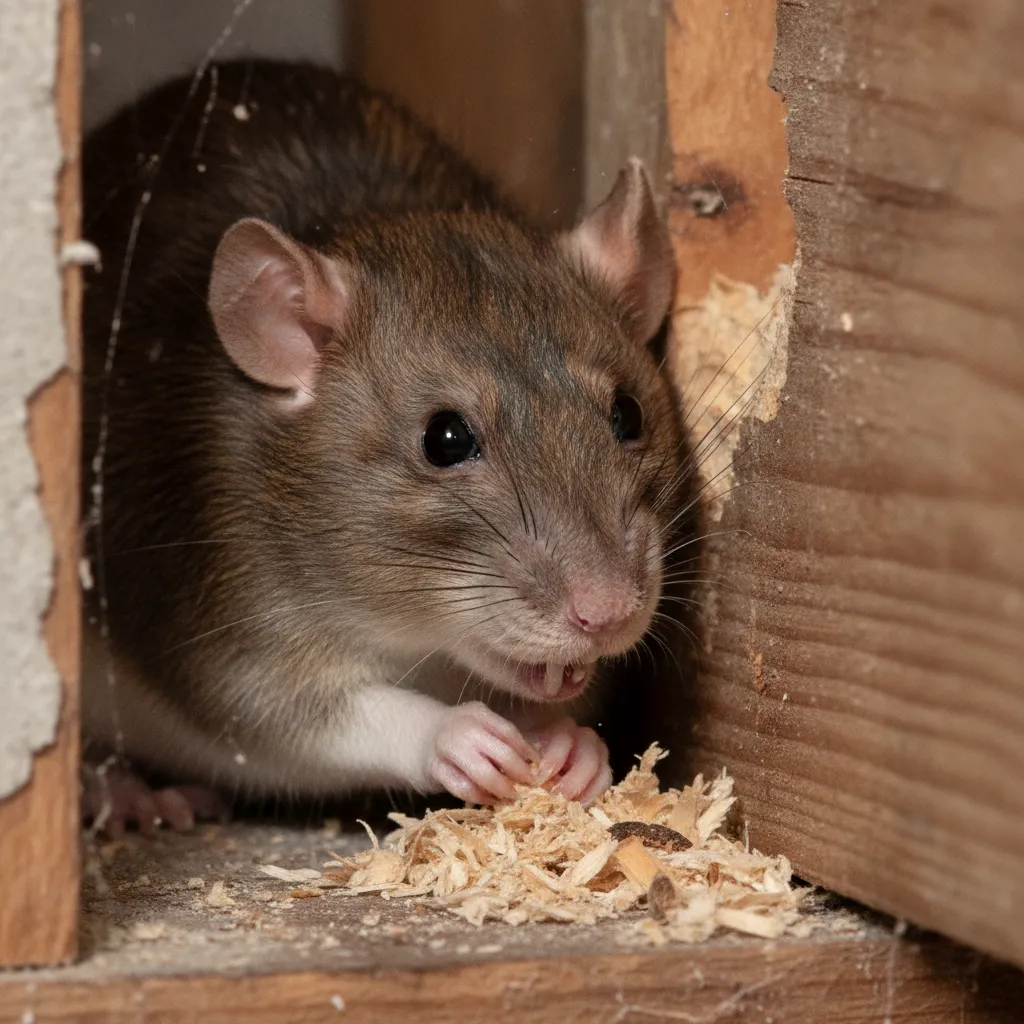
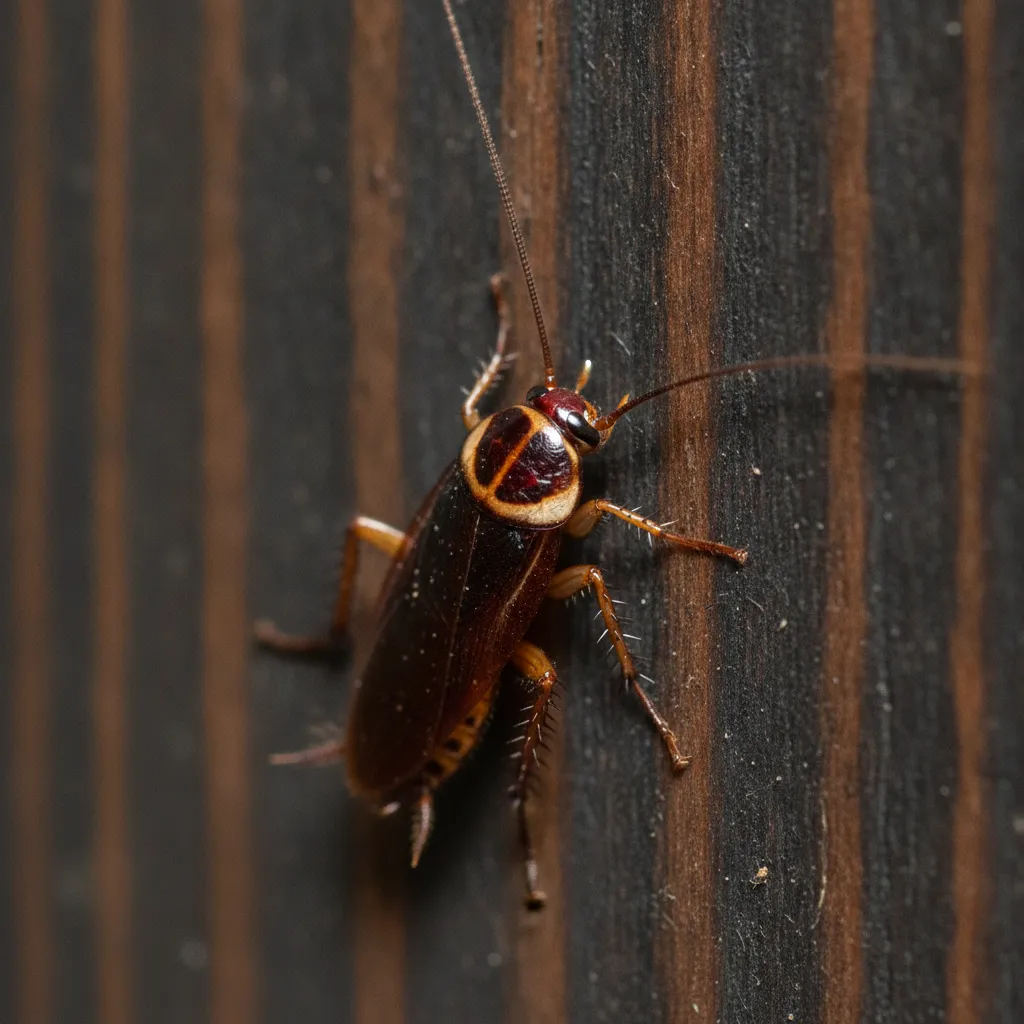
The subtle rustle in a dark corner or the sudden, frantic scratching of a beloved family pet often serves as the first warning sign of a silent invasion. Spiders and fleas are two of the most persistent and frustrating pests that homeowners encounter, capable of turning a comfortable sanctuary into a source of constant stress. While spiders weave their intricate traps in the shadows, fleas wage a microscopic war in the fibers of our carpets and the fur of our animals.
Ignoring these early warning signs is a recipe for disaster, as both pests possess remarkable survival instincts and rapid reproductive capabilities. A minor nuisance can escalate into a full-blown infestation in a matter of weeks, requiring immediate and comprehensive intervention. This is where professional Spider & Flea Treatments become an absolute necessity, bridging the gap between temporary relief and long-term eradication.
Modern pest management has evolved significantly, moving away from harsh, indiscriminate chemicals toward highly targeted, scientifically backed methodologies. Today, the focus is heavily placed on protecting the health of the household, ensuring that the eradication of insects does not compromise your family’s safety. Understanding the biology of these pests and the advanced techniques used to defeat them is the first crucial step toward reclaiming your home.
Key Takeaways
Professional Spider & Flea Treatments utilize advanced, pet-safe Integrated Pest Management (IPM) to disrupt rapid reproductive cycles. A single flea lays up to 50 eggs daily, demanding immediate, targeted botanical applications. Effective eradication requires comprehensive interior treatments combined with robust exterior yard defense perimeters to ensure total elimination.
Introduction to Spider & Flea Treatments
The structural integrity of your home and the health of your pets are constantly challenged by opportunistic pests. Spiders seek out dark, undisturbed areas to build their webs, while fleas look for warm-blooded hosts to sustain their rapid breeding cycles. Both pests require specialized knowledge to defeat, as standard household bug sprays merely scratch the surface of the problem.
The Hidden Dangers of Infestations
Fleas are not just an annoyance; they are a legitimate health risk to both humans and animals. These microscopic parasites can transmit diseases, cause severe allergic dermatitis, and even lead to anemia in small pets if the infestation is severe enough. Spiders, on the other hand, often induce psychological distress, and certain venomous species can inflict painful bites that require medical attention.
Rapid Flea Lifecycle Dynamics
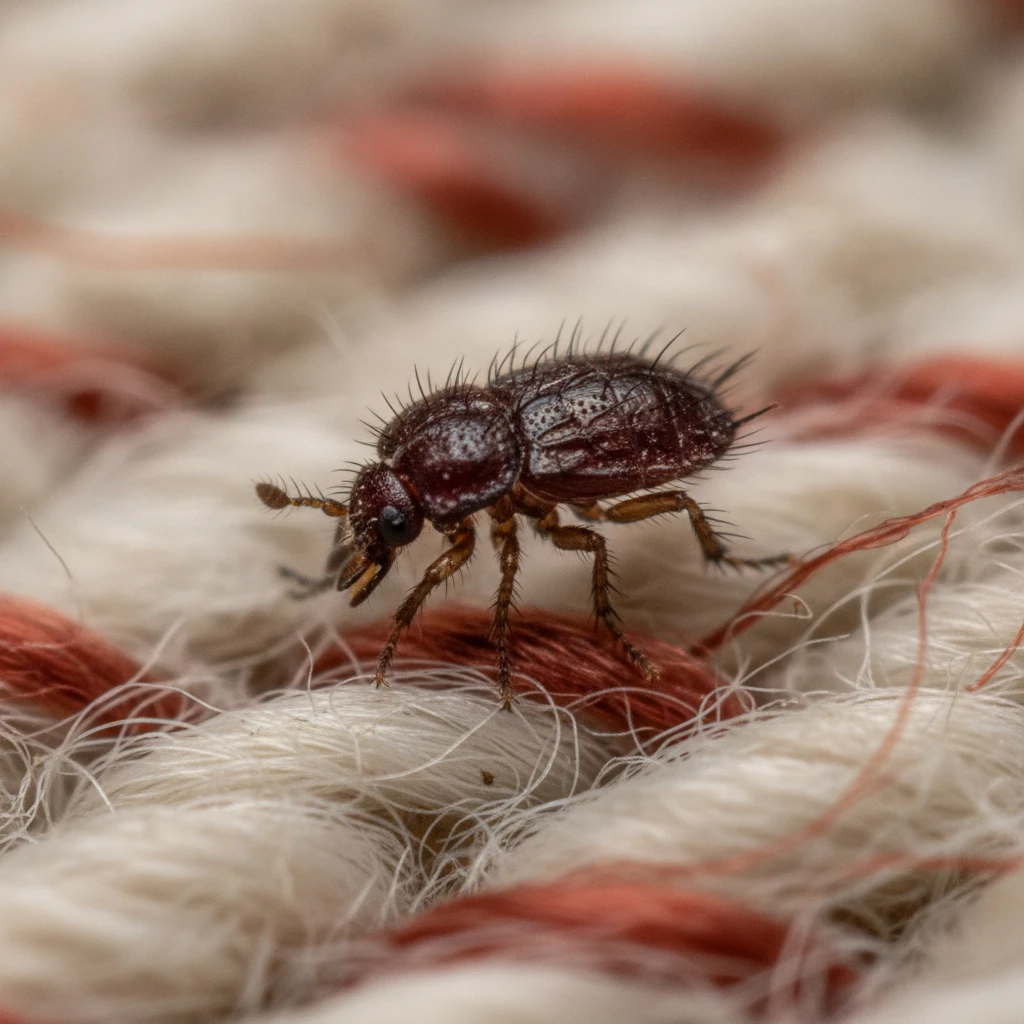
Understanding the biological timeline of a flea is crucial for effective eradication. A single female flea can lay up to 50 eggs daily, potentially producing up to 20,000 new adult fleas within a 60-day window under ideal conditions [1]. Because of this explosive reproduction rate, a minor issue can quickly spiral out of control, overwhelming your living spaces in just a few weeks.
Adult fleas only make up 5% of an active infestation. The remaining 95% consists of microscopic eggs, larvae, and pupae hidden deep within your home’s flooring, baseboards, and furniture.
Complete Eradication With Pet-Safe Methods
Achieving total elimination of an active infestation requires far more than surface-level sprays bought from a local hardware store. Because of their complex lifecycles and behavioral patterns, these pests demand targeted, professional intervention. Modern Spider & Flea Treatments utilize Integrated Pest Management (IPM) strategies that prioritize the safety of pets and children over indiscriminate chemical warfare.
Why Pet-Safe Pest Control Matters
The global demand for low-toxicity solutions is surging rapidly, with the pet-safe pest control market projected to reach $9.1 billion by 2034 [2]. Homeowners are increasingly aware of the dangers that synthetic pyrethroids and organophosphates pose to their furry companions. Professional technicians now rely on advanced botanical extracts and targeted formulas to disrupt the biological development of pests without leaving dangerous residues behind.
Targeted Botanical and Low-Toxicity Applications
To combat fleas, professionals use Insect Growth Regulators (IGRs) that prevent larvae from maturing into breeding adults, effectively collapsing the population from within. Spiders present a different challenge, as they walk high on their legs and avoid grooming, making traditional residual sprays less effective. Eradicating spiders requires direct application of pet-safe insecticidal dusts and micro-encapsulated formulas to their webs, nesting sites, and structural crevices.
Thoroughly vacuuming all carpets, rugs, and upholstery before a professional treatment stimulates flea pupae to hatch, making them immediately vulnerable to the applied pest control products.
Why Choose Professional Yard Services
The battle against household pests rarely begins inside the home; it almost always starts in the surrounding exterior environment. Your yard serves as the primary breeding ground and staging area for insects looking to migrate indoors. Without addressing these exterior hot zones, indoor treatments will constantly be undermined by new invaders crossing the threshold.
Creating an Exterior Perimeter Defense
Implementing comprehensive spider & flea treatments across your property creates an invisible fortress around your home. Professional yard services focus on establishing a robust exterior perimeter defense, treating the foundation, eaves, and fence lines where spiders commonly build their webs. By neutralizing these staging areas, technicians drastically reduce the likelihood of interior spider activity.
Stopping Fleas at the Source
Fleas thrive in tall, shaded grass and damp leaf litter, waiting patiently to hitch a ride on a passing dog, cat, or human host. Professional exterior applications target these specific micro-habitats in your lawn where flea larvae develop. This proactive approach stops the reproductive cycle at the source, protecting your family and pets before they even step inside.
Keep your lawn mowed short, remove leaf litter, and trim back dense shrubs to eliminate the dark, humid environments where fleas and spiders naturally thrive.
Key Metrics & Essential Standards
The effectiveness of any pest management strategy must be measured through rigorous industry standards and proven efficacy metrics. In New Zealand alone, defensive expenditures against invasive pests and biosecurity threats have surged to over $1.5 billion, highlighting the massive economic impact of uncontrolled pest populations [3]. When assessing the success of residential treatments, professionals look at the immediate knockdown rate alongside the long-term residual protection.
Industry Efficacy Rates
Professional applications maintain an exceptionally high efficacy rate over a prolonged period. This sustained protection is achieved through the use of micro-encapsulated active ingredients that slowly release over time, providing continuous defense against newly hatched fleas or migrating spiders. In stark contrast, DIY retail sprays experience a rapid decline in effectiveness, often failing entirely within the first month due to UV degradation.
As illustrated in the data above, the gap between professional spider & flea treatments and over-the-counter solutions is staggering. While DIY methods may offer a temporary illusion of success during the first week, they lack the chemical sophistication required to break the reproductive cycle. Professional treatments ensure that your home remains a sterile environment for pests long after the initial application.
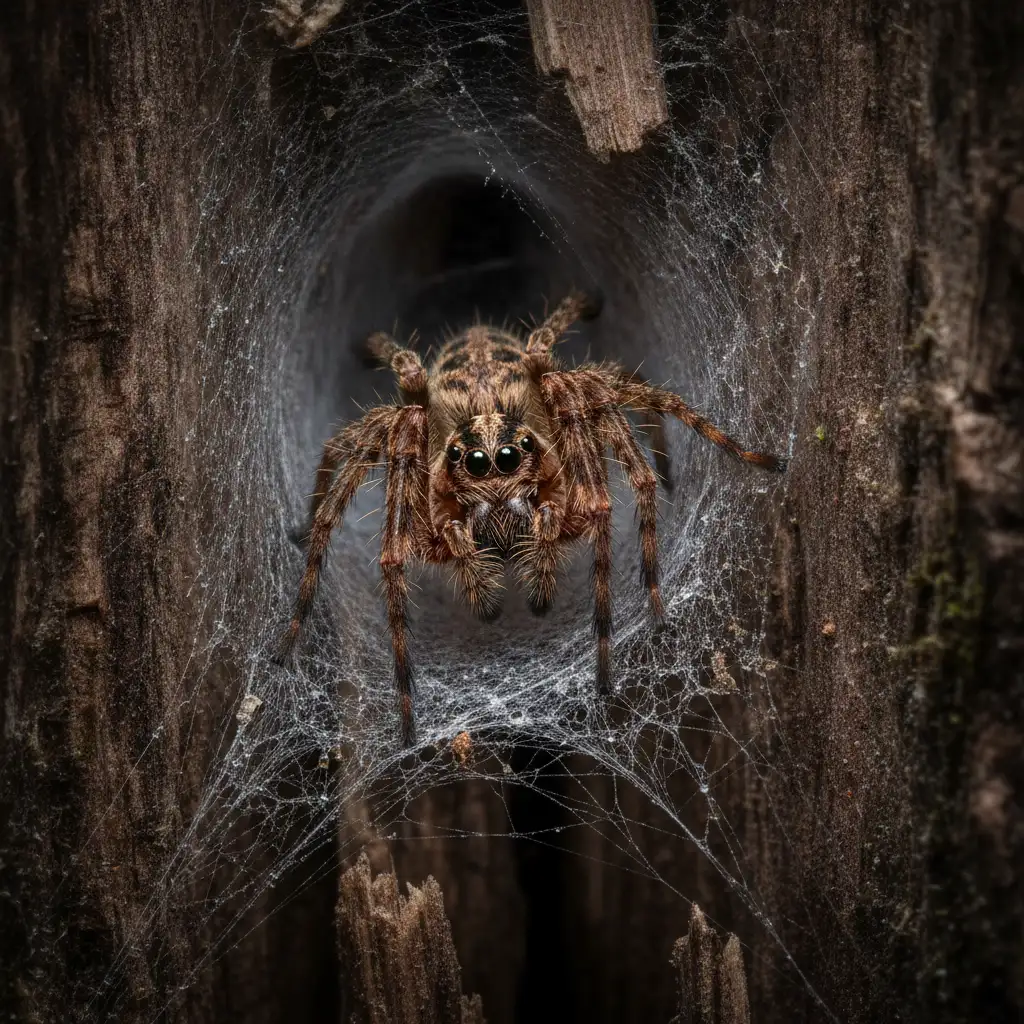
Because spiders do not absorb pesticides through their feet as easily as other insects, professional treatments rely on strategic placement of dusts in wall voids and crevices where they actively hide.
Understanding Service Bookings & Quotations
Navigating the logistics of hiring a pest management professional doesn’t have to be a complicated or stressful experience. When homeowners seek out professional spider & flea treatments, the process typically begins with a comprehensive, on-site inspection. This initial assessment allows technicians to identify the specific pest species, locate breeding grounds, and determine the overall severity of the infestation.
What to Expect During an Inspection
During the inspection phase, experts will evaluate both the interior and exterior of your property. They will look for telltale signs of flea dirt on pet bedding, examine baseboards for larvae, and check eaves and crawlspaces for spider webs. Based on these localized findings, a customized treatment protocol is developed to address the unique layout and vulnerabilities of your home.
Factors Influencing Treatment Costs
Quotations for these specialized services are calculated using several transparent factors, ensuring clients understand exactly what they are paying for. The primary cost drivers include the total square footage of the home and yard, the types of pet-safe products required, and the estimated labor time for thorough application. Investing in professional services ultimately saves homeowners money by preventing the endless cycle of purchasing ineffective chemical sprays.
| Feature | Professional Pet-Safe Treatment | DIY Retail Sprays |
|---|---|---|
| Efficacy Lifespan | Up to 12 weeks with IGRs | 1 to 3 weeks maximum |
| Safety Profile | High (Botanical & Low-Toxicity) | Low (Harsh Synthetic Chemicals) |
| Lifecycle Disruption | Destroys Eggs, Larvae & Adults | Only kills adult pests on contact |
| Long-Term Cost | Highly cost-effective over time | Expensive due to constant reapplication |
By understanding these fundamental differences, homeowners can make informed decisions regarding their property management. Professional interventions not only provide immediate relief but also establish a long-lasting barrier against future infestations. When you prioritize structural integrity and household safety, the value of expert pest control becomes undeniable.
- Comprehensive interior and exterior property inspections.
- Application of targeted Insect Growth Regulators (IGRs).
- Strategic placement of pet-safe insecticidal dusts in wall voids.
- Establishment of a robust exterior perimeter defense.