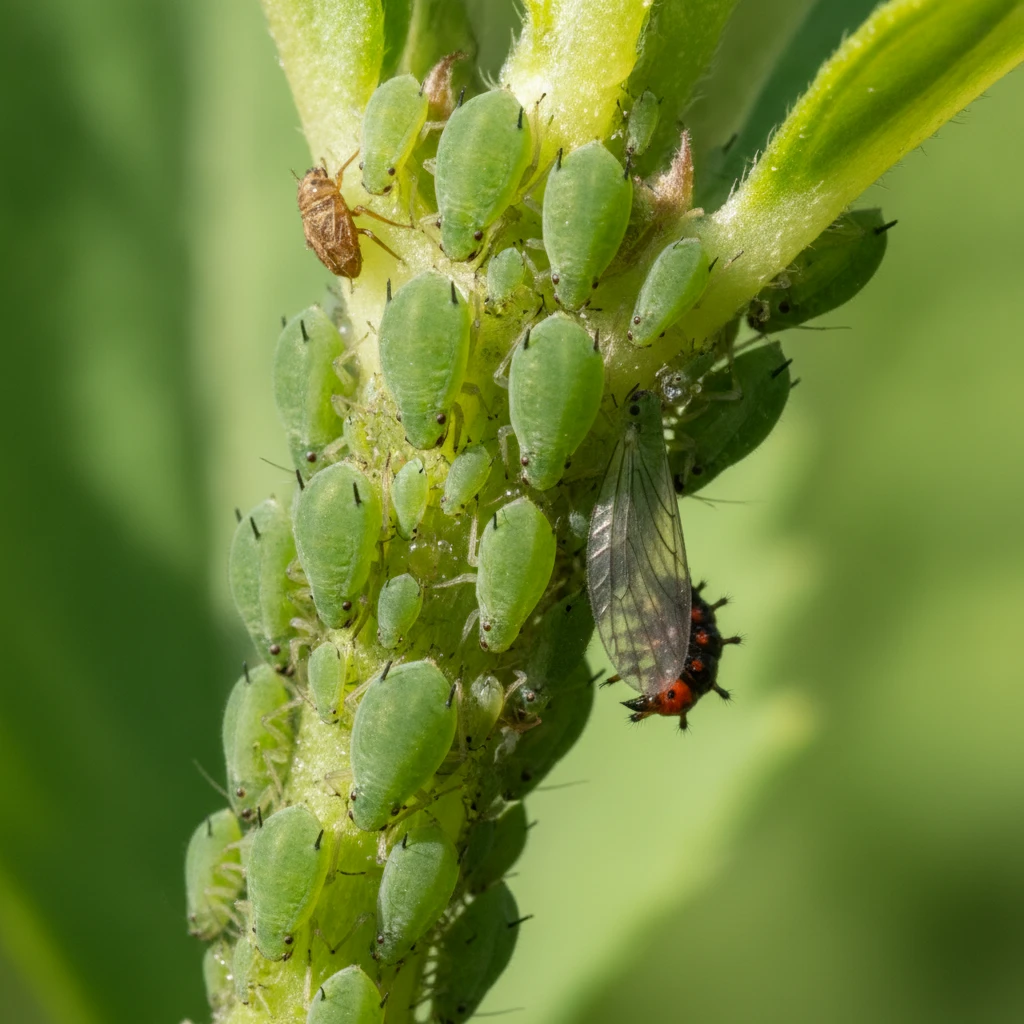
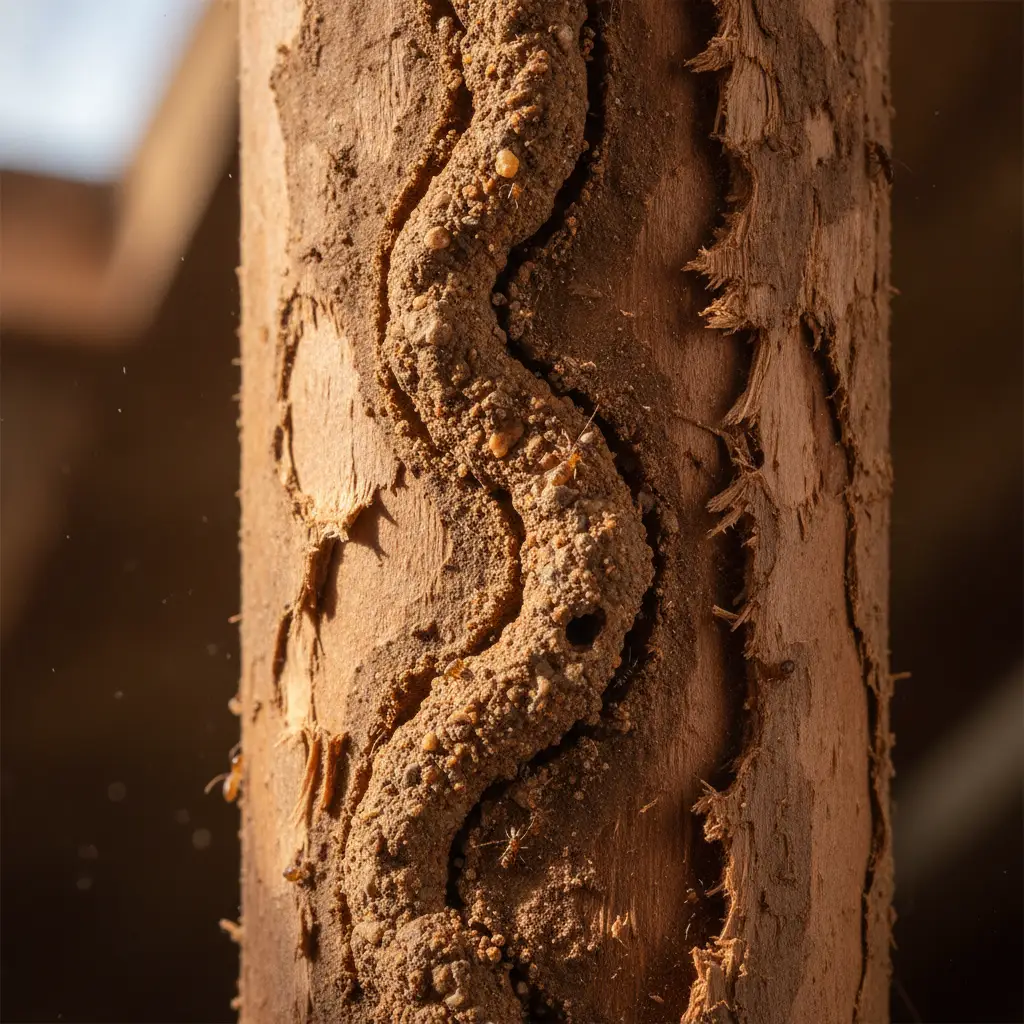
Every year, property owners face a silent, relentless invasion that compromises both structural integrity and human health. From the microscopic allergens shed by dust mites to the destructive tunneling of subterranean termites, pests are far more than just a passing nuisance. They represent a significant biological and economic threat to modern living spaces and commercial real estate alike. Implementing rigorous Insect & Bug Control is not merely a matter of aesthetic comfort; it is a fundamental requirement for comprehensive property maintenance.
Professional management strategies have evolved significantly over the past decade, moving far beyond the reactive spraying of harsh, broad-spectrum chemicals. Today, the industry focus is firmly on integrated methodologies that target the root environmental causes of infestations. By understanding the biological behaviors, breeding cycles, and foraging habits of these invaders, specialists can disrupt their life cycles permanently and safely.
This evolution in pest management protects local ecosystems while ensuring that homes remain safe sanctuaries for families and pets. When property owners educate themselves on the behavior of common pests and the standards of professional eradication, they are better equipped to make informed decisions. The following guide explores the critical facets of modern pest management, from targeted extermination techniques to strict regulatory compliance.
Key Takeaways
Effective Insect & Bug Control requires a comprehensive, multi-tiered approach targeting both interior habitats and exterior perimeters. Professional extermination ensures safe, EPA-compliant eradication of resilient pests like cockroaches and bed bugs. Understanding industry standards, safety metrics, and transparent quotation processes is essential for long-term property protection.
Extermination Services for Crawling and Flying Insects
When an infestation breaches the threshold of a home or business, swift and decisive action is absolutely required. Crawling and flying insects are notorious for their rapid reproduction rates and their uncanny ability to hide in the most inaccessible architectural crevices. Comprehensive Insect & Bug Control protocols are specifically designed to eliminate these threats at their biological source.
Attempting to manage these infestations with over-the-counter sprays often exacerbates the problem by scattering the colony. Professional technicians utilize targeted baits, non-repellent liquid applications, and insect growth regulators to systematically dismantle the population. This scientific approach ensures that both adult insects and unhatched eggs are neutralized effectively.
Cockroaches: The Resilient Health Hazard
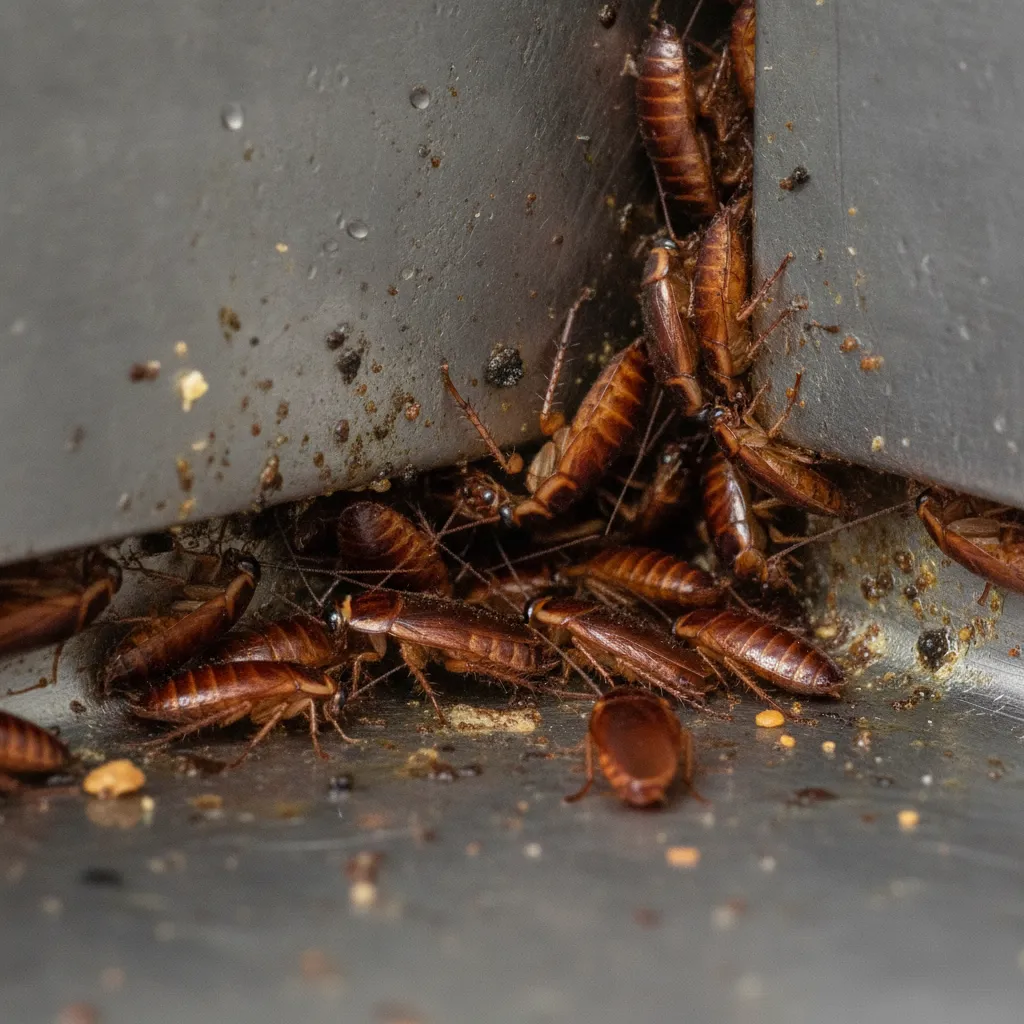
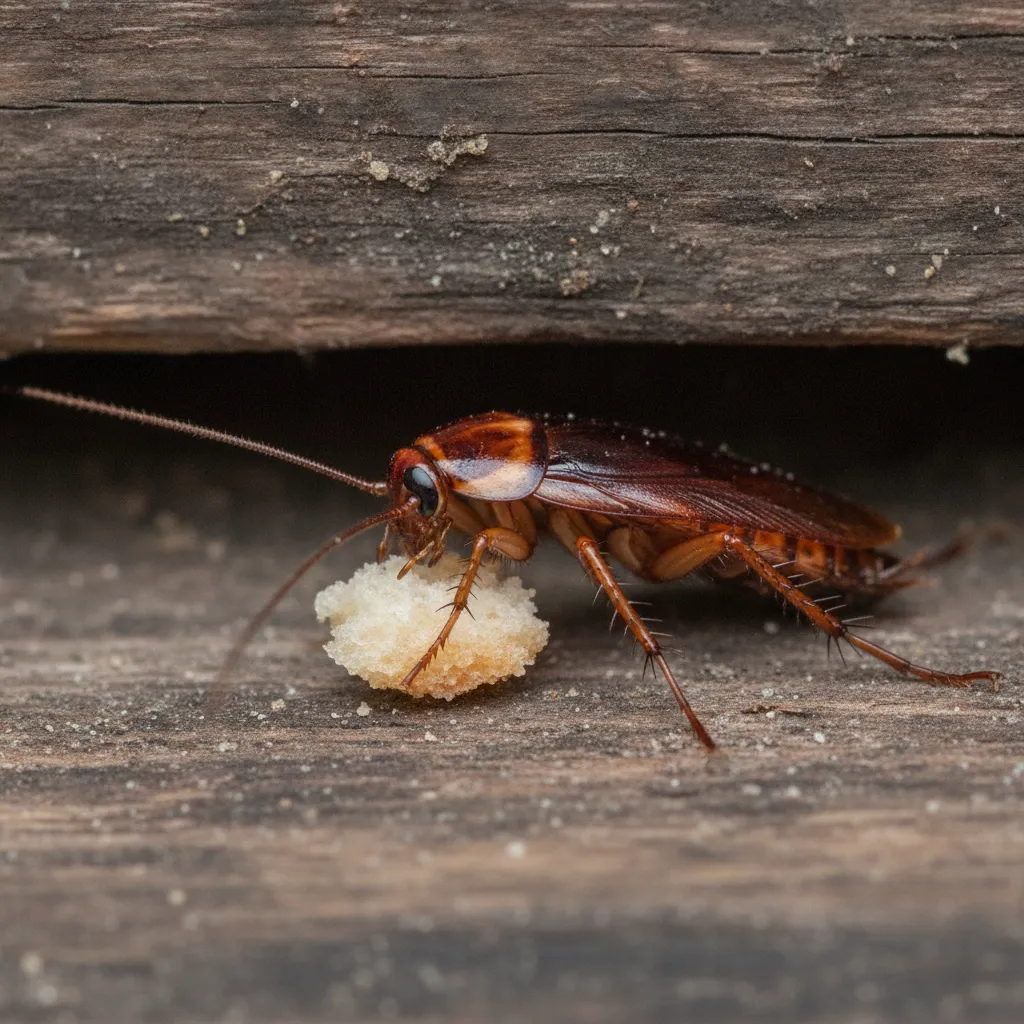
Cockroaches are among the most detested and biologically resilient pests found in urban and suburban environments worldwide. They are known carriers of various dangerous pathogens, including Salmonella and E. coli, which they spread across food preparation surfaces. Furthermore, their shed skin and droppings can trigger severe asthma attacks and allergic reactions, particularly in young children and immunocompromised individuals.
Eradicating a cockroach infestation requires significantly more than superficial surface-level chemical treatments. Professionals utilize advanced insect growth regulators (IGRs) and targeted gel baits that the insects unknowingly carry back to their hidden nesting sites. This deliberate, cascading effect ensures the destruction of the entire colony, rather than just the visible foragers wandering the kitchen at night.
Ants: Structural and Sanitary Threats
Ants may seem relatively harmless when encountered individually on a sidewalk, but their massive, interconnected colony structures pose significant challenges indoors. Certain species, like Carpenter Ants, can cause severe structural damage by excavating wooden beams to build their satellite nests. Other species, such as the highly invasive Fire Ant, pose direct physical threats to humans and pets through their painful, venomous stings.
According to comprehensive pest management surveys, ants account for over 33% of household pest complaints, making them the most frequently encountered nuisance. Effective management relies heavily on identifying the specific ant species and locating the primary colony. These main colonies are often situated deep underground or hidden entirely within complex wall voids.
Bed Bugs: The Psychological Toll
Bed bugs have experienced a massive global resurgence over the last two decades, driven largely by increased international travel and widespread pesticide resistance. These nocturnal parasites feed exclusively on human blood, leaving behind itchy, red welts and causing immense psychological distress for the occupants. The stigma, sleep deprivation, and anxiety associated with bed bugs often drive property owners to extreme and sometimes dangerous measures.
Successful eradication demands meticulous inspection and a strategic combination of chemical and thermal heat treatments. Bed bugs are incredibly hardy; they can survive for months without a blood meal and hide seamlessly in the microscopic seams of mattresses, behind baseboards, and even inside electrical outlets. Only a rigorous, multi-faceted approach can guarantee their complete and permanent removal.
Never use outdoor agricultural chemicals indoors to treat bed bugs or cockroaches. These formulations are highly toxic in enclosed spaces, remain active for dangerous periods, and violate strict environmental protection guidelines.
Why Choose Professional Yard Services
The ongoing battle against household pests is rarely won entirely indoors. The exterior perimeter of a property serves as the primary staging ground for insects aggressively seeking food, water, and shelter. By implementing professional yard services, property owners can establish a robust, invisible defensive barrier that stops pests before they ever cross the threshold of the building.
Exterior treatments focus on disrupting the natural pathways that pests use to navigate toward human structures. This involves treating foundation walls, eaves, and window frames with specialized micro-encapsulated products that withstand weather conditions. A strong exterior defense significantly reduces the need for extensive indoor chemical applications, promoting a healthier indoor air quality.
Eliminating Source Habitats
Insects absolutely thrive in exterior environments that offer abundant moisture, shade, and decaying organic debris. Overgrown vegetation touching the siding, clogged rain gutters, and persistent standing water create perfect, undisturbed breeding grounds for mosquitoes, ticks, and ants. Professional yard services focus heavily on identifying and neutralizing these micro-habitats through targeted environmental modifications.
By aggressively trimming back foliage from the exterior walls and ensuring proper soil drainage away from the foundation, the conditions that attract pests are drastically reduced. This proactive, landscape-level approach is a core cornerstone of modern, sustainable pest management strategies. It addresses the root cause rather than merely treating the symptoms.
Repairing leaky outdoor faucets and ensuring your lawn irrigation system does not create standing water pools can organically reduce mosquito and ant populations around your property by up to 50 percent.
Key Metrics & Essential Standards
The modern pest control industry is governed by strict regulatory frameworks and highly measurable performance metrics. These rigorous standards ensure that treatments are not only highly effective but also exceptionally safe for humans, domestic pets, and the broader local ecosystem. Understanding these metrics helps property owners make informed, data-driven decisions regarding their Insect & Bug Control strategies.
Compliance with national and local environmental laws is non-negotiable for reputable service providers. Technicians undergo extensive training to calculate precise application rates and understand the ecological impact of their chosen methodologies. This scientific precision separates professional exterminators from amateur, high-risk DIY approaches.
The Economic Impact of Pests
The financial toll of uncontrolled pest infestations is staggering, deeply affecting both massive agricultural sectors and individual residential real estate investments. In Australia alone, invasive species and pests have cost the national economy an estimated $390 billion over the past 60 years. Invertebrate pests specifically account for hundreds of millions of dollars in annual agricultural and structural losses.
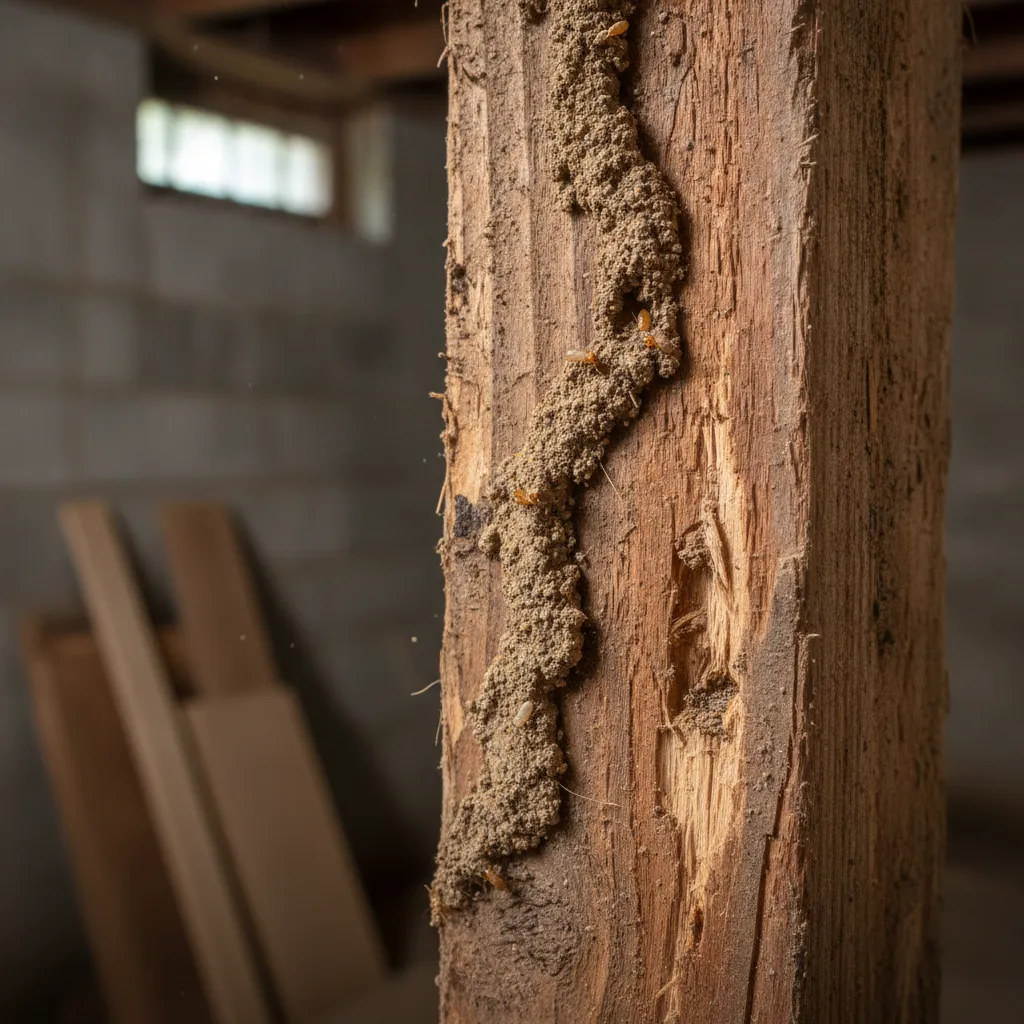
On a localized residential level, untreated termite infestations or severe, unchecked rodent problems can rapidly decimate property values. Investing in proactive, preventative control is statistically proven to be vastly more cost-effective than financing major structural timber repairs after the damage is already done. Prevention is always cheaper than reconstruction.
Regulatory Compliance and Safety
Professional pest management is heavily and rightly regulated to protect overarching public health and fragile environmental ecosystems. In Australia, the Australian Pesticides and Veterinary Medicines Authority (APVMA) strictly registers all approved chemicals, while local Environmental Protection Authorities (EPA) enforce their safe, legal application. These dual layers of oversight guarantee product safety.
Licensed technicians must adhere to uncompromising guidelines regarding chemical storage, precise application rates, and safe waste disposal protocols. This ensures that the active chemical ingredients target the specific pests without leaving dangerous, lingering residues in human living areas. Unlicensed operators who bypass these laws pose a severe risk to public safety.
| Evaluation Criteria | DIY Methods | Professional Services |
|---|---|---|
| Overall Efficacy | Often temporary; typically targets only visible, foraging pests. | Long-term reliability; completely eliminates hidden root colonies and nests. |
| Health & Safety | High risk of accidental misapplication, inhalation, and pet exposure. | Strictly EPA-compliant; highly controlled applications safe for pets and children. |
| Financial Cost | Low initial shelf cost, but high long-term expense due to repeated failures. | Higher initial investment, but definitively prevents costly structural damage. |
Always request to see a visiting technician’s valid pest control license and ensure the specific products they intend to use are actively registered by the relevant environmental authority.
Service Bookings & Quotations
Navigating the administrative and logistical side of pest management can sometimes feel overwhelming for property owners. However, reputable companies within the industry have streamlined the quotation and inspection processes to provide maximum clarity and transparency. Understanding exactly how these vital services are priced ensures that consumers receive fair, accurate, and highly competitive assessments.
A standardized approach to quoting protects both the service provider and the client from unexpected costs. By breaking down the metrics of an infestation, professionals can offer tailored solutions rather than generic, ineffective packages. This educational transparency is a hallmark of a trustworthy pest management firm.
Factors Influencing Quotations
Pest control quotes are rarely a simple one-size-fits-all scenario. The final calculated cost of a service depends heavily on several critical variables, including the square footage of the property, the severity of the active infestation, and the specific biological type of pest being targeted. A sprawling rural estate with a massive, entrenched termite colony will naturally require a vastly more extensive intervention than a small urban apartment dealing with a minor seasonal ant issue.
Professional estimators typically conduct a highly thorough on-site inspection before finalizing any binding quote. This vital step allows them to identify hidden nesting sites, assess structural vulnerabilities, and determine the most effective scientific combination of treatments needed to resolve the problem completely. The inspection process generally includes:
- A comprehensive visual assessment of all interior baseboards, plumbing penetrations, and dark crevices.
- Moisture readings in basements, crawlspaces, and attics to identify potential breeding zones.
- An exterior perimeter walk to locate foundational cracks, trailing insects, and overgrown vegetation.
- Identification of the exact pest species to tailor the specific chemical or baiting approach.
What to Expect in a Professional Quote
A comprehensive, professional quotation should clearly and legibly outline the entire scope of work, the specific registered chemicals or baiting methods to be utilized, and the expected timeline for total eradication. It should also include precise details about any necessary follow-up visits, as many resilient pests require multiple, staggered treatments to successfully break their complex reproductive cycles.
Absolute transparency is a defining hallmark of a trustworthy service provider in this industry. The formal quote should clearly break down labor costs, material expenses, and outline any warranties or guarantees associated with the completed work. This high level of granular detail protects the consumer legally and sets clear, manageable expectations from day one.
Many professional pest control quotes include a binding service guarantee. This means if the targeted pests return within a specified timeframe, the technicians will perform additional required treatments at no extra cost to the property owner.
The Importance of Routine Maintenance
One-off emergency treatments are highly effective for resolving immediate, visible crises, but long-term property protection requires dedicated, ongoing maintenance. Many top-tier companies offer customized quarterly or bi-annual service plans that provide continuous monitoring and proactive preventative treatments. These plans are designed to adapt to seasonal pest behaviors.
These structured maintenance plans are almost always more economical in the long run. By keeping a protective chemical and physical barrier active year-round, property owners can completely avoid the immense stress, health risks, and massive financial expense of full-blown structural infestations.