The Hidden Threat of Rodent Infiltration
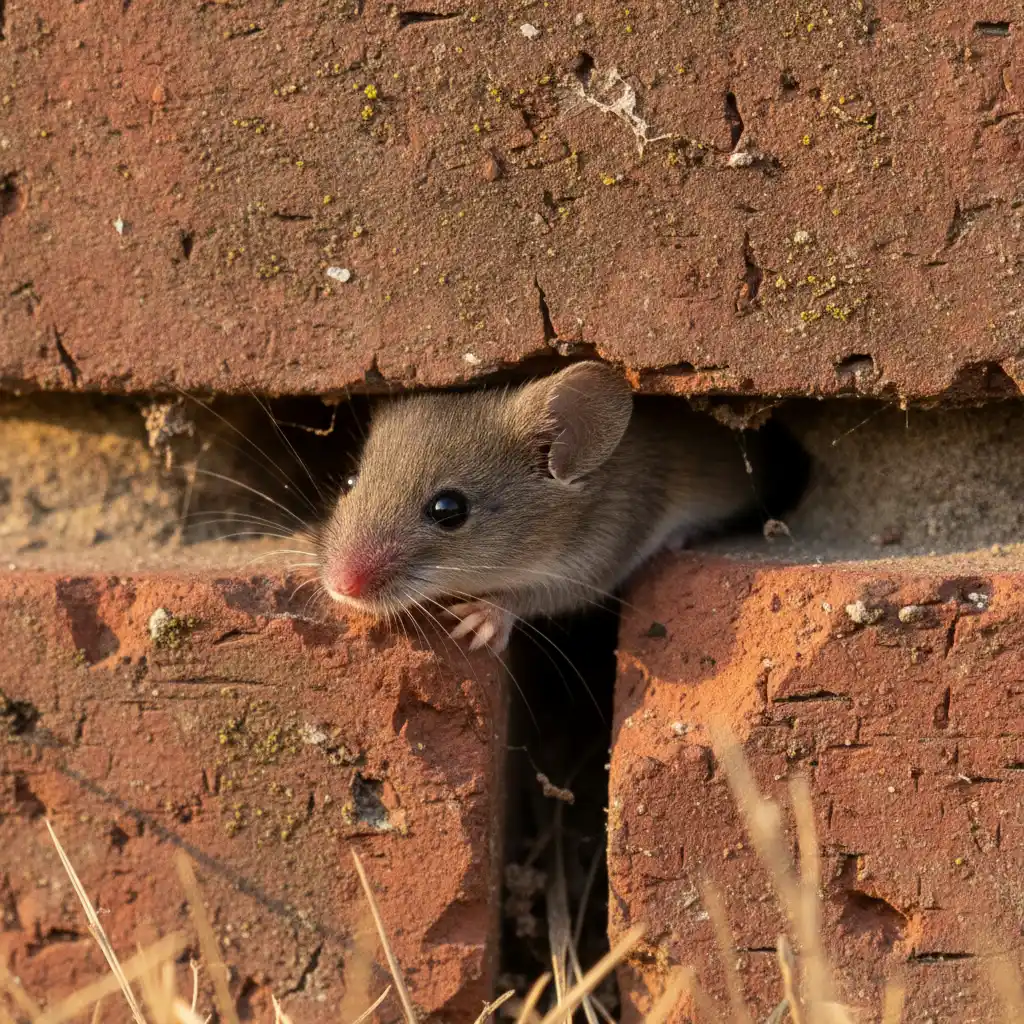
A common house mouse possesses a remarkably flexible skeleton, allowing it to compress its body and squeeze through gaps as small as six millimetres. To put that into perspective, that is roughly the width of a standard wooden pencil. If you can slide a pen under your exterior door or into a minor foundation crack, a rodent can effortlessly bypass your perimeter.
Rats require slightly more room, but not much. A fully grown rat can navigate through a gap of just 12 to 19 millimetres. This incredible biological advantage makes traditional trapping and baiting methods largely ineffective as a standalone, long-term solution.
As long as structural vulnerabilities exist, new pests will simply replace the ones you eliminate. This is exactly why comprehensive Rodent Proofing & Exclusion is the only sustainable strategy for maintaining a pest-free environment.
By physically blocking access points and altering the surrounding habitat, property owners can permanently disrupt the rodent lifecycle. In this guide, we will explore the critical steps, materials, and standards required to fortify your property against these relentless invaders.
Key Takeaways
Rodent proofing & exclusion is the process of sealing structural gaps to prevent pest entry. Mice can enter holes as small as 6mm. Effective exclusion requires specialized materials like copper mesh and metal flashing, combined with exterior yard management, to ensure permanent, long-term rodent control.
Sealing Entry Points and Structural Modifications to Prevent Re-entry
The core foundation of Rodent Proofing & Exclusion lies in meticulous structural modification. Rodents are opportunistic scavengers that constantly probe building perimeters for warm air currents and food odors escaping from tiny crevices.
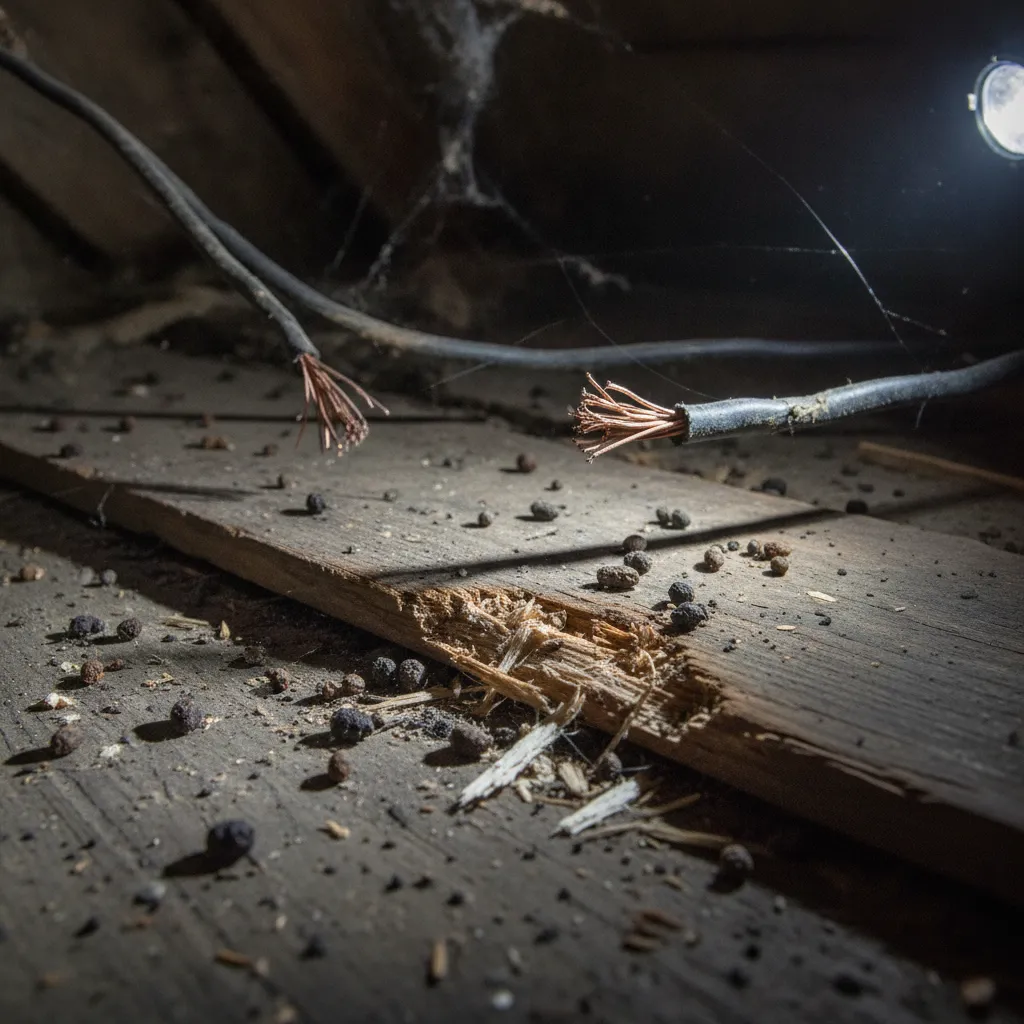
Once an entry point is discovered, a rat or mouse will use its continuously growing incisors to gnaw the hole until it is wide enough to pass through. This makes standard building materials like plastic, wood, and basic rubber weatherstripping highly vulnerable to rodent damage.
To successfully fortify a structure, the materials used must be completely impervious to gnawing. Without implementing these resilient barriers, any pest control effort is simply treating the symptom rather than the underlying disease.
Identifying Common Vulnerabilities
Thorough inspections must focus on the transitional zones of a building. The most common infiltration points occur where different building materials meet, or where utility lines penetrate the exterior envelope.
Air conditioning conduits, plumbing pipes, and gas lines rarely sit perfectly flush against brick or siding. The resulting gaps are prime real estate for nesting rodents. Additionally, roofline intersections, damaged soffits, and uncovered subfloor vents provide easy access for climbing species like roof rats.
Even seemingly secure areas like garage doors can be compromised. If the rubber sweep at the bottom of the door is worn or uneven, mice will easily slide underneath during the colder months in search of warmth.
Professional-Grade Exclusion Materials
Amateur attempts at sealing holes often fail because the wrong materials are utilized. For instance, standard expanding polyurethane foam is easily chewed through by a determined rat in a matter of minutes.
Effective structural modification requires chew-proof materials. Pest control professionals rely on copper mesh, galvanized hardware cloth, and specialized rodent-blocking sealants. Copper mesh is particularly effective because it gets caught in the rodent’s teeth and causes severe discomfort, deterring further gnawing.
For larger gaps, such as those beneath garage doors or exterior entryways, heavy-duty metal kick plates and brush sweeps reinforced with metal cores are essential. These modifications not only stop rodents but also improve the overall energy efficiency of the building by eliminating drafts.
Walk the perimeter of your property at night with a bright flashlight. Shine the light parallel to the foundation walls and upward toward the eaves. Look for greasy smudge marks (sebum), fresh droppings, or gnaw marks around vent covers and pipe penetrations.
Why Choose Professional Yard Services for Exterior Exclusion
A common misconception is that rodent problems begin inside the house. In reality, indoor infestations are merely a symptom of a thriving exterior population. The immediate yard and landscape serve as the staging ground for building incursions.
This is why comprehensive Rodent Proofing & Exclusion must extend beyond the physical structure and address the surrounding environment. Professional exterior services focus on habitat modification, essentially making your yard inhospitable to pest species.
If the exterior environment continues to support a large rodent population, the sheer pressure on the building perimeter will eventually lead to a breach. Managing the yard is proactive defense.
Habitat Modification and Perimeter Defenses
Rodents require three basic elements to survive: food, water, and shelter. Dense ground cover, overgrown shrubs, and accumulated leaf litter provide perfect hiding spots from natural predators like owls and cats.
By implementing professional yard management, you remove these critical survival elements. This includes trimming tree branches at least two meters away from the roofline, as roof rats use overhanging limbs as natural bridges to access your attic.
Furthermore, proper exterior exclusion involves managing food sources. Fallen fruit, unsecured compost bins, and scattered birdseed are massive attractants. Addressing these yard vulnerabilities drastically reduces the rodent pressure on the exterior walls of your property.
Addressing Subterranean Threats
Certain species, such as Norway rats, are notorious burrowers. They will excavate complex tunnel systems beneath concrete slabs, patios, and retaining walls. This subterranean activity can undermine foundations and create hidden access points into crawlspaces.
Professional yard exclusion addresses these threats by installing subterranean barriers. Trenching around vulnerable slabs and installing buried hardware cloth prevents rats from digging underneath.
Additionally, collapsing old burrows and filling them with a mixture of soil and gravel ensures that new generations of rodents cannot simply move into abandoned tunnel networks.
Create a vegetation-free zone around your foundation. Install a 60-centimetre wide border of crushed gravel or river rock directly against the exterior walls. Rodents dislike crossing exposed, open terrain, making this an excellent passive deterrent.
Key Metrics & Essential Standards
Understanding the data behind pest behavior highlights exactly why exclusion is so vital. Relying solely on toxic baits introduces immense risks to native wildlife through secondary poisoning, while failing to address the root cause of the infestation.
Statistically, exclusion methods yield the highest long-term success rates in pest management. When structural gaps are sealed according to industry standards, re-infestation rates drop dramatically.
The financial return on investment for exclusion is also highly favorable. The cost of replacing chewed electrical wiring, decontaminating attic insulation, and repairing water damage from gnawed plumbing far outweighs the upfront cost of professional proofing.
Common Infiltration Zones
Data collected from residential and commercial pest inspections reveals distinct patterns in how rodents breach buildings. Roofs and eaves consistently rank as the highest vulnerability, closely followed by foundation gaps.
Meeting essential industry standards requires addressing every single one of these zones. A failure to secure just one subfloor vent or one degraded pipe seal renders the rest of the exclusion work useless.
This is why professional pest managers utilize detailed checklists to ensure 100% compliance across the entire building envelope, leaving absolutely no margin for error.
Never rely on rodenticides inside a building without sealing entry points first. Poisoned rodents will often retreat into inaccessible wall voids or ceiling cavities to die, resulting in severe odor problems and secondary infestations of blowflies or carpet beetles.
Comparing Exclusion Methods
Many property owners attempt DIY repairs before seeking professional help. While minor caulking is beneficial, complex structural proofing requires specific expertise to guarantee long-term efficacy.
The table below outlines the stark differences between amateur repair attempts and the strict standards upheld by professional rodent proofing and exclusion methods.
| Feature / Metric | DIY Exclusion Methods | Professional Exclusion Standards |
|---|---|---|
| Materials Used | Standard expanding foam, plastic mesh, duct tape | Copper mesh, galvanized hardware cloth, metal flashing |
| Durability | Low (Easily chewed through in days) | High (Permanent, chew-proof barriers) |
| Inspection Scope | Ground level, easily visible gaps | Full structural audit, including rooflines and subfloors |
| Long-Term Efficacy | Temporary fix; high re-infestation rate | Permanent disruption of the rodent lifecycle |
Service Bookings & Quotations: What to Expect
When navigating the process of securing a property, understanding the administrative and financial aspects of the service is crucial. Professional Rodent Proofing & Exclusion is not a one-size-fits-all commodity.
Because every building features unique architecture and varying levels of deterioration, quotations are strictly customized. A reputable provider will never offer a blind quote over the phone without first conducting a comprehensive on-site assessment.
Transparency during the quotation process is a hallmark of professional service. Property owners should expect a detailed breakdown of the required materials, labor hours, and specific structural areas that need addressing.
The Inspection and Assessment Phase
The booking process begins with a detailed forensic inspection of the property. Technicians evaluate the interior spaces, crawlspaces, attics, and the exterior perimeter to map out active entry points.
During this phase, professionals look for physical evidence such as sebum trails, nesting materials, and structural damage. This audit forms the basis of the customized exclusion plan, ensuring that no hidden vulnerabilities are overlooked.
Additionally, the inspection will identify whether pests are currently trapped inside. If so, the plan will outline the installation of specialized one-way doors, allowing rodents to exit the building but preventing their return.
Understanding Cost Factors
Pricing for exclusion services varies based on the size of the property, the severity of the infestation, and the accessibility of the entry points. On average, standard residential rodent proofing ranges from $250 to $500.
However, if the property has suffered severe structural damage, or if complex roofline repairs are required, costs can exceed $1,200. These higher-tier quotations often include extensive sanitation and heavy-duty metal fabrication work.
While the initial investment in professional rodent proofing & exclusion may seem higher than basic trapping, it is significantly more cost-effective over time. It prevents the recurring costs of cyclical pest control treatments and protects the property from expensive electrical or plumbing damage caused by gnawing rodents.
High-quality exclusion work is typically backed by a service warranty. This means that if rodents manage to breach the newly installed exclusion materials within a specified timeframe, the provider will return to rectify the issue and re-secure the perimeter at no additional cost.