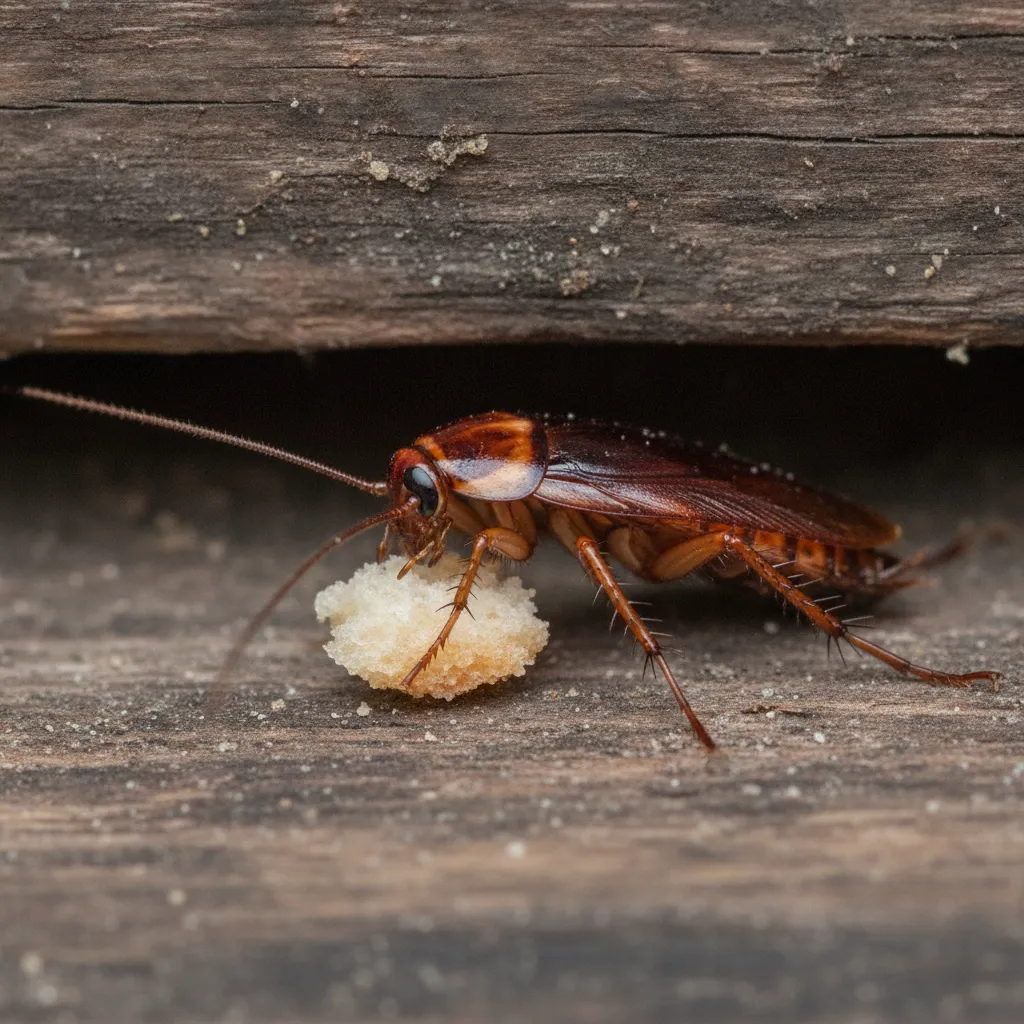
A single cockroach sighting in a commercial kitchen or a rat scurrying across a warehouse floor can trigger immediate health inspections. These minor incidents often lead to catastrophic reputation damage and severe financial losses for business owners. In the high-stakes environment of enterprise operations, reactive extermination methods are simply no longer sufficient.
Today’s strict regulatory landscape demands proactive, scientifically backed solutions to keep facilities fully compliant and fundamentally pest-free. Whether you are managing a bustling metropolitan restaurant, a large-scale manufacturing plant, or a multi-story office building, mastering the nuances of commercial pest control is non-negotiable.
This comprehensive guide explores the critical methodologies, legal compliance standards, and advanced exterior yard defenses required to protect your enterprise. We will break down everything from industry-specific metrics to the core principles of Integrated Pest Management.
Key Takeaways
Effective commercial pest control requires proactive Integrated Pest Management (IPM) rather than reactive chemical spraying. Businesses must prioritize rigorous documentation, strict regulatory compliance, and specialized exterior yard defenses to prevent costly audit failures and safeguard their operational reputation.
Introduction to Commercial Pest Control
The commercial pest management industry has undergone a massive transformation over the past decade. Businesses have shifted away from indiscriminate chemical spraying toward highly targeted, data-driven eradication strategies. This evolution is driven by stricter environmental regulations and the growing demand for sustainable business practices.
Modern commercial pest control focuses heavily on the biology and behavioral patterns of specific insect and rodent populations. By understanding how pests breed, forage, and migrate, technicians can intercept them before they breach a facility’s interior walls. This proactive methodology is globally recognized as Integrated Pest Management (IPM).
IPM minimizes environmental risks while maximizing the long-term efficacy of the treatment. It prioritizes structural exclusion, sanitation improvements, and localized baiting over widespread pesticide application. Ultimately, this approach protects both the consumer and the integrity of the commercial supply chain.
Pest infestations carry a massive economic burden for the commercial sector. Contaminated inventory, structural damage to wiring, and emergency facility shutdowns can cost companies thousands of dollars overnight.
Discreet and Compliant Pest Management Programs for Auckland Businesses
Urban environments present a unique set of ecological pressures that drive pests indoors rapidly. In regions like Auckland, the combination of mild winters and highly humid summers creates the perfect breeding ground for invasive species. Commercial enterprises in these areas must remain constantly vigilant against seasonal pest surges that threaten daily operations.
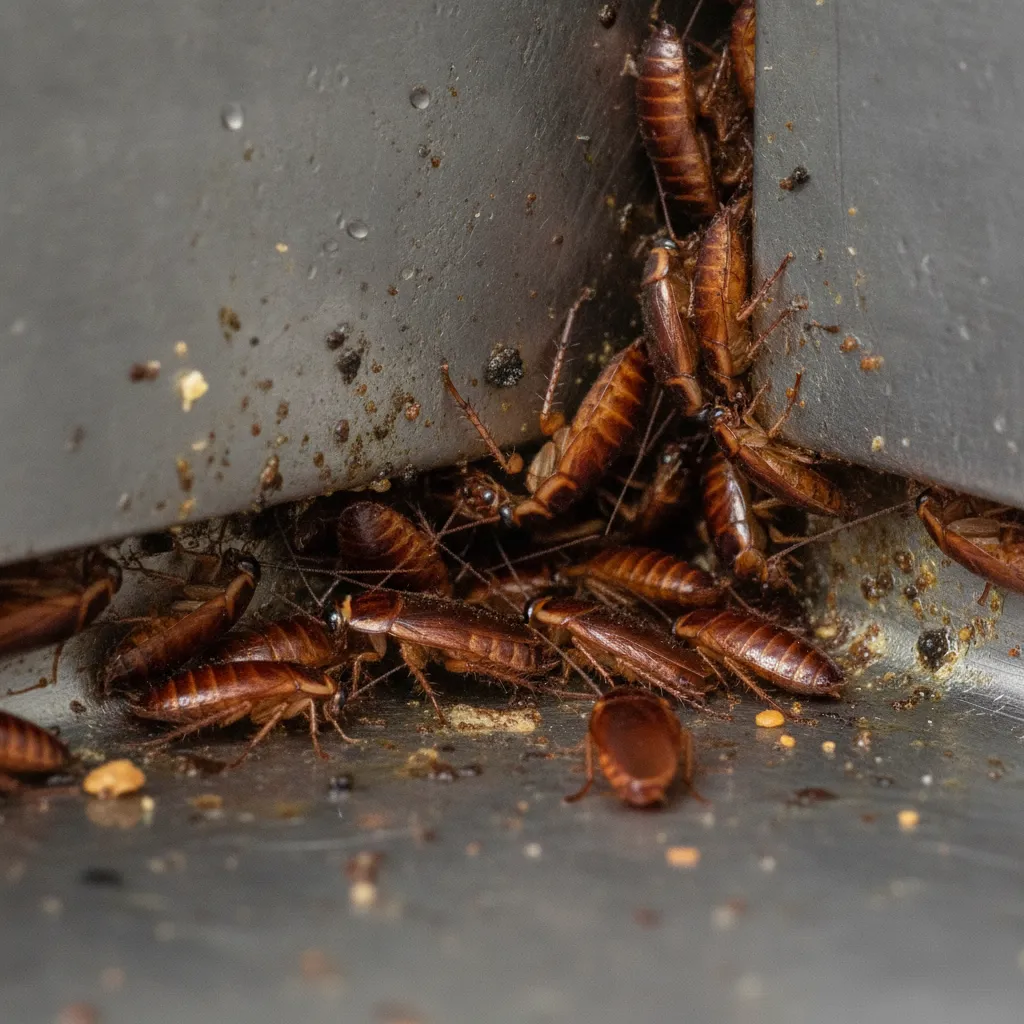
High-density retail zones and industrial parks are particularly vulnerable to cross-contamination between neighboring buildings. Norway rats, Ship rats, and German cockroaches are among the most persistent threats to local supply chains. These species are highly adaptable and can easily bypass basic structural defenses if a building is not properly sealed.
Consequently, discreet and compliant pest management programs are essential for Auckland businesses aiming to avoid costly operational disruptions. Proactive monitoring ensures that a minor exterior pest problem never evolves into a major interior crisis.
Navigating the Food Act 2014 and MPI Standards
For businesses operating within the food and beverage sector, regulatory compliance is the ultimate priority. The Ministry for Primary Industries (MPI) and the Food Act 2014 dictate stringent hygiene standards that leave zero room for pest activity. Failing a routine health audit due to a single pest sighting can result in immediate closure and heavy fines.
A professional pest control program ensures that your facility remains entirely audit-ready at all times. This involves maintaining detailed logbooks, mapping out bait station coordinates, and providing transparent chemical usage reports. Auditors expect to see a documented history of proactive pest prevention, not just reactive emergency treatments.
Strict adherence to these protocols protects your business license and consumer trust. It demonstrates to the public and regulatory bodies that you take environmental health and safety seriously.
Target Pests: Rodents, Cockroaches, and Ants
Norway rats are aggressive burrowing rodents that can gnaw through concrete, PVC pipes, and electrical wiring. Their destructive habits frequently cause severe fire hazards and catastrophic data loss in modern office buildings. German cockroaches reproduce at alarming rates, with a single female capable of producing hundreds of offspring in just a few months.
These pests carry dangerous pathogens like Salmonella and E. coli, directly threatening public health and employee safety. Furthermore, Argentine ants pose a massive threat to the hospitality sector by infiltrating food storage areas in massive numbers.
Eradicating these specific threats requires highly discreet treatments that do not alarm customers or disrupt the daily workflow of the staff. Strategic bait placements and odorless applications are paramount in these sensitive environments.
To maintain a professional image, commercial pest treatments are often scheduled during off-hours or weekends. This ensures that eradication efforts remain entirely invisible to your clientele.
Why Choose Professional Yard Services for Your Facility
Many business owners mistakenly believe that pest control is strictly an indoor endeavor. However, the vast majority of commercial infestations originate from poorly maintained exterior grounds. Overgrown vegetation, stagnant water accumulation, and unmanaged refuse areas serve as primary nesting sites for rodents and insects.
Ignoring the exterior of a commercial property guarantees a continuous influx of interior pests. Integrating professional yard services into your overall pest management strategy creates a vital perimeter defense system. By maintaining clear sightlines and eliminating outdoor harborages, you drastically reduce the pest pressure on your building’s exterior envelope.
This comprehensive approach is a critical step in preventing pests from ever crossing your threshold. It combines landscape management with structural exclusion for maximum efficacy.
Perimeter Defense and Exterior Grounds
Effective yard services encompass far more than basic landscaping; they are a strategic component of pest exclusion. Trimming tree branches away from rooflines prevents roof rats from accessing overhead entry points and HVAC systems. Similarly, removing dense ground cover near foundations eliminates the humid microclimates that attract ants, spiders, and centipedes.
Professional groundskeeping also ensures that rainwater is properly diverted away from the foundation. Standing water from poor drainage is a primary breeding site for mosquitoes and biting flies. By actively managing the physical landscape, businesses can naturally suppress pest populations without relying heavily on chemical interventions.
Always position commercial dumpsters and waste receptacles as far away from the main building entrances as possible. Regularly power-washing the concrete pads beneath them removes organic buildup that attracts flies and rodents.
Managing High-Risk Outdoor Pests
Routine perimeter treatments involve the strategic placement of tamper-resistant rodent bait stations along exterior fence lines. These stations intercept foraging rodents before they can migrate toward the warmth of the main facility. During the autumn months, seasonal pest surges drive massive populations of outdoor insects toward commercial buildings.
Applying specialized perimeter sprays around doors, windows, and loading docks establishes an invisible chemical barrier. When combined with expert weed control and refuse management, these exterior yard services form an impenetrable shield. This multi-layered defense is the hallmark of top-tier commercial pest control.
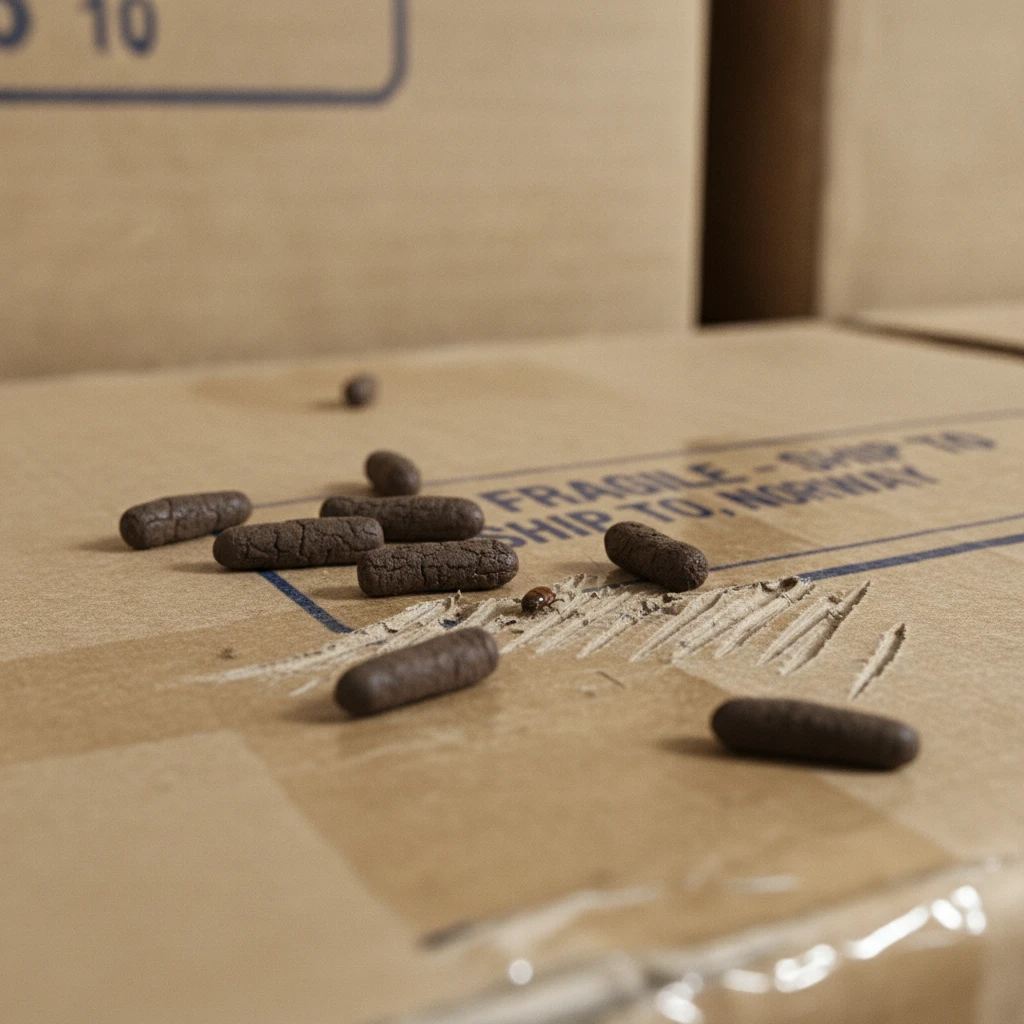
Key Metrics & Essential Standards in Pest Control
In the commercial sector, pest control must be strictly measurable and verifiable. Facility managers rely on hard data to track the efficacy of their pest management programs and justify their operational budgets. Without clear metrics, it is impossible to determine if a pest population is truly declining or merely hiding within the walls.
Advanced metrics allow businesses to move from a reactive stance to a predictive one. By analyzing catch rates and seasonal trends, management can allocate resources exactly where they are needed most.
HACCP and Integrated Pest Management (IPM)
Hazard Analysis and Critical Control Points (HACCP) is an internationally recognized system for reducing the risk of safety hazards in food. Commercial pest protocols must align perfectly with HACCP guidelines to ensure maximum consumer safety. This alignment guarantees that pest treatments do not inadvertently contaminate food products or packaging materials during application.
HACCP requires identifying critical control points where biological hazards can be prevented or eliminated. In pest control, this means rigorously monitoring loading docks, waste disposal areas, and raw material storage zones. If pests breach these critical points, the entire production batch may be compromised, leading to massive financial losses.
| Feature | Reactive Extermination | Integrated Pest Management (IPM) |
|---|---|---|
| Primary Focus | Treating existing, visible infestations | Preventing pests from entering the facility |
| Chemical Usage | Heavy, widespread pesticide application | Minimal, highly targeted baiting |
| Audit Readiness | Poor (lacks proactive documentation) | Excellent (fully documented history) |
| Long-Term Cost | High (recurring emergency call-outs) | Low (stable, predictable maintenance) |
Tracking and Reporting Audits
Modern pest control technicians utilize advanced software to scan barcodes on every trap and bait station during a site visit. This technology generates real-time data on pest activity levels across the entire commercial footprint. Facility managers can use this data to identify specific hotspots within a warehouse or retail space immediately.
Trend analysis reports are then generated to forecast potential seasonal outbreaks before they occur. This level of transparent reporting is exactly what government health inspectors look for during an unannounced facility audit. Maintaining these digital records ensures that your business remains in flawless legal standing year-round.
Before your next health inspection, ensure you have your digital pest sighting logs, updated bait station maps, and the Safety Data Sheets (SDS) for all chemicals used on-site readily available.
Service Bookings & Quotations
Securing a reliable pest management partner begins with a comprehensive evaluation of your commercial property. Because no two businesses face the exact same environmental pressures, standard flat-rate pricing is rarely applicable in the commercial sector. A highly customized approach is necessary to ensure all structural vulnerabilities are adequately addressed.
Proper scoping prevents under-treatment, which can lead to rapid re-infestations, and over-treatment, which wastes corporate resources. A tailored plan balances cost-efficiency with maximum protection.
The Site Assessment Process
The quotation process typically kicks off with an in-depth, on-site assessment conducted by a certified pest technician. During this inspection, the technician will evaluate the size of the facility, the nature of the business, and the current level of pest pressure. They will also identify hidden structural deficiencies, such as gaps under loading dock doors or compromised weather stripping.
Reviewing past audit reports allows the technician to tailor the program to your specific regulatory requirements. This meticulous assessment phase guarantees that the proposed solutions will effectively neutralize the root cause of the infestation. It is the foundation of any successful long-term commercial partnership.
Transparent Pricing Structures
Following the site assessment, businesses receive a detailed proposal outlining the recommended treatment frequencies and methodologies. Transparent pricing structures should clearly separate the initial clean-out costs from the ongoing preventative maintenance fees. This clarity helps facility managers accurately forecast their annual maintenance budgets.
A reputable service provider will always ensure you understand exactly what your customized service agreement entails. By investing in a tailored commercial pest control program, businesses protect their bottom line and secure their operational future. Quality pest management is an investment in brand protection, not just a maintenance expense.