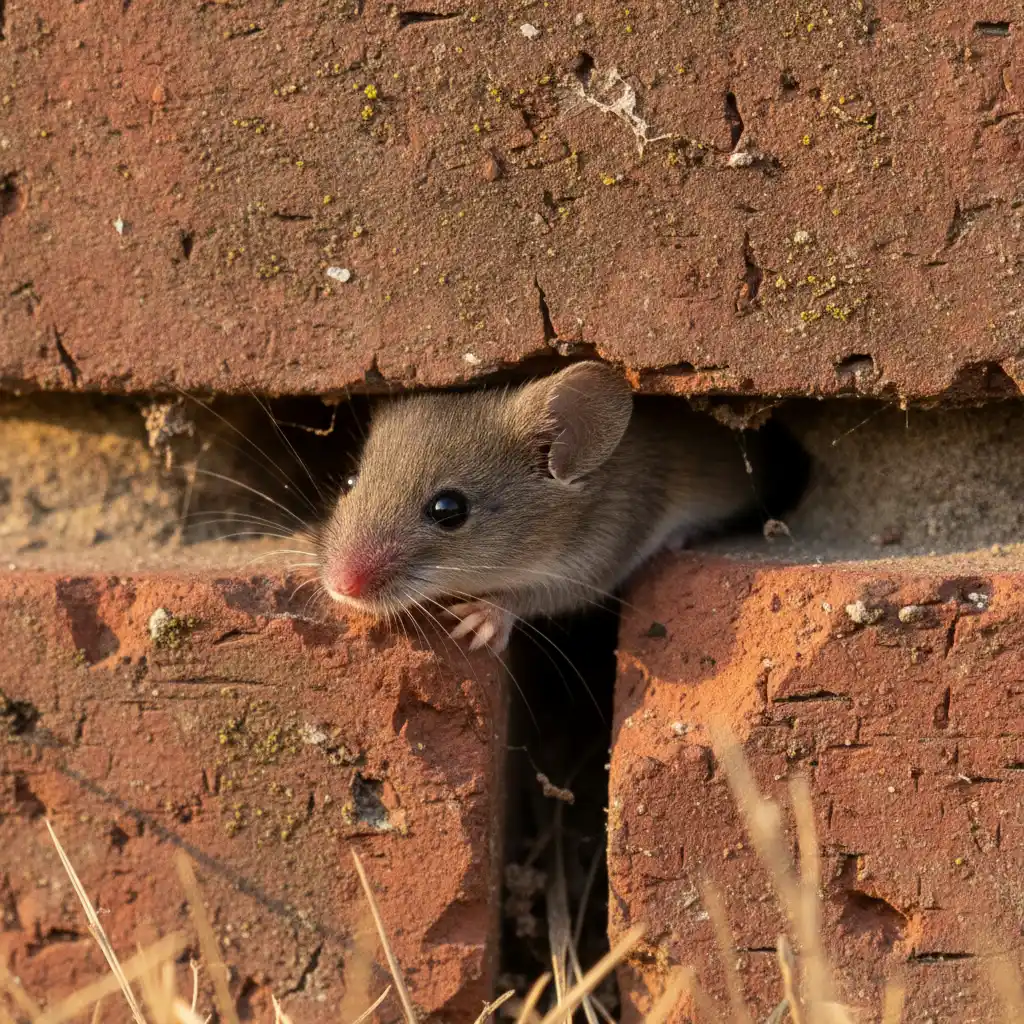
A single rustling sound in the walls or a solitary dropping under the kitchen sink is rarely an isolated incident. In the world of rodent management, what you see is only a tiny fraction of the actual population hiding within your property’s structural voids. When executing proper Mice Control & Baiting, timing and scientific precision are everything. Ignoring the early warning signs allows a highly adaptable species to establish a stronghold in your home or business.
The foundation of successful eradication relies on understanding the biological advantages these pests possess. Mice are survival experts, capable of squeezing through gaps as small as a quarter of an inch. Once inside, they contaminate food supplies, damage structural wiring, and introduce dangerous pathogens into human living spaces. Relying on scattered DIY traps is often a losing battle against their rapid reproductive capabilities.
To truly reclaim your space, property owners must adopt a multi-layered, professional approach. This involves a combination of targeted trapping, strategic chemical baiting, and aggressive environmental exclusion. By understanding the exact science behind modern eradication methods, you can permanently dismantle rodent populations and fortify your property against future invasions.
Key Takeaways
Effective Mice Control & Baiting requires a multi-layered approach combining tamper-resistant bait stations, strategic trapping, and environmental exclusion. Because female mice can produce up to 10 litters annually, early intervention using approved anticoagulants and perimeter management is critical to permanently eliminate infestations and prevent rapid re-entry.
The Science of Mouse Reproduction
To comprehend why infestations spiral out of control so rapidly, one must look at the biological data. A single female house mouse can birth between 5 to 10 litters every single year [1]. Each of these litters typically contains 5 to 14 pups, meaning a single female can produce upwards of 50 offspring annually under ideal indoor conditions.
What makes this truly alarming is the maturation rate of those offspring. Newborn mice reach sexual maturity in just 4 to 6 weeks [1]. Once mature, they immediately begin their own reproductive cycles, creating an exponential population explosion within your walls. This rapid generational turnover is the primary reason why casual pest control attempts inevitably fail.
Indoor environments provide a perfect breeding ground, shielding mice from harsh winters and natural predators. With a constant supply of warmth and food, breeding occurs year-round rather than being limited to warmer seasons. The chart below illustrates the terrifying reality of unchecked exponential rodent growth over a six-month period.
Effective Mice Trapping, Baiting, and Long-Term Prevention Strategies
Implementing professional Mice Control & Baiting protocols ensures that both the visible pests and the hidden colonies are eradicated. The most successful strategies do not rely on a single tool. Instead, they utilize a combination of lethal baiting, mechanical trapping, and physical exclusion to create an impenetrable defense system.
Baiting is the cornerstone of population reduction. Modern rodenticides are highly engineered chemical formulations designed to outsmart the rodent’s natural caution. Because mice are neophobic (fearful of new things), baits must be highly palatable and carefully placed in areas of high activity, such as along baseboards and inside wall voids.
Understanding Anticoagulant Baits
The majority of professional-grade baits are anticoagulants, which work by disrupting the rodent’s vitamin K cycle and preventing blood clotting [2]. These are broken down into two main categories: first-generation and second-generation toxins. First-generation baits require the mouse to feed multiple times over several days to ingest a lethal dose.
Second-generation anticoagulants, however, are far more potent. They deliver a lethal dose in a single feeding, though the effects still take several days to manifest [2]. This delayed action is a critical design feature; it ensures the rodent does not associate the bait station with illness, preventing the colony from developing “bait shyness.”
Mice are “nibblers” by nature. They will visit dozens of food sources a night, taking only small amounts from each. This is why placing multiple bait stations spaced 10 to 15 feet apart is far more effective than relying on one large baiting location.
Comparing Control Methods
While baiting addresses the hidden population, mechanical trapping serves a different purpose. Snap traps and multi-catch traps provide immediate, verifiable results and allow for the physical removal of the carcass. This prevents secondary issues, such as foul odors or blowfly infestations, from developing inside your walls.
| Control Method | Mechanism of Action | Best Use Case | Pros & Cons |
|---|---|---|---|
| 1st Gen Anticoagulants | Requires multiple feedings to disrupt blood clotting. | Maintenance baiting in lower-risk environments. | Pro: Lower toxicity to non-targets. Con: Takes longer to achieve colony control. |
| 2nd Gen Anticoagulants | Lethal dose achieved in a single feeding; delayed mortality. | Severe infestations requiring rapid population knockdown. | Pro: Highly effective against resistant strains. Con: Higher secondary poisoning risk. |
| Mechanical Snap Traps | Instant physical trauma causing immediate death. | Indoor living spaces where carcass retrieval is necessary. | Pro: Immediate proof of kill; no chemicals. Con: Labor-intensive to check and clear. |
Long-Term Exclusion Tactics
Killing the existing rodents is only half the battle. Without comprehensive exclusion strategies, new mice will simply follow the pheromone trails left by the previous occupants. Exclusion involves a meticulous inspection of the property’s exterior to identify and seal all potential entry points.
Common vulnerabilities include gaps around plumbing penetrations, damaged crawlspace vents, and deteriorated weather stripping under exterior doors. Materials used for sealing must be chew-resistant. Steel wool, copper mesh, and specialized rodent-proof caulking are essential tools, as mice can easily chew through standard silicone or expanding foam.
Why Choose Professional Yard Services
Mice do not spontaneously generate indoors; they migrate from the exterior environment when weather conditions worsen or food becomes scarce. This is why relying on expert environmental management and professional yard services is a critical component of holistic rodent control. Your yard acts as the first line of defense.
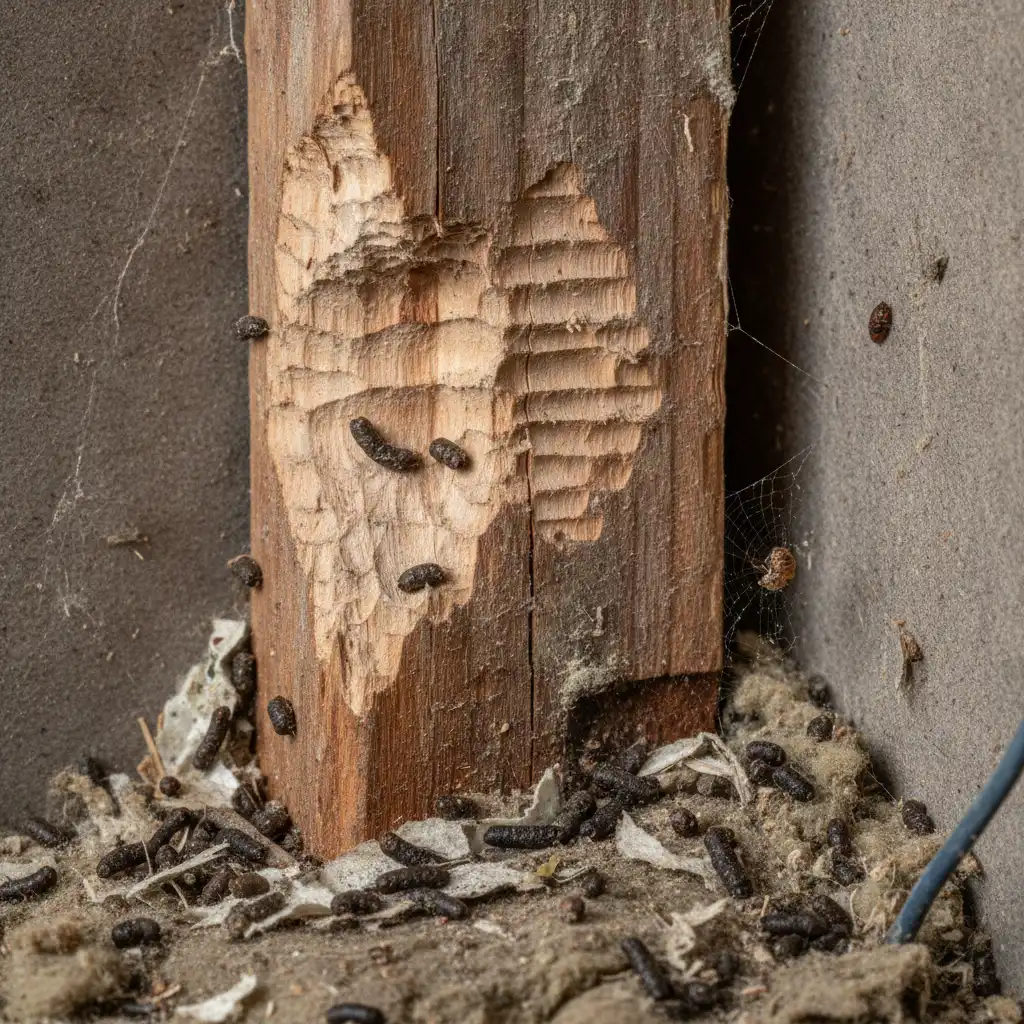
An overgrown or cluttered yard provides ideal harborage for rodents. Dense vegetation, accumulated leaf litter, and improperly stored firewood create protective micro-habitats where mice can nest and multiply unseen. Professional management focuses on the principles of Integrated Pest Management (IPM), systematically stripping away these exterior resources.
- Vegetation Management: Trimming tree branches and shrubs at least three feet away from the roofline and exterior walls to remove natural bridges.
- Moisture Control: Eliminating standing water, fixing leaky external spigots, and ensuring proper gutter drainage to remove vital water sources.
- Perimeter Baiting: Installing anchored, tamper-resistant exterior bait stations along fence lines and foundation walls to intercept rodents before they breach the structure.
By altering the exterior landscape, professional yard services ensure the environment immediately surrounding your property is entirely inhospitable to rodents. This proactive perimeter defense drastically reduces the pressure on your home’s exterior walls, making indoor infestations far less likely to occur.
Never place unprotected rodenticide blocks openly in your yard or garden. This highly dangerous practice exposes local wildlife, neighborhood pets, and children to severe secondary poisoning risks.
Key Metrics & Essential Standards
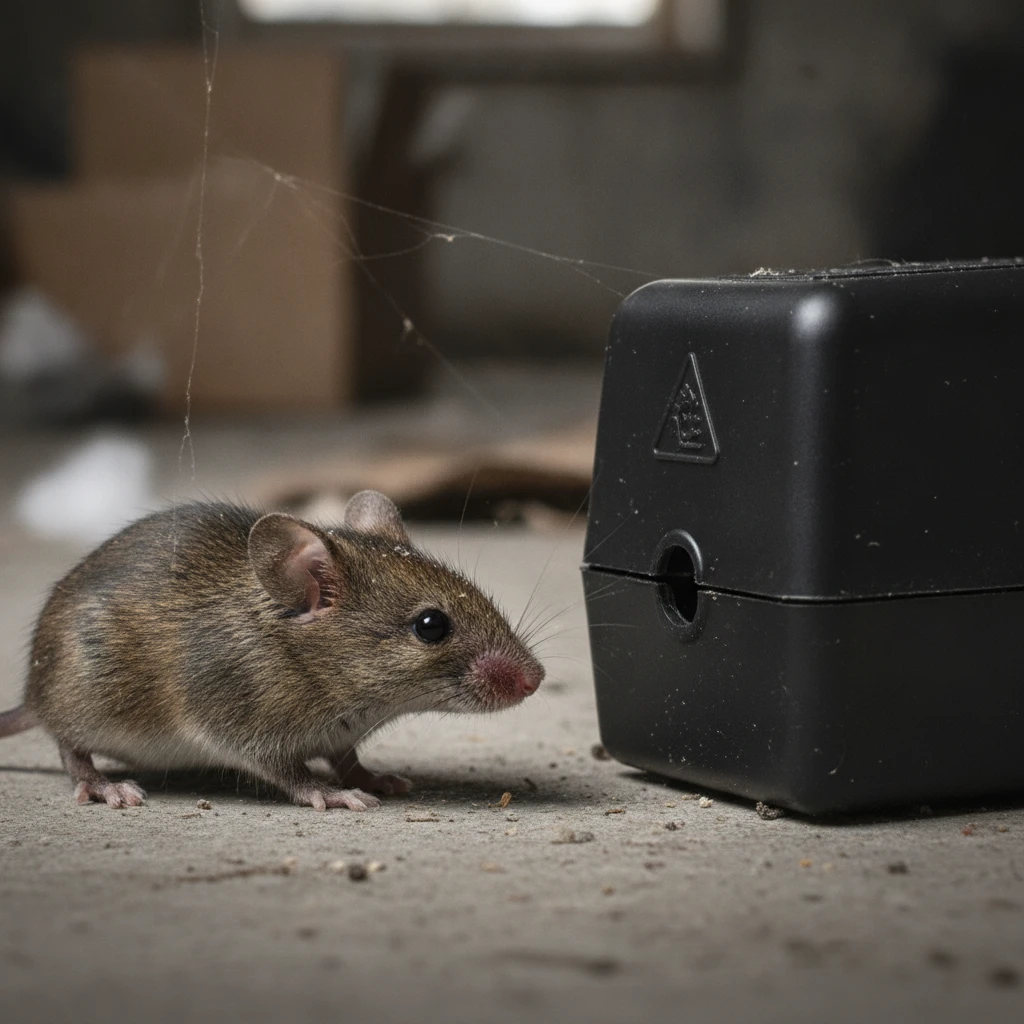
Modern Mice Control & Baiting standards strictly regulate how, where, and when toxic materials can be applied. Environmental Protection Agencies (both globally and locally, such as the NZ EPA) mandate that all rodenticides placed in areas accessible to non-target species must be housed within heavy-duty, lockable, tamper-resistant bait stations [3].
These stations are engineered with internal baffling systems that prevent a child or pet from reaching into the device and accessing the poison. Furthermore, the stations must be securely anchored to the ground or a structural element to prevent them from being dragged away by larger scavengers.
Another crucial metric in professional control is the placement distance and monitoring frequency. Because a mouse’s territorial range is remarkably small—often venturing no further than 10 to 30 feet from their nest—bait stations must be placed at precise, close intervals. Spacing stations too far apart guarantees failure, as the mice will simply never encounter them.
Routine monitoring is legally and practically essential. Bait stations should be inspected every 3 to 4 weeks. Degraded, moldy, or insect-infested bait must be replaced immediately, as rodents will reject unpalatable food sources.
Service Bookings & Quotations
For comprehensive Mice Control & Baiting, property owners must understand how professional assessments are structured. Reputable pest management providers do not offer blind quotes over the phone. Instead, the process begins with a rigorous, on-site inspection to evaluate the unique variables of your specific property.
During this initial assessment, technicians map out active runways, identify hidden entry points, and gauge the overall severity of the infestation. The resulting quotation is calculated based on several key factors: the square footage of the structure, the complexity of the required exclusion work, and the total number of bait stations needed to establish a secure perimeter.
A professional service package generally includes the initial knockdown treatment, the installation of commercial-grade hardware, and a series of scheduled follow-up visits. These follow-ups are vital for monitoring bait consumption rates, removing deceased rodents, and ensuring that the newly sealed entry points are holding up against the rodents’ attempts to chew back in.
Ultimately, investing in a structured, professionally quoted service plan is far more cost-effective than enduring the continuous cycle of property damage and health risks associated with a chronic, unmanaged rodent infestation.
When reviewing a pest control quotation, ensure it explicitly outlines an “Integrated Pest Management” (IPM) approach. A quote that only lists poison application without mentioning exclusion work or environmental recommendations is an incomplete solution.