You’ve got rats in the roof or cockroaches in the kitchen, and you want to know if it’s actually dangerous. The short answer is yes. The health impacts of pests in Auckland go far beyond a fright in the middle of the night or a chewed-up cereal box.
Cockroach droppings trigger severe asthma in kids, and rat urine spreads Leptospirosis—a bacterial infection that has hit record highs in New Zealand recently. We find how they’re getting in, block the entry points, and clear them out. Usually in one visit.
There is no fluff and no fear-mongering here. Just a straight-up eradication plan based on science and local regulations. Let’s look at exactly what these pests are bringing into your home or business, and how we stop them permanently.
Key Takeaways
The health impacts of pests in Auckland include severe asthma triggered by cockroach allergens and bacterial infections like Leptospirosis from rat urine. Professional eradication focuses on structural exclusion and root-cause removal, ensuring your property remains safe, compliant, and completely pest-free.
The Real Health Impacts of Pests in Auckland
Auckland’s climate is practically a breeding ground for urban pests. The mild winters and humid summers mean insects and rodents thrive year-round. When they move indoors, they bring a host of unseen pathogens with them.
When discussing the health impacts of pests in Auckland, we have to look at the data. Cockroaches, for instance, don’t just look gross; they are mechanical vectors for disease. As they crawl from sewers to your kitchen bench, they transfer bacteria directly onto your food prep surfaces.
Asthma and Respiratory Issues
For families, the biggest hidden danger is respiratory. Cockroach saliva, droppings, and shedding skins contain potent allergens. These particles break down into a fine dust that circulates through your home’s air conditioning and heat pumps.
In New Zealand, around 110,000 children suffer from medicated asthma. Indoor allergens from pests are a massive, yet entirely preventable, trigger for these attacks. Removing the pests removes the allergen source.
Bacterial Infections and Disease
It’s not just bugs causing health issues. Rodents are a major public health risk across the Auckland region. Rats urinate constantly as they travel, soaking into your ceiling insulation and wall cavities.
Rat urine is the primary transmission method for Leptospirosis, a serious bacterial infection. In recent years, New Zealand has seen a sharp spike in cases, with notifications hitting a 20-year high of 164 cases in 2023 following extreme weather events.
You do not have to be a rural farmer to catch Leptospirosis. Urban rats carrying the bacteria traverse roof cavities and leave urine trails. If you or a tradesperson enter a contaminated roof space without proper PPE, the risk of infection is real.
The Big Three: Auckland’s Most Dangerous Disease Vectors
Let’s break down the specific pests causing the most harm in Auckland homes and commercial properties. We deal with these three vectors on a daily basis, and their health implications are severe.
1. Rodents (Rats and Mice)
Rats and mice are structural nightmares, but their health risks are worse. They carry Salmonella and E. coli on their feet and fur. When they raid your pantry at night, they contaminate everything they touch.
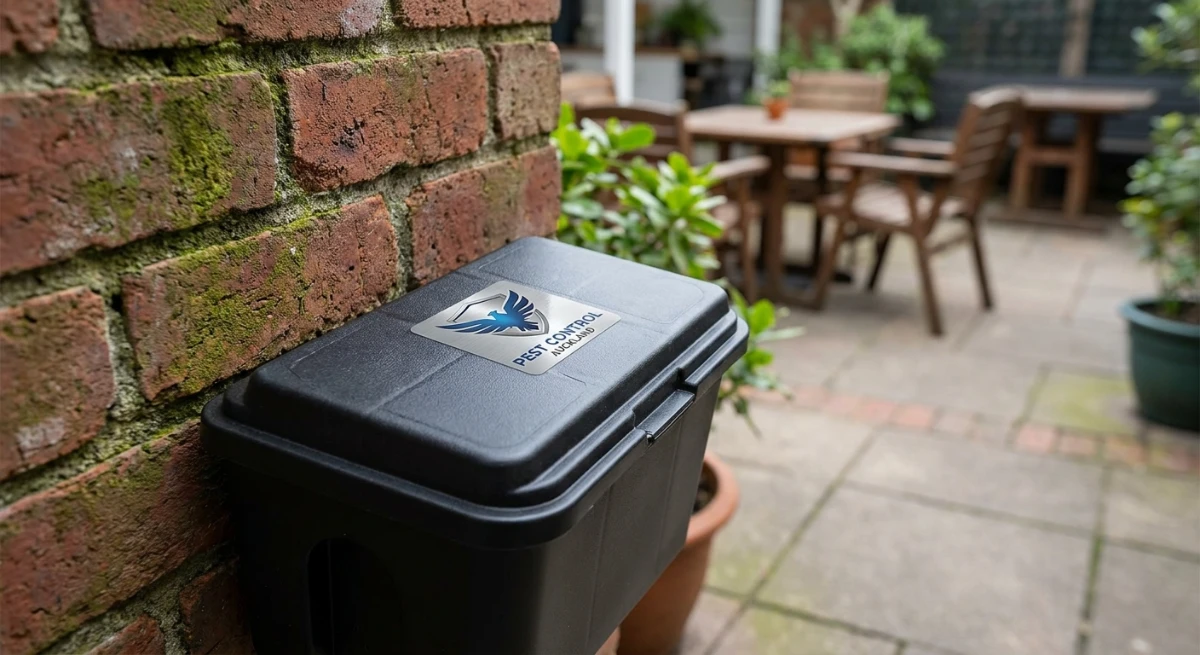
Our approach isn’t just throwing bait in the roof and hoping for the best. We conduct a full structural audit to find out exactly how they are getting inside. By sealing the entry points, we stop the cycle of contamination at the source.
2. Cockroaches (German and American)
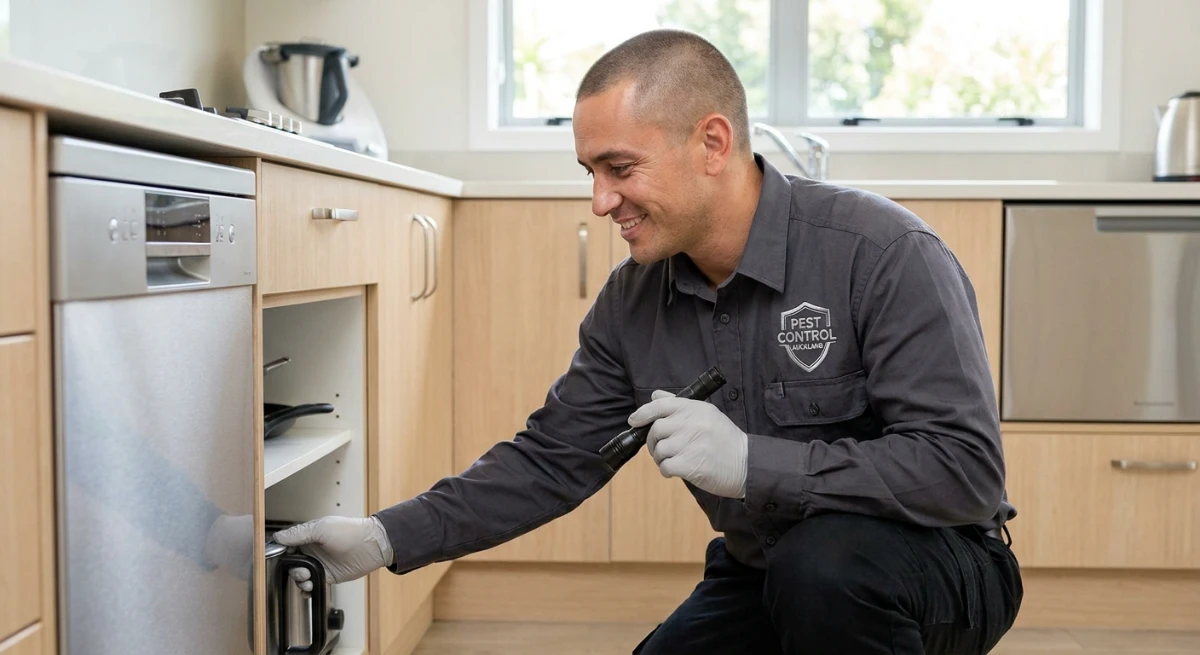
German cockroaches are the number one hygiene threat in Auckland kitchens. They breed rapidly and hide in warm, damp places like the back of your fridge or dishwasher.
Their presence is directly linked to gastrointestinal illnesses. If you are running a cafe or restaurant, a single sighting can result in severe reputational damage and a failed council health inspection.
3. Fleas and Biting Insects
Fleas aren’t just an itchy nuisance; they cause severe allergic dermatitis and secondary skin infections from scratching. If you’ve just moved into a new rental property, dormant flea pupae can hatch the second you walk through the door.
End-of-tenancy flea treatments are essential for breaking this cycle. We use targeted, safe applications that eliminate the adult fleas immediately and stop the dormant eggs from developing.
Commercial Risks: The Food Act 2014 and Your Business
If you run a food business in Auckland, pest control isn’t optional. The Food Act 2014 and the Ministry for Primary Industries (MPI) enforce strict, zero-tolerance policies for pests in commercial kitchens.
You cannot rely on toxic rodenticide baits in sensitive food prep areas. Instead, we implement Predictive Integrated Pest Management (IPM). This involves non-toxic monitoring, mechanical traps, and strict hygiene auditing.
The days of reactive “spray and pray” are over. Commercial operators need digital transparency and documented proof that their premises are safe. An ongoing IPM subscription provides the comprehensive reporting required to keep health inspectors happy.
Failing a health inspection due to pest activity can shut your doors overnight. We provide discrete, zero-emission treatments that protect your staff, your stock, and your hard-earned brand reputation.
Why DIY Pest Control Makes Health Risks Worse
Aucklanders are practical people, and it’s tempting to grab a bug bomb from the hardware store. But DIY pest control usually backfires, leading to what we call the “Cycle of Despair.”
Bug bombs just push cockroaches deeper into your wall cavities. They don’t reach the nests, and they leave toxic residues all over your benches and floors. You end up breathing in the chemicals while the pests keep breeding.
| Method | Health Risk | Effectiveness | Root Cause Fixed? |
|---|---|---|---|
| Supermarket Bug Bombs | High (Inhalation risk, toxic residue) | Low (Only kills visible pests) | No |
| Hardware Store Rat Baits | Moderate (Secondary poisoning risk to pets) | Moderate (Does not stop new rats entering) | No |
| Professional IPM Eradication | Zero (MPI-approved, targeted application) | High (Targets nests and entry points) | Yes |
When it comes to mitigating the health impacts of pests in Auckland, DIY methods fall dangerously short. You need a targeted, scientific approach that eliminates the problem without introducing new chemical hazards.
Professional Eradication: The Scientific Approach
We don’t just spray chemicals and walk away. Our technicians hold the New Zealand Certificate in Pest Operations (Level 3) and are fully qualified to handle Class 9 Urban Pest Management substances safely.
Safety is our absolute priority. We provide strict preparation and aftercare instructions to protect your children, pets, and food environments. We operate strictly within the bounds of the HSNO Act 1996.
We focus on root-cause eradication. That means finding the nest, identifying the entry points, and providing ongoing prevention advice. It’s a complete solution backed by our Silver Bullet Guarantee for your peace of mind.
Furthermore, all of our trapping methods adhere to the Animal Welfare Act 1999. We use humane, compliant traps that require daily physical inspections, completely avoiding the use of cruel and illegal glue boards.
Looking Ahead: The 2026 Autumn Surge and FAOPMA
As of May 2026, Auckland is experiencing a severe autumn pest surge. The mild winter and hot summer of last year created perfect breeding conditions, and now those pests are looking for warm indoor spaces to hide.
The pest control industry is also evolving rapidly to meet these challenges. In July 2026, Auckland will host the FAOPMA Pest Summit at the NZICC. The theme is “FutureProof: Smarter Pest Solutions for a Rapidly Changing World.”
We recently saw the success of targeted pest control in the Hūnua Ranges, where rat tracking plummeted to just 1.3%. We bring that exact same level of precision, science, and expertise to your residential or commercial property.
We are already implementing these smarter solutions locally. From advanced monitoring systems to eco-conscious interventions, we are staying ahead of the curve to protect Auckland homes and businesses from disease vectors.
Frequently Asked Questions

About the Author: Ronnie
Founder, Pest Control Auckland · Commercial & Residential Pest Expert · Certified Urban Pest Management Specialist
With years of experience handling severe structural infestations across Auckland, Ronnie understands the real-world health risks these vectors pose. Having consulted for commercial food sectors and managed complex residential eradications, he is the definitive expert on mitigating the health impacts of pests in Auckland safely and legally.