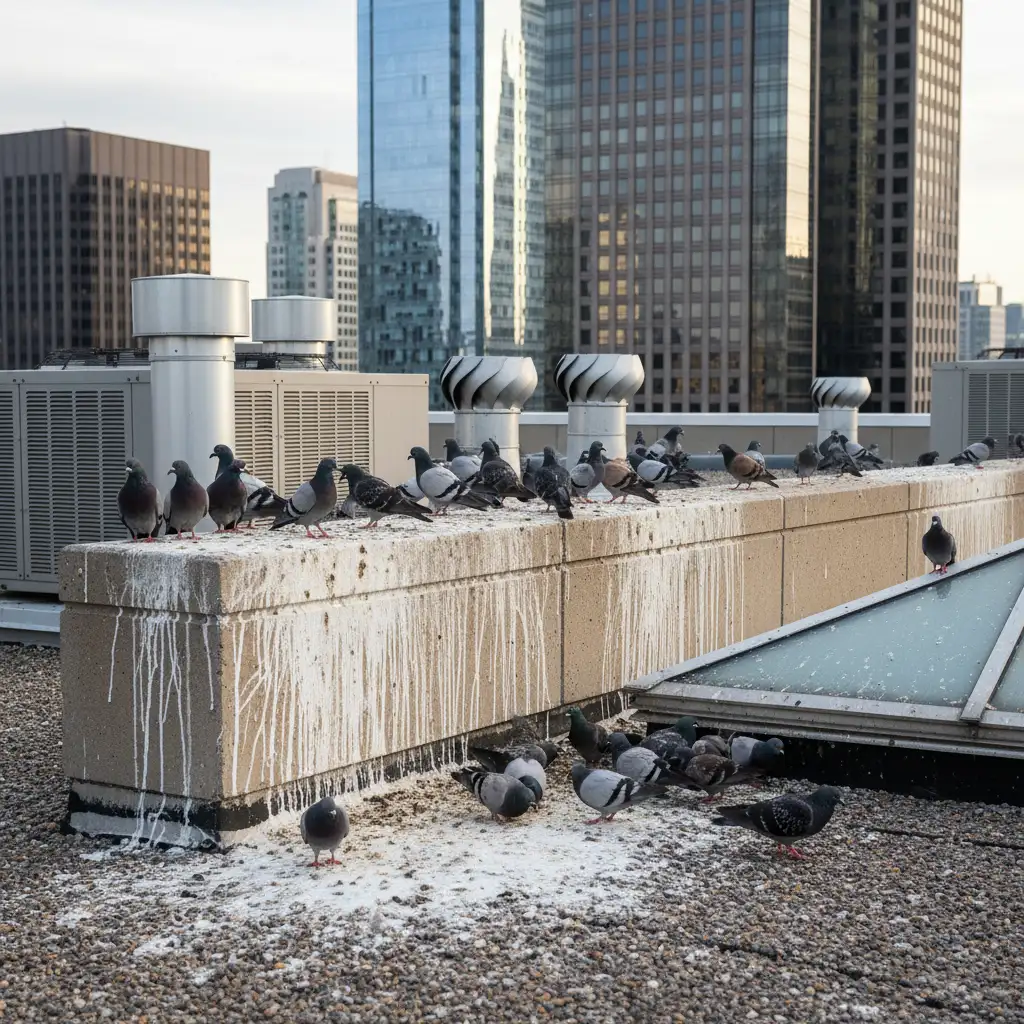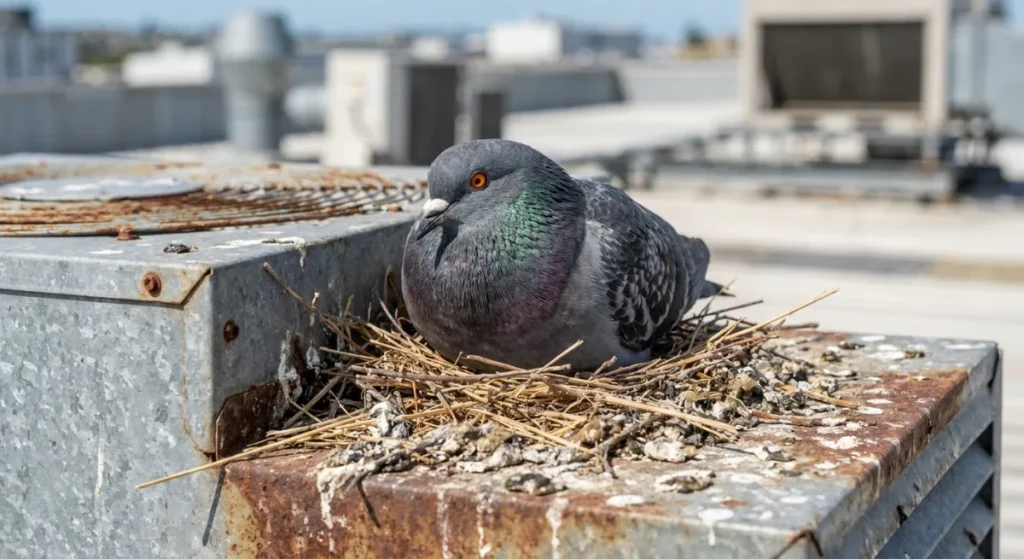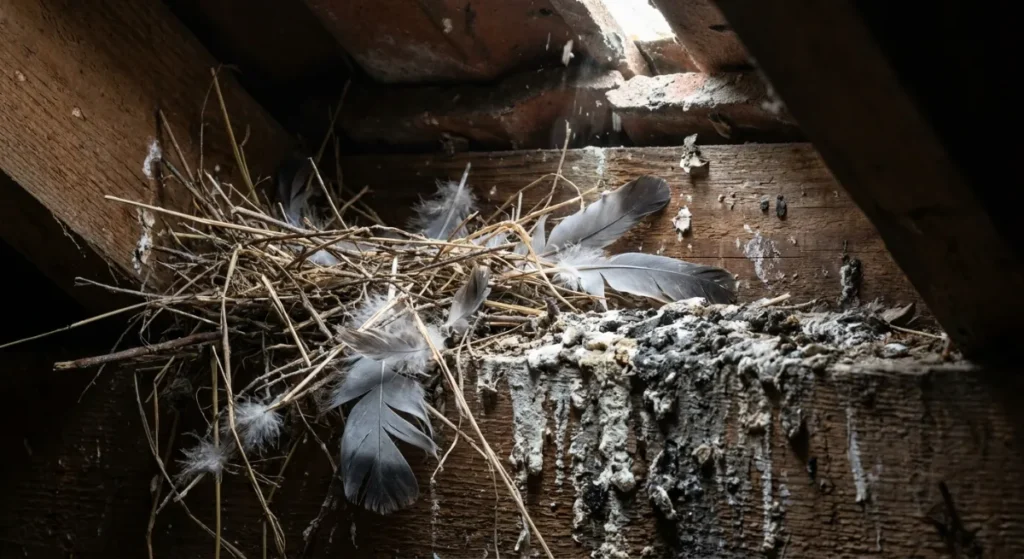
You have got pigeons in the roof cavity of your Auckland rental property. The tenant is complaining about the relentless noise at 5 AM, and the smell of guano is starting to seep through the ceiling. You are looking at the exterminator’s bill and wondering who actually has to pay for this mess.
We see this exact scenario play out every single week across the Auckland region. A standoff happens between the property owner and the renter, while the birds continue to cause expensive structural damage. The truth is, the law does not care about your feelings; it cares about structural integrity and timing.
I am going to tell you plainly how the law works here. No corporate hedging, just the straight facts from a certified urban pest management specialist. If you want to stop arguing and start fixing the problem, you need to understand exactly where the liability falls.
Key Takeaways
Under the Residential Tenancies Act 1986, landlord tenant pest control responsibility nz dictates that landlords must cover bird removal if pests enter through structural gaps. Tenants are only liable if their direct actions, like feeding birds or leaving rubbish exposed, caused the infestation.
Navigating the Residential Tenancies Act for Pest Control
New Zealand tenancy laws are crystal clear when it comes to the baseline condition of a rental property. The Residential Tenancies Act 1986 (RTA) governs every rental agreement in the country. Under Section 45(1)(a), a landlord must provide the premises in a reasonable state of cleanliness and repair.
This means that if a property is handed over to a tenant with a pre-existing bird infestation, the landlord is entirely liable. You cannot legally rent out a house that is already acting as a pigeon hotel. It is your job to ensure the home is pest-free on day one.
However, what happens when the birds arrive six months into the tenancy? This is where understanding landlord tenant pest control responsibility in NZ becomes critical. The liability shifts based on how and why the pests gained entry.
When is the Landlord Responsible for Pigeons?
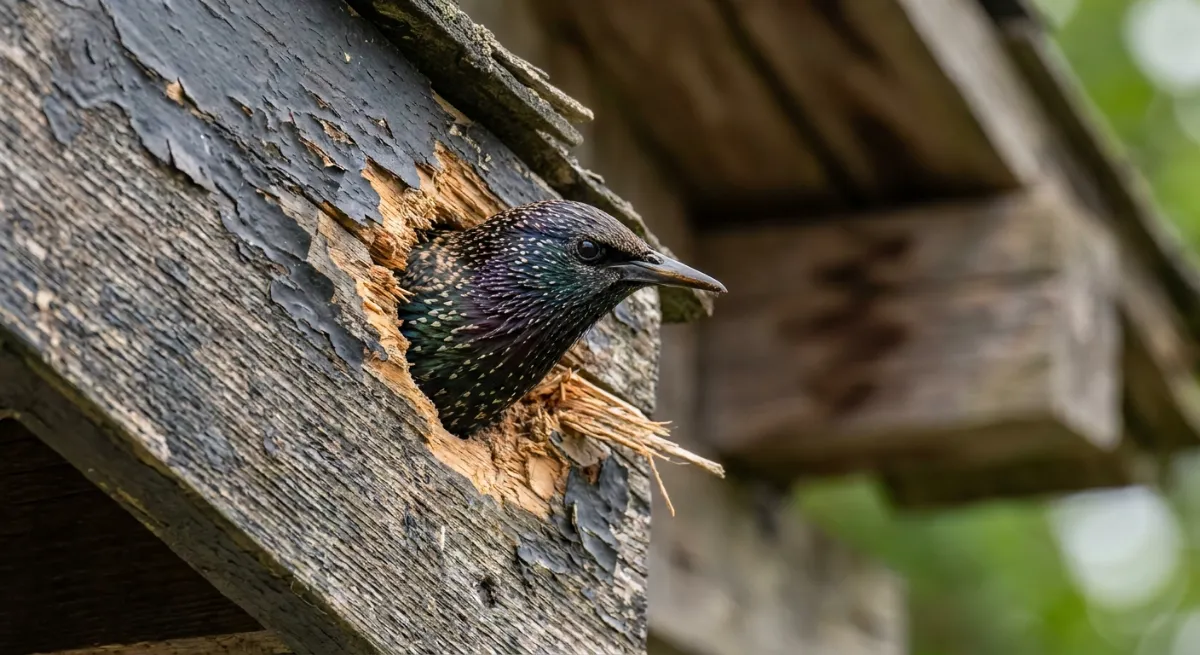
If a structural failure allowed the birds to enter, the landlord pays. Pigeons and starlings do not magically phase through solid walls. They exploit broken eaves, missing roof tiles, and unprotected gaps under solar panels.
Because maintaining the physical structure of the house is the landlord’s legal duty, any pest infestation resulting from a lack of maintenance falls squarely on their shoulders. You cannot pass this cost onto the tenant.
Furthermore, simply removing the bird is not enough. You must seal the structural gap. If you fail to fix the root cause, the birds will return, and you will be paying another call-out fee next month.
Under the Wildlife Act 1953, native New Zealand birds are strictly protected. We assess these enquiries case by case. If we cannot help directly, we will guide you toward the right authority (DOC) so you are not left guessing.
When is the Tenant Liable?
Tenants are not off the hook. If their direct behavior caused the infestation, they are legally required to foot the bill. The most common cause of tenant-induced bird problems is feeding.
If a tenant is throwing bread onto the lawn every morning, they are actively attracting feral pigeons and sparrows to the property. When those birds inevitably decide to nest in the gutters, the tenant is liable for the resulting extermination and cleaning costs.
The same applies to extreme unsanitary conditions. Piling up unsealed rubbish bags outside creates a food source. If a tenant’s lack of cleanliness breaches their obligations under the RTA, the landlord can seek compensation.
Avoiding Tenancy Tribunal Disputes Over Bird Damage
The Tenancy Tribunal handles nearly 30,000 disputes a year. A massive portion of these relate to property damage, compensation, and failure to maintain the premises. Pest control arguments are a frequent trigger for these hearings.
When determining landlord tenant pest control responsibility nz guidelines, the Tribunal relies entirely on evidence. They do not care about verbal arguments. They want to see photos, invoices, and professional pest control reports.
As a property owner, your best defense is proactive maintenance. Fixing a small gap today is infinitely cheaper than paying for a Tribunal dispute, lost rent, and severe structural repairs tomorrow.
The Importance of Prompt Action and Documentation
If your tenant reports scratching noises in the roof, you must act immediately. Ignoring the problem is a breach of your duty to maintain the property. The longer you wait, the worse the damage gets.
Bird droppings are highly acidic. Left unchecked, guano will eat through your roof paint, corrode metal gutters, and create severe health hazards. Nests built near downlights become instant fire hazards.
Document everything. Before a new tenant moves in, take date-stamped photos of the roofline, eaves, and solar panels. If a dispute arises later, you have undeniable proof of the property’s initial condition.
Birds nesting under solar panels is a leading cause of preventable output loss and roof damage. Install UV-stabilised solar mesh immediately to physically block entry points.
Structural Maintenance vs. Behavioral Attractants
A clear grasp of landlord tenant pest control responsibility nz will save you thousands. You must separate structural failures from behavioral attractants. A broken vent is your problem; a tenant leaving dog food outside is theirs.
When our Level 3 qualified technicians arrive on-site, we perform a root-cause analysis. We do not just look at the birds. We look at exactly how they got in and what is keeping them there.
If we find that the tenant’s lifestyle choices are the sole cause of the infestation, our official report will reflect that. This documentation is exactly what you need if the issue escalates to the Tenancy Tribunal.
Fast, Tenant-Safe Bird Proofing Services
We do not rely on cheap scare tactics or fake plastic owls. We use scientific, root-cause exclusion methods. If you want the birds gone for good, you need a permanent physical barrier.
Our primary focus is structural exclusion. By installing high-grade, UV-stabilised netting and stainless steel spikes, we permanently stop pest birds from roosting on your property. It is a one-and-done solution that protects your asset long-term.
Because we are highly certified urban pest management specialists, safety is our priority. Our installation methods are entirely safe for your tenants, their children, and their pets. We fix the structure without introducing harmful chemicals into the living environment.
| Bird Proofing Method | Best Used For | Expected Lifespan |
|---|---|---|
| UV-Stabilised Netting | Large open cavities, balconies, commercial eaves | 10+ Years |
| Stainless Steel Spikes | Narrow ledges, roof ridges, gutters, signage | 15+ Years |
| Solar Panel Mesh | Excluding pigeons and starlings from under solar arrays | 10+ Years |
Clear Communication and Transparent Invoicing for Property Managers
Property managers waste hours coordinating unreliable tradespeople. We eliminate that friction entirely. We communicate directly with your tenants to arrange access, keeping you looped in at every step.
Our invoicing is brutally transparent. There are no hidden fees or surprise upcharges. You get a detailed breakdown of the structural entry points we found, the exclusion methods we applied, and the final cost.
If you are still confused about landlord tenant pest control responsibility nz, our reports provide the exact clarity you need. We give you the evidence required to justify the expense to the property owner or the Tenancy Tribunal.
If a tenant issues a 14-day notice to remedy regarding a structural pest issue and you ignore it, you risk severe exemplary damages at the Tenancy Tribunal.
Download Our Healthy Homes Pest Compliance Checklist
Do not wait for a tenant complaint to find out your property has a structural flaw. Proactive management is the only way to protect your rental yield from unexpected extermination bills and Tribunal fines.
We have compiled a comprehensive compliance checklist specifically for Auckland landlords and property managers. It covers exactly what to look for during routine inspections to catch pest entry points before they become major infestations.
Download the checklist today, or call us directly to book a full structural pest assessment. We will give you the honest truth about your property’s vulnerabilities and the exact steps needed to lock pests out for good.
People Also Ask (FAQ)

About the Author: Ronnie
Founder, Pest Control Auckland · Commercial & Residential Pest Expert · Certified Urban Pest Management Specialist
With years of experience in Auckland’s property sector, Ronnie is the definitive expert on the Tenant & Landlord Guide to Bird Liability. Having consulted for leading property managers and navigated countless Tenancy Tribunal compliance standards, he provides straight-talking, legally sound advice to protect both your property and your tenants.