Introduction to North Shore Environments and Ecosystems
The Auckland region boasts some of the most stunning coastal landscapes in New Zealand. However, the unique geography of the area presents significant challenges for property owners managing invasive species. The North Shore is particularly vulnerable due to its seamless blend of dense native bush, urban development, and expansive shorelines.
This proximity to nature is a major draw for residents, but it acts as a permanent corridor for wildlife and insects. Rodents, wasps, and invasive ant species frequently migrate from local reserves directly into residential and commercial properties. Understanding these environmental dynamics is the first step in establishing a robust defense against unwanted intruders.
Effective management goes beyond simple, reactive treatments. It requires a deep understanding of local microclimates and seasonal breeding cycles. By recognizing how environmental factors influence pest behavior, property owners can implement proactive strategies that protect their investments year-round.
Historically, managing these invasive populations relied heavily on reactive measures, addressing issues only after significant damage occurred. Today, the focus has shifted entirely toward preventative biosecurity. By integrating advanced tracking technologies with traditional conservation knowledge, the region is pioneering new standards in urban pest management.
Key Takeaways
The North Shore faces unique pest challenges due to its blend of coastal shores and dense native bush. Professional eradication safely targets rodents, wasps, and insects from Devonport to the Hibiscus Coast. Combining strategic yard maintenance with certified pest control significantly reduces long-term infestation risks.
Reliable Pest Eradication From Devonport to Albany and the Hibiscus Coast
Providing comprehensive coverage across a vast geographical area demands specialized knowledge and adaptable techniques. Communities stretching from the historic suburbs of Devonport all the way north to Albany and the Hibiscus Coast experience varying pest pressures. Coastal homes often face different threats compared to properties nestled near inland bush reserves.
For instance, older homes in Devonport frequently battle with borer beetles and established rodent populations seeking shelter in historic timber frames. In contrast, the rapid urban expansion in Albany has displaced many native and invasive species, driving them into newly built subdivisions. A localized approach ensures that eradication methods match the specific environmental context of each neighborhood.
Common Intruders in Local Homes
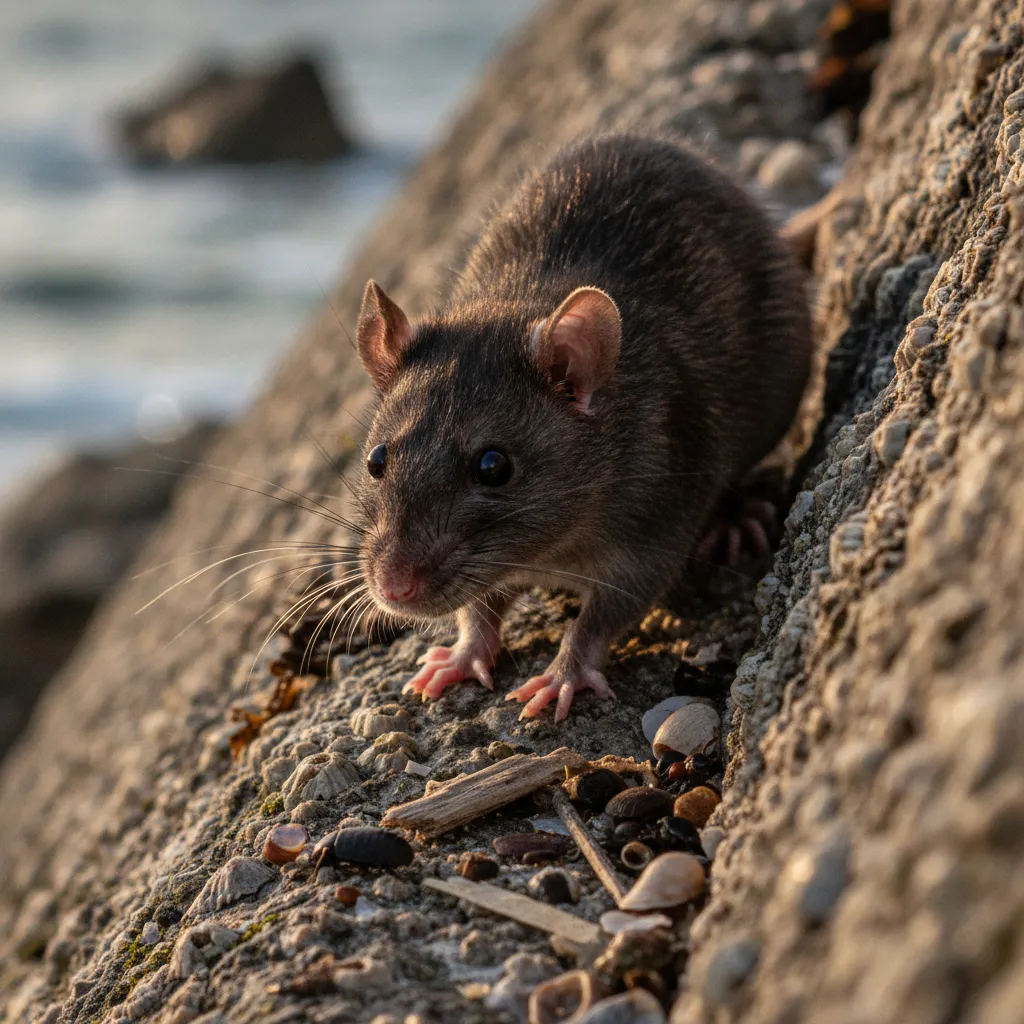
The diverse climate of the North Shore creates an ideal breeding ground for several persistent nuisance species. Rodents, particularly Ship Rats and Norway Rats, are a constant threat to structural integrity and human health. They gnaw through electrical wiring and contaminate food storage areas, making rapid eradication essential.
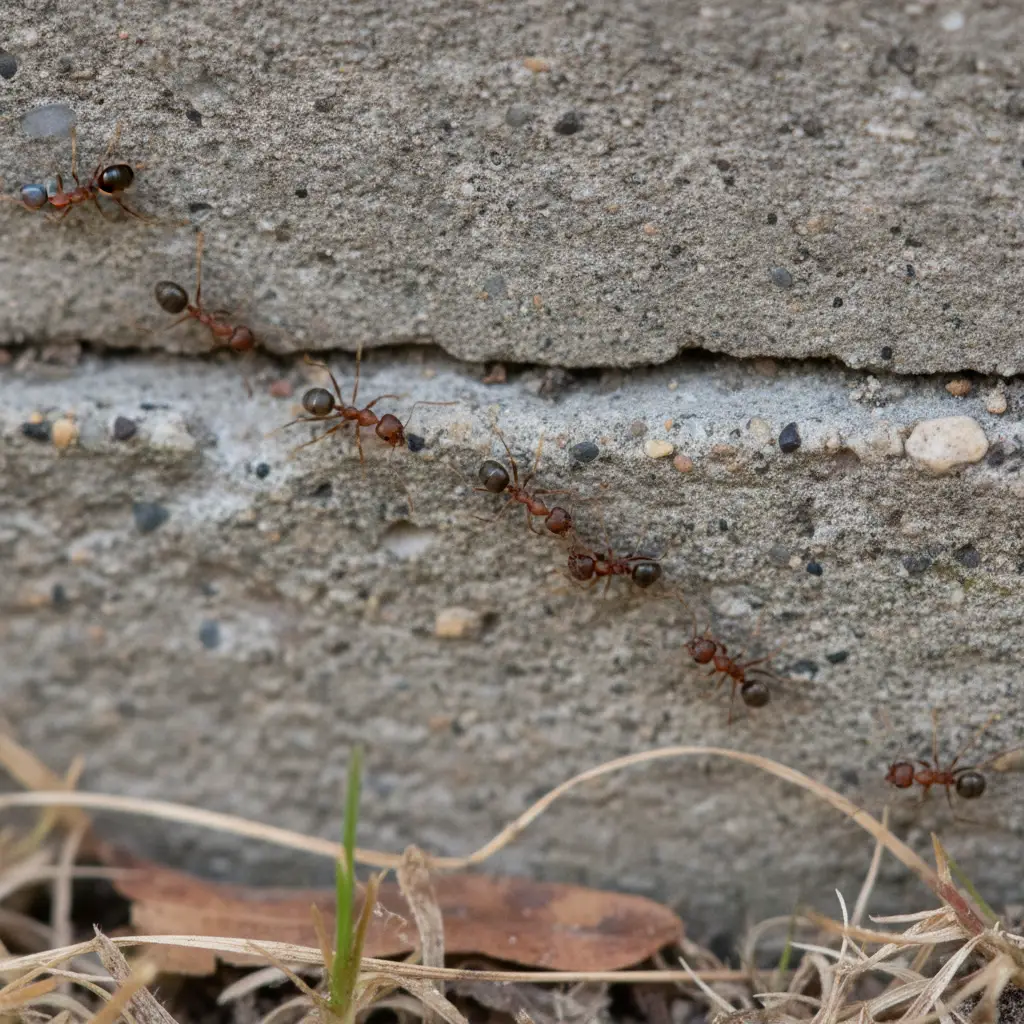
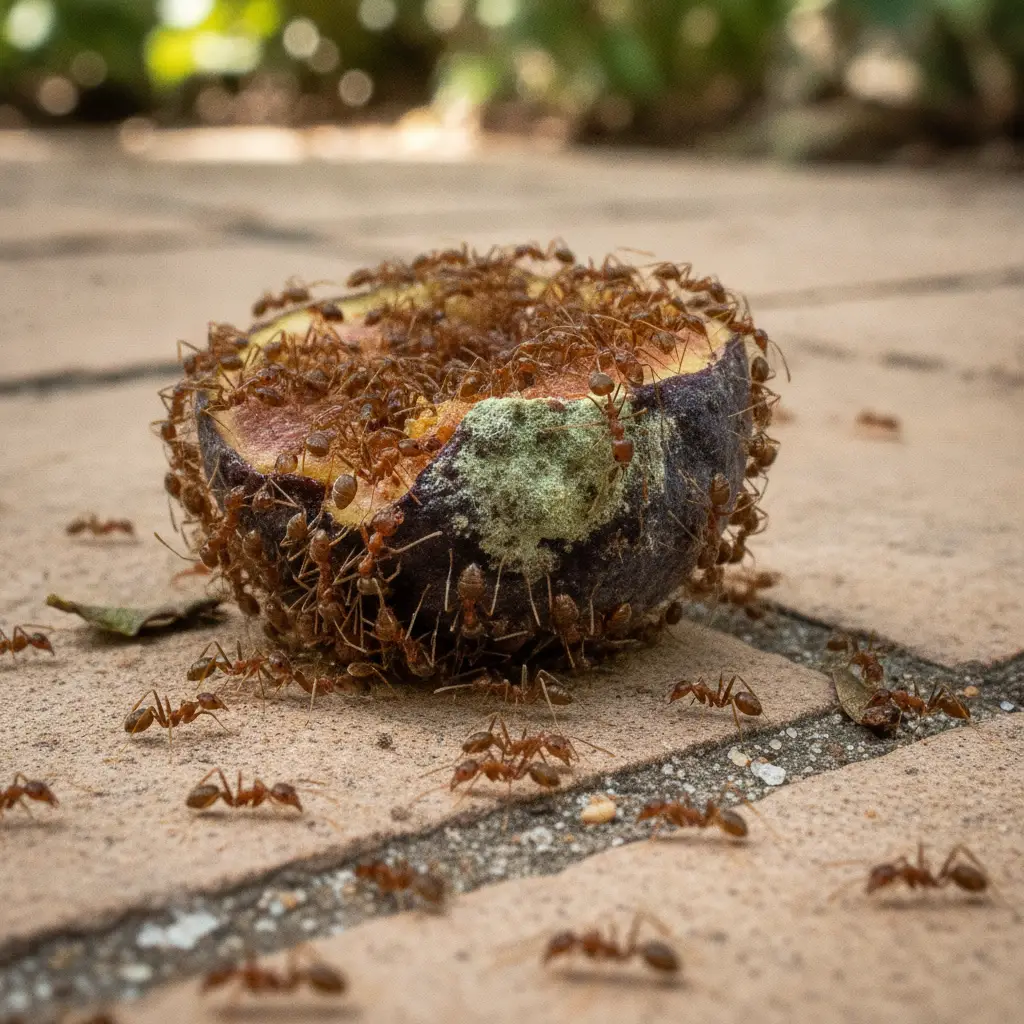
Argentine ants are another highly invasive species that have established massive super-colonies across the region. Unlike standard garden ants, they are notoriously difficult to eliminate because they form interconnected nests that span multiple properties. Seasonal wasp populations also pose severe risks during the warmer summer months, requiring immediate intervention.
Recent biosecurity operations in Auckland have targeted highly invasive species like the yellow-legged hornet. If you spot an unusually large wasp nest, do not attempt to remove it yourself. It requires specialized intervention to prevent aggressive swarming.
Targeted Eradication Strategies
Modern eradication relies on a combination of precision baiting, trapping, and targeted chemical applications. Gone are the days of indiscriminate spraying that harms local ecosystems and non-target wildlife. Today’s protocols are highly calibrated to eliminate the target species while preserving the safety of household pets and native birds.
For rodent control, tamper-proof bait stations and advanced trapping mechanisms are deployed along known travel routes. Insect eradication often involves non-repellent transfer treatments, which insects unknowingly carry back to their hidden colonies. This cascading effect ensures that the entire nest is destroyed from the inside out, rather than just treating the visible workers.
Moving further north, the Hibiscus Coast presents its own set of unique environmental variables. High coastal winds and sandy soils can interfere with exterior baiting stations and chemical applications. Technicians must utilize specialized, weather-resistant equipment to ensure that eradication efforts remain effective despite the challenging maritime climate.
Furthermore, the proximity of these coastal properties to marine reserves means that chemical runoff is a critical concern. Eradication protocols in these zones prioritize eco-friendly, highly targeted treatments that break down safely in the environment. This careful balancing act ensures that invasive species are eliminated without compromising the delicate coastal ecosystem.
Why Choose Professional Yard Services for Complete Property Care
Eradicating an active infestation inside a building is only half the battle. To achieve long-lasting results, the exterior environment must be optimized to deter future invasions. This is why integrating professional yard services with biosecurity measures is considered the gold standard for property maintenance on the North Shore.
Overgrown vegetation, dense leaf litter, and poorly managed drainage systems act as natural harbors for breeding populations. When shrubs and tree branches touch the exterior walls or rooflines of a home, they create direct access bridges. Trimming back these access points immediately reduces the likelihood of insects and rodents finding their way indoors.
The Connection Between Landscaping and Pest Control
A well-maintained yard significantly alters the microclimate around a property’s foundation. By increasing sunlight exposure and improving airflow, you eliminate the damp, dark conditions that attract termites, cockroaches, and nesting rodents. Proper landscaping fundamentally changes the habitability of your property for invasive species.
Furthermore, professional yard care involves the strategic removal of decaying organic matter and standing water. Mosquitoes require only a tiny amount of stagnant water to breed, while rats frequently nest in undisturbed compost piles or wood stacks. Addressing these exterior vulnerabilities creates an invisible barrier of protection around the home.
The selection of flora within a yard also plays a crucial role in pest dynamics. Certain native plants, while beautiful, can inadvertently provide ideal nesting grounds or food sources for invasive insects. Conversely, incorporating natural deterrents and maintaining proper soil drainage can make the environment distinctly hostile to unwanted wildlife.
Integrating hardscaping elements, such as gravel borders or concrete pathways, further disrupts the natural travel routes of crawling insects. Termites and ants struggle to traverse these dry, exposed surfaces, reducing the likelihood of them reaching the primary structure. Thoughtful landscape design is an invaluable component of a comprehensive defense strategy.
Maintain a minimum clearance of 30 to 50 centimeters between your home’s exterior walls and any garden beds or shrubs. This physical gap makes it much harder for crawling insects and rodents to bridge the distance into your home undetected.
Seasonal Yard Maintenance
The changing seasons dictate the specific maintenance tasks required to keep a property secure. In autumn, clearing gutters and removing fallen leaves prevents the accumulation of moisture that attracts nesting insects. Winter preparations often involve sealing exterior gaps and pruning back dormant trees before the spring growth cycle begins.
Spring and summer demand a focus on rapid growth management and active monitoring for wasp nests or ant trails. Consistent, year-round yard maintenance ensures that the property never reaches a state of overgrowth that invites infestation. This proactive approach saves property owners significant time and money by preventing major biosecurity breaches before they occur.
Key Metrics & Essential Standards in Pest Management
The pest management industry in New Zealand is governed by strict regulations to ensure public safety and environmental protection. High-quality service providers operate under comprehensive frameworks established by national authorities. Understanding these metrics helps property owners distinguish between amateur attempts and professional, compliant operations.
Key performance indicators in this sector include response times, eradication success rates, and the use of approved, low-toxicity products. A reliable provider tracks these metrics meticulously to guarantee consistent results. Accountability and transparency are non-negotiable when dealing with hazardous materials and complex biosecurity threats.
Industry Safety and Efficacy Standards
Professional technicians must hold appropriate certifications and adhere to the guidelines set forth by the Environmental Protection Authority (EPA). This ensures that all chemical applications are handled correctly, minimizing drift and runoff into local waterways. Safety data sheets and detailed treatment reports should always be available for review.
Efficacy is measured by the long-term reduction of the target population, not just the immediate knockdown effect. Advanced monitoring systems, such as non-toxic tracking blocks and UV-reactive tracking dust, provide measurable data on pest activity levels. This scientific approach allows technicians to adjust their strategies based on hard evidence rather than guesswork.
Another critical metric is the reduction of non-target impacts. Modern pest control aims to protect native wildlife, such as the cherished Tūī and Kererū, from accidental exposure to toxins. Technicians utilize species-specific baiting mechanisms that physically prevent larger birds or household pets from accessing the active ingredients.
Detailed digital reporting is now an industry standard, providing property owners with transparent access to service logs and activity graphs. These digital dashboards allow clients to track the progress of an eradication program in real-time. This level of data visibility builds trust and ensures that the chosen strategies are delivering measurable results.
| Pest Type | Primary Risk Factor | Peak Season | Recommended Action |
|---|---|---|---|
| Rodents (Rats/Mice) | Property damage, disease transmission | Autumn / Winter | Bait stations, exclusion sealing |
| Argentine Ants | Food contamination, super-colonies | Spring / Summer | Non-repellent transfer baits |
| Wasps | Aggressive stinging, allergic reactions | Late Summer | Direct nest dusting/removal |
| Borer Beetles | Structural timber degradation | Spring (Flight season) | Timber injection, surface spraying |
Auckland Council and National Biosecurity Alignment
Operations on the North Shore must align with broader regional initiatives, such as the Auckland Regional Pest Management Plan. This framework dictates the control measures required for specific unwanted organisms. By aligning private property control with council objectives, professionals contribute to the wider goal of a Predator Free New Zealand by 2050.
This synergy between private eradication efforts and public conservation ensures that native flora and fauna are protected. When property owners engage certified professionals, they are actively participating in a national effort to preserve the country’s unique ecological heritage. It is a shared responsibility that yields benefits for the entire community.
New Zealand has an ambitious goal to become Predator Free by 2050. Every localized effort to manage rats, stoats, and possums on private property contributes directly to the survival of native bird species.
Navigating Service Bookings & Quotations
Understanding how the assessment and quotation process works empowers property owners to make informed decisions. A transparent, structured approach to bookings ensures that there are no hidden surprises during the treatment phase. Reputable providers prioritize clear communication from the very first interaction.
The process typically begins with a detailed initial inquiry, where property owners describe the visible signs of infestation. This is followed by a comprehensive site inspection, which is critical for identifying the root cause of the problem. Accurate diagnostics form the foundation of any successful eradication plan.
Modern service providers often utilize digital platforms to streamline the booking and assessment pipeline. Property owners can upload photos of pest damage or sightings prior to the physical inspection. This preliminary data allows technicians to arrive on-site fully prepared with the appropriate diagnostic tools and safety equipment.
During the quotation review, it is crucial to ask questions about the specific products being proposed. Reputable operators are more than willing to provide safety data sheets and explain the mechanism of action for each treatment. Educating the property owner is a fundamental part of the professional service experience.
What to Expect During the Assessment Phase
During a professional site assessment, technicians conduct a thorough sweep of both the interior and exterior of the property. They look for subtle indicators such as droppings, grease marks, shed exoskeletons, and structural vulnerabilities. This meticulous inspection often reveals hidden nests that the property owner was completely unaware of.
The assessment also includes an evaluation of environmental factors, such as yard maintenance and drainage issues. Technicians will map out high-risk zones and determine the most effective access points for deploying treatments. This holistic view ensures that the resulting action plan is comprehensive and highly targeted.
Before an assessment, ensure that technicians have clear access to the roof cavity, subfloor, and perimeter fence lines. Removing clutter from these areas allows for a more accurate evaluation of potential nesting sites.
Understanding the Quotation Process
Following the assessment, a detailed quotation is generated that outlines the proposed scope of work. This document should clearly specify the target species, the methods and products to be used, and the expected timeline for eradication. Transparency in pricing is essential, with all costs broken down logically.
A professional quote will also include information on warranties or follow-up visits required to break the breeding cycle. Because some pests require multiple treatments to fully eradicate, understanding the long-term commitment is vital. A well-structured quotation provides peace of mind and sets clear expectations for both parties.
Securing Long-Term Protection Plans
Single treatments are rarely sufficient for long-term property protection. Most professional services offer ongoing maintenance plans that include seasonal inspections and preventative barrier treatments. These structured programs are far more cost-effective than dealing with repeated, full-blown infestations.
By enrolling in a scheduled maintenance program, property owners ensure that their defenses remain active year-round. Technicians can identify and resolve minor vulnerabilities before they escalate into major problems. Ultimately, proactive management is the most reliable way to maintain a safe, pest-free environment.